Glimpse into Gandaki Province's Eight-Year Performance: Ambitious Goals Meet Mixed Realities
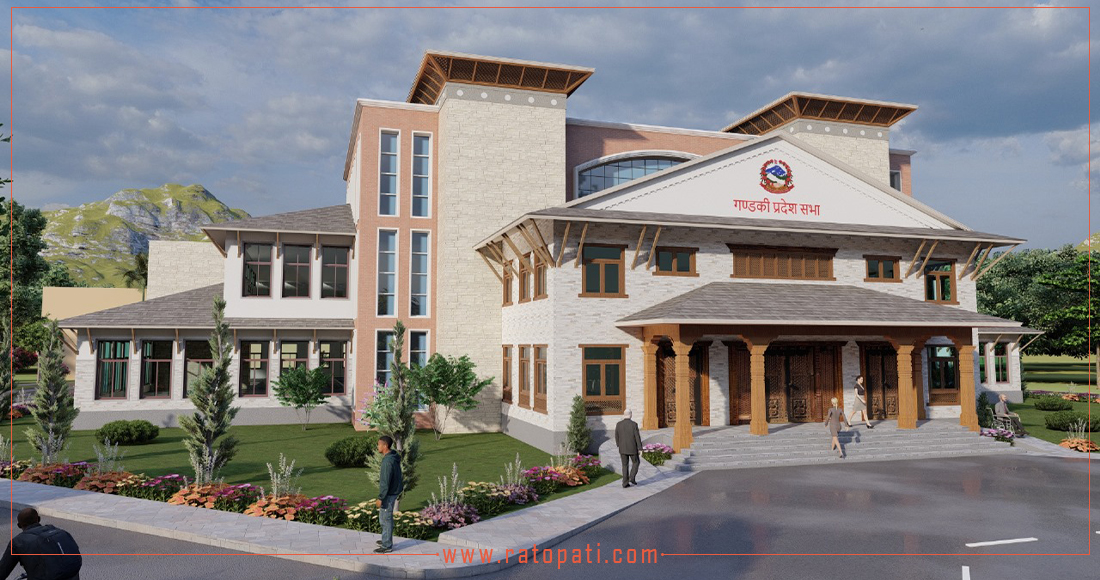
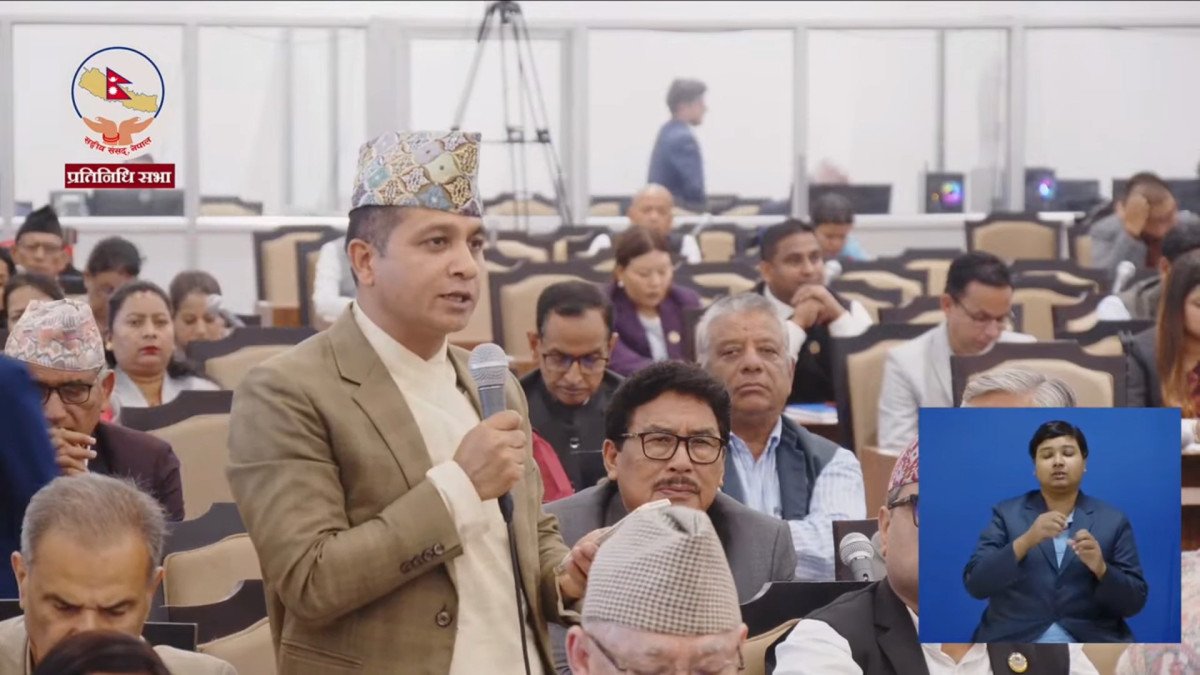
Pokhara. On Falgun 4, 2074 BS, the first meeting of the Gandaki Provincial Council made several significant decisions, including some ambitious targets. Among these, goals were set to illuminate the province within two years and construct everything from an international standard convention center to a specialized hospital within five years. Decisions were also made to ensure drinking water access in every village within two years and to immediately establish electronic good governance.
Plans were also formulated to establish and operationalize state-of-the-art cancer, heart disease, and kidney treatment centers within five years, connect local level centers with the provincial capital via a quality road network, and construct an international standard multi-purpose sports stadium. The declaration to establish a multicultural village within the government's first term was also made.
In the year the government made these decisions, 87.9 percent of homes in Gandaki had access to electricity. Government records show that electricity access has reached 99.8 percent of families in Gandaki over the eight-year period. In the base year, 91.1 percent of homes in the province had access to basic drinking water, which has now reached 97.8 percent of homes. Land for the convention center, which was supposed to be completed in five years, has not even been identified yet.
Under the plan to build cancer, heart disease, and kidney treatment centers, the government has signed agreements with six hospitals across the country for cancer treatment and has made dialysis services expansion more effective. Roads connecting local centers have improved somewhat but are not all paved. Roads have not yet reached the centers of Narphabhumi in Manang and Chumanubri Rural Municipality in Gorkha. Interest in constructing the international sports stadium has waned, and the construction of the multicultural village remained limited to discussions.
Since the establishment of the Gandaki government, approximately 175 billion rupees in budget has been implemented. Including federal grants, revenue sharing, and internal sources, 168.95 billion rupees budget has been implemented. Gandaki has received 94.38 billion rupees in grants from the federal government under various headings so far, and 52.67 billion rupees from revenue sharing. 21.90 billion rupees has been collected from internal revenue.
Over the eight-year period, the province has constructed 1,168 kilometers of paved roads using its own capacity in physical infrastructure. Prakash KC, Minister for Physical Infrastructure Development, says, 'In the past, the budget was scattered on new projects, but this year we have allocated 65 percent of the budget to complete old and incomplete projects.' During this period, 118 road bridges and 88 suspension bridges have been constructed. Under the 'One House One Tap' campaign, the government claims that private taps have been installed in 166,000 households.
Gandaki has made some improvements in the health sector. The number of hospital beds has increased from 300 to 800, and the staffing quota for health workers has also been increased. Health Minister Krishna Pathak says, 'The situation where kidney patients had to wait for dialysis appointments has ended, and the lives of 71 pregnant women in remote areas were saved through free helicopter rescue. Now the government's focus is on equipment and skilled manpower.' The government has signed agreements with six major hospitals across the country for cancer treatment.
The Gandaki government sent a nationwide message this year by restructuring its administration. 32 offices were merged into 19, and 285 employee positions were cut. Chief Minister Pandey says, 'This step has reduced the annual expenditure burden by more than 500 million rupees, which is a great testament to financial discipline and good governance.' Over eight years, Gandaki has undertaken important tasks ranging from introducing ride-sharing regulations to operating the Korala checkpoint.
However, the full expectations of the citizens have not been met due to the tendency to distribute the budget across fragmented projects and the delays in flagship projects. Pandey says, 'The journey to build a self-reliant and prosperous province by correcting past mistakes is still ongoing. Some authority delegation from the federal government has not been possible. We are striving.'
Gandaki has enacted 88 laws and 29 regulations. Separate laws have been made for branding domestic liquor, making Gurung-Magar languages official languages for government business, and for the upliftment and empowerment of persons with disabilities and Dalit communities. A bill for the medicinal use of cannabis cultivation is currently under discussion in the parliamentary committee. Nevertheless, Speaker Krishna Dhital complains that it is difficult to work due to the federal government's reluctance to delegate authority. He stated, 'It is difficult for the province to legislate and run the administration when the federal government keeps police integration and laws to be made under the concurrent list tightly in its grip. The federal government should not treat the province merely as its unit.'
This specific news has been automatically translated by AI. As a result, there may be some inaccuracies or language errors.