Dolkha's Political Landscape Heats Up Ahead of Elections: A Battle for Communist Stronghold

Kathmandu. The fervor of the upcoming House of Representatives election on Falgun 21 is increasing even in the Himalayan district of Dolkha. Dolkha is also known as the 'base area' of the CPN-UML.
Although dubbed the 'Red Fort' of UML, the election results have varied over time. Looking at the history of parliamentary elections from 2048 to 2079 BS, the dominance of the left-wing is visible in Dolkha, but this time's equation is different and interesting compared to the past.
The upcoming election in Dolkha appears set to redefine the decades-long political legacy, the rise of new forces, and the balance of power among traditional parties. Dolkha has a total of 9 local levels, comprising two municipalities and seven rural municipalities.
In the 2079 local level elections, the Nepali Congress won Bhimeshwor Municipality, along with Baitehswar and Kalinchok Rural Municipalities. Similarly, UML won Jiri Municipality along with Melung Rural Municipality. The Maoists won Gaurishankar, Shailung, and Bigu Rural Municipalities. The Tamakoshi Rural Municipality was won by the CPN (Unified Socialist).
Since 2048 BS, UML has won five times in Dolkha. Likewise, the CPN (Maoist Centre) has won the election here twice. The Maoists won one of those two times with the support of the Congress. In the 2079 election, Ganga Karki of the Maoists was elected from the five-party alliance including the Nepali Congress. Karki won the election by securing 36,820 votes. His competitor, Balkrishna Shiwakoti of UML, lost by a narrow margin of only 315 votes, securing 36,505 votes.
Viewed this way, it appears that the communists have continuously maintained dominance in Dolkha since 2048 BS. In the 34-year history, the Nepali Congress has won the election only once in Dolkha.
Before the promulgation of the constitution, until 2070 BS, Dolkha had two electoral constituencies. After the promulgation of the constitution, it was converted into a single federal electoral constituency.
UML Dominance in Elections from 2048 to 2079 BS
Looking back at Dolkha's electoral history, the influence of left-wing ideology is deeply visible. Since the first election after the restoration of multi-party democracy in 2048 BS, the CPN-UML has maintained dominance here. In 2048 BS, UML's Indrabahadur Khadka won by securing 18,376 votes.
In the mid-term election of 2051 BS, the Nepali Congress strengthened its presence in Dolkha. Dedicated Congress leader Bhim Bahadur Tamang defeated UML's Anand Pokharel by securing 16,673 votes.
The 2051 mid-term election remains Congress's sole and historic victory in Dolkha to date. In the nearly three decades since then, Congress has consistently faced defeat in Dolkha.
In 2056 BS, UML made a comeback. Pashupati Chaulagain defeated Congress's Bhim Bahadur Tamang by securing 20,243 votes. In the first Constituent Assembly election of 2064 BS, Dolkha was not untouched by the nationwide Maoist wave. Then Maoist candidate Devi Khadka defeated both UML and Congress by securing 22,182 votes. However, by 2070 BS, UML reclaimed its seat. Parbat Gurung and Anand Pokharel both won in the former two constituencies of Dolkha.
In the 2074 election, when there was a left-wing alliance between UML and Maoists, Parbat Gurung received 55,457 votes. In 2079, the alliance shifted. When Congress, Maoists, and Unified Socialists contested together, Maoist's Ganga Karki defeated UML's Balkrishna Shiwakoti by a slim margin of only 315 votes, securing 36,820 votes. This time, a total of 33 candidates, including 14 parties and 19 independents, are in the field.
UML's Gurung Aims to Preserve Old Prestige
In the upcoming election, there are 170,030 voters in Dolkha. With the CPN (Maoist Centre) and Unified Socialist forming a party and contesting the election, and the RSP creating a wave nationwide, its impact is also being seen in Dolkha.
Looking at the proportional representation vote results from the previous election, UML is first with 30,986 votes. Congress is second with 27,007 votes, while Maoists received 11,582 and Unified Socialists received 2,301 votes. RSP received 5,566 votes from Dolkha in the previous election.
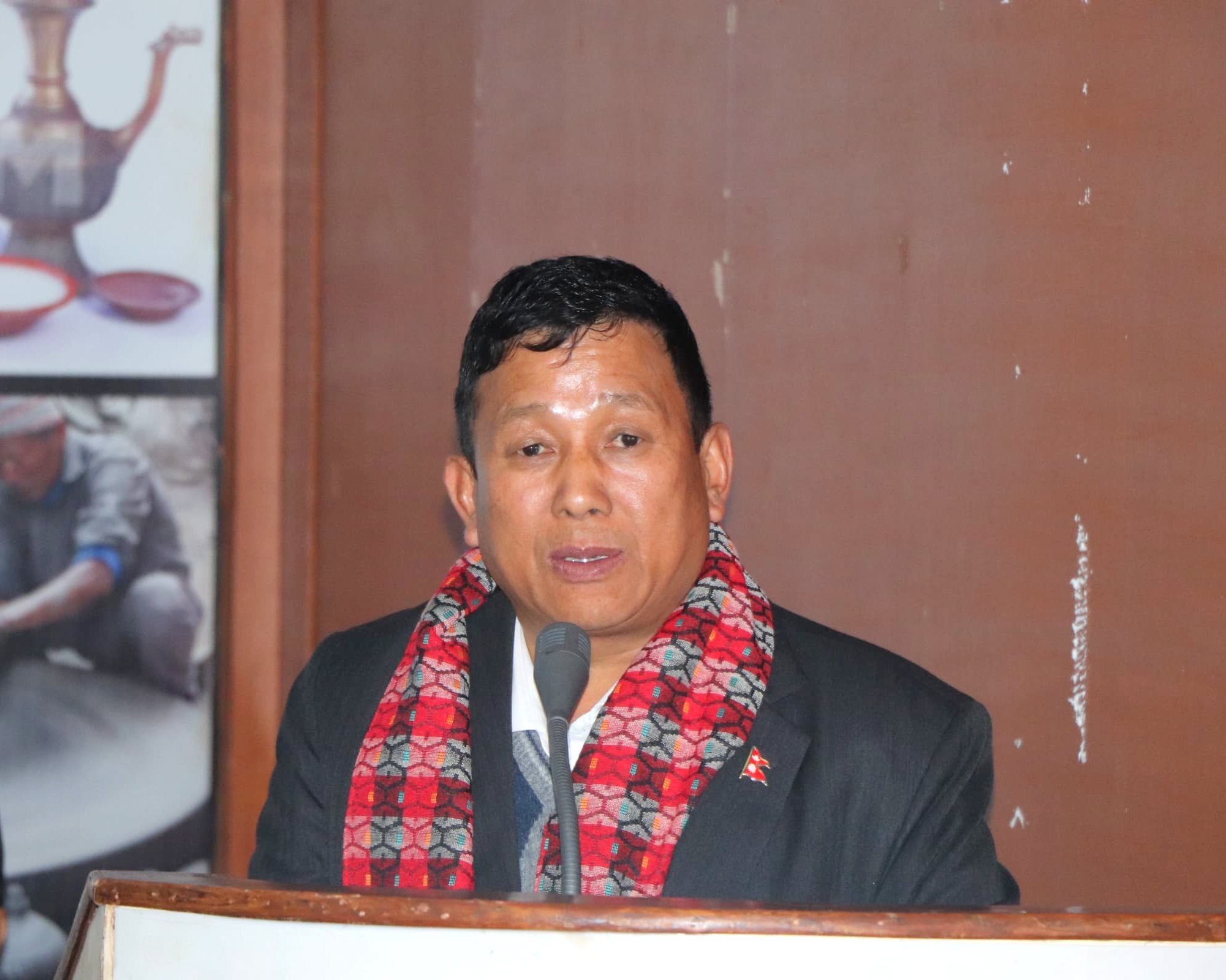
In the upcoming election, UML has nominated Parbat Gurung, who has won twice before, as the candidate in Dolkha. He represented the entire Dolkha in parliament in the 2070 Constituent Assembly election from the former Constituency No. 1 and in 2074 as the candidate of the UML-Maoist alliance.
UML has strategized to reclaim its legacy by nominating Gurung again amidst internal strife. Gurung is a local of Suri, Gaurishankar Rural Municipality-2, in the northern region of Dolkha. Born in Suri in 2025 BS, Gurung joined communist politics through ANASSU. He has served as the UML District Chairman and is currently a Central Committee member, having completed his master's degree.
Gurung has served as the Minister for Women, Children and Senior Citizens and Minister for Communications and Information Technology in the government formed after the 2074 election. This time, he faces challenges due to new parties and dissatisfaction within his own party.
Internal conflict within UML and leaders like Bharat Dulal leaving the party pose a major challenge for him. He is under pressure to appease disgruntled cadres to protect his legacy.
New Face for Congress
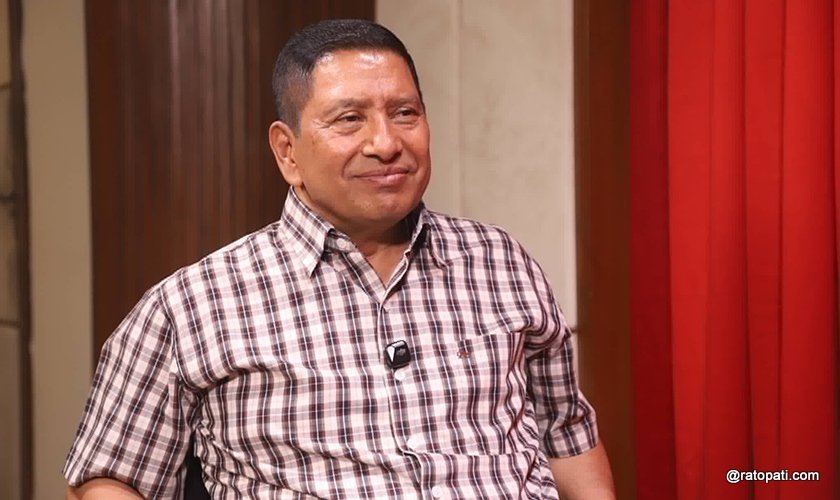
Congress, which ceded the parliamentary seat to the Maoists in the 2079 election, has nominated Ajay Babu Shiwakoti this time. Shiwakoti, who is close to Gagan Thapa (who became President through a special general convention), entered active Congress politics from a journalism background.
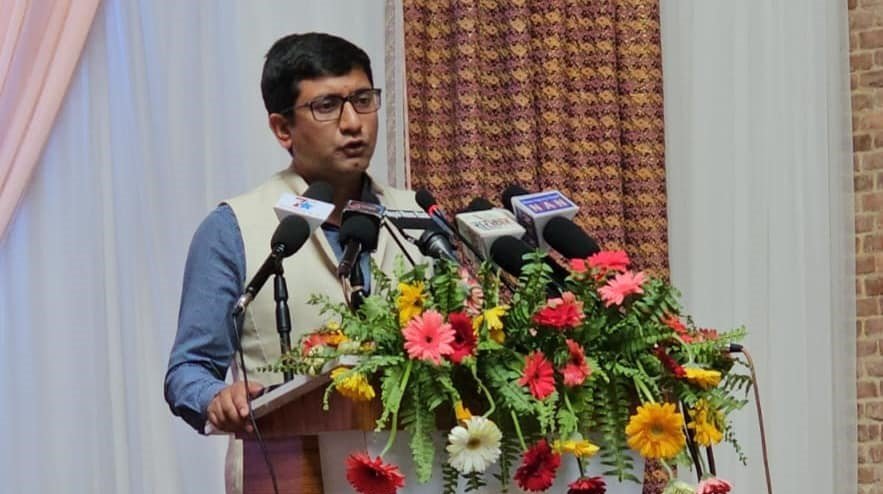
Shiwakoti succeeded in securing the ticket by suddenly sidelining Kundan Raj Kafle, who resigned from the Provincial Assembly to contest the election. Young Congress leader Shiwakoti was elected as an open central member from the 14th General Convention. He currently holds the responsibility of a Central Committee member from the special general convention. Having spent more than two decades in journalism, he has held positions ranging from Chief Editor to General Secretary of the Nepal Press Union, an organization close to Congress.
For Shiwakoti too, new parties and internal dissent within the party have become challenges. He also faces additional challenges due to his limited familiarity with the district's geography.
CPN's Vishal Striving to Preserve Legacy
_qZ5OtSg5zo.jpg)
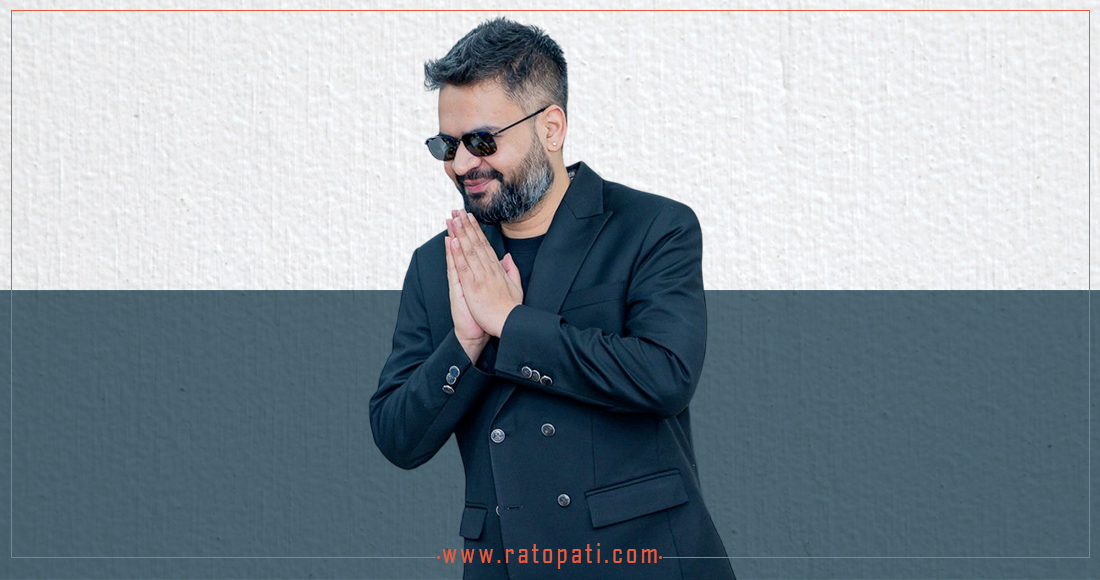
The CPN (Maoist Centre) has nominated Bishal Khadka as its candidate. Khadka, who has built an image as a popular young leader, aims to benefit from the dissatisfaction within Congress and UML, as well as the presence of RSP.
The CPN (Maoist Centre) has brought Bharat Dulal, who has a strong base in the district, from UML. It is reported that because of him, Khadka is gaining strength in the electoral competition in Dolkha.
Khadka, who won as a Provincial Assembly member in 2074, is popular in the district. He has the support of Bharat Dulal, who defected from UML, which is estimated to make it easier for him to break UML's stronghold. His main strategy appears to be attracting disgruntled votes from both Congress and UML.
Having won three rural municipalities in three local levels is considered a strong base, but the proportional vote suggests it may not be easy. While UML has over 30,000 proportional votes, the Maoists only have 11,000 proportional votes.
RSP's Jagdish Kharel Emerges as an Alternative Force
RSP has repeated its candidate from the previous 2079 election, Jagdish Kharel, in Dolkha. Kharel received 3,801 votes in the direct contest in the previous election. RSP received 5,566 votes in proportional representation in the last election.

Viewed this way, RSP appears weak in Dolkha, but it is estimated that RSP will garner a good number of votes following recent political developments. RSP aims to capitalize on the wave it has created nationwide this time in Dolkha as well. The more votes Kharel cuts, the more direct impact it will certainly have on the results of UML and Congress.
In the election, all four forces are contesting alone. With the vote share of old parties declining and the influence of RSP increasing, the mathematics of 2079 seems unlikely to match this time. 6,628 new voters have been added in Dolkha. The total voter count in Dolkha has reached 170,321.
Internal Equations and the Game of Dissent
In the Dolkha election, individual 'ego' and internal factionalism play a bigger role than the party itself. One faction remains silent regarding Parbat Gurung's candidacy in UML. Bharat Dulal leaving UML to support Bishal Khadka could be a major loss for UML.
The situation is similar in Congress. The management of Kundan Raj Kafle and the role of the cadres supporting him will be decisive for Ajay Babu Shiwakoti. If Congress cannot secure its basic 27,000 votes and gather additional votes, it will be difficult for them to win.
For the CPN (Maoist Centre), this election is also a fight for its existence. The Maoists, who won last time riding on Congress's back, will have to show their real base while contesting alone this time.
Security Challenges and Highly Sensitive Booths
Dolkha's elections have always been challenging from a security perspective. In past elections, incidents of booth capturing and clashes have been common in Dolkha. This time too, the District Security Committee has listed 52 out of 95 polling centers as highly sensitive.
The administration is preparing to deploy a special team under the command of an SSP, tightening security arrangements this time. The success of the Election Commission and the administration will depend on their ability to prevent potential rigging in the 52 centers. Only 15 centers are estimated to be in a normal state.
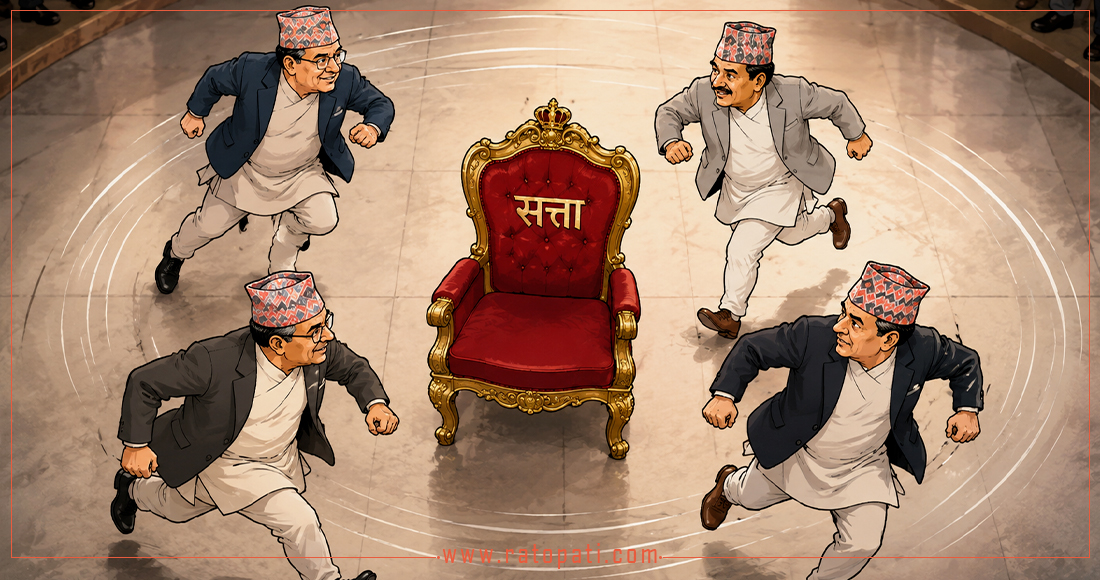
The path is not easy for any party in Dolkha this time. UML is struggling to save its stronghold, while Congress wants to break the nearly 30-year drought. The CPN (Maoist Centre) is striving to prove its strength, while RSP is trying to establish itself as an alternative.
This specific news has been automatically translated by AI. As a result, there may be some inaccuracies or language errors.