Voters in Kailali-5, a Political Hotspot, Express Disillusionment and Demand Change Ahead of By-Election

Dhangadhi. Among the 16 constituencies in Sudurpashchim Province for the upcoming House of Representatives election, Kailali Constituency No. 5 is the center of the most attention.
Out of the five constituencies in Kailali district, Kailali-5 holds a distinct political significance. This constituency comprises 19 wards of Dhangadhi, the province's only metropolitan city, and wards number 6 and 9 of Kailari Rural Municipality, totaling 21 wards.
With the filing of candidacies, contenders are reaching out to voters' doorsteps. Leaders are presenting grand dreams and agendas for development. What is the situation of the voters here when elections approach? What kind of candidates are the citizens here seeking this time? To find answers to these questions, we attempted to gauge the pulse of the voters by visiting the main market, sub-markets, settlements, and alleys of Dhangadhi.
Looking at past elections, the mandate in this constituency appears quite volatile and fickle. In the general election of 2079 BS, Nepali Congress candidate Dilliraj Pant was elected from here. At that time, there was a strong ruling alliance between the Congress and Maoists. In the term immediately preceding that, the 2074 BS election, Naradmunir Rana of CPN-UML had won.
In the Constituent Assembly election held in 2070 BS, Dilgharaj Bhatt of Nepali Congress was elected from this constituency, and in the first Constituent Assembly election of 2064 BS, Lekhraj Bhatt of the Maoists was elected from here. Viewed this way, no single party seems to have a firm hold in this constituency. In the past, the three major parties—Nepali Congress, CPN-UML, and CPN (Maoist Centre)—have been elected alternately from here.
The current situation is different. According to the main election officer's office in Kailali-5, initially, 16 individuals registered their candidacies for this by-election. After one withdrew their candidacy, 15 candidates are now in the competition.
The major parties are vigorously striving to save their prestige. Candidates include Naranarayan Shah 'Manu' from Nepali Congress, Yagyaraj Dhungana from CPN-UML, Prem Ale from the Communist Party of Nepal, Anand Chand from Rastriya Swatantra Party (RSP), Roshan Shahi from Rastriya Prajatantra Party (RPP), and Babarjung Singh from CPN (Maoist Centre). Independent candidate Pyarelal Rana and candidates from other smaller parties are also in the electoral field.
During on-site reporting in various places under Kailali-5, voters we met expressed concern about the country's situation and seemed determined to make the upcoming election a basis for change. Those residing temporarily in Dhangadhi, or those away for study or employment, stated their plan to return to their villages to vote this time and contribute to change.
Is this momentary impulse or an explosion of years of frustration? Do the voters of Dhangadhi truly desire change? To understand this, we had lengthy conversations with some representative individuals.
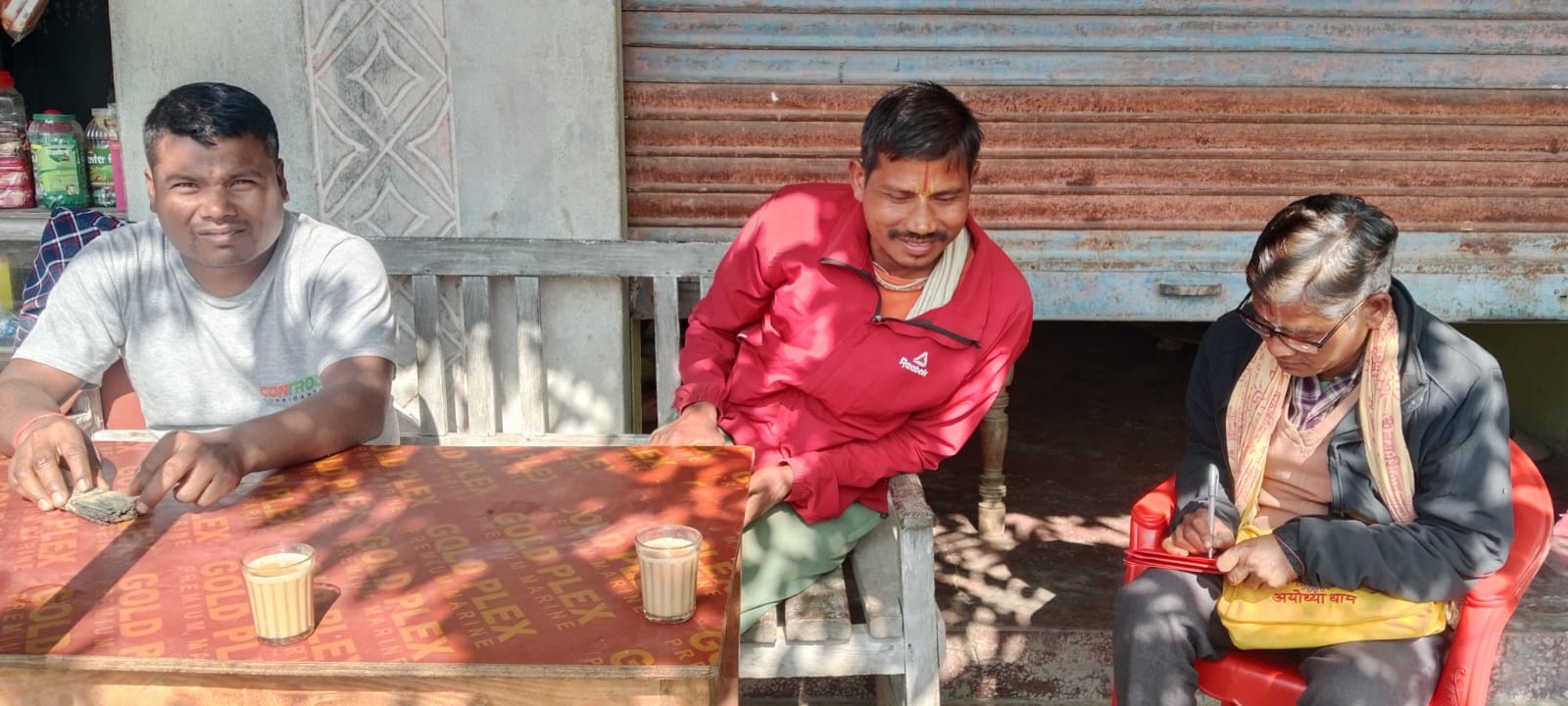
On Wednesday, at a tea stall in Ranamarg Tole, Ward No. 3 of Dhangadhi Sub-Metropolitan City, a few villagers were chatting. Among those engaged in discussion was 37-year-old Karam Singh Rana. Karam Singh, busy discussing with his neighbors, showed more worry than enthusiasm on his face. Karam Singh is an ordinary citizen. Sometimes he does painting work, sometimes he engages in farming. Currently, he makes a living driving a tractor.
"I don't have much land; if I get land on lease, I will farm," he said. "I am driving the vehicle of life by doing whatever work I can find in my own place."
The full responsibility of his four-member family, including his wife and two children, rests on his shoulders. Karam Singh, who studied only up to Grade 4, has a big dream—that his children study a lot. "We suffered and became like mere thumb-imprints, but may the future of our children not be dark," he said.
To fulfill this dream, he has enrolled his children in boarding schools with money earned day and night through his sweat and blood. He does not have much faith in the education provided by community schools. "I sent them to boarding school by cutting corners, hoping they will study well and become important people," he said.
Karam Singh has voted multiple times as part of democratic practice. He mentioned that some of those he voted for won and some lost. His plan for the upcoming election is to vote only after careful consideration.
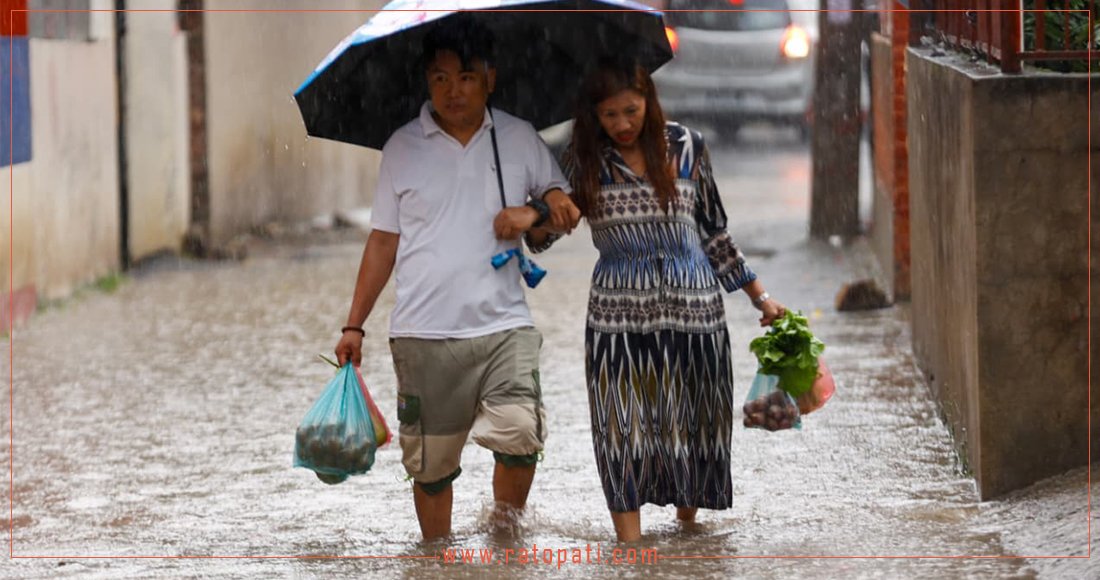
"We sent them to power twice by electing them in previous elections, but those candidates never returned to look back at our settlement," he said. "Our settlement gets flooded. Every monsoon, water enters our houses, and we have to stay awake all night. The roads are not built. Development is zero in our locality."
In his settlement, where about 90 families of the Rana Tharu community reside, there is not even a drinking water tap. "It's not possible to install a tap. Everyone has to drink water from the hand pump (hand well), which carries the risk of arsenic. But what to do? Should I spend the money I earn as a laborer on household expenses or pay the expensive fees to get a tap connection?" he asked.
Karam Singh and his neighbors are also unhappy with the local government. His complaint is that the Sub-Metropolitan City has burdened them with more 'taxes' than services. Taxes for garbage management, property tax, house rent tax—taxes everywhere.
"The other day, I was in a terrible situation," Karam Singh recounted. "I had laid half the foundation to build a temporary house. I didn't know that one needs permission even to lay the foundation for one's own house. I made a mistake unknowingly. The Sub-Metropolitan City fined me heavily for building without permission. I had to pay a fine of about 21 thousand rupees. Such a heavy penalty for us poor people who don't know the rules and laws?"
21 thousand rupees is months of earnings for a laborer like Karam Singh. "There is no employment. We don't get much facility from the government. Instead, my heart is heavy from having to pay a fine," he said.
He mentioned another problem. A woman in his locality, related to him as sister-in-law, owns 6 dhur of land. Karam Singh complained that his sister-in-law is not allowed to build a house on that land according to her needs. "The Sub-Metropolitan City only grants house map permission if one has 10 dhur of land. She only has 6 dhur. Even with land, they don't allow construction. Where will the poor find additional land?" he questioned.
Karam Singh stated that due to such problems and irregularities, he and his community are in favor of change this time. "In our community, there is a discussion among us about whom to vote for. We all consult and then collectively support whomever we decide to vote for. Discussions are ongoing now too," he said.
Karam Singh is also a victim of a cooperative scam. "More than two lakh rupees of mine are stuck in Shivashikhar Cooperative," he said. "I haven't been able to get it back yet, even after trying. Many people in my neighborhood have lost money like me. Laborers who deposit their hard-earned money from daily wages in Sudurpashchim have had their sweat consumed by the cooperative operators. If anyone guarantees the return of that money, or if the RSP takes initiative, then my vote is definitely for them."
The Shivashikhar Cooperative incident has become a major wound for many lower-class families in Sudurpashchim. Karam Singh's statement indicates that this issue will have a significant impact on this election. "We were already inclined to vote for someone new, and if this condition is met, 100% of our votes will go to them," he said.
43-year-old Ramnaresh Rana, sitting next to Karam Singh, agreed with his statements. He is also a tractor driver by profession. "Leaders always give hope to the people. They show temptation. We vote, we elect them, but later we are betrayed," Ramnaresh said. "Everyone says they will do good things when asking for votes. They touch our feet, but once they get elected and go up, they never return."
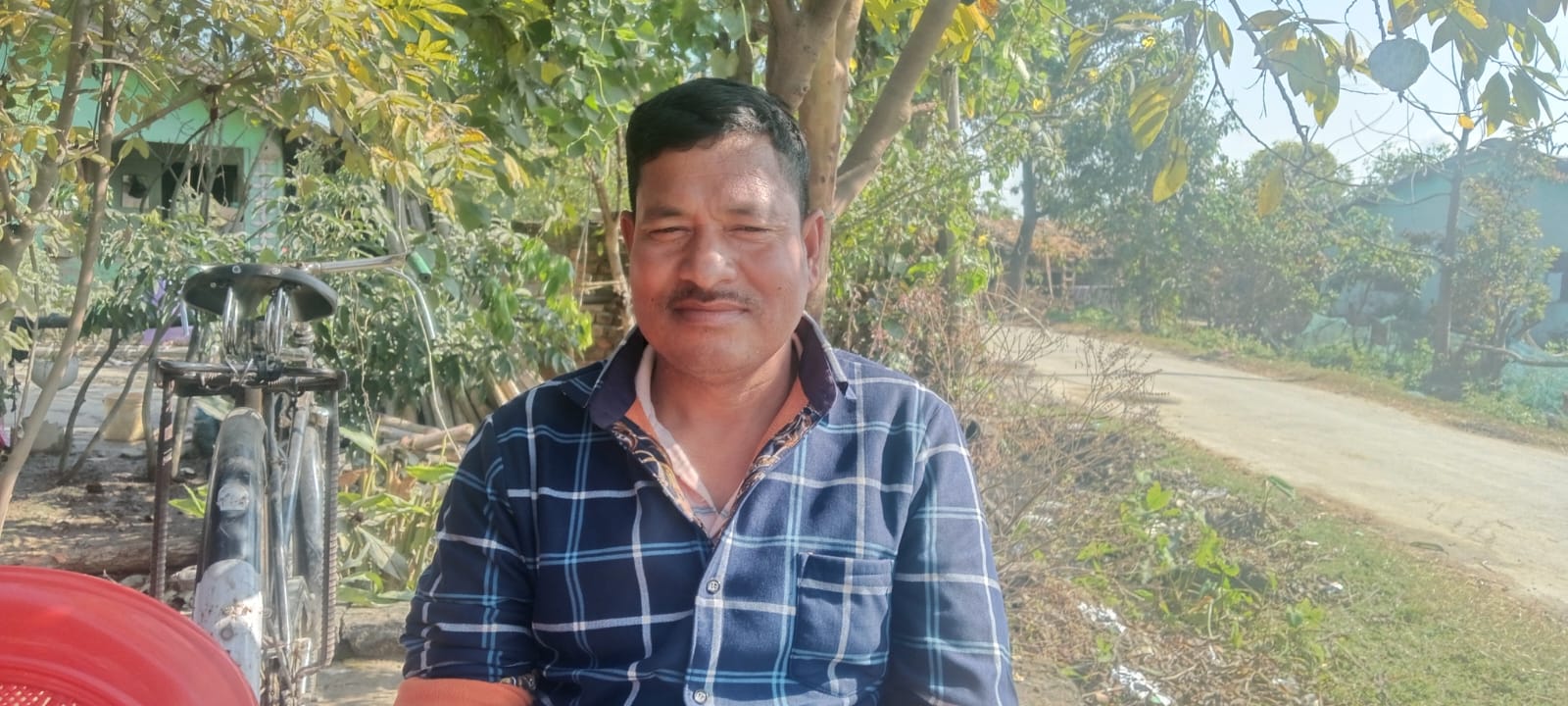
45-year-old Haridatta Rana of Dhangadhi-3 is in no mood to vote under anyone's pressure or someone else's advice this time. "I always followed the crowd; this time I will vote with my own mind and my own conscience," he said. His inclination also seems to be in favor of change.
Another local, 55-year-old Anglal Chaudhary, appeared more focused on spiritual contemplation than the election. Distributing cards for his son's wedding, he said, "I am currently in the refuge of God. I am engaged in worship. I don't have much enthusiasm for the election." Nevertheless, he intends to vote, remembering his civic duty.
60-year-old Ramsingh Rana has voted for the same party four times in his life. He voted like a loyal cadre. This time, he is in the mood to change his long-held allegiance. "I voted for my party of faith without looking at anything else for four times, but nothing happened. This time my vote will go to someone new," he said.
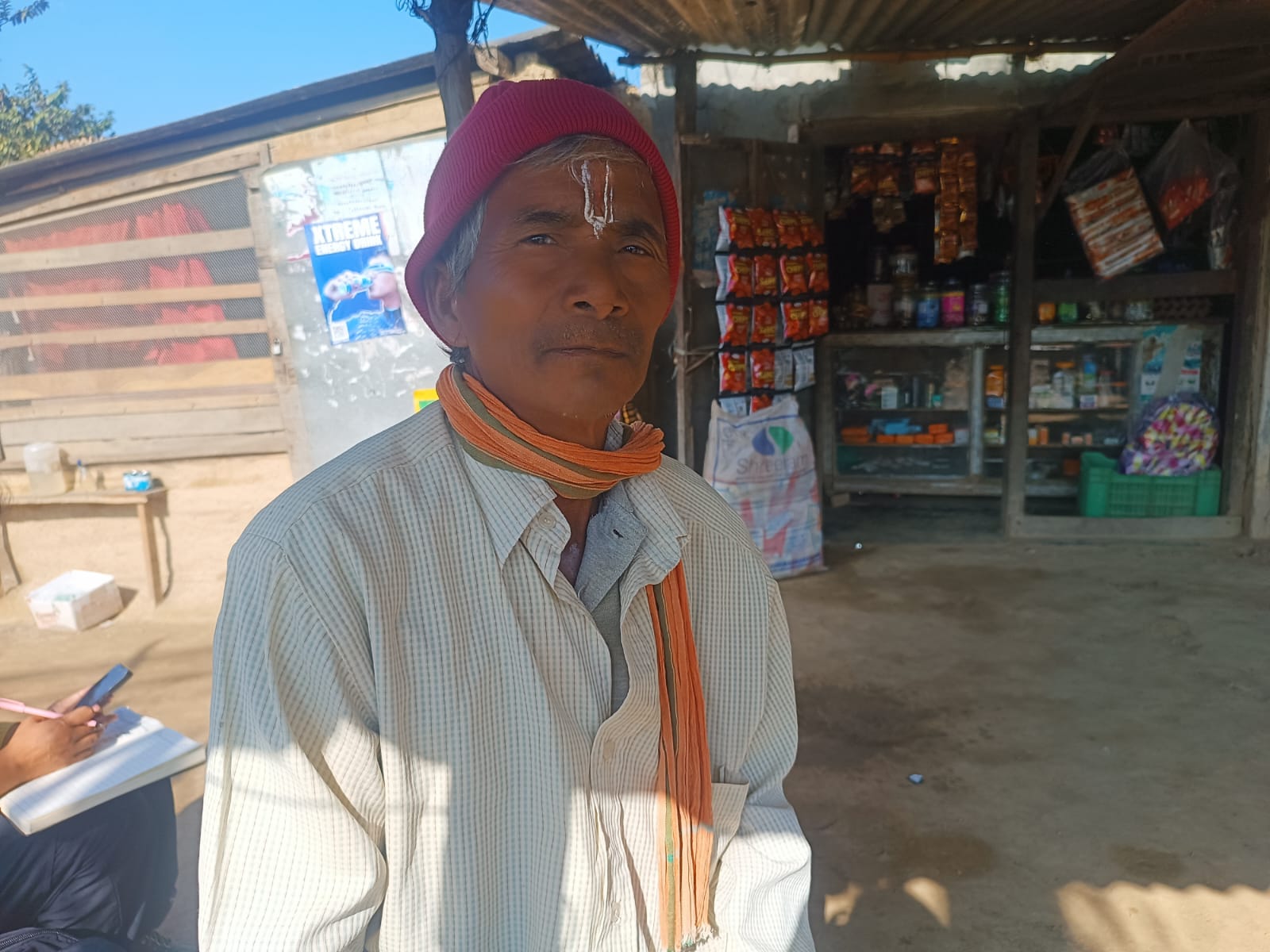
Ran Bahadur Rana of Shivavikas Tole, Dhangadhi-3, also complains centered around development. "The locality is old, but the road is still not built. Leaders showed old hopes but did not work. That's why we are giving a chance to someone new this time," he said.
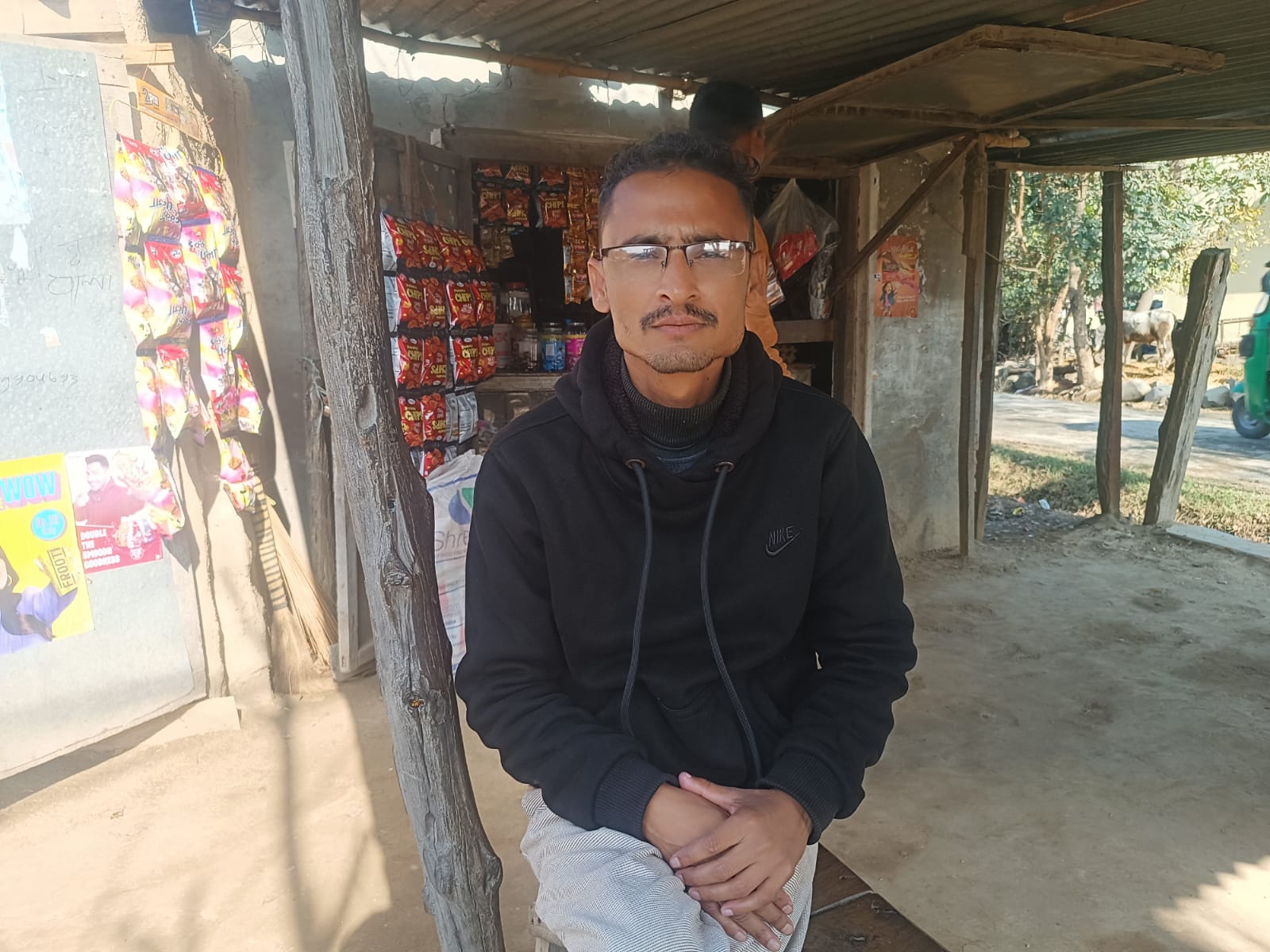
Bhageshorraj Pant, 32, from the same locality, has voted twice. This time, he says he will choose the new generation. He said, "There is a water tank near our house, but no tap. Drinking water expansion has not happened. There should be a vast difference between the situation now and before, but it remains the same. Why repeat those who have been ruling for 30 years? I see no alternative other than someone new if we want some change."
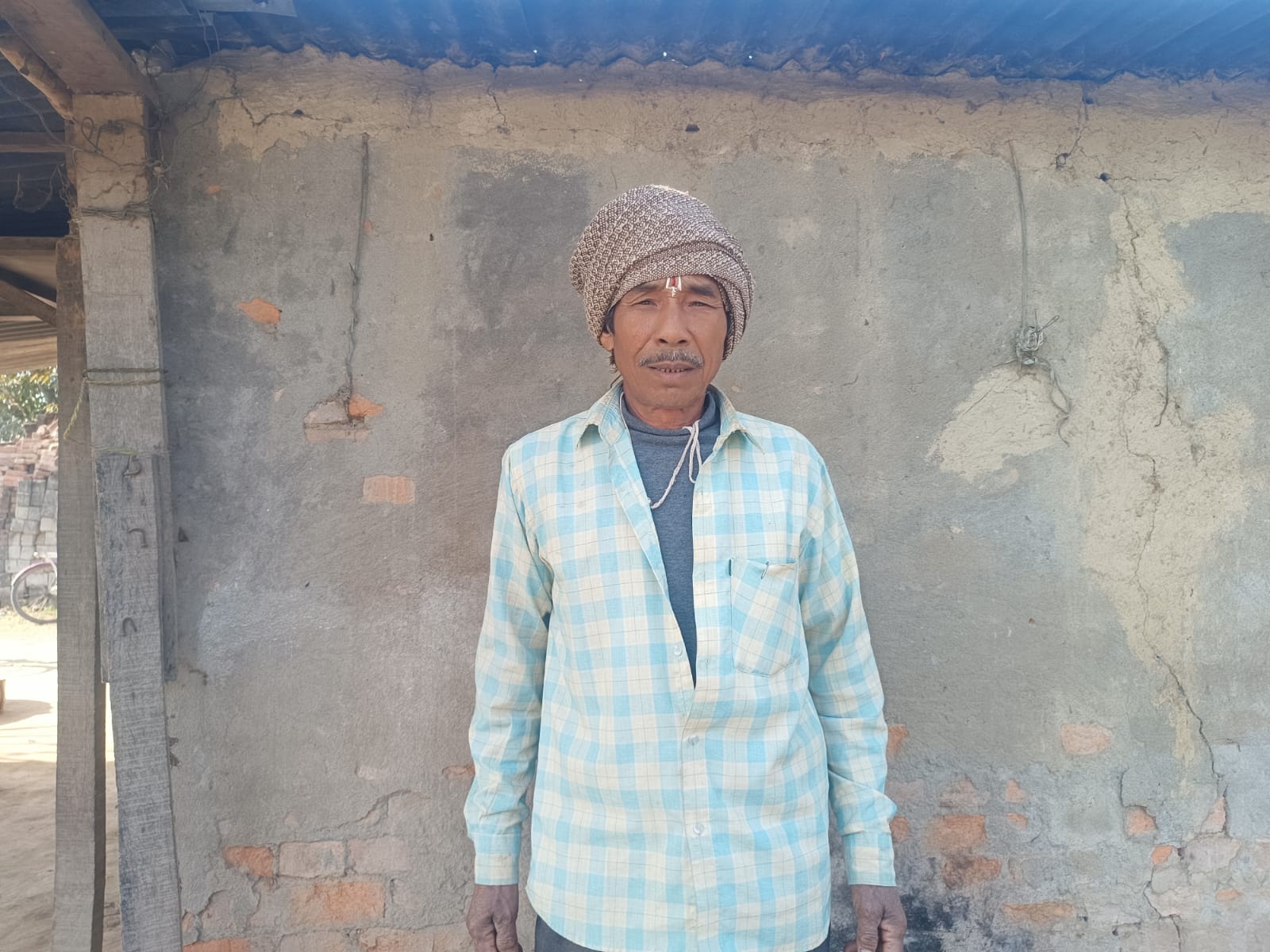
68-year-old Dulari Rana's life has been spent in deprivation and problems. She has voted many times. "Voting is our duty; working is the duty of the leader. We haven't seen anyone fulfill that duty," she said. "I have no faith that any leader will work. Now I will vote based on the person."
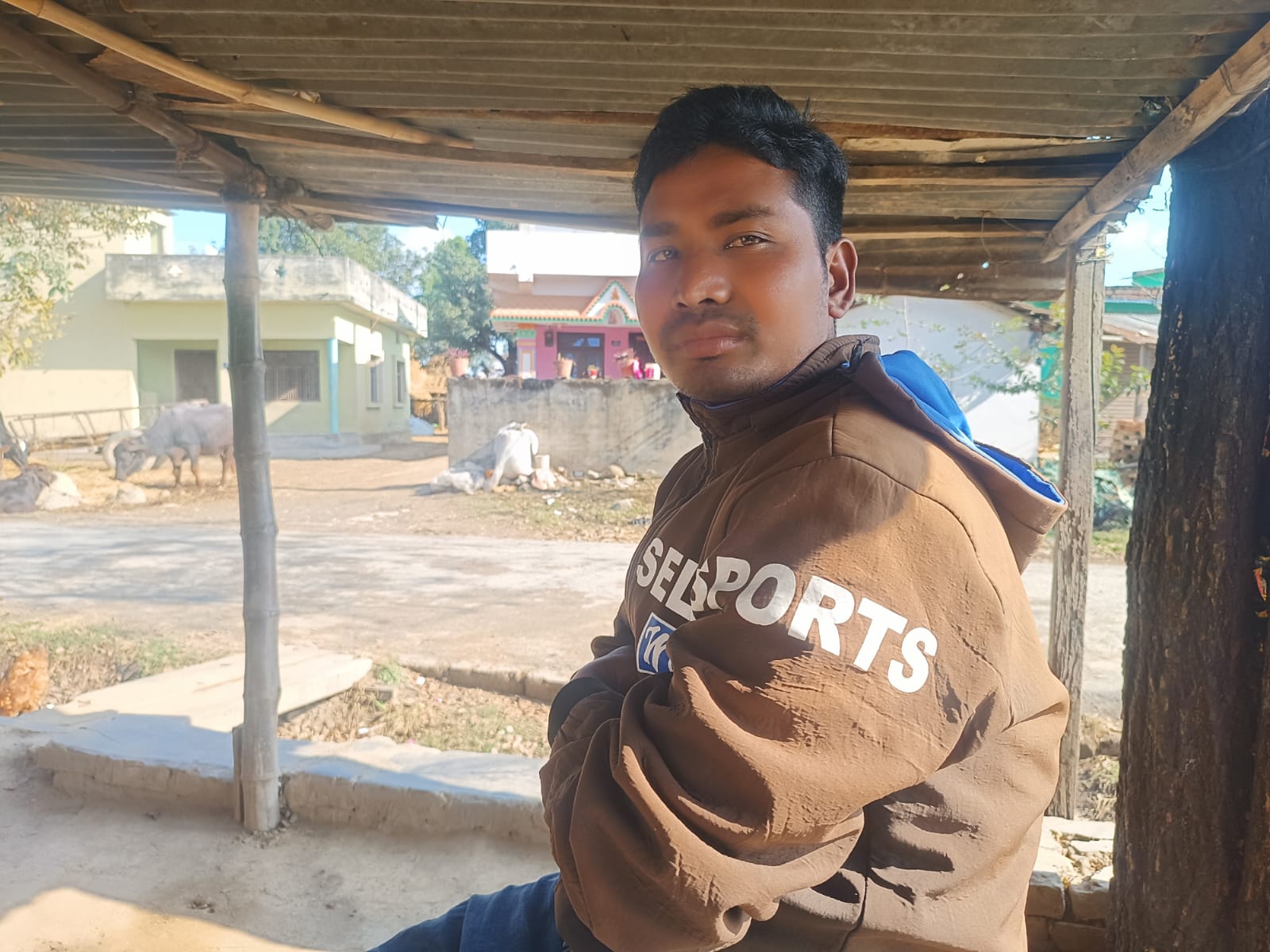
32-year-old Kishan Rana is young. He has never seen any leader genuinely work. Therefore, he is preparing to vote for a young candidate.
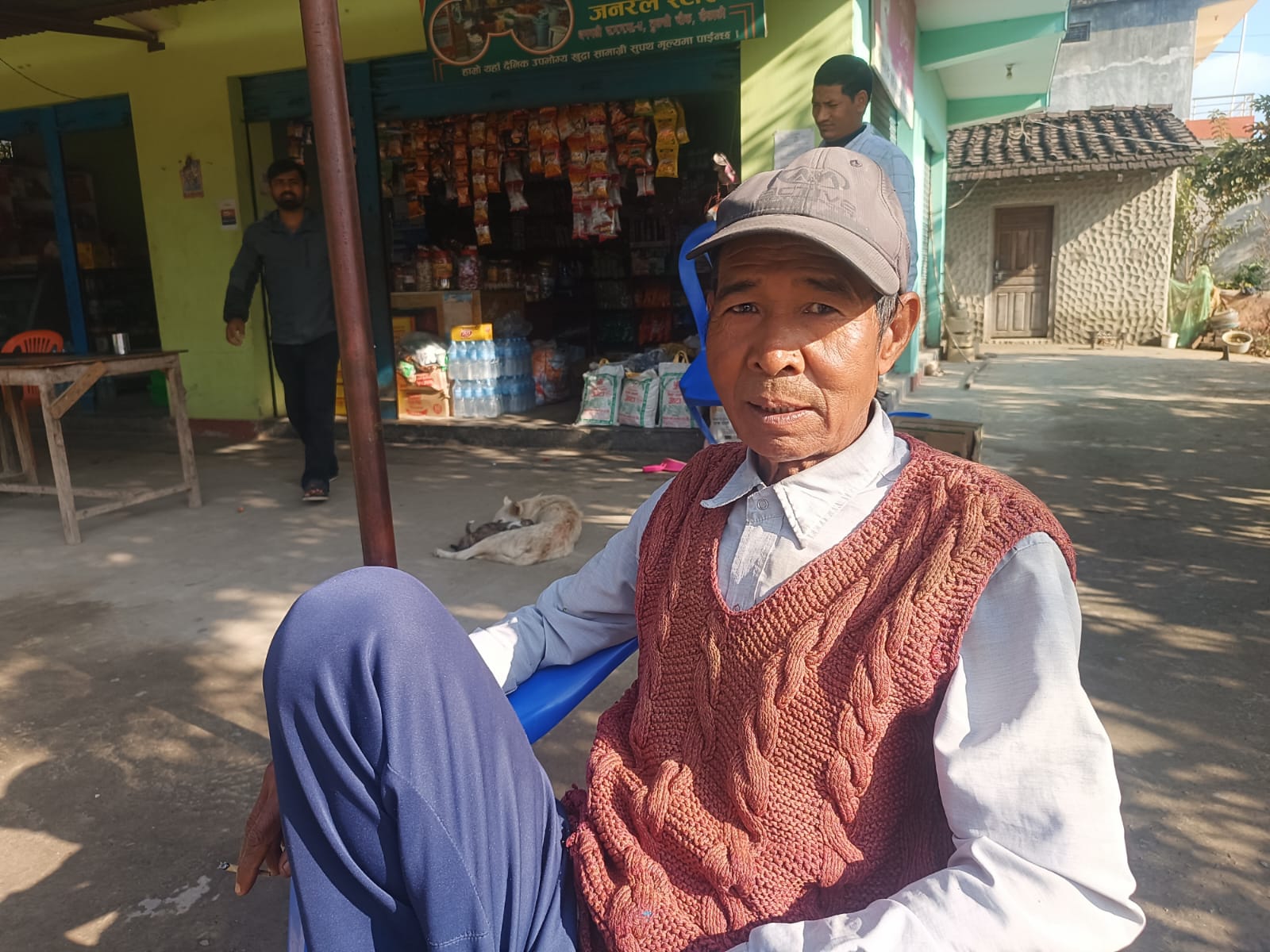
70-year-old Chhotelal Chaudhary of Ward No. 4, Dhangadhi Sub-Metropolitan City, quit driving buses 10 years ago. In the latter part of his life, he has witnessed many elections and voted. He voted alternately for Congress and UML, but the achievement is zero.
"When they come to the village, they say they will build everything, but they did nothing," Chhotelal complains. "I have 15 dhur of public land. In the previous election, they asked for votes saying they would provide a title deed for the public land. We voted, but we didn't get the title deed. My life is uncertain, but the problem has never been resolved." He also says he will stand in favor of change this time.
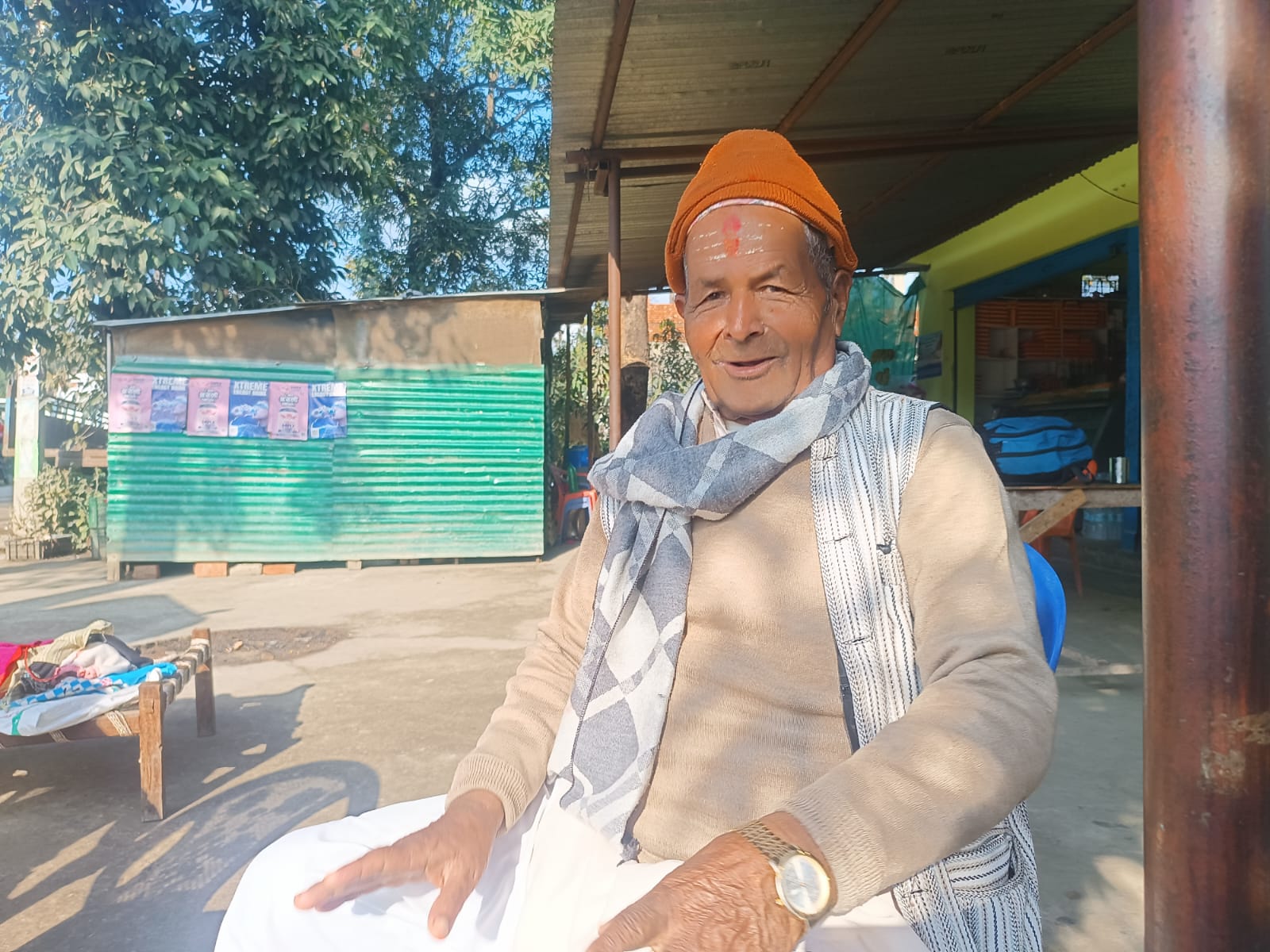
Not all voters are only in favor of change. 70-year-old Ramdatta Joshi remains steadfast in his old allegiance. Having been involved in Congress politics since 2032 BS, he said, "I carried the flag of Congress for many years of my life. I will not change my vote now as I near death."
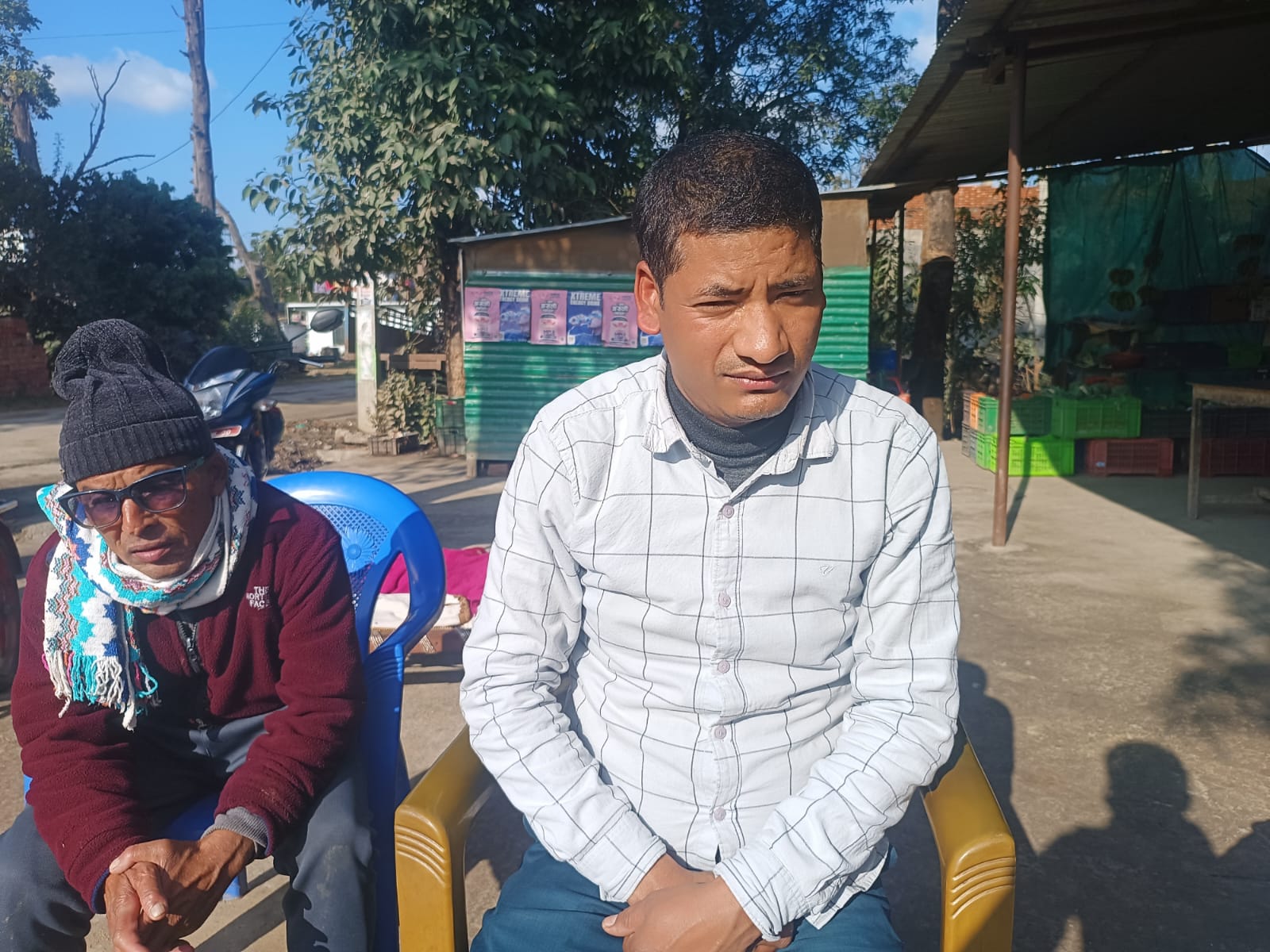
34-year-old Birendra Dhami, who runs a shop in Dhangadhi-4, has a completely modern view. "How long can we keep giving to the old ones repeatedly? This time, we will give it to the new ones," he said.
Kailali-5 is considered a stronghold of the Congress. "Not all citizens think like us; RSP faces a challenge here, but we want change," he said.
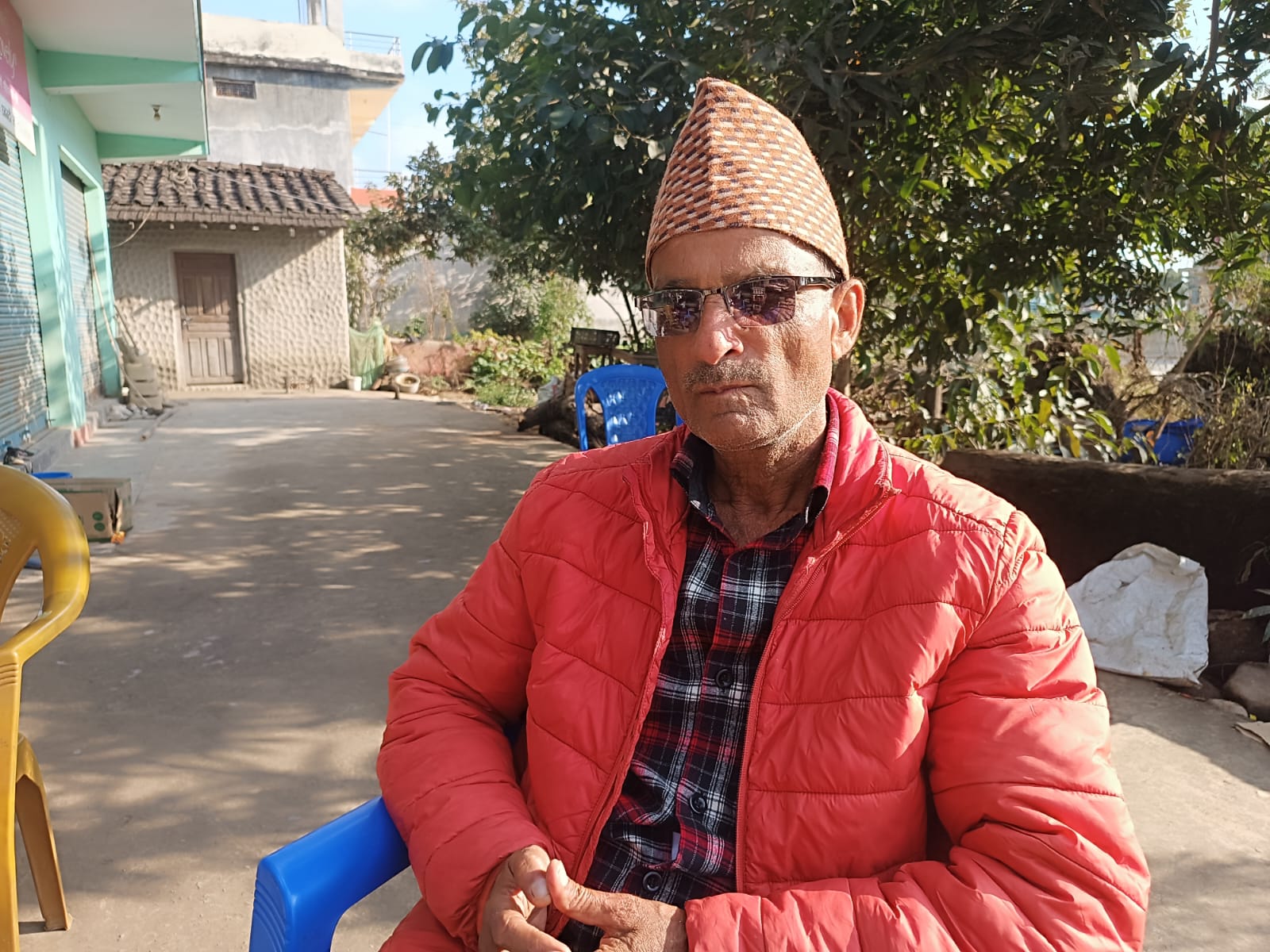
55-year-old Prakash Upreti also claims his vote this time will be 'for change'. Meanwhile, 47-year-old Madhav Joshi emphasizes that while the public has hope in the new candidates, the new ones must also operate within rules and systems. "The new ones should first win the election, become MPs, become ministers, and then become Prime Minister. It's not about saying 'I will do it by becoming PM directly'; they should show results starting from the grassroots level," he said.
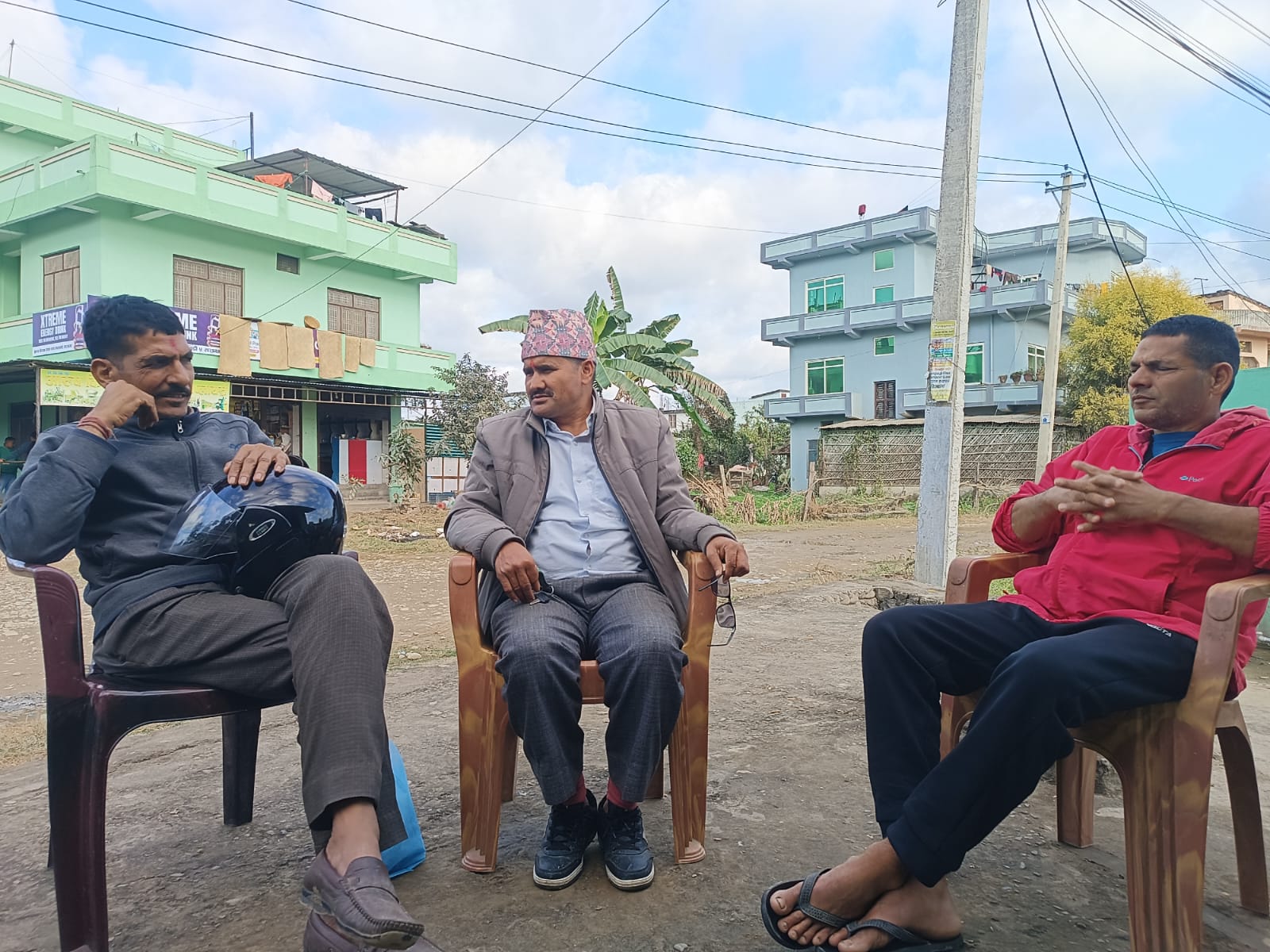
Madhav is currently somewhat undecided on whom to vote for, but his inclination is towards intellectual candidates who are committed to action. "Sher Bahadur Deuba won the election from Sudurpashchim repeatedly and became Prime Minister, but he did nothing. He couldn't even provide water to one tap. That's why the public has lost hope in them," he clarified.
52-year-old Yagyaraj Bhatta is saddened that despite being a resident of a developed district in Sudurpashchim, and moreover, a metropolitan city, he lacks basic necessities. He detailed the problems here one by one, which, upon hearing, make it seem like Dhangadhi is not a metropolitan city but a village.
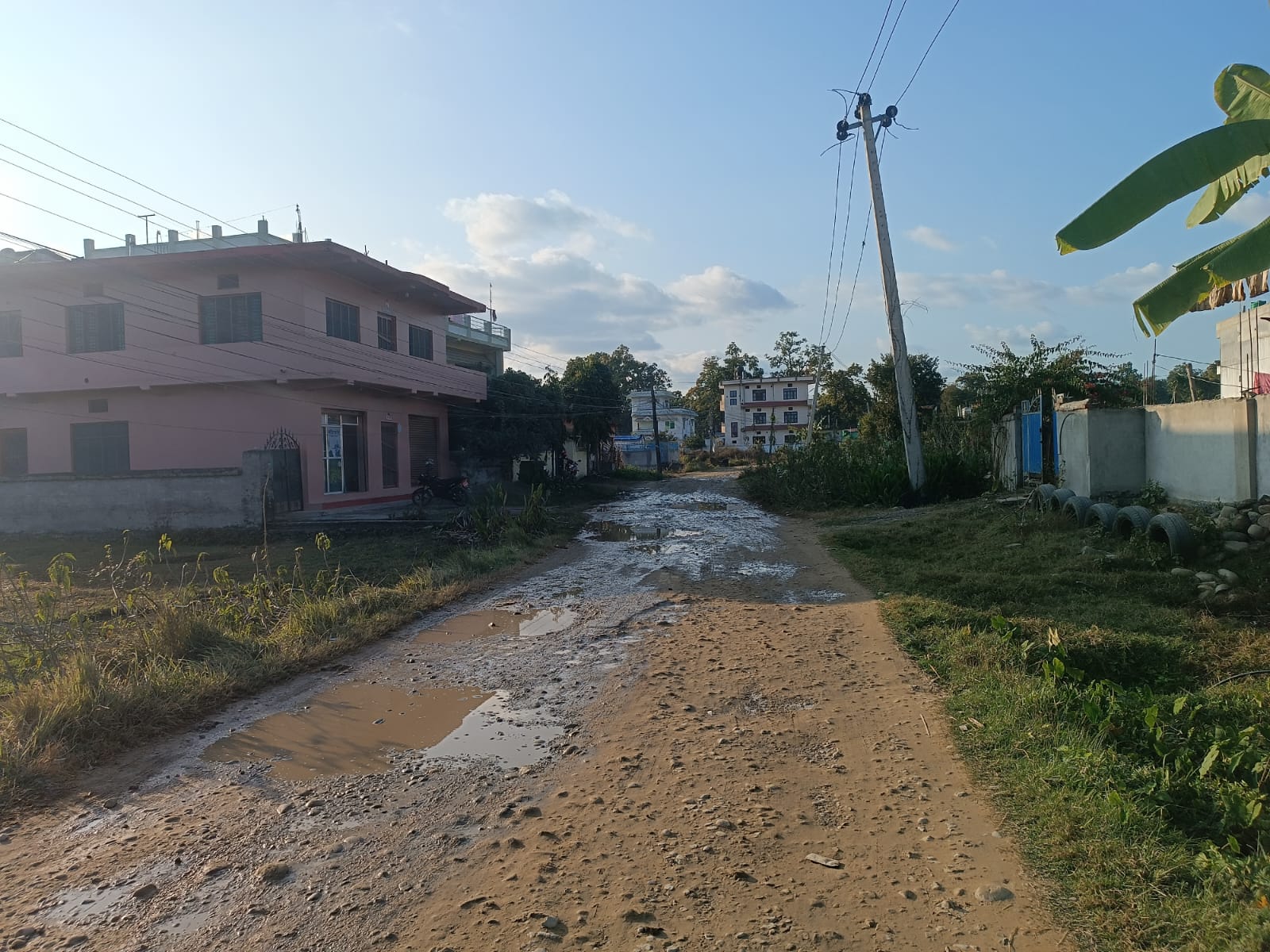
"There is a pile of problems here," Yagyaraj said. "Roads are not built. All localities and settlements are dusty. There is no drinking water. There is land, but no title deed. The state of education has not improved; community schools are dilapidated. It is difficult to find a doctor even for a common fever in government hospitals."
According to him, the people of Kailari Rural Municipality are in even more trouble. He listed problems in Dhangadhi such as flooding, stray animals, administrative hassles, farmers not getting market prices for their vegetables, and unemployment—problems everywhere. "There is no price for the paddy and wheat that farmers toil to grow. There are no industries or factories. The market runs only on goods from outside," he said.
"Dhangadhi Sub-Metropolitan City has done some work that is slightly different from others, but what policy has it made that will have a long-term impact?" he asked. "That is the important issue."
He stated that due to the lack of soil-appropriate policies despite having potential, the youth are unemployed. "There is still a faint hope that voting for someone new might bring some improvement," he said.
We spoke with some women sitting in front of a shop in Jai Tole, Ward No. 6, Dhangadhi Sub-Metropolitan City. Their suffering seemed deeper than that of the men.
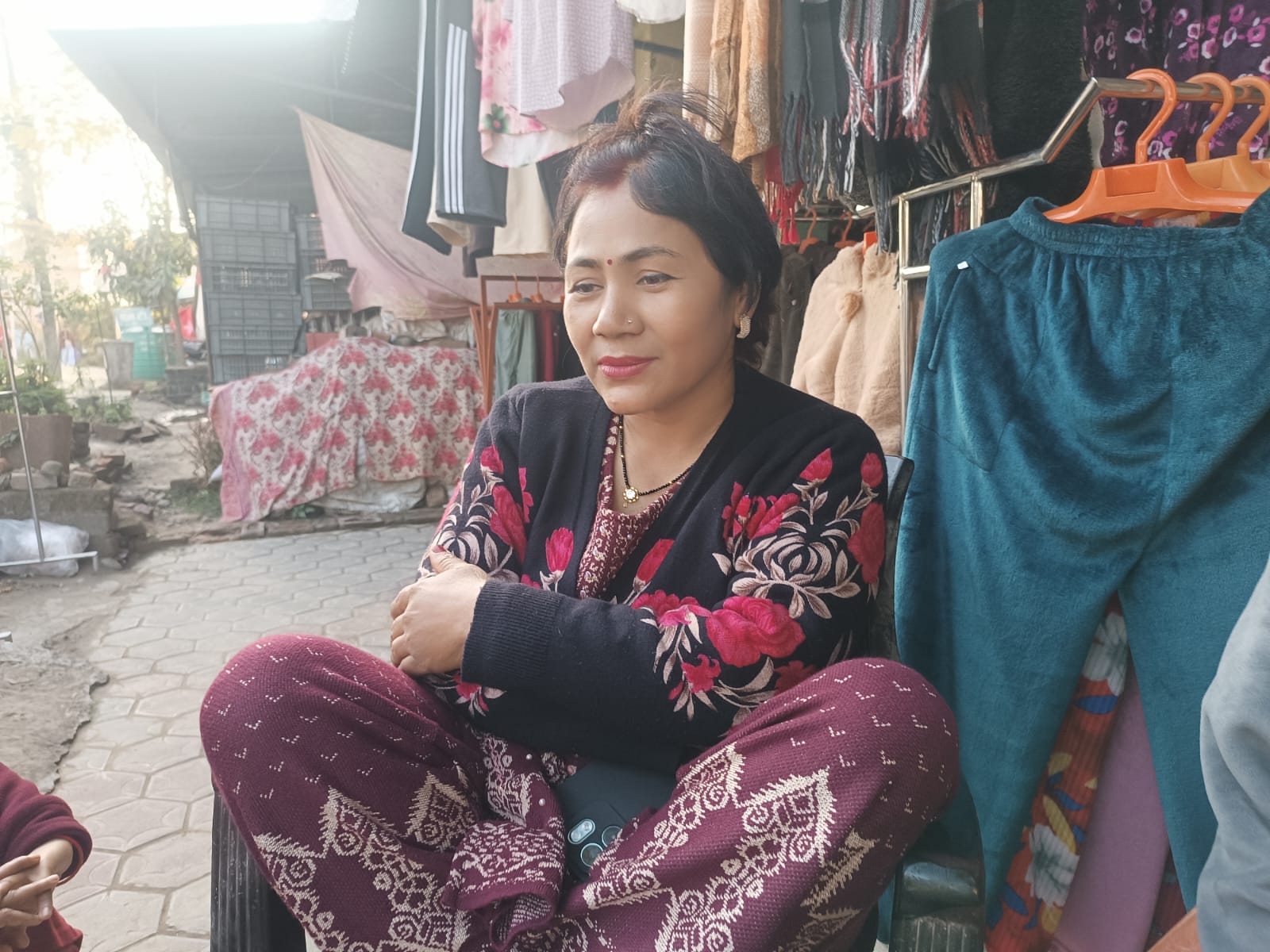
38-year-old Chandra Bohara, who runs the shop, has voted twice so far. Both times she cast her vote for different parties. But her experience is that those who won did not work much. "Our own problems persist and are never solved. Moreover, the problem of flooding always troubles us," she said.
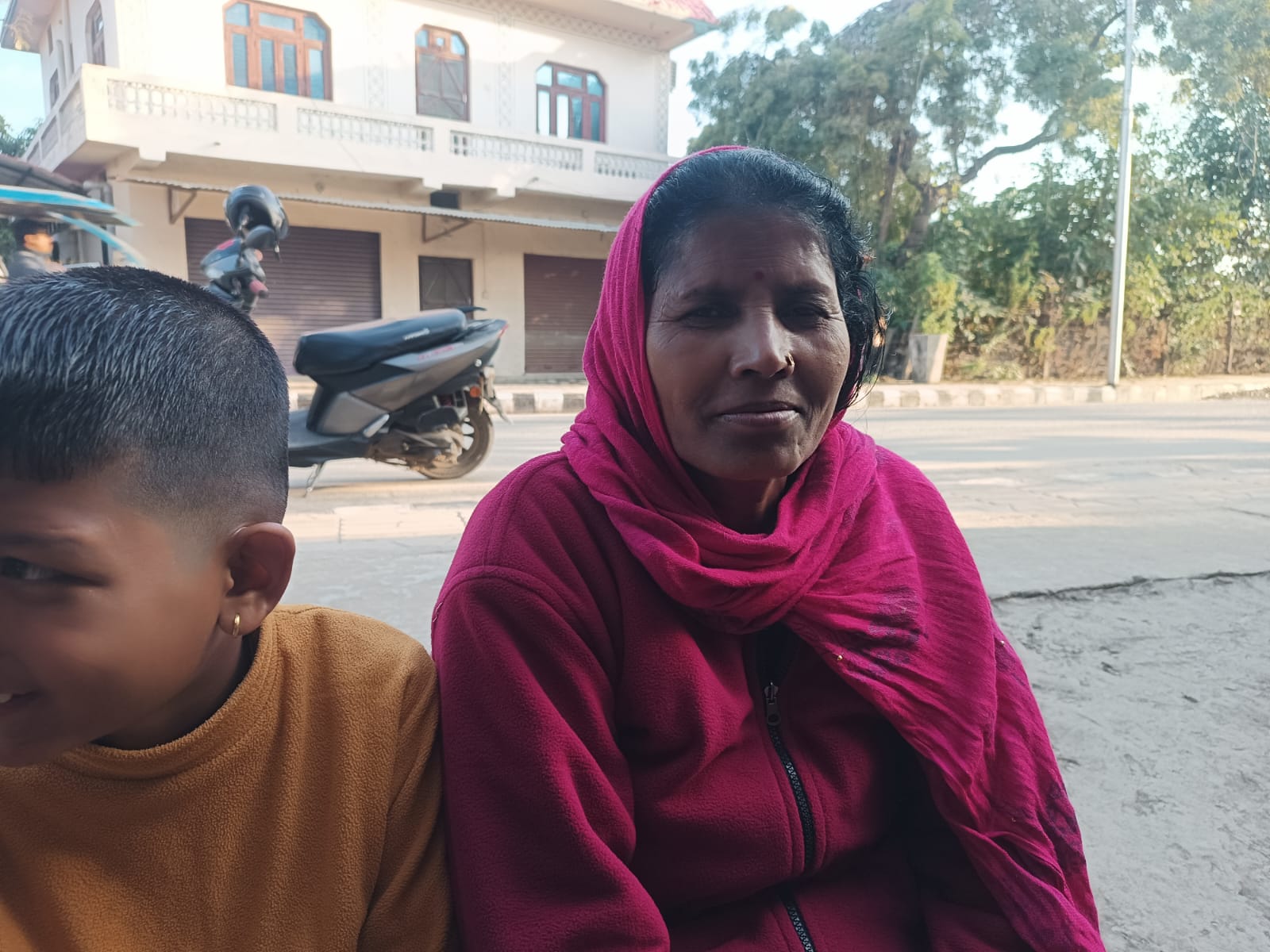
Kausila BK, who migrated to Dhangadhi from Doty, has an even deeper pain. "We are like squatters, living on rent. We have no land," she said. "The government should arrange for us. We will vote for whoever arranges for us."
33-year-old Ashu Tamrakar agrees with Kausila's view. This time, she wants to elect a young person. "I feel that youth should be given a chance. There is always a concern whether the youth will be able to do it or not," she said.
She is concerned that educated people do not have the means to earn a living while staying in their own villages. She said, "There are problems everywhere. There is nothing in the village, and it is hard to live in the city. If there were industries, we might find work. It is even more difficult for us who do not have land. If there were employment, many problems would gradually disappear."
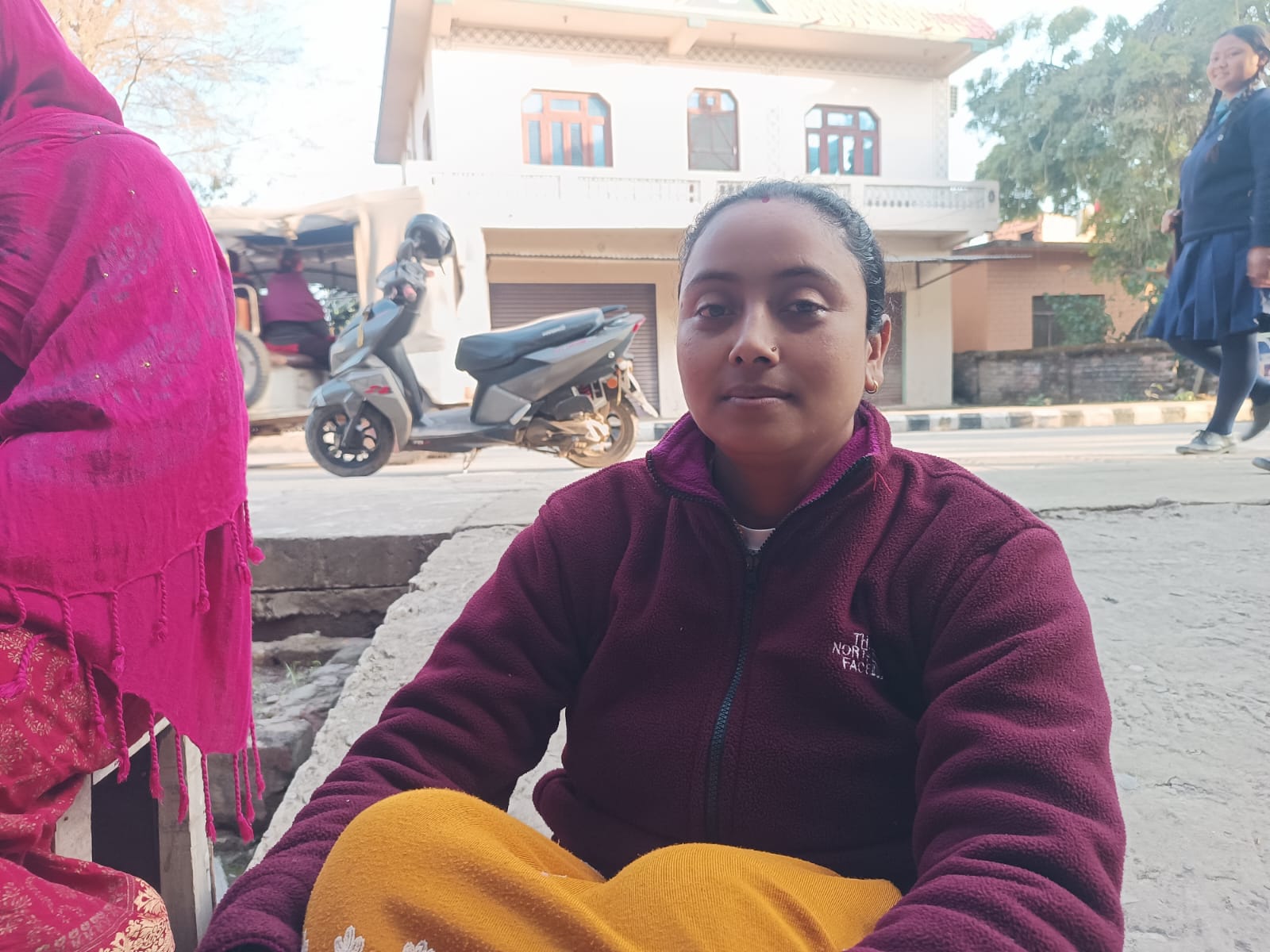
The tendency of leaders who garland people when asking for votes but fail to recognize them after winning has frustrated her. "The poor remain poor, and the rich become richer and richer," she recounted.
Some voters do not even recognize the candidates. 72-year-old Ghanshyam Chaudhary of Ward No. 3, Dhangadhi Sub-Metropolitan City, does not even know who the candidates are in his constituency this time. He is also unaware of the new parties.
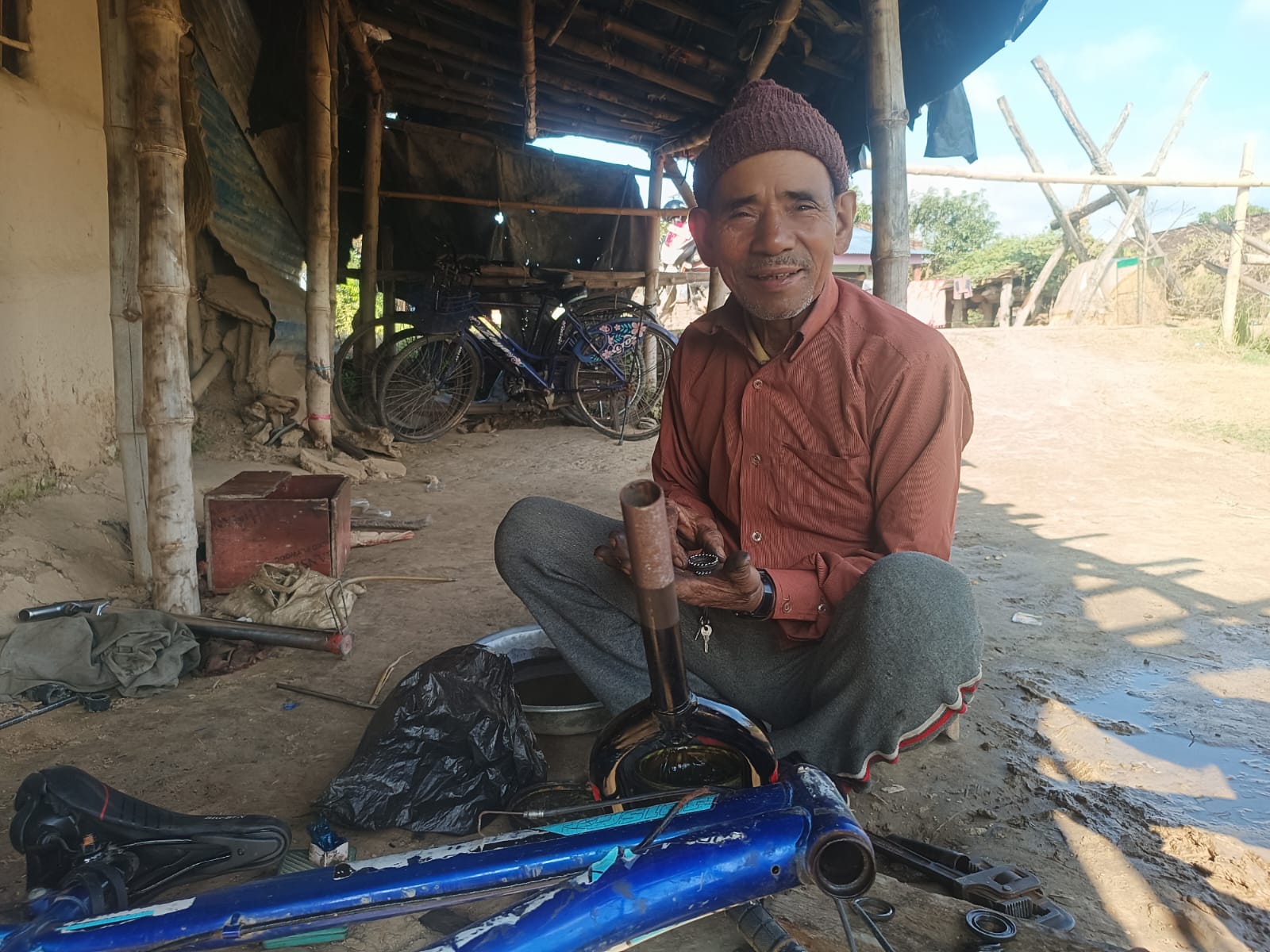
"I don't know anything. I will recognize the leaders when they come to ask for votes; otherwise, I don't know anyone, nor do I know which candidate belongs to which party," he said.
He works repairing bicycles. He spent half his life as a Kamaiya (bonded laborer). After that, he spent his time farming. "Our lives passed like this; I wanted to study but couldn't. Now, whatever the government does, what difference will it make for us?" he said. "Still, I will vote for whoever is good."
64-year-old Lal Bahadur Bohara of Jai Tole, Dhangadhi-5, is a living history who has witnessed politics closely since 2036 BS. For nearly a decade and a half after the change of 2046 BS, he voted for the same party. After the Jana Andolan (People's Movement) of 2062/063 BS, a major change occurred in the country. He voted for a main force that became the vehicle of that change. However, his experience is that even a small fraction of the expectations he had from the parties and leaders was not met.
Nevertheless, Lal Bahadur shared that he has not lost hope. He said, "I want an end to all these anomalies and irregularities. Therefore, I will stand in favor of change again."
The experience of 57-year-old Yagyaraj Joshi is similar. He is fed up with the bureaucracy and the working style of political parties. "Taxes keep increasing, but that money only feeds the cadres of the leaders," he said angrily. "The Provincial Government has done no work. Employees do not work without taking bribes. Development is not sustainable either. Health insurance was discussed, but now there is a problem due to a lack of budget."
He is concerned that the settlements in the villages run on the support of NGOs/INGOs, while the region lags in production and the economy is weak. "Development has not reached the real classes. The economy has weakened. This time, the plan is to vote for those who will improve all these things," he said.
73-year-old Damarshankar Bhatt also chose the same party throughout his life. He also seems to be planning to change his vote this time. "There is hope that the youth might do something," he said.
In the 2079 BS election, 65,613 votes were cast here. Nepali Congress's Dilliraj Pant won by securing 21,392 votes. Wards considered strongholds of the Congress are also here. Basudev Bik of Dhangadhi-8 suggests that if the citizens of all 21 wards vote with the same resolve as these voters have expressed, the result could be anything.
Those residing temporarily in Dhangadhi are preparing to return to their villages to vote. They also state that this time they will rise above their traditional perspectives and thinking.
This specific news has been automatically translated by AI. As a result, there may be some inaccuracies or language errors.