Gorkha-1: New Faces and Old Guard Clash in Election Shaped by Youth-Led Anti-Corruption Movement


Pokhara. Following a nationwide protest led by youth advocating for good governance and against corruption, the country is heading into new elections. The process for filing candidacies for the House of Representatives election on Falgun 21 has concluded. Candidates across the country are busy with internal preparations, including meeting with voters.
One of the leaders of the movement that propelled these elections, Sudan Gurung, has contested from Gorkha Constituency 1. While Sudan Gurung's candidacy under the Rastriya Swatantra Party (RSP) has sent a chill down the spines of traditional parties, they are reluctant to consider him a serious competitor.
Historically, this constituency has been a traditional stronghold for the Nepali Congress and the Communists. However, the new political wave generated by the 'Jenji Movement' on Bhadra 23 and 24 has made the 'ground battle' in Gorkha uncertain and interesting. Before the establishment of the Republic, the Nepali Congress consistently swept the elections in Gorkha Constituency No. 1. The Congress leader Chiranjibi Wagle won all three elections held after the Panchayat era. The Congress's winning streak was broken in the Constituent Assembly election held in 2064 BS, when Parbati Thapa of the then CPN-Maoist was elected with a massive number of votes.
In 2070 BS, Dr. Baburam Bhattarai chose this constituency and won, although the Maoist vote share slightly declined. The Maoists, who secured around 41,000 votes in 2064 BS, shrunk to nearly half, around 22,000 votes, by 2070 BS. In 2074 BS, Hariraj Adhikari of CPN (Maoist Centre) emerged victorious in this constituency with the support of the Left Alliance, garnering the combined votes of the Maoists and UML. In the 2079 BS election, Congress's Rajendra Bajgai won by capitalizing on the ruling coalition's advantage.
The statistics above are merely for writing news and understanding history in this election cycle, as the current election shows little regard for past figures.
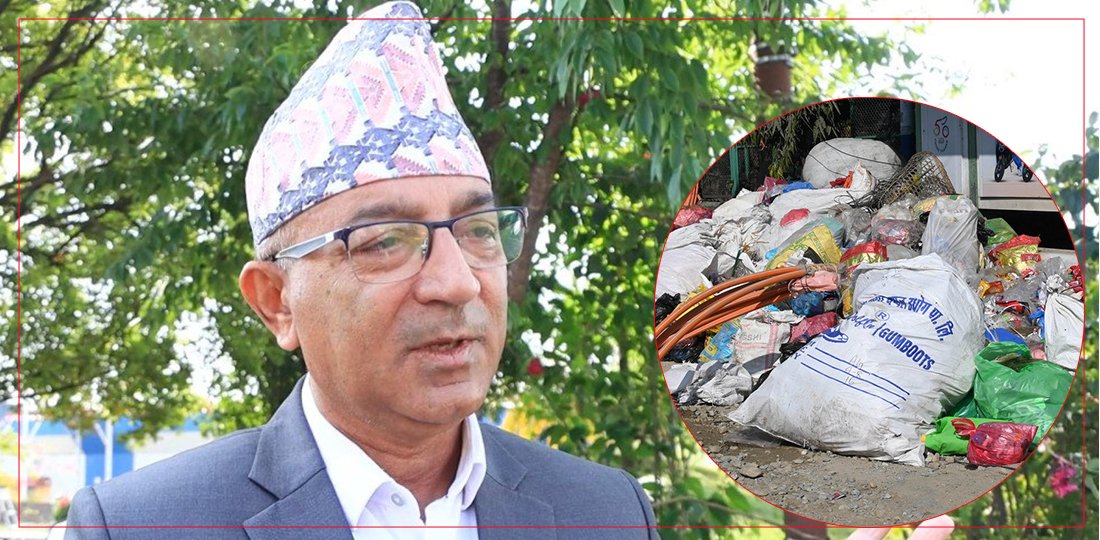
Khun Prasad Regmi, the Congress President for Gorkha Constituency No. 1 (1), stated that if the enthusiasm generated within the party ranks following the General Convention can be effectively conveyed to the public level, their victory is certain. "There is enthusiasm in the Congress. It has also become united after the General Convention," he said. "The challenge is to convey this enthusiasm to the people. We must descend to the ground level to change the narrative that old parties have done nothing."
The Congress has fielded Prem Kumar Khatri, who is untested in elections, in the race for Gorkha Constituency No. 1. Former Minister Ramsharan Basnet, who contested for the House of Representatives from the CPN-UML last time, views the current situation as fluid. "It is currently impossible to be certain where the voters will lean. The situation is extremely fluid," he said. "In terms of organization in Gorkha, the Maoists, Congress, and UML are the established forces. Now, the Rastriya Swatantra Party has also been added."
Except for Hariraj Adhikari, the candidate from the CPN (Maoist Centre), the other three candidates are new to Gorkha 1. "Since most candidates in the field, with a few exceptions, are new and young, it cannot be said right now whose favor the result will go to; the competition is going to be very interesting," Basnet commented.
He claimed that if the UML can retain the votes it secured previously, his party will win. He had secured 16,785 votes in 2079 BS, but his party only received 12,000 votes from this constituency in the Proportional Representation vote.
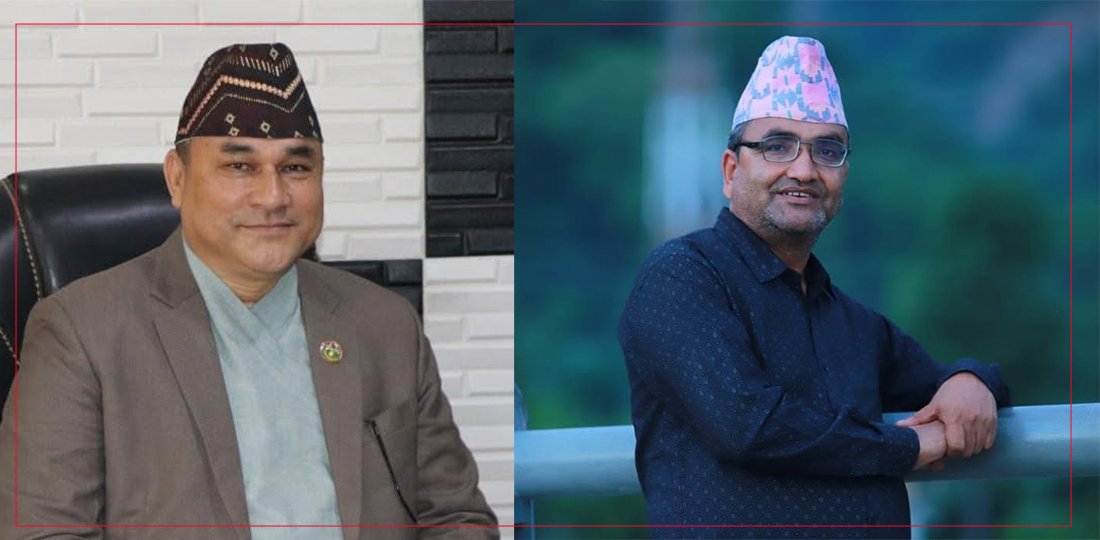
There appear to be four main competitors in the Gorkha-1 election this time. The contest between Prem Kumar Khatri of the Congress, Hariraj Adhikari of the CPN (Maoist Centre), RC Lamichhane of the UML, and Sudan Gurung of the RSP is set to be fascinating.
“Donor” Prem Faces Challenge to Preserve Legacy
Although Prem Kumar Khatri is new to electoral politics, he is well-known as a businessman and social worker. Through the organization named Sambhav Nepal, he has distributed dozens of ambulances and built houses for the impoverished. He has established educational material support and scholarship funds in more than a dozen schools. His fifteen years of continuous social service and the strong base of the Congress are on his side. He is established as a development-oriented and helpful individual. He is also a successful businessman who has provided employment to hundreds through his business.
He has been using the money earned from his business for social service. However, his main challenge is to counter the narrative that old parties have achieved nothing. He must reach every voter to establish himself as new to a society that is actively seeking new faces.
Organization Man Hari Labeled as “Old Guard”
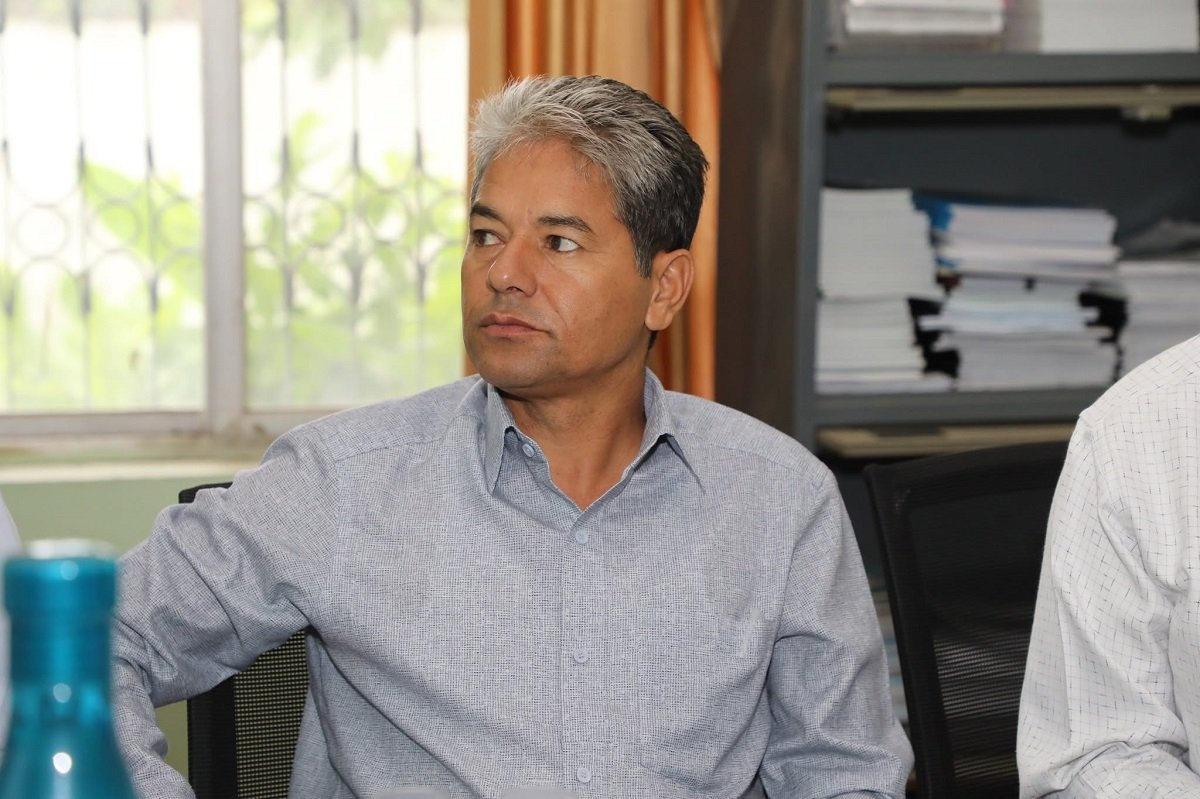
Hariraj Adhikari, who was elected as a Member of Parliament in 2074 BS, was defeated in the same constituency in 2079 BS. A commander since the Maoist People's War, he is an experienced political player. Known for his image as an honest leader, he is skilled in organization building. However, he faces the challenge of defending the Maoist base area. Being the candidate of a party with a structure and cadre base extending to the ward level gives him some advantage. His core strength lies in old and dedicated voters. But he carries the burden of past successes and failures more than others. Among the main competitors, he is the only tested leader. Aversion towards the old guard and the declining strength of his party could become an obstacle for him.
“Kingmaker” Sudan Faces “Ballot” Test
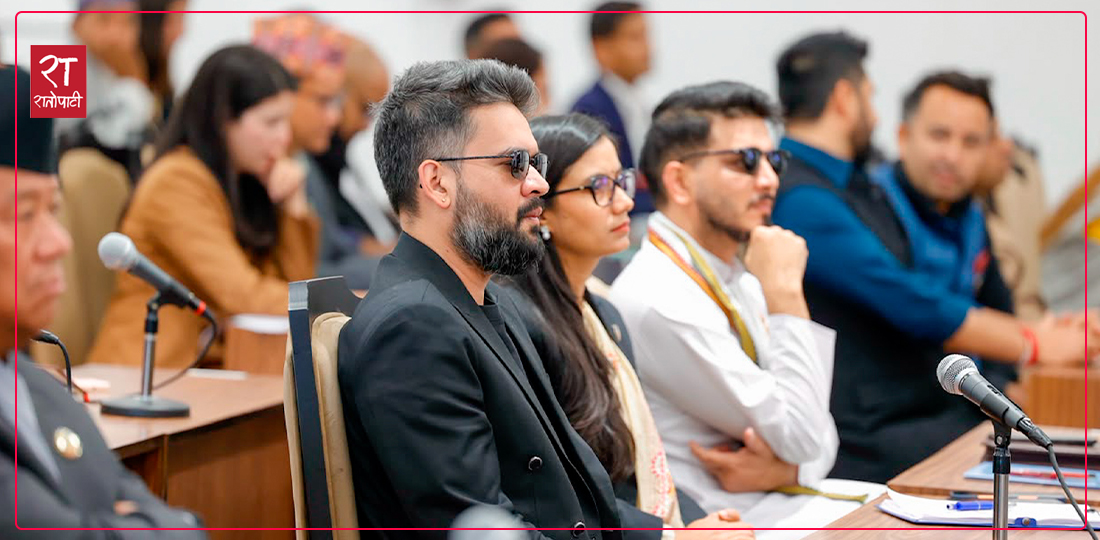
Sudan Gurung, the chairman of the organization 'Haami Nepal' (We Nepal), gained the most attention during the Jenji Movement. Initially appearing to distribute water to protestors organizationally, he suddenly became the central figure towards the end of the movement. Having gained recognition for mobilizing hundreds of volunteers during the earthquake and the COVID-19 pandemic, his identity completely changed after the Jenji Movement. Many hailed him as brave for his role in toppling the government and forming a new interim government. He enjoys strong appeal among the youth. He is untested in elections. While he has a commendable hold on social media and urban youth, his party organization is weaker compared to others. It will not be easy for him to break the traditional vote banks of the Congress and Maoists and convert virtual support into actual votes.
Student Commander RC: Candidate from an Unwon Territory
Ramchandra Lamichhane (RC) is a leader with significant influence in student politics. An advocate and a PhD scholar, he is contesting the election in Gorkha with an agenda focused on addressing issues that have previously been neglected in the district. He possesses an intellectual image and the organized vote bank of the UML. He has the ability to communicate with both younger and older generations. However, the UML has no history of winning in Gorkha-1. Except for Ramsharan Basnet being elected as a Provincial Assembly member in 2074 BS due to the leftist alliance with the Maoists, Gorkha has rarely been favorable territory for the UML. RC faces the challenge of changing history by aggressively mobilizing the organization.
While the established parties do not consider the newcomers as competitors, the newcomers are confident that the results of this election, held under unusual circumstances, will also be unusual. An interesting aspect is that most candidates in the upcoming election are competing by highlighting their social service. Their agendas range from bringing development to Dharke and Chumanubri, pushing for the opening of upper border crossings, to pressuring for the advancement of the Budhi Gandaki Hydropower Project.
This specific news has been automatically translated by AI. As a result, there may be some inaccuracies or language errors.