Solar and Battery Can Meet Demand, No Need to Chase Hydropower: NEA
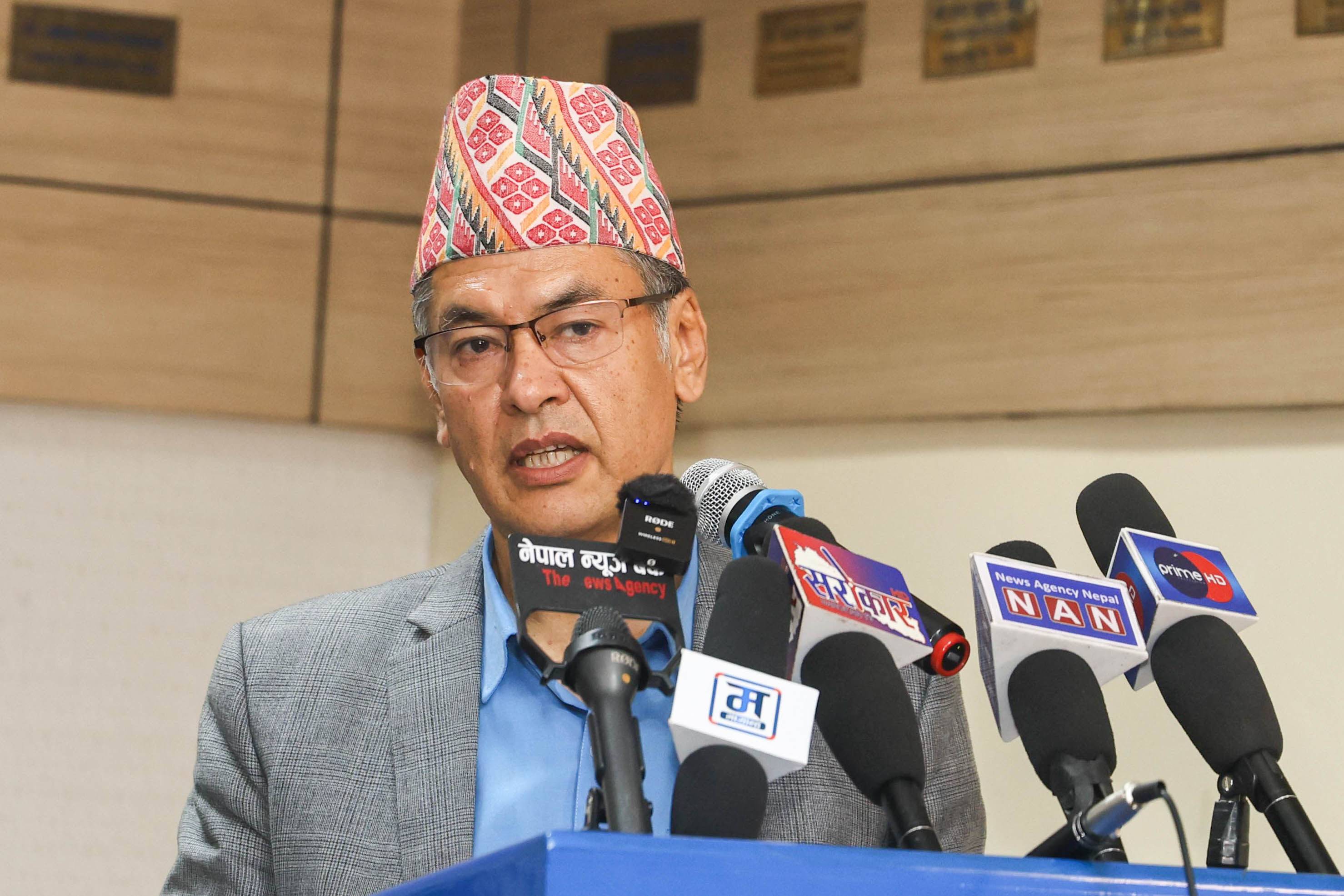
Kathmandu – Hitenndra Dev Shakya, Executive Director of the Nepal Electricity Authority (NEA), has clarified that if solar and battery systems can fulfill electricity demand, there is no urgent need to prioritize hydropower projects. He emphasized that if solar-battery combinations can manage day and night power requirements, the pressure to invest heavily in hydropower will diminish.
Shifting Energy Priorities
Shakya noted that industrial electricity consumption is currently low, reducing the immediate need for large hydropower projects. He stressed that solar and battery storage could effectively meet peak demand in mornings and evenings, making hydropower less essential. However, he acknowledged that this perspective applies mainly to large hydropower projects.
Tackling Power Theft in Irrigation
Speaking at an event in the capital, Shakya highlighted power theft issues in irrigation systems. He suggested installing solar-powered pumps with meters to curb theft, citing successful examples from neighboring India. He recommended expanding solar irrigation in both Terai and hilly regions.
Municipal Electricity Bills and Solar Solutions
Shakya criticized municipalities for failing to pay long-pending electricity bills for streetlights despite NEA providing the service. He urged local governments to install solar streetlights instead, offering that NEA would purchase excess solar power from them.
Pilot Projects and Land Utilization
The NEA is piloting projects to optimize land near transmission lines for solar energy, with an initiative already underway in Khimti. Shakya reiterated that NEA’s focus is on meeting demand efficiently, regardless of whether the energy comes from hydropower, solar, or batteries.
This shift in strategy reflects Nepal’s growing push toward renewable energy diversification while addressing practical challenges in power distribution and revenue collection.