Socialist Front Faces Existential Crisis After 25 Months
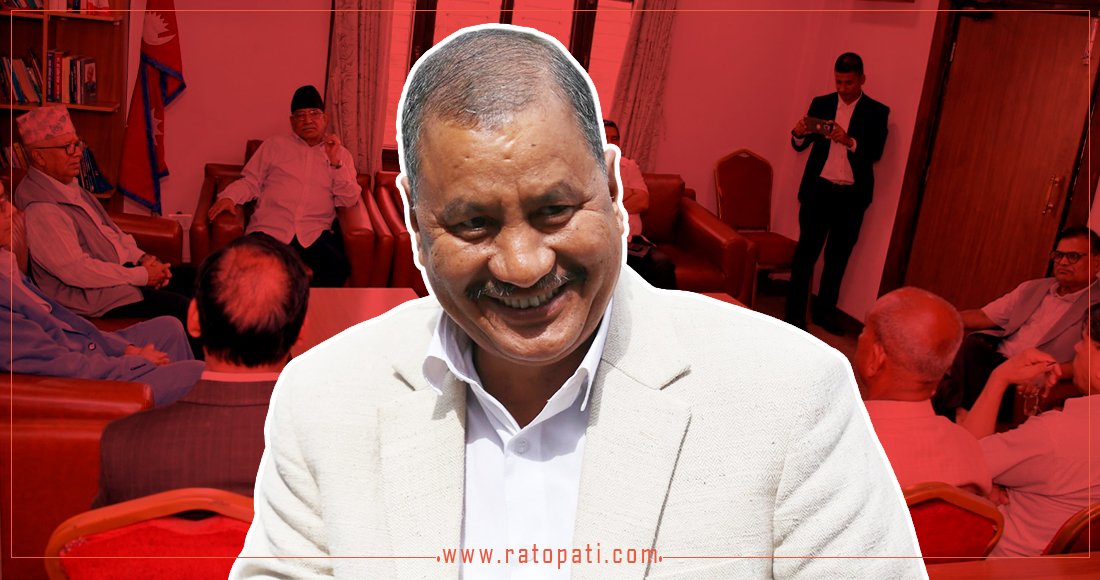
The four-party Socialist Front, established with much fanfare 25 months ago, now faces serious questions about its relevance after its own coordinator, Netravikram Chand 'Biplav' of the Nepal Communist Party, proposed its dissolution. Formed on July 19, 2020, with grand ambitions to set socialist policies and address national issues collectively, the alliance between Maoist Center, Unified Socialists, Nepal Communist Party, and Janata Samajbadi Party has drifted from its stated goals. Biplav's frustration stems from Maoist chairman Pushpa Kamal Dahal and Unified Socialist leader Madhav Kumar Nepal prioritizing power politics over the Front's objectives.
Leadership Discontent and Impending Dissolution
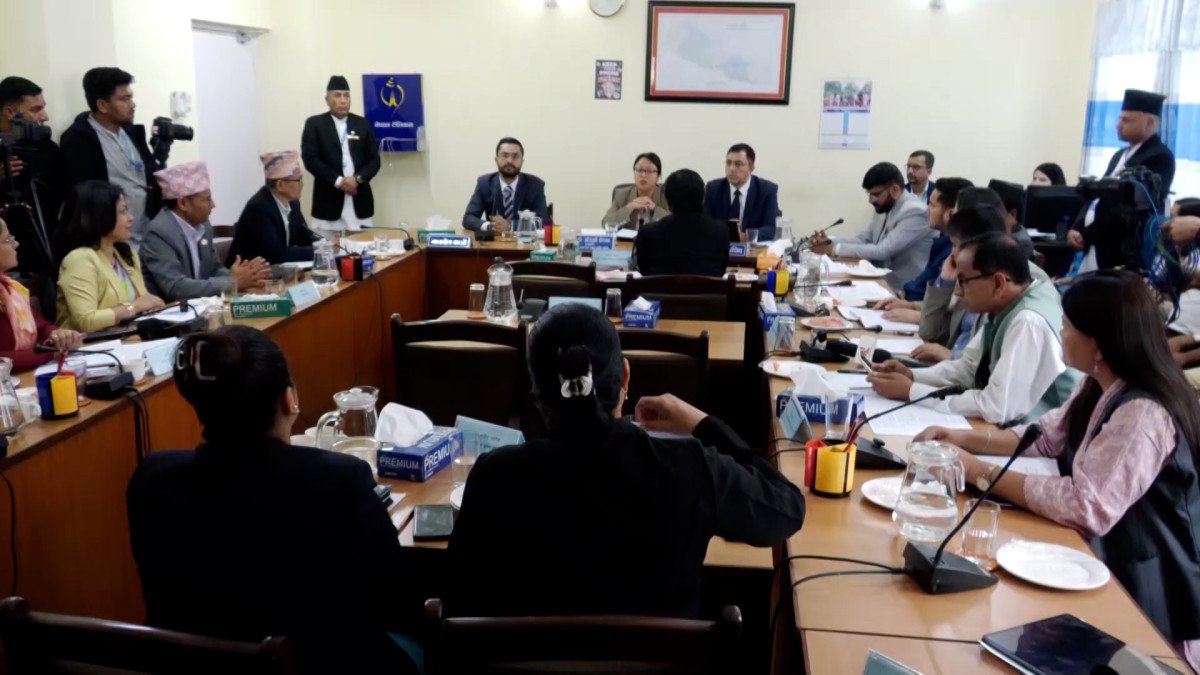
Before a crucial meeting, Biplav confronted both Dahal and Nepal, questioning the Front's purpose. His pressure forced the reluctant leaders to convene on Tuesday, where he bluntly stated the alliance had failed to deliver effective programs against rising reactionary forces or address public disillusionment. While spokesperson Khagga Bahadur Bishwakarma downplayed dissolution talks, claiming the meeting reaffirmed commitments to socialist agendas, insiders reveal deep fractures. The Front's rotational leadership system – initially led by Nepal, then handed to Biplav in February 2021 – has produced mixed results: organizational expansion to 55 districts under Nepal, followed by mass protests during Biplav's tenure.
Structural Weaknesses and Partisan Calculations
The Front's paralysis became evident when its task force failed for a year to submit a mandated review report. Biplav's public outburst in January 2023 exposed bitter infighting, with accusations that Dahal neglected the Front fearing its success would disproportionately benefit the Nepal Communist Party. "When leaders' lifestyles remain unchanged while people suffer, how can this Front claim to represent change?" challenged one NCP leader. Maoist General Secretary Dev Gurung's insistence that "alliances follow strategic needs" rings hollow as the Front's original six-month leadership rotation lies abandoned. With Janata Samajbadi's exit and Nepal Socialist Party's merger into Maoists, this socialist experiment now teeters between reinvention and oblivion, its promise of collective action undone by individual ambitions.