Nepali Congress Discusses Singapore's Development Model

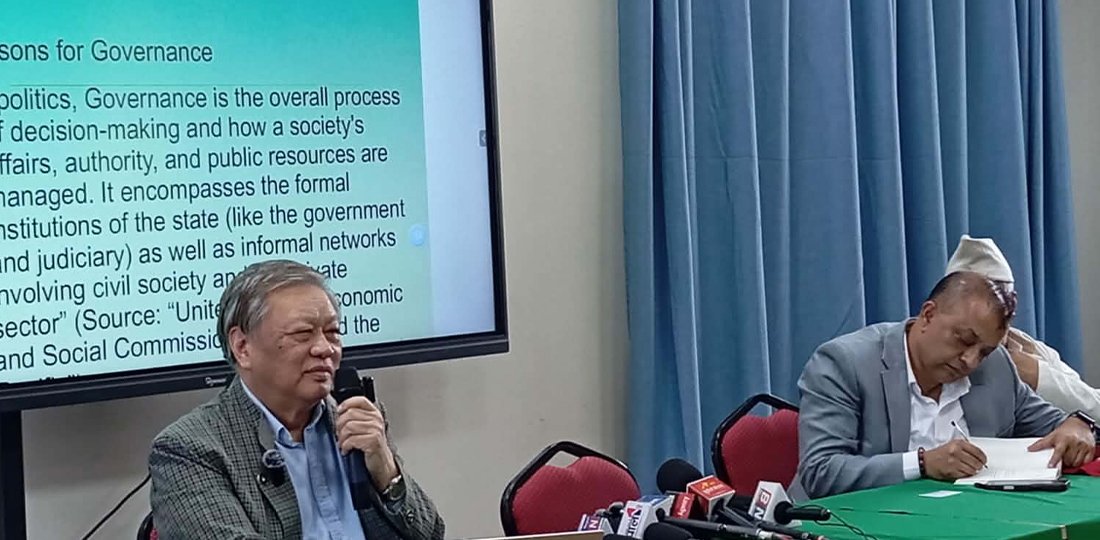
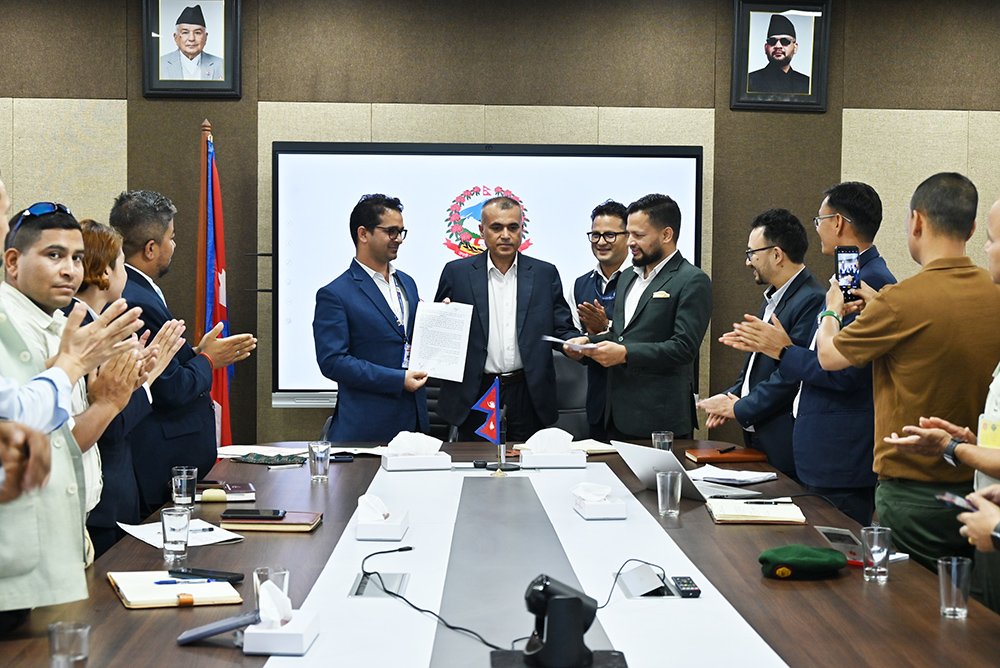
Kathmandu. A serious discussion and deliberation on Singapore's development model was held at the central office of the Nepali Congress in Sanepa on Thursday.
Leong See Hian, a Singaporean economic and public policy analyst, was the chief speaker at the program organized under the Congress's regular policy and ideological discussion program 'Green Table'. The program was attended by Congress leaders, members of parliament, youth, and studious individuals.
Hian gave a detailed presentation on the successful practices achieved by Singapore in the fields of economic transformation, good governance, innovation, public service delivery, and public welfare. He shared insights on the important lessons Nepal can learn from Singapore for economic prosperity, effective governance system, institutional development, and citizen-centric policy making.
Mentioning that although Singapore is economically prosperous, it still faces challenges in some social indicators, Hian said that the ultimate goal of development should be to make citizens happy. He stated that Singapore has been able to achieve remarkable economic progress in a short period due to the strict implementation of anti-corruption laws, adoption of the merit system, promotion of innovation, and long-term policy stability.
In the context of Nepal, he suggested being strict and committed to good governance and adopting policies focused on artificial intelligence (AI), information technology, and innovation.
Participants in the program raised various questions related to Nepal's current situation and development challenges. Hian answered those questions by focusing on Nepal's context.
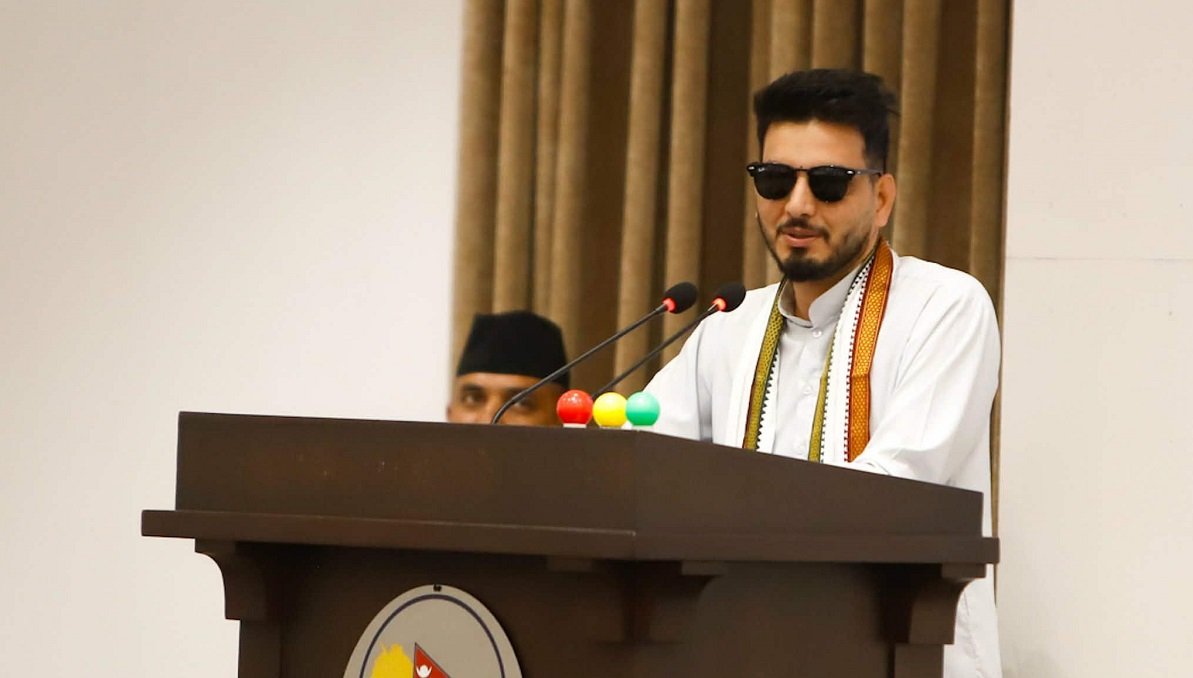
Congress President Gagan Kumar Thapa honored Hian by presenting him with a Nepali Dhaka topi, a khada, and a token of love.
After Hian's presentation and interaction, Thapa mentioned that good governance is the main basis of prosperity and that Nepal can learn a lot from Singapore's experience. He said that although he had heard about Singapore for a long time, he gained more useful information through direct dialogue with experts from there.
Expressing confidence that such discussions can be guiding for Nepal's policy making, good governance, and prosperity, Thapa recalled that the main priority of the current government has also been stated as good governance. He clarified that the Congress is ready to cooperate in the campaign for good governance, but the behavior and commitment of those in the government must also be visible.
He mentioned that the Congress will cooperate with the investigation committee formed by the government and expressed the view that the committee's work should be impartial and credible.
Presenting the example that good governance has been established in Singapore because the top leadership and political parties themselves have set the standard for good governance, Thapa emphasized that in Nepal too, the leaders and political parties that run the state must be committed to good governance.
"If the roots are dirty, the branches will not be clean. Therefore, for good governance, the top leaders and political parties, who are considered the roots of the state, must be clean," Thapa said.
Meanwhile, the Congress's Green Table discussion series will continue on Friday as well. Kanchan Jha, coordinator of Green Table, informed that a discussion will be held with experts and stakeholders on the report of the Human Rights Commission in the program to be held after 4 pm on Friday.
He said that such regular policy and ideological programs conducted at the party office have broadened and deepened the understanding of leaders and cadres.
This specific news has been automatically translated by AI. As a result, there may be some inaccuracies or language errors.
_iL3K2wYemS.jpg)