Tesla Faces Billions in Losses as Trump Cuts Green Subsidies Following Public Feud with Musk


Subsidy Cuts Threaten Tesla's Financial Foundation
Elon Musk's Tesla is confronting its most serious financial challenge yet as the Trump administration's elimination of green energy subsidies threatens to remove a crucial pillar of the company's profitability. Analysis reveals that government incentives accounted for a staggering 38% of Tesla's 2024 profits, totaling $2.8 billion of its $7.1 billion net income. Even more alarmingly, first quarter 2025 financials show Tesla earned $595 million from regulatory credits - nearly 50% more than its actual net earnings of $409 million - suggesting the company would be operating at a loss without government support.
The Trump-Musk Feud Comes at a High Cost
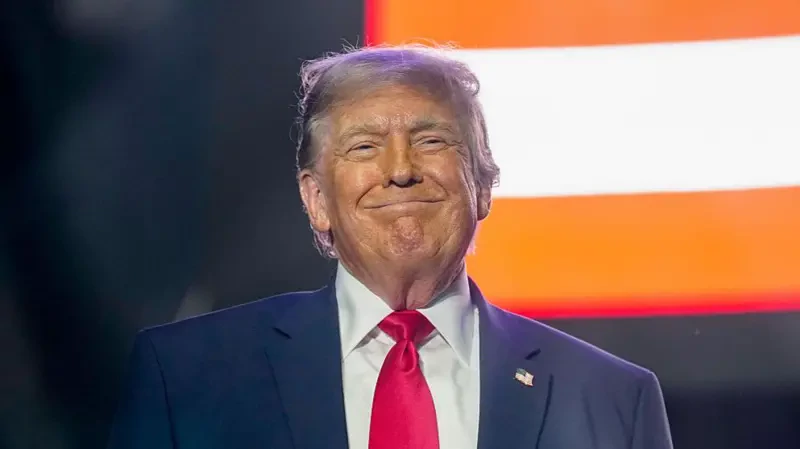
The subsidy cuts follow a very public deterioration in relations between Musk and former President Donald Trump. What began as a political alliance has turned into a bitter rivalry, with Trump using his platform to directly attack Tesla's business model. "Elon may get more subsidy than any human being in history," Trump posted on Truth Social, adding that without government support Musk "would probably have to close up shop and head back to South Africa." This personal feud has translated into concrete policy changes that could fundamentally alter Tesla's financial outlook.
Understanding Tesla's Subsidy Dependence
Tesla's reliance on government incentives takes two primary forms:
-
Regulatory Credits: As a pure EV manufacturer, Tesla earns valuable credits it can sell to traditional automakers who need them to comply with emissions regulations. This created a $2.8 billion revenue stream in 2024.
-
Consumer Tax Credits: The $7,500 federal tax credit for EV buyers effectively reduced Tesla's prices by $4.7 billion last year based on US sales volume.
With both programs now being phased out, Tesla faces the daunting challenge of maintaining profitability while potentially needing to raise prices just as competition intensifies.
Global Market Challenges Compound the Crisis
Tesla's troubles extend beyond US subsidy cuts:
-
European Sales Collapse: First quarter 2025 sales plummeted 58% in Germany and 44% in France amid consumer backlash against Musk's political stances
-
Chinese Competition: BYD has surpassed Tesla in global EV market share, while cheaper Chinese models flood international markets
-
Brand Damage: Early investors like Ross Gerber are divesting, citing both financial concerns and discomfort with Tesla's increasingly polarizing image
The Innovation vs. Subsidy Debate
While bears argue Tesla can't survive without government support, bulls maintain the company's true value lies in its technological leadership:
-
AI and Autonomous Driving: Wedbush analysts call Tesla "the most undervalued AI play" and believe self-driving technology could be transformative
-
Manufacturing Scale: Tesla's gigafactories represent significant production capacity that competitors still struggle to match
-
Energy Business: The solar and battery storage division generated $10 billion in 2024 revenue, providing some diversification
A Defining Moment for the EV Pioneer
As Tesla approaches its 20th anniversary, it faces perhaps its most pivotal challenge. The company that revolutionized the auto industry must now prove it can stand on its own without the government support that helped fuel its meteoric rise. With its stock price already down significantly from peak levels and key markets showing weakness, Tesla's next moves could determine whether it remains the dominant force in electrification or becomes a cautionary tale about the risks of subsidy dependence.
The coming quarters will test whether Tesla's technological advantages and brand strength can overcome the double whammy of reduced government support and increased competition. For investors, the fundamental question remains: Is Tesla ultimately an innovative manufacturer that temporarily benefited from subsidies, or was it always a subsidy play disguised as a tech company? The answer will determine whether Tesla can maintain its trillion-dollar valuation or faces a more modest future as just another automaker.