Revolutionary Three-Person IVF Technique Produces Healthy Babies Free of Mitochondrial Disease; Three People DNA in One Baby Possible Now


Breakthrough in Preventing Inherited Disorders
Eight babies have been born in the UK using an innovative IVF technique that incorporates genetic material from three individuals a mother, father, and a female mitochondrial donor. This pioneering method, developed by UK scientists, aims to prevent the transmission of severe mitochondrial diseases, which can cause organ failure, muscle weakness, and even infant death. The procedure, legal in the UK since 2015, has now successfully produced children free of these previously incurable conditions.
How the Three-Person Technique Works
Mitochondrial diseases are passed exclusively from mother to child, leading to energy deficiencies that can be fatal. The Newcastle Fertility Centre’s approach involves:
-
Fertilizing both the mother’s and donor’s eggs with the father’s sperm.
-
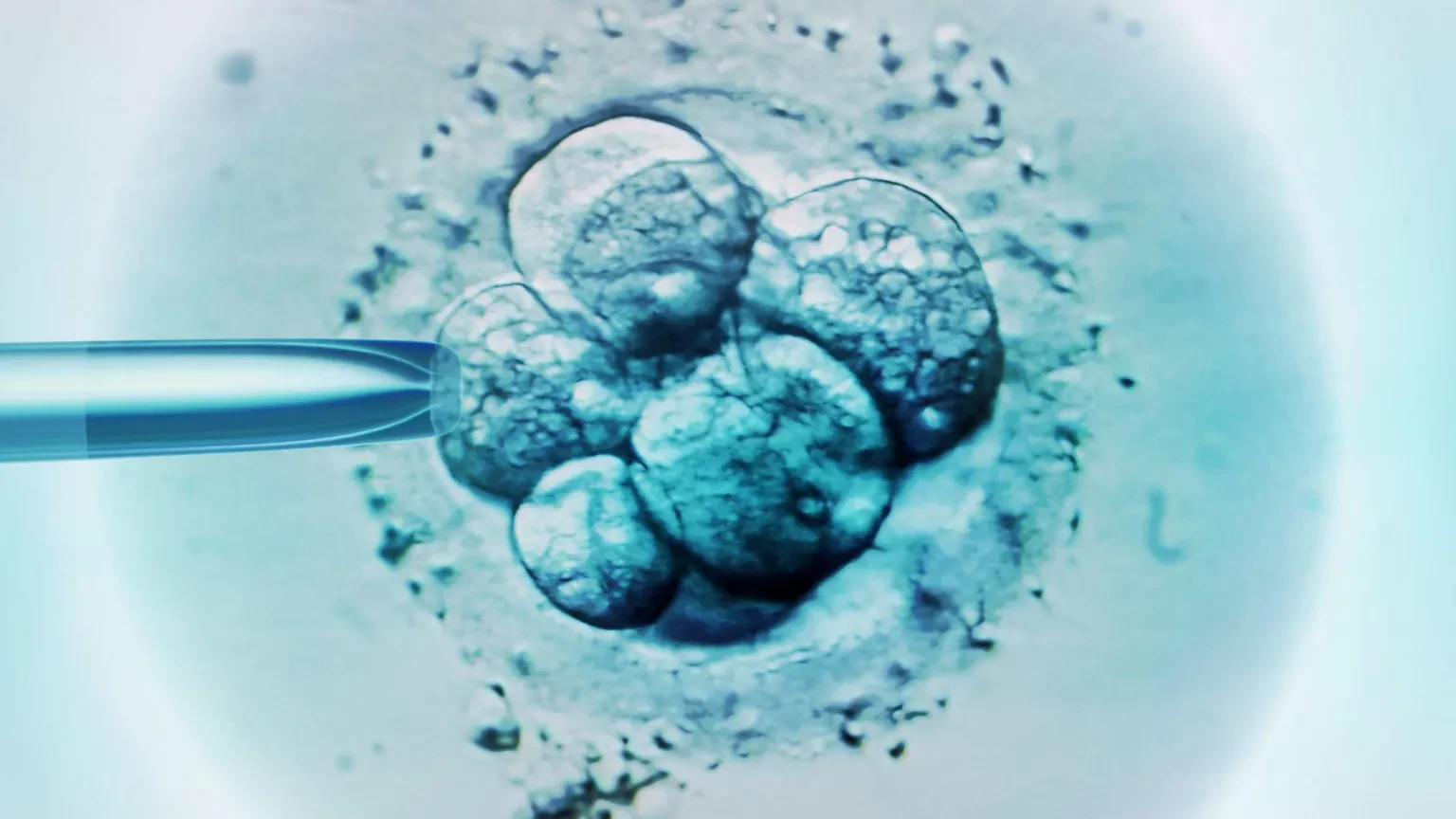
Extracting the parents' genetic material (pro-nuclei) and implanting it into the donor’s embryo, which contains healthy mitochondria.
-
The resulting child inherits 99.9% of their DNA from their parents and only 0.1% from the donor, ensuring they remain biologically related while avoiding mitochondrial defects.

Families Express Relief and Hope
Parents who underwent the treatment shared anonymous statements expressing immense gratitude. One mother said, "After years of uncertainty, this treatment gave us hope and then it gave us our baby." Another added, "The emotional burden of mitochondrial disease has been lifted, replaced by joy and deep gratitude."
Scientific and Ethical Considerations
While the results are promising, researchers remain cautious:
-
One child developed epilepsy (since resolved), and another has a treatable heart rhythm issue though neither is conclusively linked to the procedure.
-
In three cases, trace amounts (5-20%) of defective mitochondria were detected, but well below the 80% threshold that triggers disease.
-
The UK remains the only country to legally approve this method, sparking past debates over genetic modification.
A Future Free of Mitochondrial Disease?
For families like the Kittos whose 14-year-old daughter Poppy suffers from mitochondrial disease this breakthrough offers hope for future generations. "It’s the first real chance to break the cycle of this devastating condition," said Liz Curtis of the Lily Foundation.
With demand estimated at 20-30 cases per year, this advancement could redefine reproductive medicine proving that science, legislation, and ethical oversight can work together to eliminate genetic suffering.
"What a wonderful result," said Prof. Sir Doug Turnbull, a key architect of the technique. "Eight healthy children this is why we do science."