The Joy of Saune Sankranti in Nepali Society
Saune Sankranti holds a special place in Nepali culture. More than just a date on the calendar, this festival represents a beautiful convergence of nature, faith, and tradition. On this day, the faces of mothers, grandmothers, daughters, sisters, aunts, and all women glow with a unique radiance. Beyond the festive food and attire, Sāune Sankrānti carries the sweet flavor of devotion and belonging.
A Celebration of Tradition and Togetherness
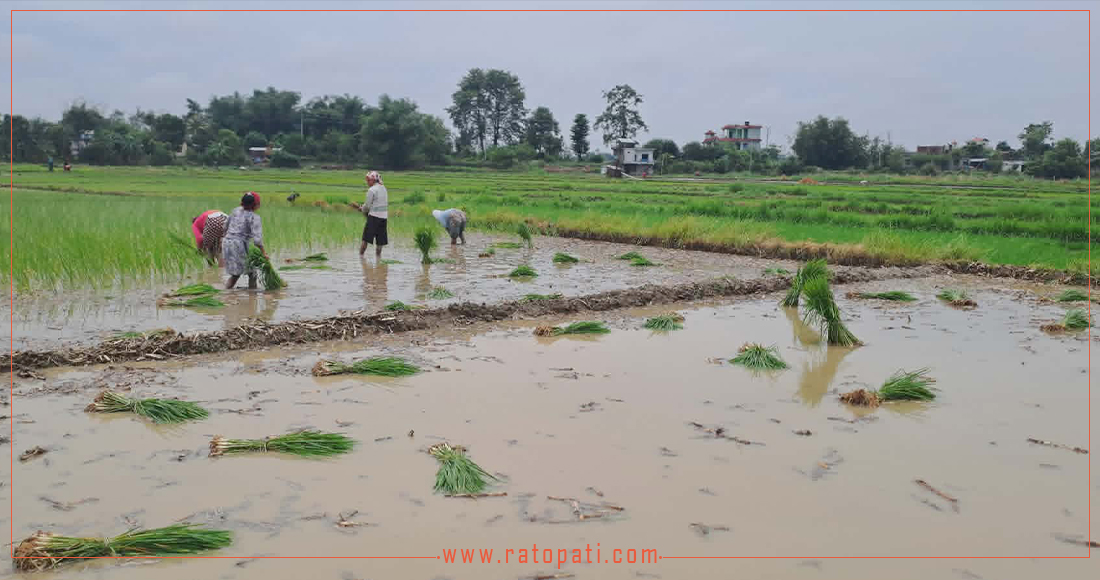
In village homes, the rhythmic sound of the dhiki (traditional rice pounder) echoes from early morning. Some grind wheat flour in stone mortars, others chop potatoes in the kitchen, while elsewhere, millet bread cooks on the stove. Yet, the most eagerly awaited delicacy remains ghiu-chaku-tarul (ghee, molasses, and yam) not just a dish, but a taste of childhood memories. These simple ingredients carry the warmth of a mother’s love, something modern cuisine can never replicate.
Fashion, Fun, and Feminine Bonds
The mention of Saune Sankranti brings to mind hariyo chura (green bangles), hariyo sari (green saris), and the joy of applying henna. For daughters and sisters, this day marks the beginning of a month-long celebration. Women gather to adorn each other with bangles, decorate hands with henna, and share laughter while admiring their designs. These moments are not just about fashion they are a beautiful expression of tradition and love.
Religious Significance and Devotion
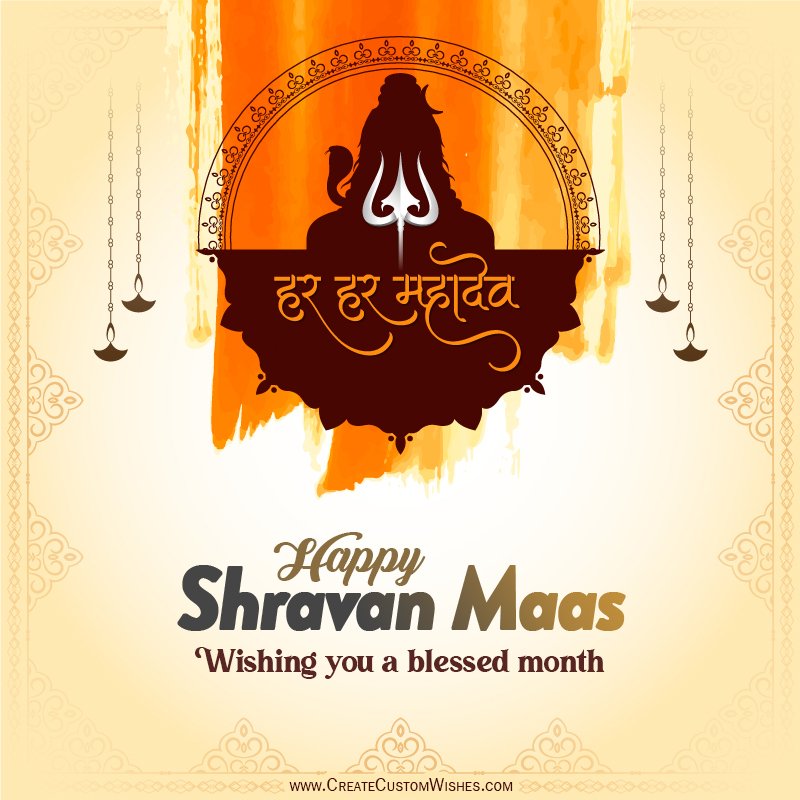
From a spiritual perspective, Saune Sankranti holds deep meaning. Dedicated to the worship of Lord Shiva, this month is especially significant for women who observe fasts and perform rituals. At Shiva temples, devotees gather at dawn to offer belpatra (wood apple leaves). The unwavering crowds, whether under scorching sun or pouring rain, reflect the enduring depth of faith that continues to strengthen Nepali society.
A Bridge Between Seasons and Generations
Saune Sankranti is not just a one-day festival but the start of a seasonal transition. As summer wanes and cooler days approach, traditional foods like ghiu, tarul, and chaku serve as natural fortifiers a testament to the wisdom of our ancestors.
Sociologically, this festival strengthens family bonds. Married daughters return to their maternal homes, siblings reunite, and extended families gather. It’s a time to rekindle relationships, where emotions blend with feasts and rituals to deepen familial roots.
Cultural and Economic Vibrancy
Beyond its emotional and spiritual impact, Saune Sankranti energizes local economies. Markets buzz with sales of chura, saris, henna, fruits, and ritual items. Artisans, farmers, and vendors all benefit, making this festival a lifeline for many.
A Reminder of Our Roots
In today’s fast-paced world, where people risk losing touch with their heritage, Saune Sankranti serves as a poignant reminder of who we are. No matter how modern we become, our identity remains rooted in these traditions.
More than just a festival, Saune Sankranti is a celebration of life’s renewal. It brings freshness to our days, sweetness to our relationships, and serves as a guardian of our culture. The memories woven on this day filled with affection, warmth, and pride remain evergreen in our hearts.
(Rana is the Treasurer of the Free Students' Union at Tribhuvan Multiple Campus, Palpa.)
_N139cmO64S.jpg)