Citizens Must Question Injustice for Democracy to Thrive
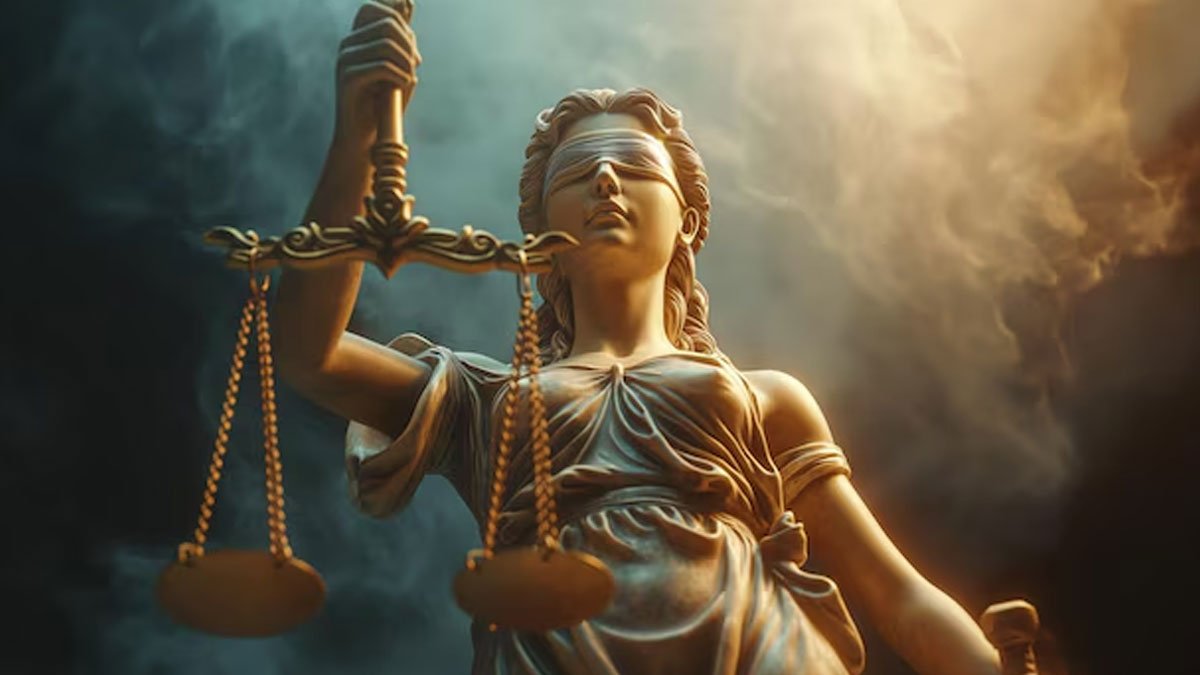
We live in a society where injustice is seen, but eyes do not open against it. Malpractice is heard, but ears do not open to it. Sometimes it feels like we have become blind and deaf not just as individuals, but also in terms of collective consciousness. Wrongdoings in society, violations of law, misuse of public resources, decisions made based on power and access, and institutional irregularities happen right before our eyes, but the voices that should rise against them appear weak and silent.
The beauty of democracy lies not only in elections, but its real strength is vested in conscious citizens. A culture of questioning, demanding accountability, monitoring public decisions, and resisting wrongdoings keeps democracy alive. When citizens stop questioning, consider criticism as enmity, and flattery as loyalty, the very soul of democracy weakens.
This is a serious problem in our society today. We have started believing more in praise than in questions, in silence than in vigilance, and in hero-worship than in accountability. This very trend has gradually become the character of our political culture.
We changed the political system, changed the constitution, changed the structures of the state, but we could not change the foundation of thinking, culture, and social behavior as expected. The imprint left by centuries of feudal rule on our social psychology has not yet been erased. Therefore, even today, in many places, the tendency to consider position as privilege rather than responsibility, authority as a means of displaying power rather than service, and public role as a matter of prestige rather than public service is alive.
The most dangerous aspect of feudal thinking is the mentality of considering oneself a ruler and others as subjects. Democracy considers citizens sovereign, but in practice, many public officials still prefer to hear praise rather than criticism. The tendency to understand questions not as democratic rights but as personal challenges is increasing. The mentality of considering oneself above the rules and beyond criticism after reaching the center of power is a serious threat to democratic culture.
The problem is not only with those in power, but society itself is equally responsible for it. The concept of 'socialization' in sociology is sufficient to understand this situation. Socialization is the process by which individuals learn the values, norms, beliefs, and behaviors of society through family, school, community, media, religious, and political institutions. The consciousness, sense of rights, and democratic culture of citizens in any society are not innate; they are built through a long process of social learning.
If this process teaches obedience rather than questioning, blind following rather than critical thinking, and loyalty to individuals rather than institutions, then that culture will shape future citizens similarly. Therefore, hero-worship, silence, or considering injustice as normal are not just personal weaknesses; they are social tendencies created through long-standing socialization processes.
Many of us decide truth and falsehood by looking at the person. We normalize the mistakes of people we like and find it difficult to accept the right things done by people we dislike. The tendency to prioritize relationships over principles, individuals over institutions, and access over values has weakened the very foundation of our democratic culture.
Another irony of our society is that those who question are often portrayed not as citizens standing for truth and justice, but as individuals whose personal interests have not been met. If a policy, decision, or leadership is questioned, instead of debating its substance, the intention of the questioner is doubted.
The tendency to respond to ideas not with ideas but with personal attacks has weakened the level of our public discourse. On the other hand, those who silently endure injustice, discrimination, or malpractice are given titles like 'tolerant', 'polite', and 'understanding'. In this way, society begins to reward silence over resistance and submission over citizen courage. As a result, those who speak the truth become isolated, and wrong practices become further institutionalized.
The concept of 'social fatalism' in sociology highlights an important reality. When people begin to understand the weaknesses of their situation, the state of society, or the governance system not as problems that can be changed but as the result of fate or destiny, they transform from active citizens into passive spectators. Expressions like 'it is what it is', 'this is how it has been going on', 'nothing will change', 'what can we do?' are commonly heard in our society. But these are not just words; they are signs of surrender to change.
When citizens consider injustice a game of fate, the demand for accountability weakens. When malpractices are considered normal, the need for reform also becomes secondary. History shows that injustice and malpractices have not survived because they were strong, but because the voices against them were weak. The progress of any society is possible only when citizens consider themselves agents of change, not helpless spectators of change.
The problem is not limited to individual consciousness alone. Another important concept in sociology, structural-functionalism, views society not just as a group of individuals but as an interconnected system of values, institutions, culture, relationships, power structures, and behaviors. From this perspective, malpractices, corruption, hero-worship, or irresponsibility are not just the weaknesses of one individual but tendencies and norms arising from the entire social environment.
Therefore, societal change is not possible without structural reforms, merely by changing leadership. As long as institutional values, accountability, and citizen culture do not change, the same old tendencies will be repeated through new faces. Unless the entire social system, its values, culture, institutions, behaviors, and relationship patterns change, society will not change even if individuals change. If a new structure is built on the foundation of old thinking, the result will ultimately be a repetition of the old culture.
Today, it is necessary to strengthen the culture of accountability from local governments to the federal government, from political parties to civil society, and from public institutions to the private sector. Citizen oversight of public resources, authority, and decisions is not a weakness of democracy, but its greatest strength. The development of a culture that can accept questions as opportunities for improvement, not as opposition, is the need of the hour.
A society that cannot see cannot see the truth. A society that has lost its ability to hear cannot hear the voice of truth. But a conscious society sees injustice, hears it, and knows how to stand against it. The identity of a civilized society is not determined solely by roads, buildings, and physical structures; it is also determined by the moral courage to stand against wrongdoing, the citizen consciousness to speak for truth, and the social culture that holds power accountable.
The true measure of development is the citizen's consciousness, the credibility of institutions, and commitment to justice. Therefore, the need today lies in being able to accept criticism, make power accountable, and strengthen institutions over hero-worship. Now the question before us is: will we close our eyes to injustice, misgovernance, malpractice, irregularities, and hegemony, or will we raise our voices against them? Will we hear the truth and remain silent, or will we question? Because history remembers courageous citizens who stood against injustice, not silent spectators.
Let us see, let us hear, let us question, because nothing is a greater threat to democracy than the silence of a conscious citizen.
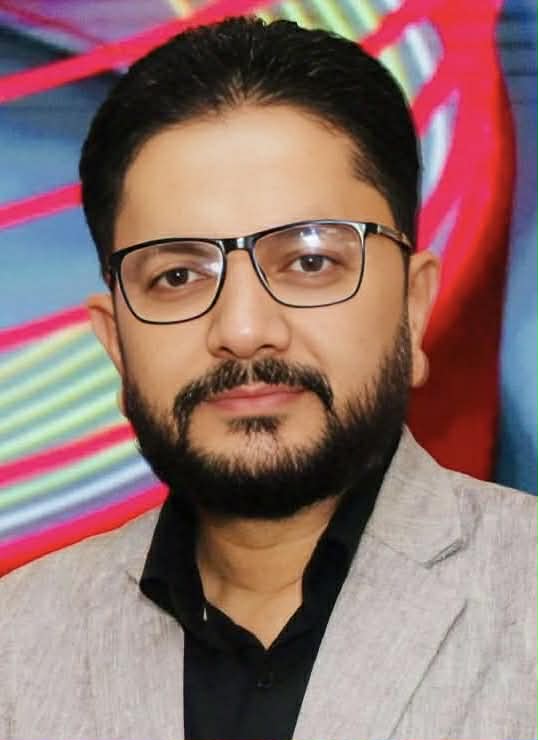
(The author Belbase is a sociologist.)
This specific news has been automatically translated by AI. As a result, there may be some inaccuracies or language errors.