Italy Faces Childhood Obesity Crisis Amidst Declining Mediterranean Diet

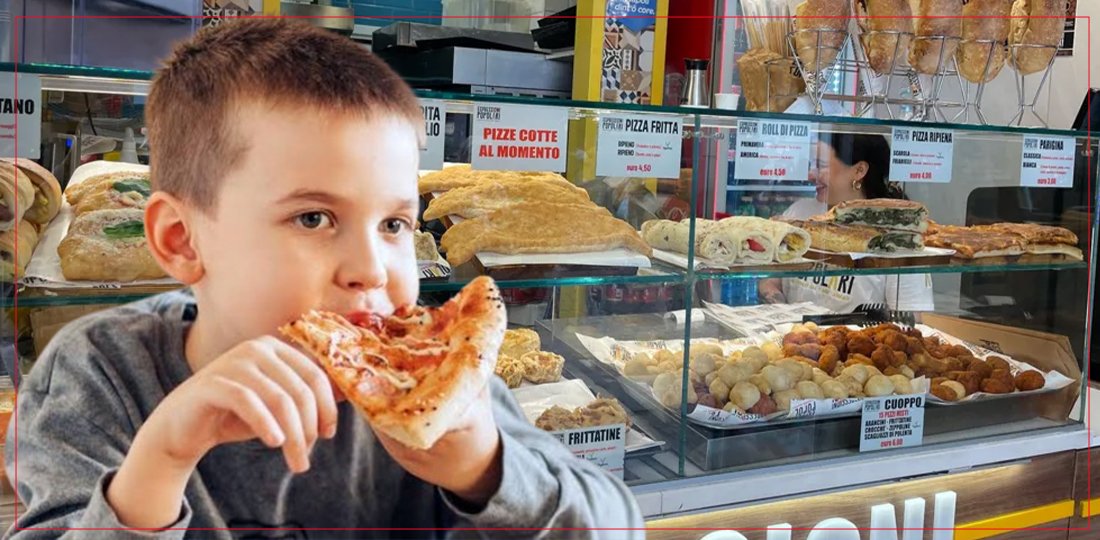
Daily life is not easy for 17-year-old Salvatore. His weight is 170 kg and it is difficult for him to walk normally. He cannot tie his own shoelaces. His Vespa scooter could not bear his weight, resulting in seven flat tires in a week. 'He eats something or the other all day long,' said his mother Anna.
Salvatore is one of thousands of children and adolescents suffering from obesity in Italy. This problem is particularly severe in southern Italy. In some parts of the Campania region, more than 40 percent of children aged 8-9 are overweight. Ponticelli, a suburb of Naples, is becoming known as one of the capitals of childhood obesity in the world.
This situation is quite ironic for a country that has long been considered the birthplace of the healthy Mediterranean diet. But now, according to the World Health Organization (WHO), children in Italy are among those most affected by obesity in Europe.

Waiting for life-changing surgery
Salvatore is currently waiting for life-changing surgery at Betania Hospital in Ponticelli. According to Dr. Sonia Chiappetta, who has been treating severely obese patients here for the past 15 years, most patients used to be over 50 years old. 'Now, adolescents as young as 16-17 are coming with the same problem. The decreasing age of patients is very worrying,' she says. This surgery involves removing about 90 percent of the stomach, which prevents the patient from eating too much. However, due to Salvatore's excessive weight, it is currently considered risky to perform surgery. Therefore, he has been given a GLP-1 medicinal injection to reduce appetite and weight, so that surgery can be performed later.
The disappearing Mediterranean diet
Italy was considered an example of healthy eating. In the 1950s, when American scientists Ancel Keys and his wife Margaret Keys showed a link between the diet of people in southern Italy and the low rate of heart disease, the Mediterranean diet became famous worldwide. But now that tradition is disappearing.
According to Dr. Walter Longo, director of the Longevity Institute at the University of Southern California, only 10 percent of Italians now follow a true Mediterranean diet. He describes the current Italian diet as the 'Five Ps' - Pizza, Pasta, Potato, Protein, and Pane (bread).
Growing problem from a young age
According to Dr. Roberto Berni Canani, a pediatrician at Federico II University in Naples, he has treated children as young as two or three years old weighing 25 kg. According to him, most parents do not even admit that their child has an obesity problem. 'They come for treatment of cough, stomach ache, or diarrhea. But they don't understand that the real problem is the child's weight,' he says.
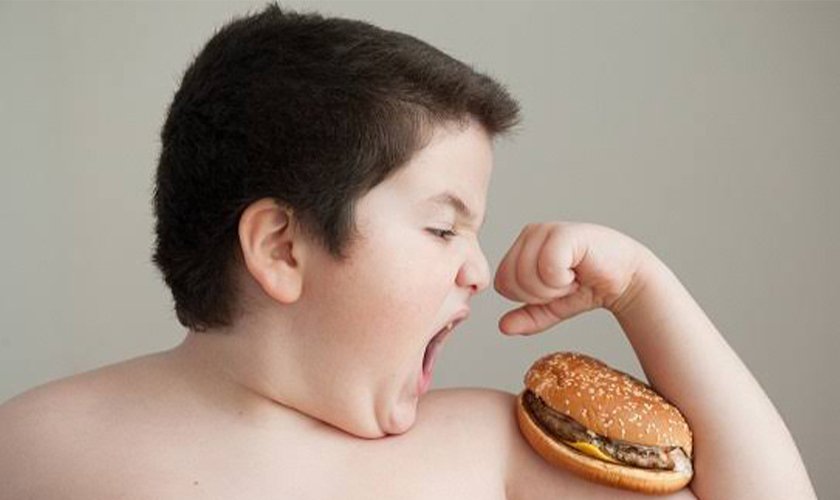
10-year-old Francesca weighs 60 kg. She eats bread with Nutella in the morning, cake for snacks, pasta for lunch, and chicken for dinner. 'But she doesn't touch vegetables,' says her mother Carmen. However, her parents do not consider her weight a problem because she does gymnastics and Latin dance. According to Dr. Canani, the problem is not a single meal, but the continuous consumption of high-calorie foods, sugary drinks, low intake of fruits and vegetables, and unhealthy eating habits throughout the day.
Schools also face challenges
Many Italian schools operate in old historic buildings, so there is not enough space for sports. Francesca Pecce, a teacher at Ugo Foscolo Primary School, says, 'I have a student in my class who is 10 years old and weighs about 60 kg. Even when I talk to the mother, she is not worried.' According to her, the idea that red-cheeked and slightly chubby children are healthy is still strong in Neapolitan culture.
Nutrition Education Campaign
A campaign has been launched to provide nutrition education to more than 17,000 students in 25 schools in Naples. Families will also be supported in adopting healthy eating habits. 18-year-old Ciro believes that information alone does not change behavior. 'We know what healthy food is, but many don't care,' he says. 19-year-old Carmen is optimistic. 'Today's teenagers are more attracted to junk food and exercise less. Such programs are useful,' she says. According to her, the trend of adding chips, sausages, and fried items to pizza has increased.
Obesity becoming a global epidemic
According to the World Health Organization, more than one billion people worldwide are currently suffering from obesity, and childhood obesity has quadrupled since 1990. In 2025, Italy became the first country in the world to legally recognize obesity as a chronic, progressive, and relapsing disease. In the Campania region, a 'fasting-mimicking diet' or low-calorie diet similar to fasting is being tested. In this, adolescents weighing over 300 kg will be given extremely low-calorie food for five days every three months, with the aim of reactivating the body's metabolism.
However, not all experts agree with this.
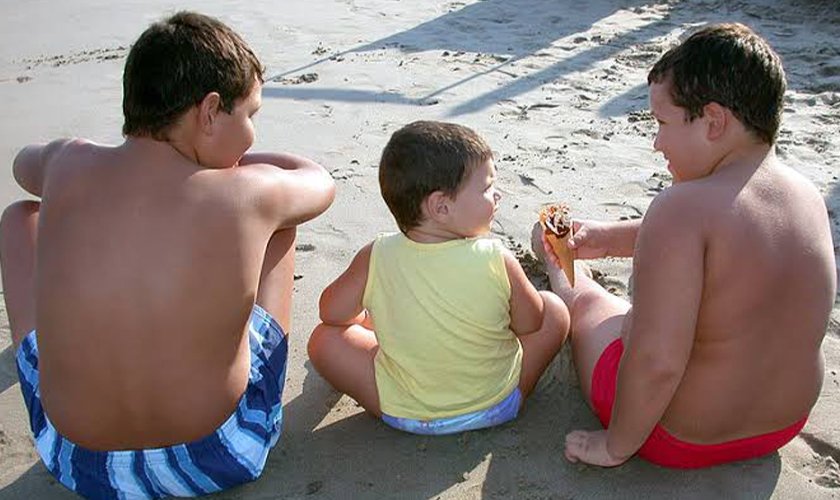
According to Dr. Canani, such strict diets in adolescents can increase anorexia, eating disorders, and body dissatisfaction.
Meanwhile, Salvatore hopes to undergo surgery by next summer. He wants to wear a swimsuit without any hesitation for the first time in years. But Salvatore is not alone. Across Italy, a new generation is moving towards a lifestyle that is gradually taking them away from the healthy Mediterranean diet that once made Italy famous worldwide.
From BBC
This specific news has been automatically translated by AI. As a result, there may be some inaccuracies or language errors.