US Senate Democrats Block $1.15 Trillion Defense Bill Over Iran War Objections

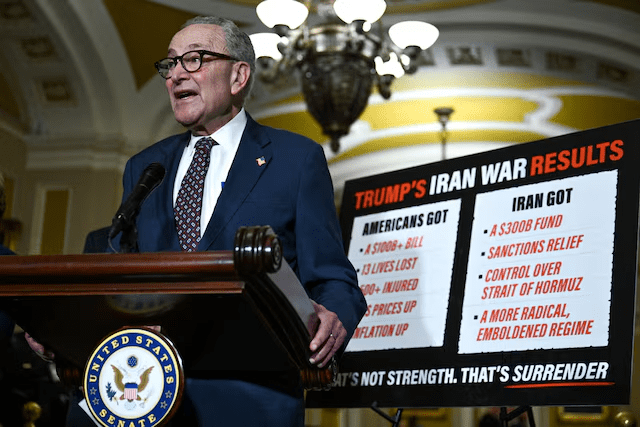
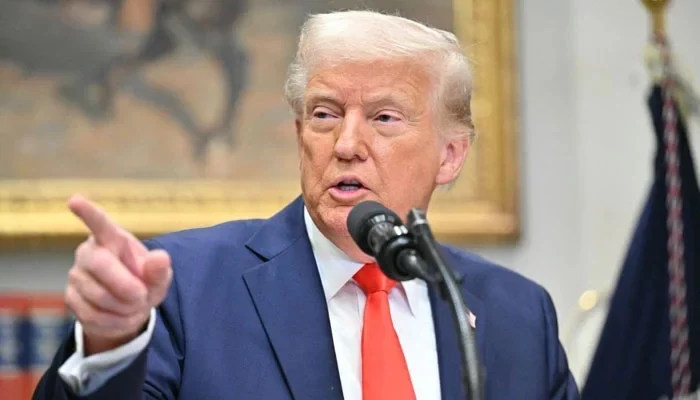
Washington DC. US Senate Democrats blocked the $1.15 trillion annual defense policy bill on Tuesday. They took this step due to dissatisfaction with the Iran war and President Donald Trump's decision to send US troops into conflict without consulting Congress.
Senate Democratic leader Chuck Schumer, Senator from New York, announced his opposition to the vote in his address to the Senate, saying, 'Trump started this war without permission, without strategy, and without an exit.' The procedural vote on the National Defense Authorization Act, or NDAA, failed. Although the bill received 50 votes in favor and 46 against, it did not reach the required 60 votes to advance in the 100-member Senate.
This vote was seen as completely divided along party lines. Every Republican voted in favor of the bill, except for Senate Majority Leader John Thune of South Dakota. Thune voted against it solely to file a motion for reconsideration according to Senate rules.
It was anticipated that this bill would be blocked when nine Democratic members of the Armed Services Committee voted against the NDAA last month. While the NDAA typically passes with strong support from both parties, it has become controversial this time.
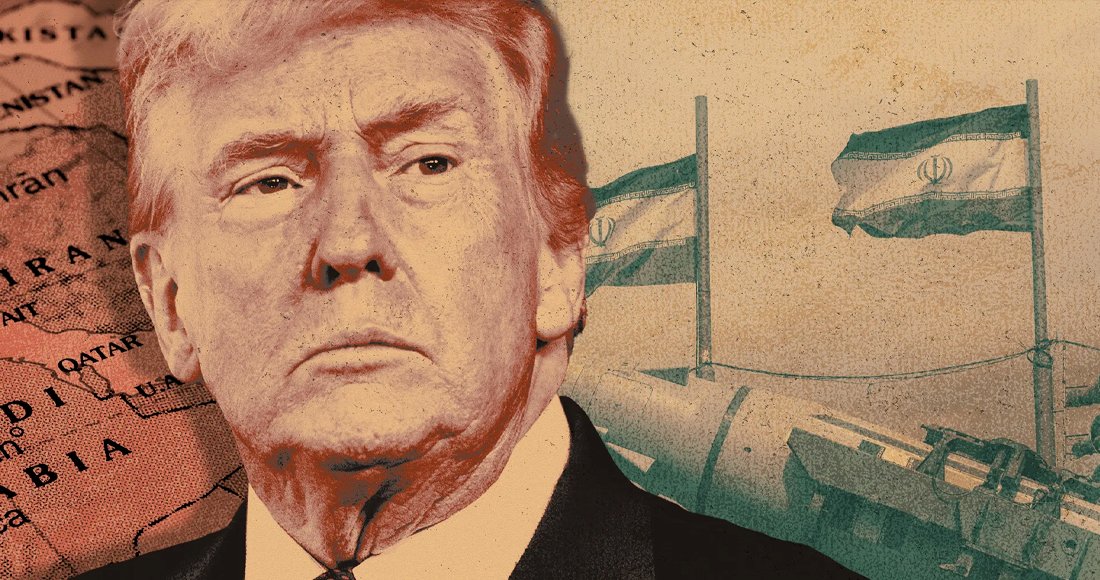
Democrats are concerned that this massive Pentagon budget appears to approve the Iran war, which began on February 28 with attacks by the US and Israel. This vote occurred at a time when the Trump administration announced it was escalating the conflict, imposing a naval blockade on Iranian ports through the Navy, and initiating a new phase of attacks.
Democrats also object to the Trump administration's attempt to increase military spending to a total of $1.5 trillion at a time when social programs for American citizens are being cut. In addition to the $1.15 trillion authorized in the NDAA, Trump has requested an additional $350 billion from Congress through the budget reconciliation process. Democrats do not need support for the budget to pass through this process.
Speaking in support of the bill, Thune accused Democrats of prioritizing politics over security. He said, 'This bill helps ensure our military is ready today and capable for tomorrow.'
This year's NDAA authorizes an unprecedented $1.15 trillion for defense, which determines everything from the purchase of ships, aircraft, and missile systems to increasing soldiers' salaries and confronting geopolitical threats.
The NDAA, which has become law every year for more than six decades, was always considered a must-pass bill by both parties. Despite this setback, this is only the beginning of the NDAA process.
Each year, the House of Representatives and the Senate pass their own versions of the NDAA. Then, negotiators from the Armed Services Committees draft a compromise agreement and send it back to both chambers for a vote.
Only if that compromise draft is passed will it be sent to President Donald Trump at the White House to be signed into law or vetoed.
Reuters
This specific news has been automatically translated by AI. As a result, there may be some inaccuracies or language errors.