MPs Criticize Government Over E-Passport Printing Delays, Cost Increases, and Corruption Allegations

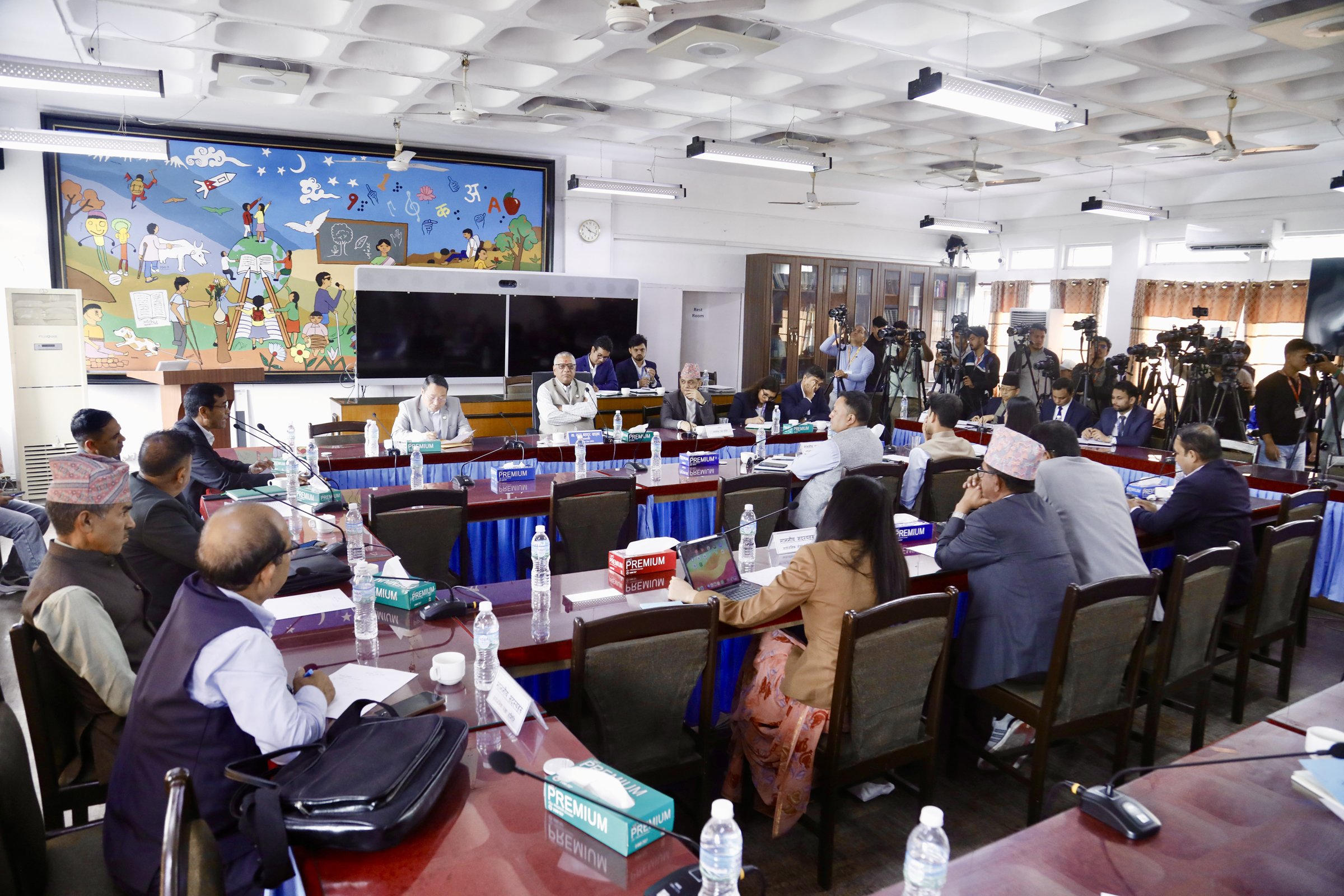
Kathmandu. Lawmakers have criticized the government over delays in the electronic passport (e-passport) printing process, cost increases, and suspicions of corruption.
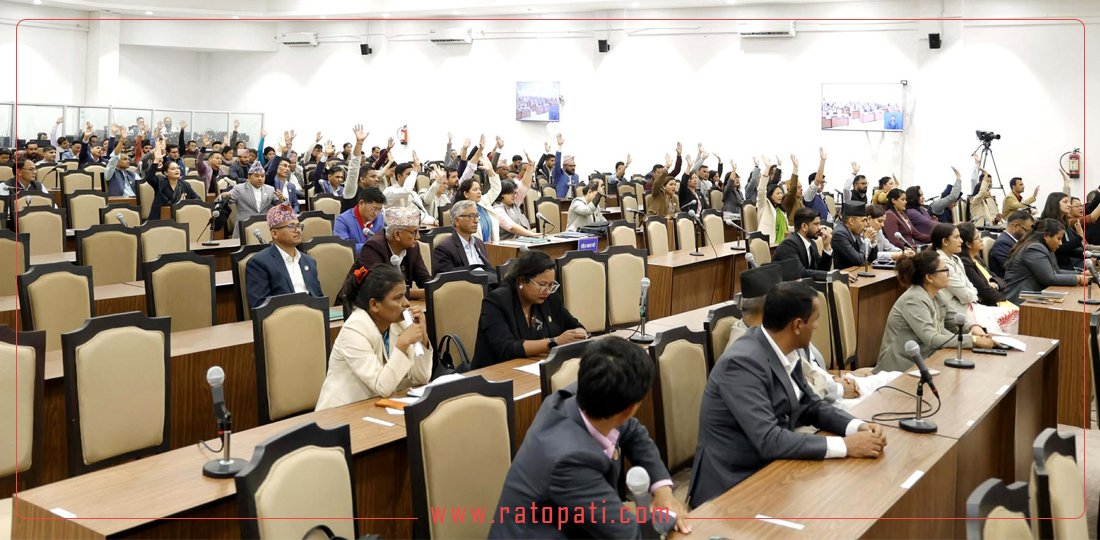
At a meeting of the Public Accounts Committee of the Federal Parliament on Tuesday, lawmakers demanded clarification from the government regarding the lack of transparency in the passport procurement process and the additional financial burden on the state.
Speaking at the meeting, Nepal Communist Party (UML) lawmaker Yagya Bahadur Bogati claimed that there was a major financial scam in passport printing. He argued that the state incurred a loss of 20 to 25 crore rupees by awarding the contract to a company offering a higher rate, bypassing the company that had submitted a lower price proposal. He demanded an investigation and action against those involved, stating that the initial agreement was for $8 per passport, but it was later increased to $10.13 through variation, which is a clear indication of corruption. Lawmaker Bogati mentioned that the issue related to passports has been widely discussed in the media and has even reached the courts.
He said, 'The fundamental principle is that if there is any suspicion of irregularity or misappropriation of state funds, the Public Accounts Committee should investigate and reach the necessary conclusion.' He demanded that the ministry and department provide all tender process files to the committee for investigation into the allegations that the contract was awarded to a company offering a higher price instead of the one offering services at a lower cost.
Speaking on the occasion, Rastriya Swatantra Party (RSP) lawmaker Bikram Thapa questioned the credibility of companies like 'Veridos' and 'Mullbauer' involved in passport printing. Stating that the dispute in the contract process has tarnished the image of the state, he suggested implementing a 'Real Time Digital Monitoring Dashboard' and an 'AI-based Risk Detection' system to prevent such incidents from recurring in the future. He questioned how much loss the Government of Nepal has incurred so far in financial, administrative, and service delivery areas due to the controversial contract process.
Nepali Congress lawmaker Janakraj Giri inquired about the additional burden of $2.13 per passport added through variation. Stating that citizens in remote areas like Sudurpashchim still have to travel to Kathmandu for passports, he complained that service delivery at the district level was not effective. He said that young people have to bear additional expenses of up to 50,000 rupees when they come to Kathmandu to get a passport.
RSP lawmaker Ganesh Ghimire proposed studying the feasibility of printing passports within Nepal and drew the ministry's attention to increasing the number of biometric stations in densely populated districts like Bara. However, another RSP lawmaker, Govinda Panthi, expressed the view that it would not be appropriate to discuss the matter in detail in the committee while the passport-related case is sub judice in court. Foreign Secretary Amrit Bahadur Rai informed the meeting that passport distribution has resumed, but lawmakers stated that in most districts
This specific news has been automatically translated by AI. As a result, there may be some inaccuracies or language errors.
_gcmnFrn8Po.jpg)