
Crows Struggle for Survival Amidst Urbanization in Kathmandu

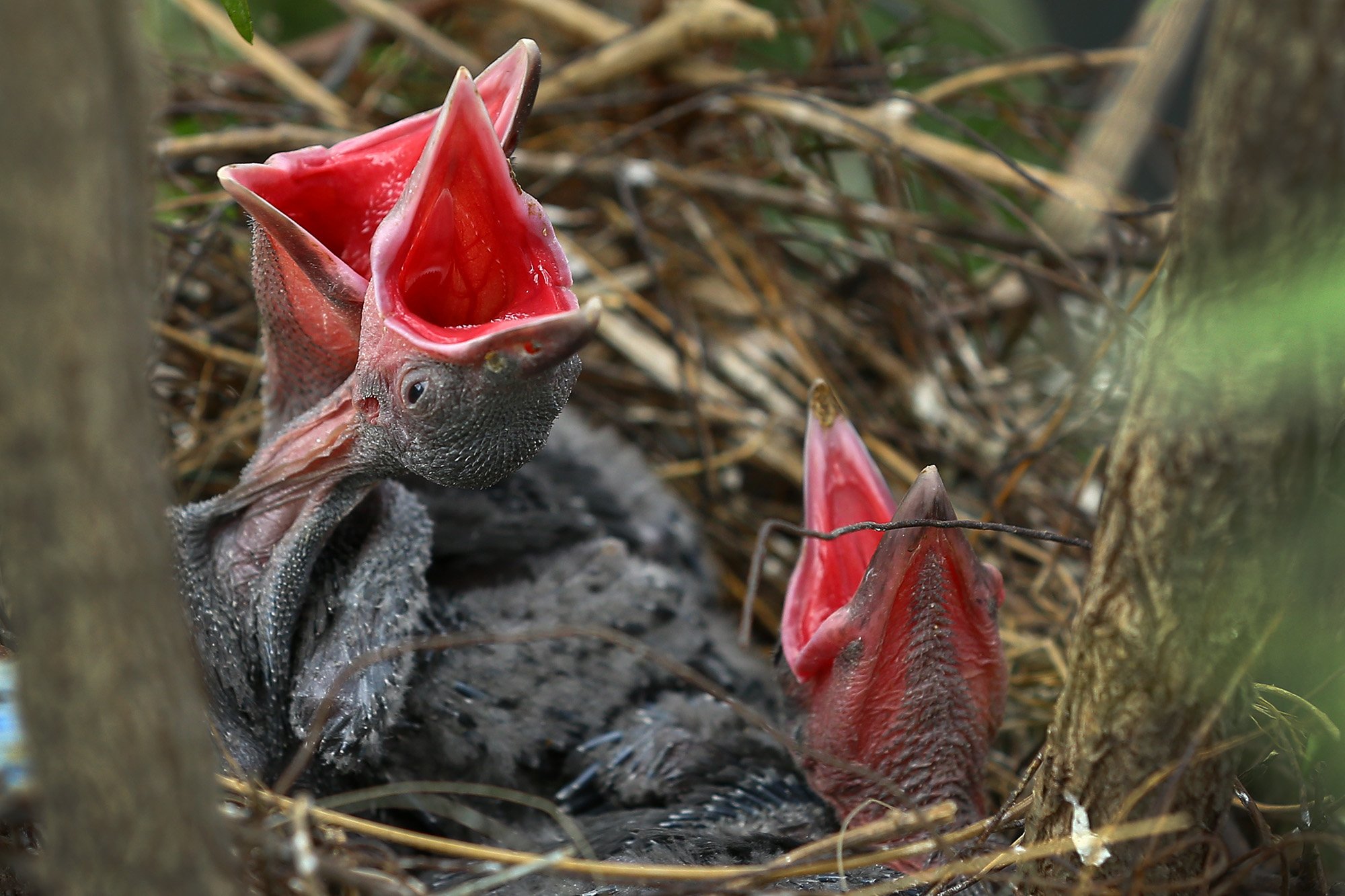
Kathmandu. The daily life and struggle of crows seen in Kathmandu gives an example of how increasing urbanization is affecting the natural balance.
This bird, easily found from the Terai to the Himalayas, is finding its habitat shrinking in the Kathmandu Valley these days.
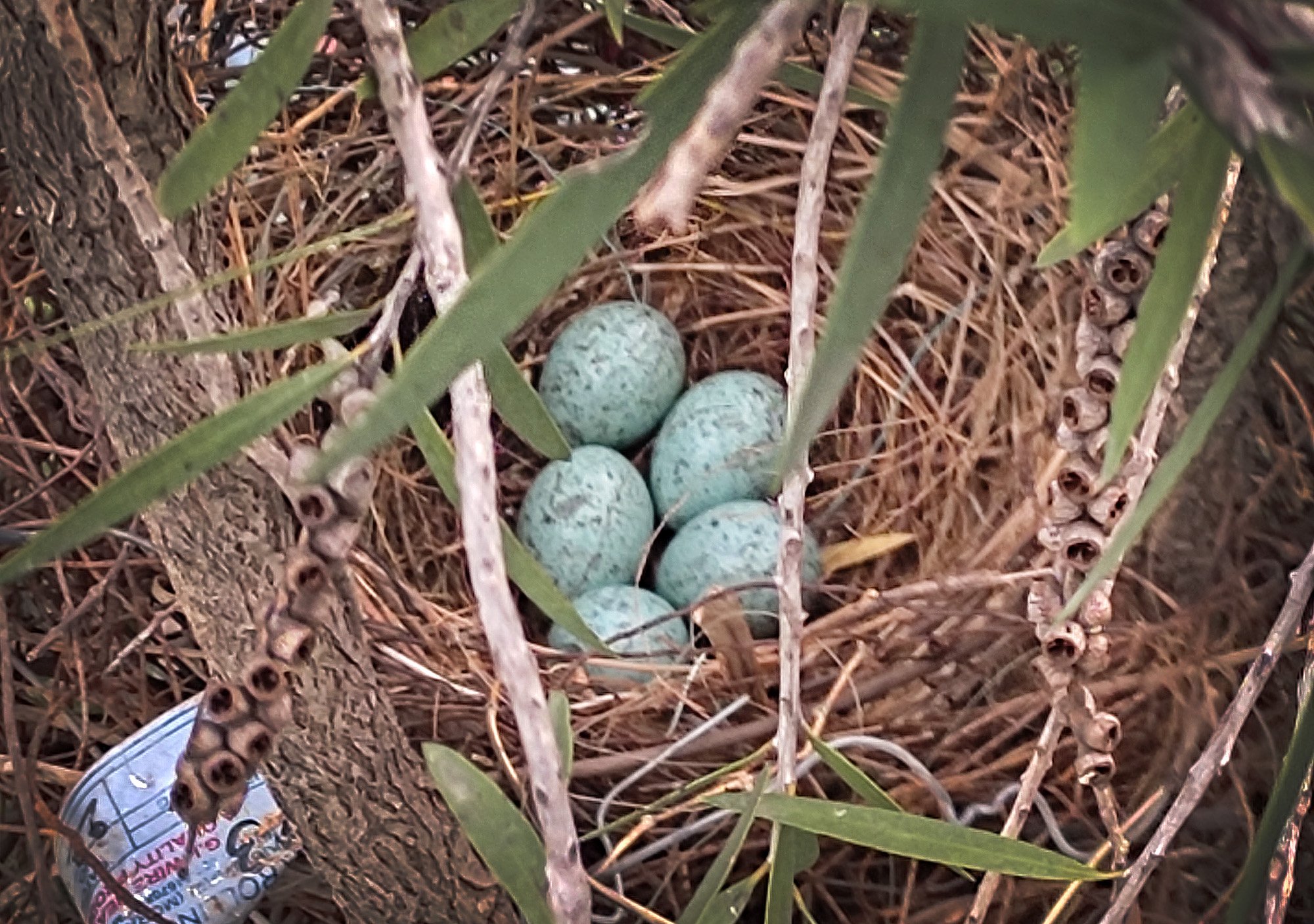
With the destruction of large trees used for nesting, it has become very difficult for crows to raise their young, yet they are trying to survive amidst the urban chaos and crisis.
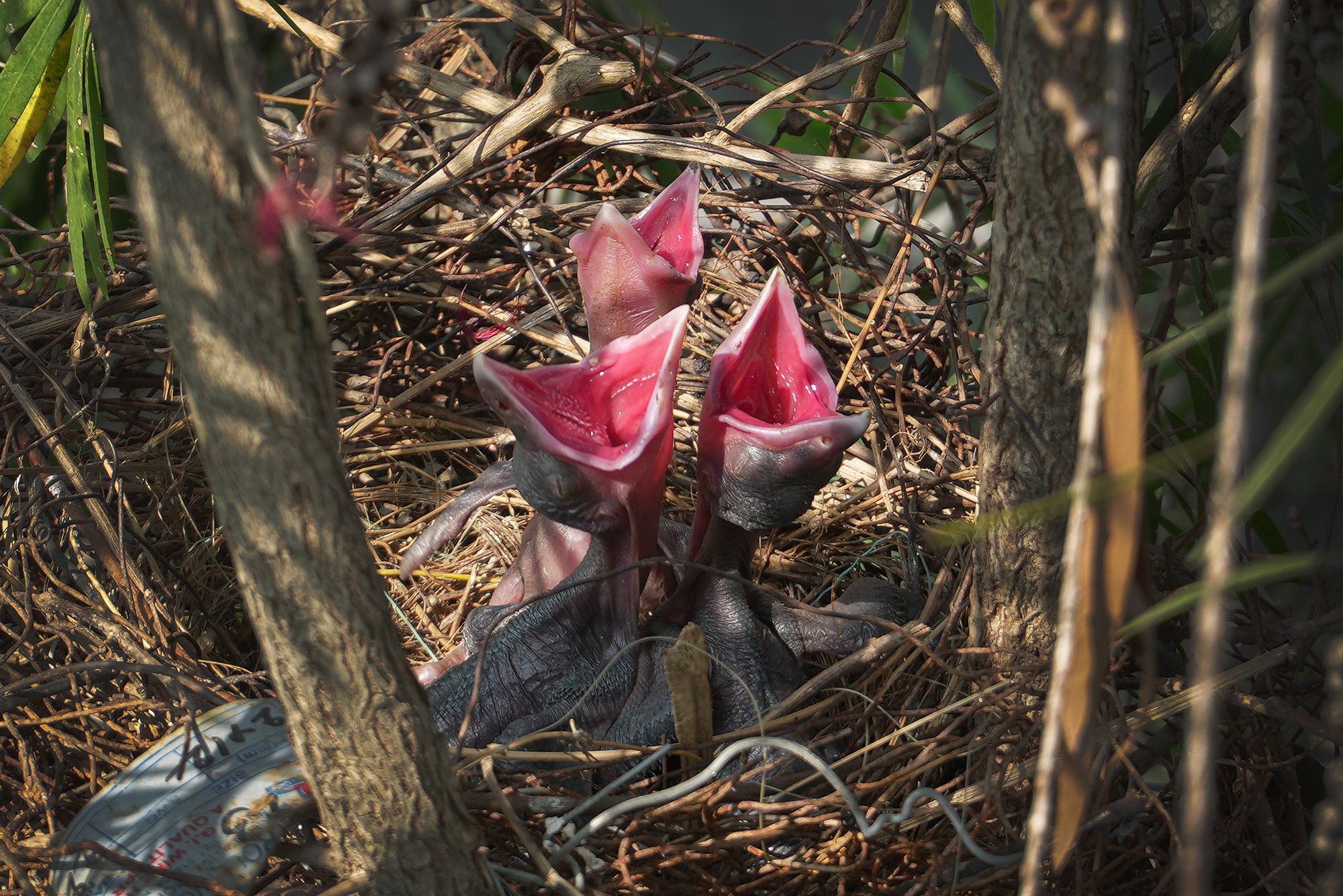
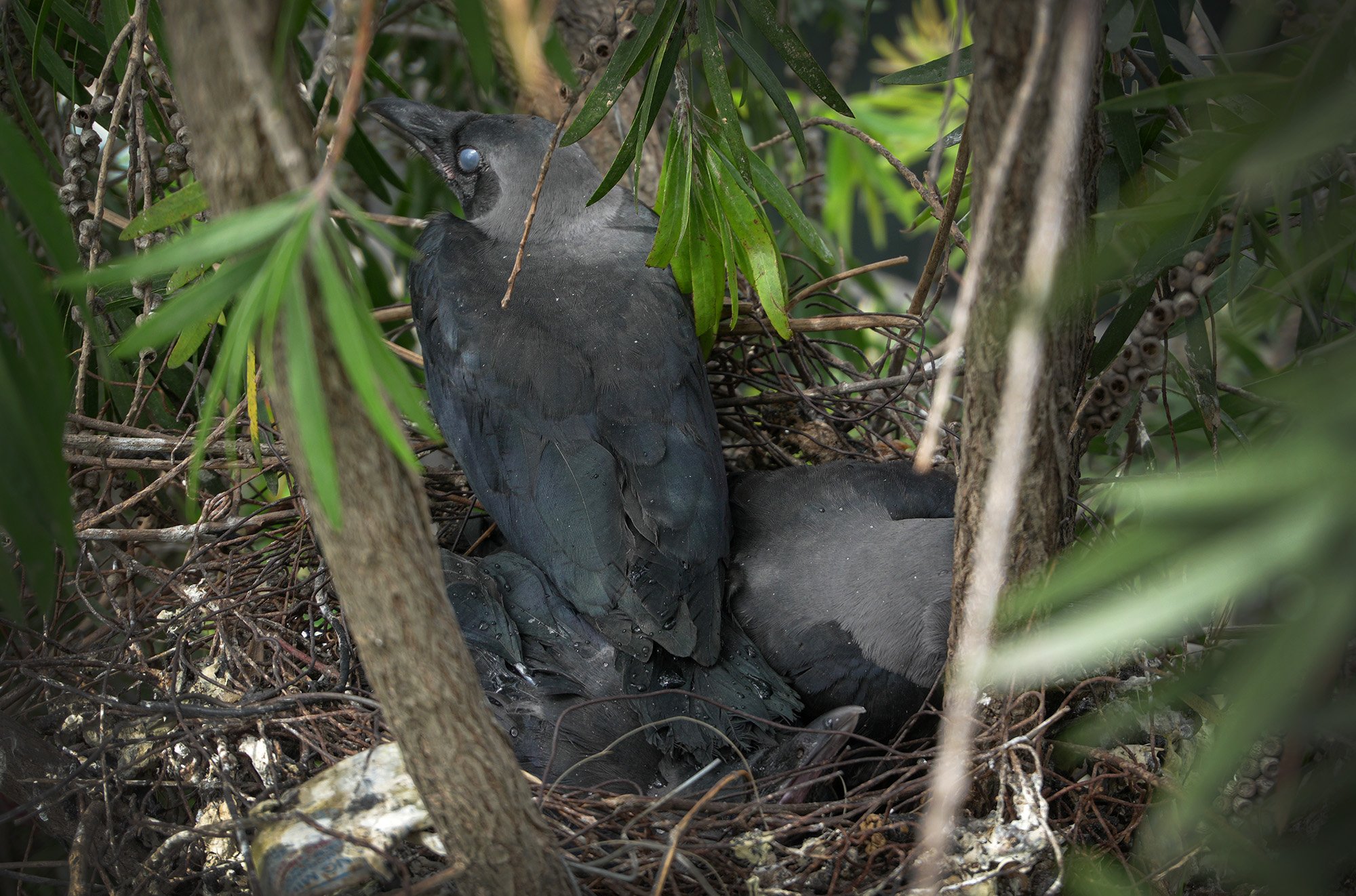
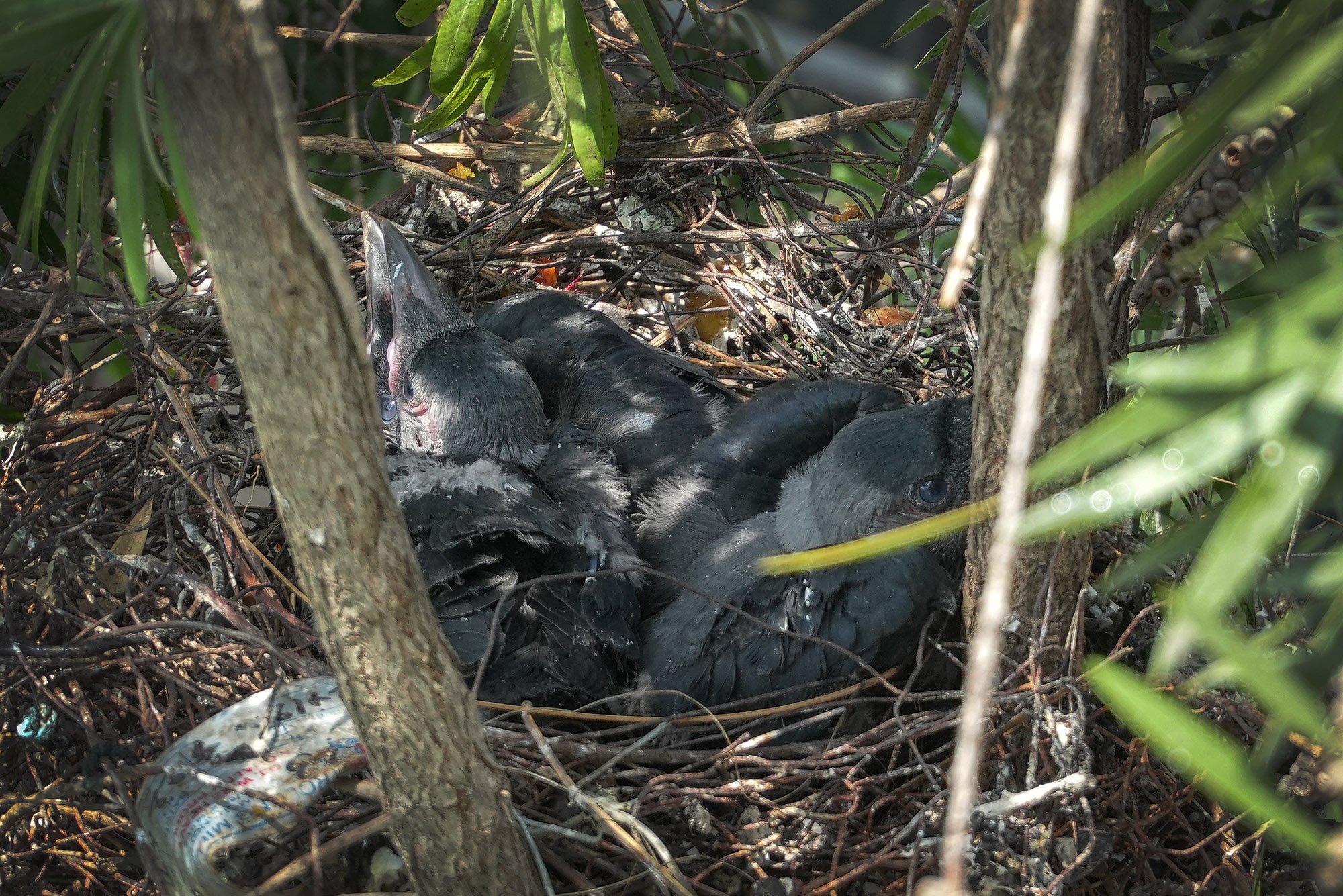
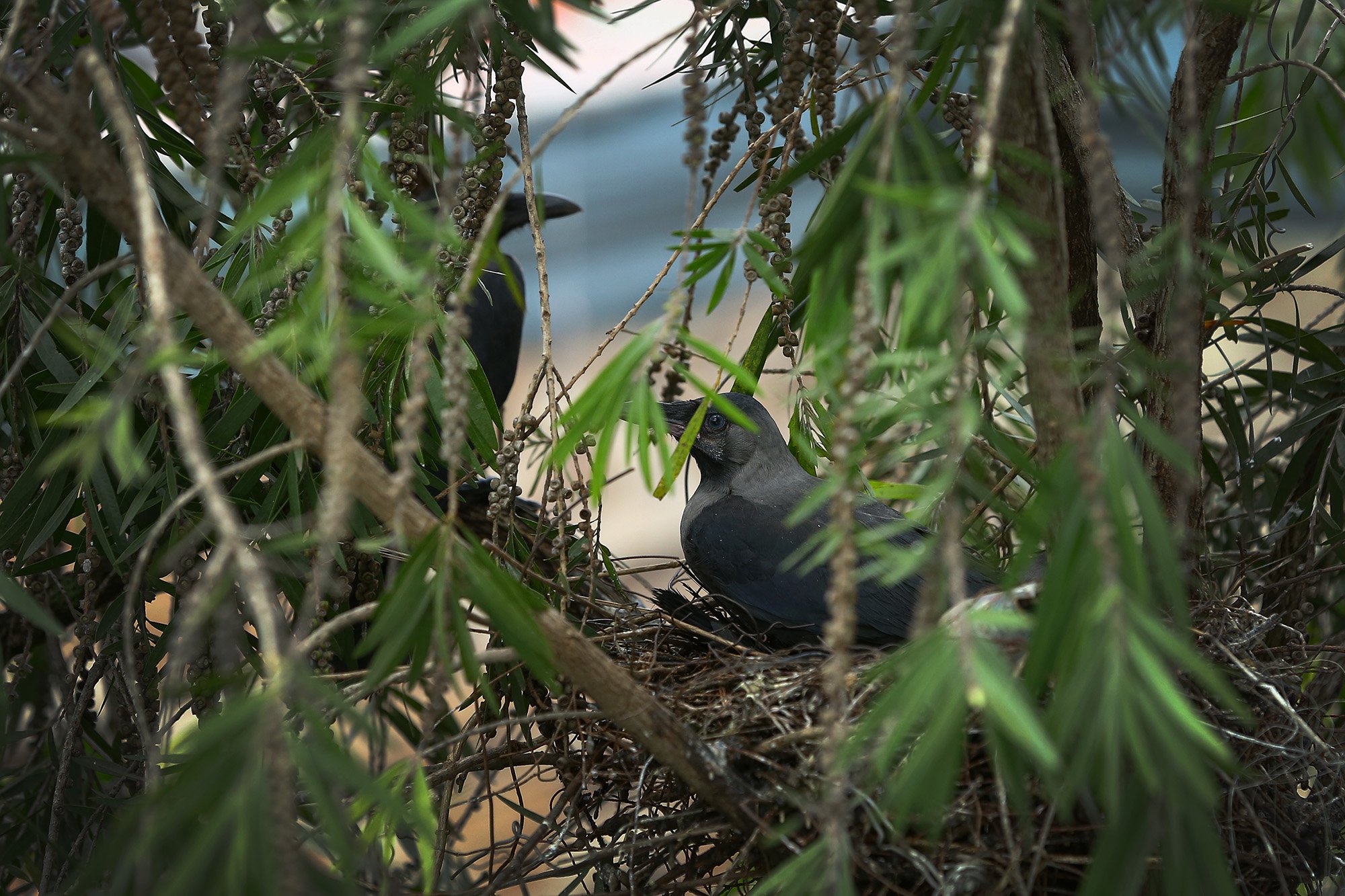
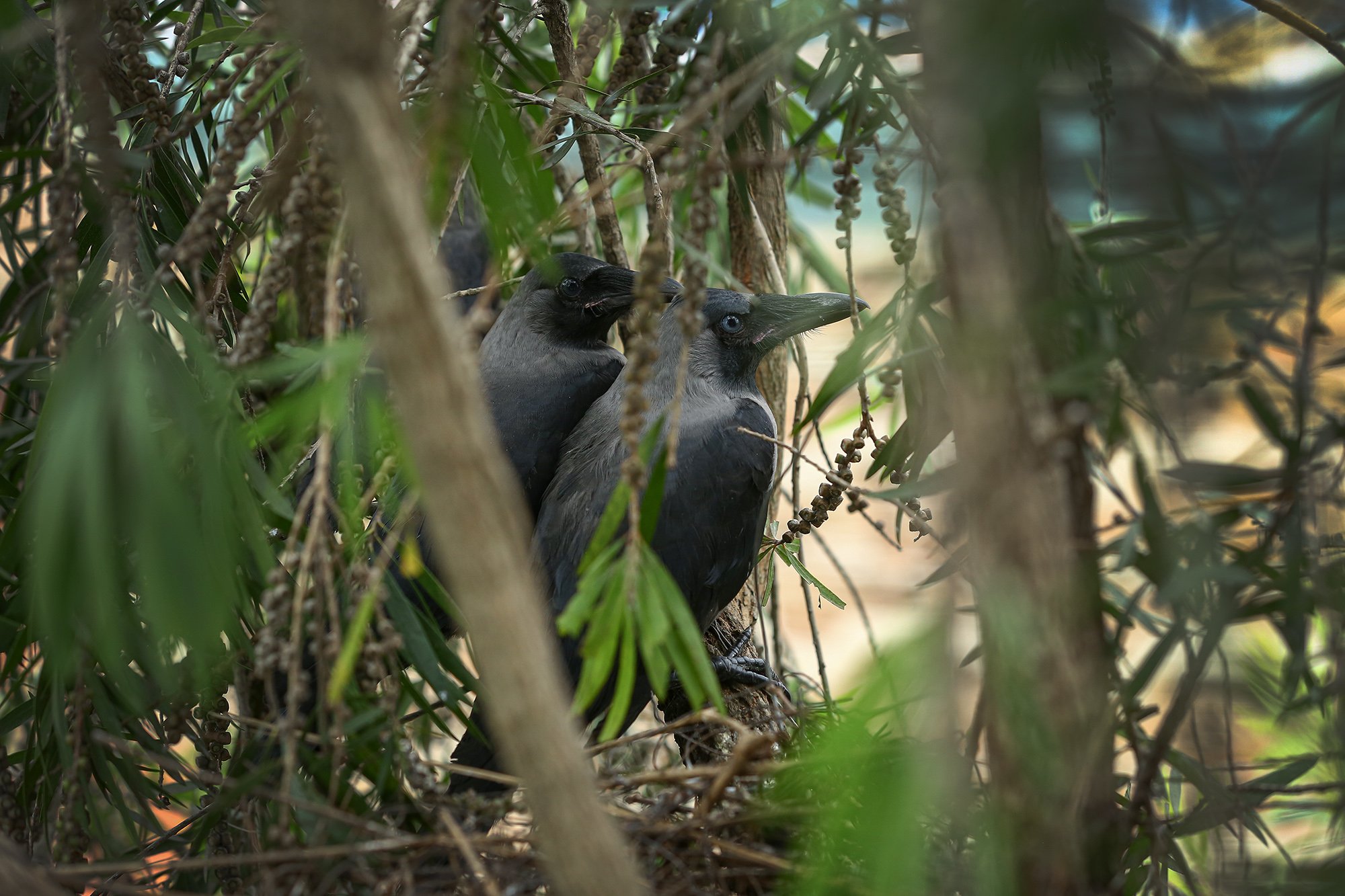
In the Naikap area of Kathmandu, an interesting cycle from laying eggs to raising young crows until they become adults has been captured on camera. This cycle takes about 50 to 60 days to complete. After laying eggs, both male and female crows take turns incubating them.
Chicks hatch from the eggs within 18 to 25 days of incubation. These small chicks take about 5 to 7 weeks to be able to observe the outside world from the nest. The main breeding season for crows is May, June, and July.
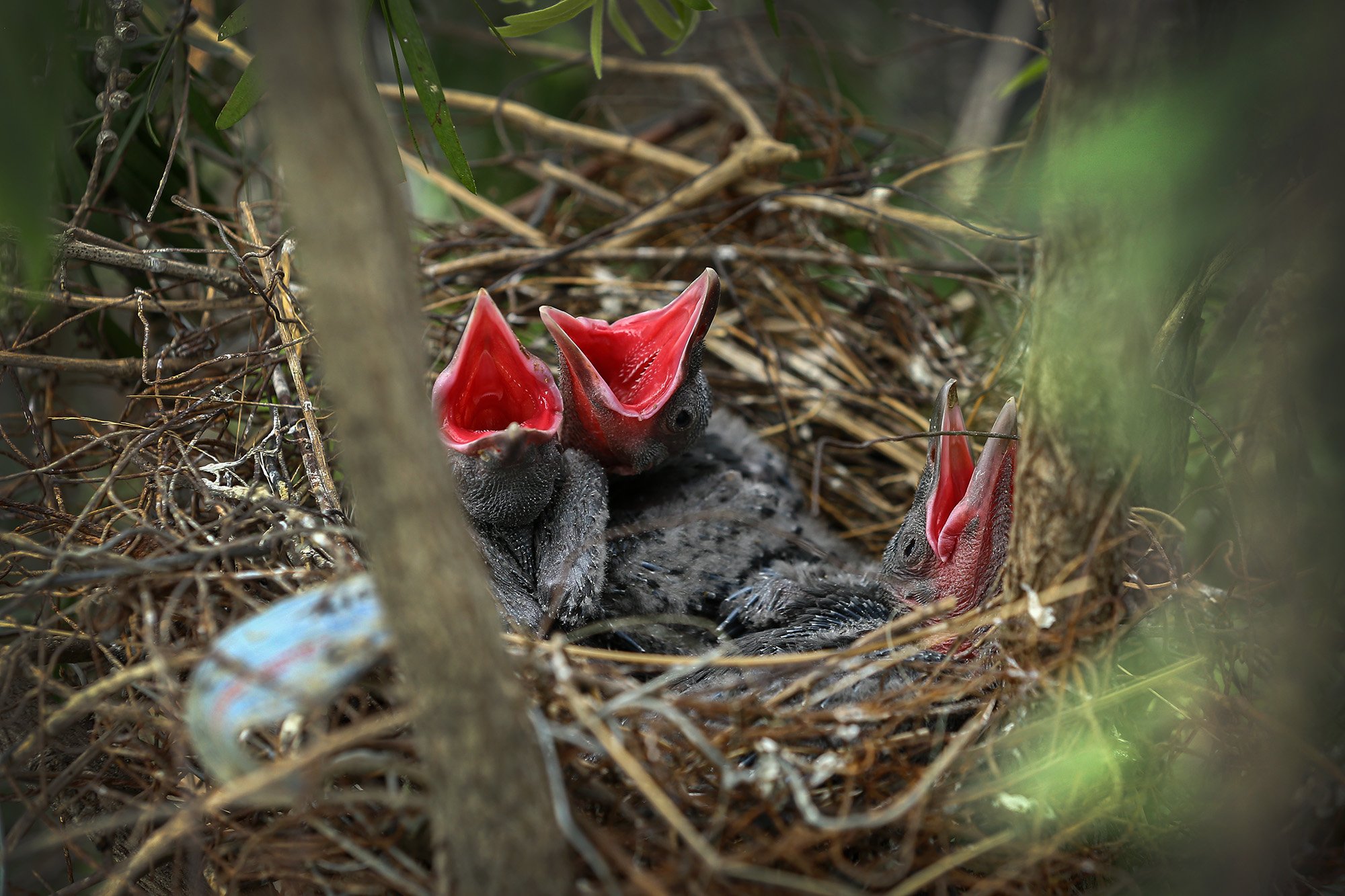
Due to rapid urbanization in the valley, crows are being displaced from the forest areas (border of rural and forest areas) considered safe for them. The fields and surrounding trees where crows nest are being cut down and new houses are being built rapidly. Due to lack of space, crows are forced to nest in trees within human settlements, taking risks, to hatch their young.
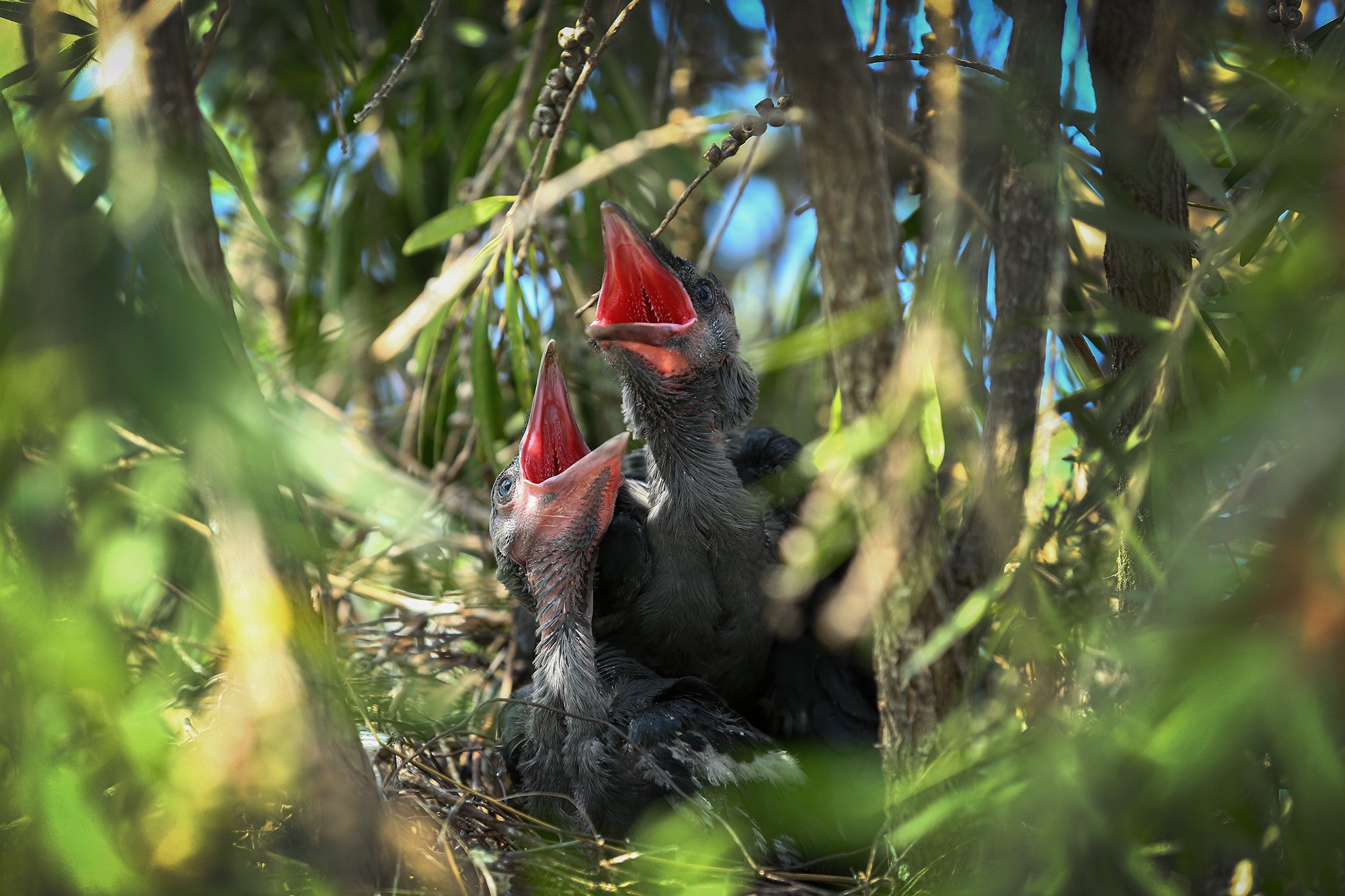
As the presence of crows increases within settlements, it has also led to another major health crisis risk. The nests built by crows in the expanding settlements of the new Naikap area clearly tell the story of how much their habitat has shrunk.
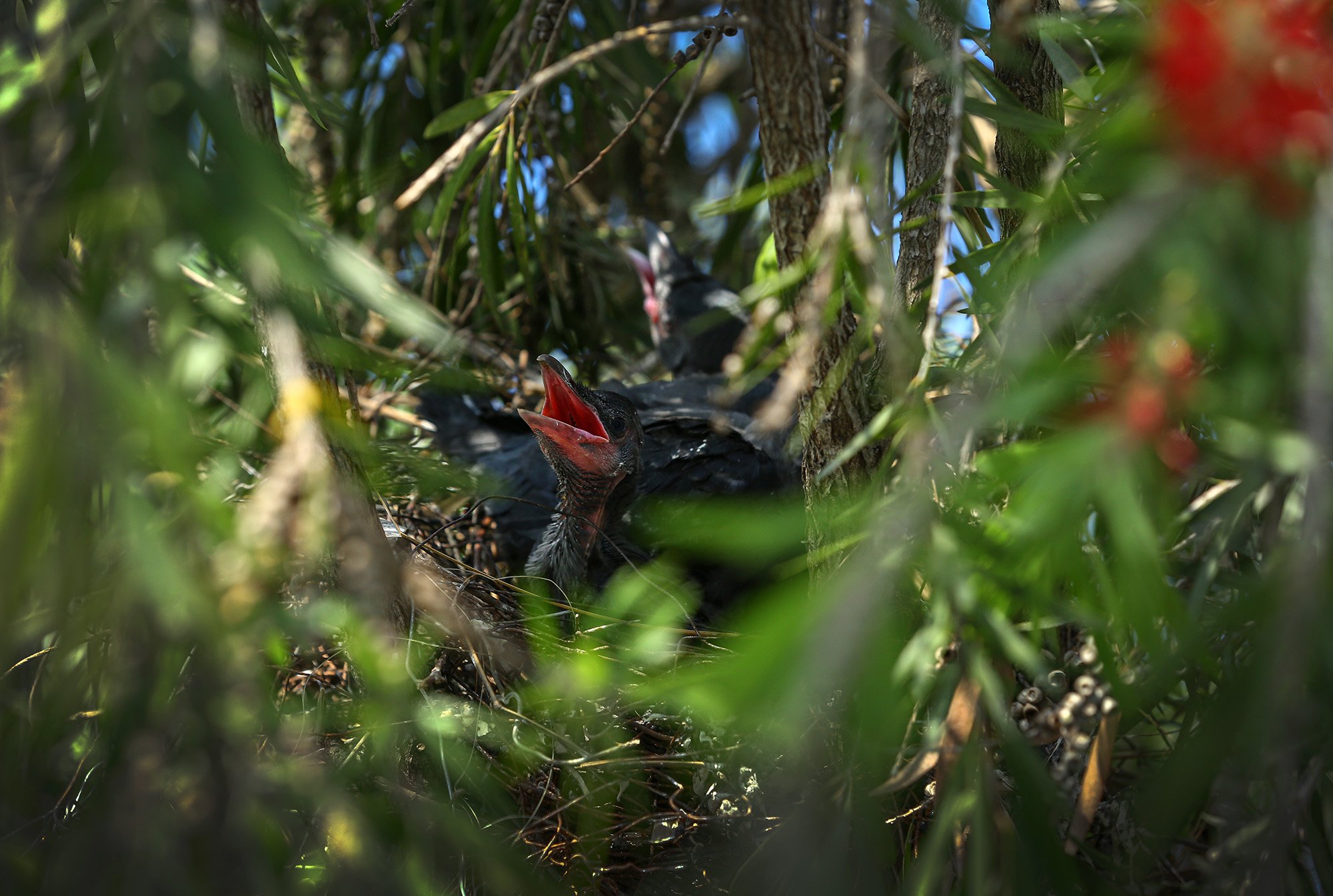
With the development of human settlements on agricultural land, crows have started living in people's courtyards and around houses due to the lack of trees. As the distance between birds and humans decreases, the risk of bird-borne diseases like bird flu spreading to other animals and humans increases.
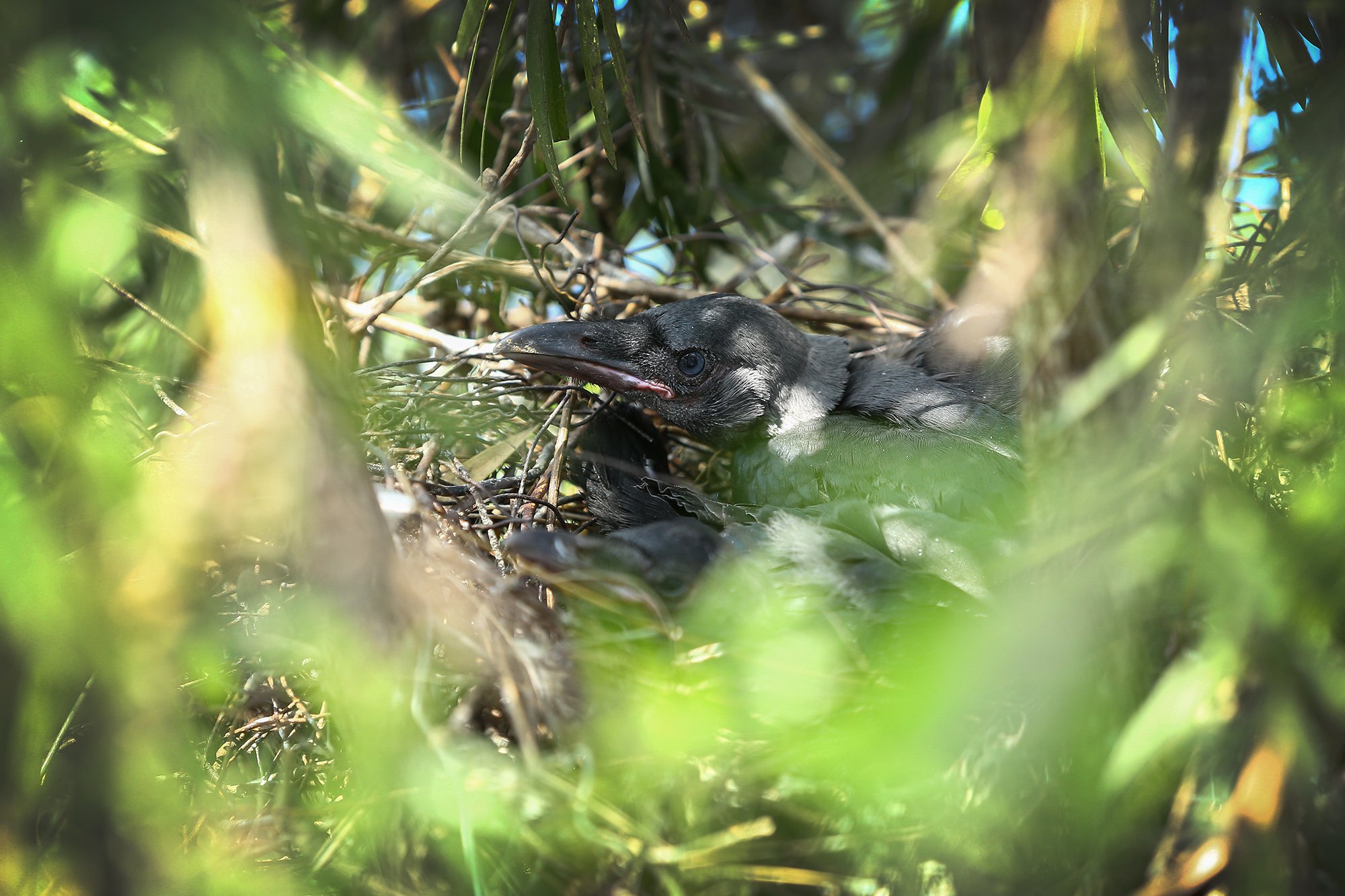
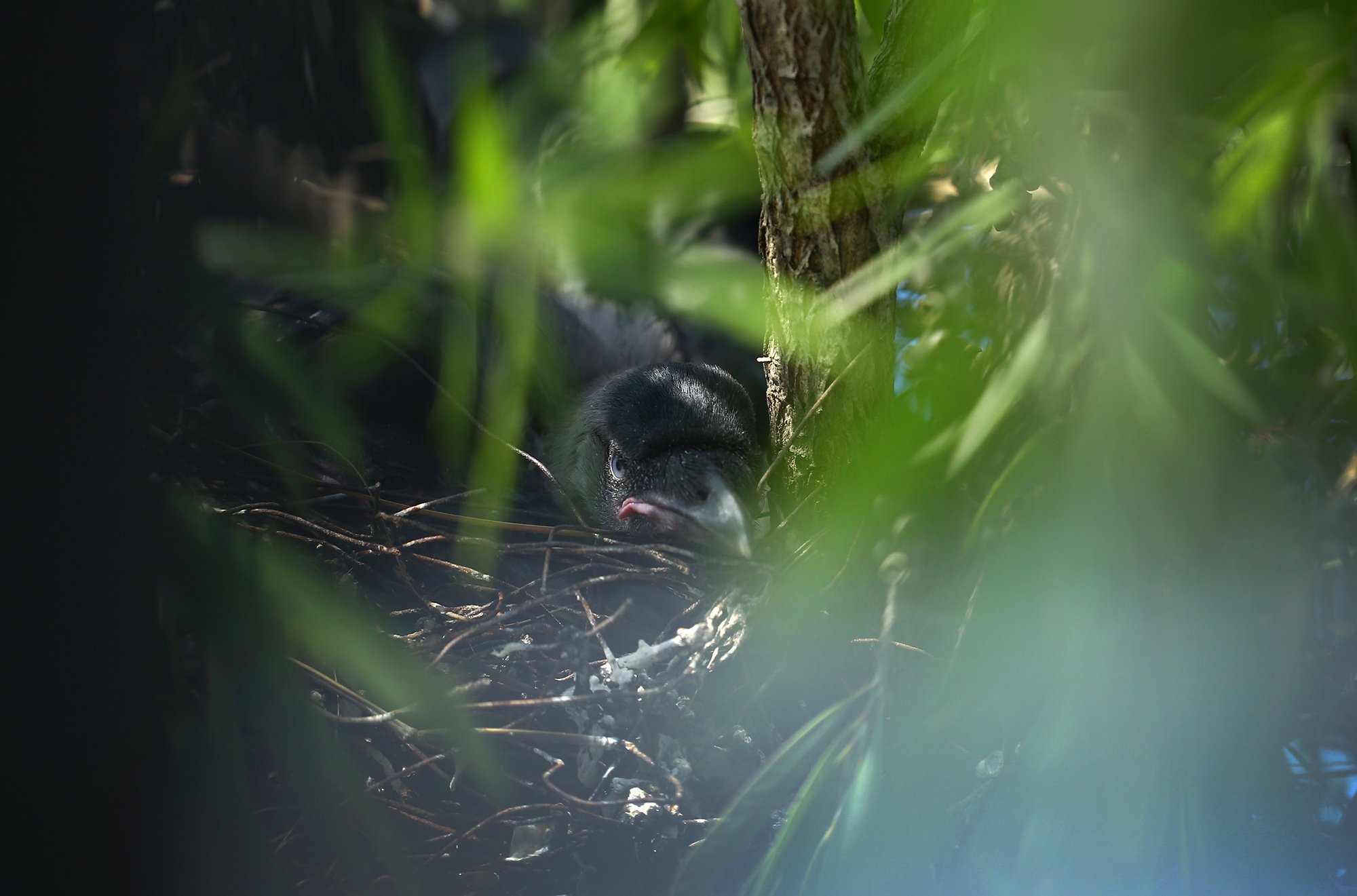
Words/Photos: Prakash Chandra Timilsena/Nepal Photo Library
This specific news has been automatically translated by AI. As a result, there may be some inaccuracies or language errors.

_cvUCBlwFTZ.jpg)
-_1G7BwdShoz.jpg)

_DaDVqJhrUo.jpg)
_hXuKAenRlA.jpg)