Bagmati Province Government Faces Leadership Change Discussions Amidst Coalition Disputes

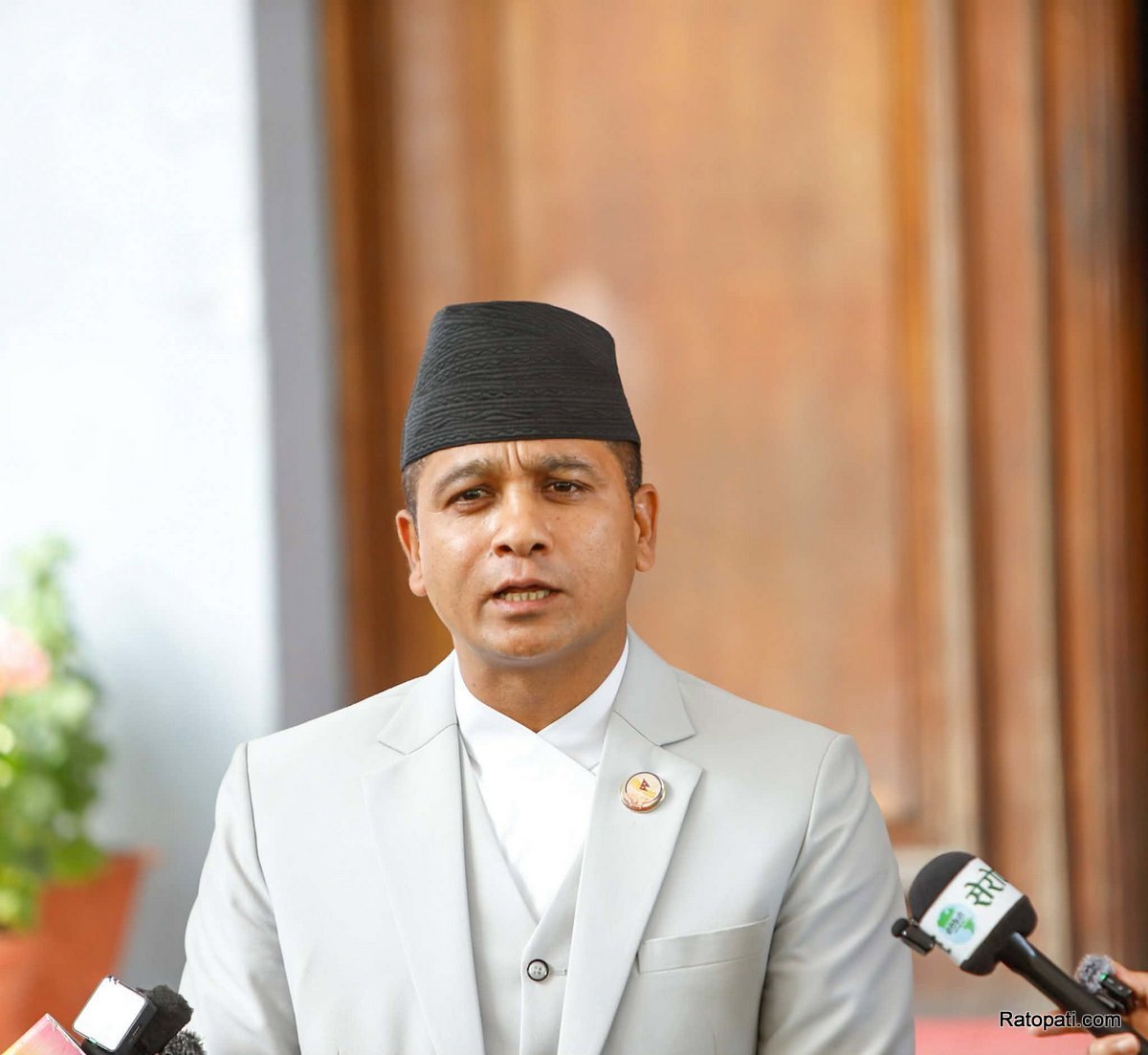
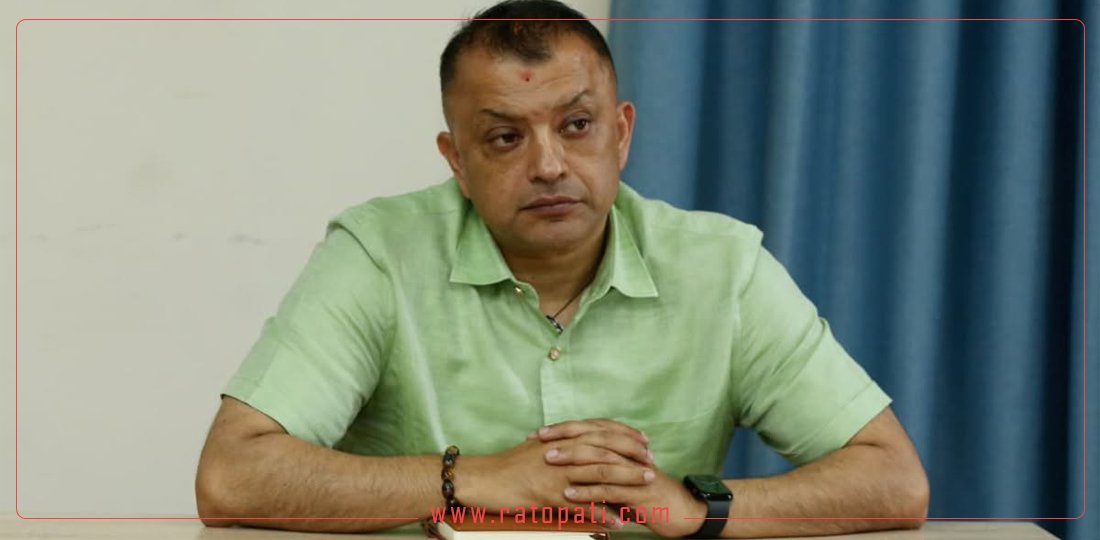
Makwanpur. Discussions about changing the leadership of the Bagmati Province government and reshuffling the cabinet have heated up the political circle. However, the disagreement between the two major ruling coalition parties, Nepali Congress and CPN-UML, has increased uncertainty. The administrative and political compulsion to reduce the number of ministries from 14 to 8 starting from Shrawan 1 has further created pressure for a government change. The ruling UML has been claiming that the leadership of the government should come into its hands from the first week of Shrawan. UML has stated its opinion that it should get the leadership according to the gentleman's agreement and task force-level understanding reached during the formation of the government. UML has been saying that the government will be reshuffled amidst the process of reducing the number of ministries. On the other hand, the Nepali Congress, which is leading the government, does not seem to be in favor of changing the Chief Minister immediately. However, a faction within Congress is preparing to remove the current government led by Chief Minister Indrabahadur Baniyan due to dissatisfaction with the budget. A faction of Congress argues that the government's stability, good governance, and service delivery should be prioritized, and claims that there is no written agreement for leadership transfer. According to that faction, reducing the number of ministries is an administrative reform aspect, and linking it to changing the Chief Minister would lead to political instability. That faction states that the public has given a mandate against instability, so the current government should be continued. Another faction of Congress is gathering support to oust the current government, calling it a failure. The main opposition party, the Communist Party of Nepal (CPN), is currently in a 'wait and watch' strategy. CPN has clarified that it is not in favor of an immediate government change, calling the power struggle between Congress and UML their internal affair. However, CPN is preparing to consider the decisions made at the center as the basis for power sharing in all seven provinces. Although provincial leaders are intensifying their party's stances and preparations, the final decision appears to depend on the consensus of the top leaders at the center. With the reduction in the number of ministries from Shrawan 1 certain, whether a new government will be formed in Bagmati or the old one will continue will determine the future political direction. No interest in government change: Dhakal CPN Bagmati Province Parliamentary Party Chief Whip Ratna Prasad Dhakal said that his party has no interest in the discussion of changing the current provincial government and the tug-of-war between the ruling coalition parties. He clarified that there is no possibility of his party participating in the current Congress-UML coalition. Dhakal argues that since there is an agreement between the two major parties at the center, there is no sign of the coalition breaking up immediately in the province. According to him, the CPN, which is in the opposition, is closely watching the internal disputes between Congress and UML, but has adopted a policy of not getting involved in their quarrels. 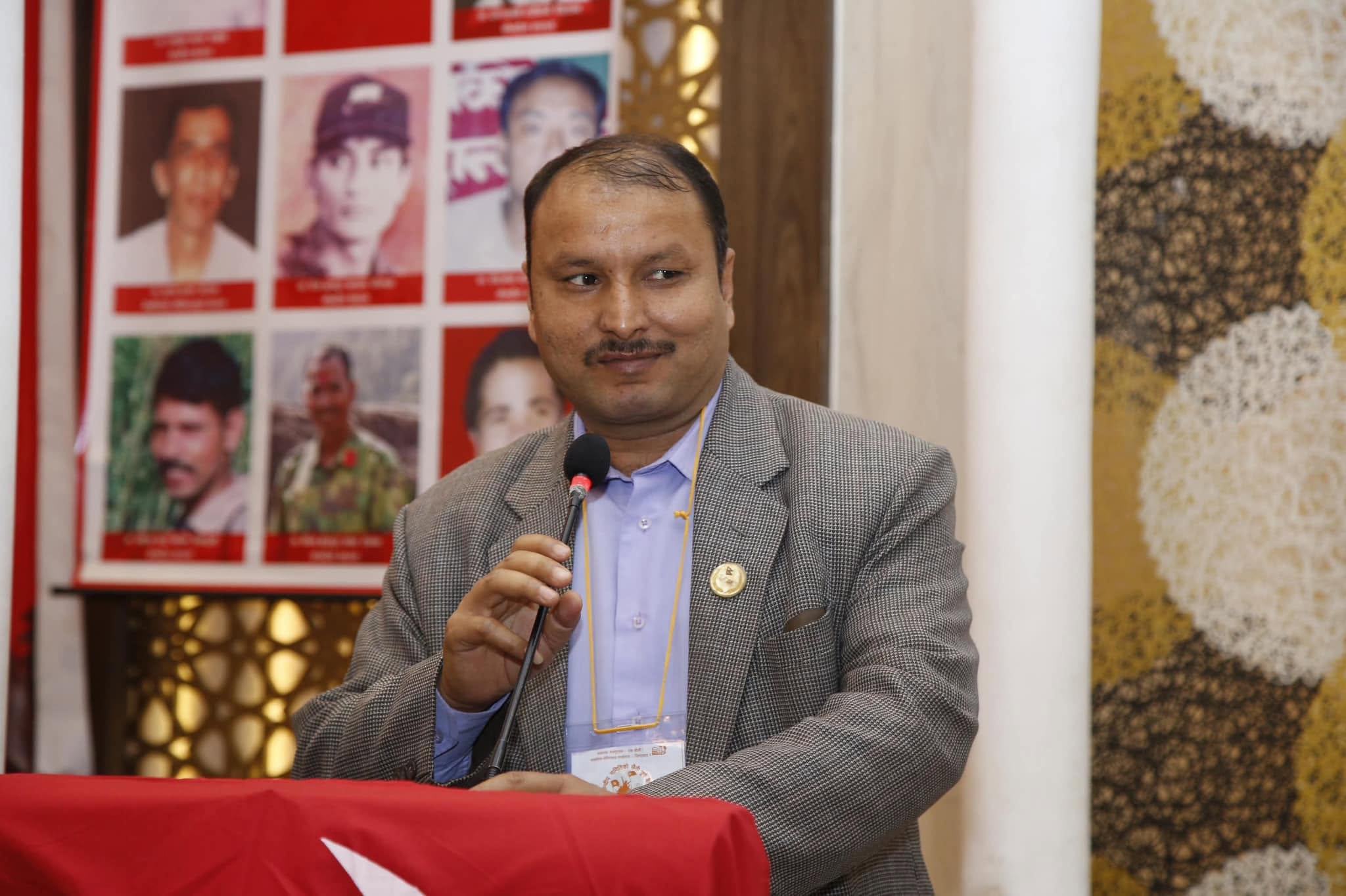 Chief Whip Dhakal said that the claims being made to sustain the government or form a new one are internal matters of the two parties, and the CPN will remain outside the government for now. Dhakal said, 'Currently, governments in the provinces are primarily run by the coalition of Congress and UML. There are some internal contradictions between them regarding who will be the Chief Minister or who will be a minister.' He added, 'Since the coalition's unity appears strong, we do not see any major problems other than the fight for positions. We have no participation or desire in this.' Dhakal stated that as long as the Congress-UML coalition remains, they will not discuss the government. 'Only if their coalition breaks and a government cannot be formed will we consider it. For now, we are staying away from their internal conflicts,' he said. Discussions ongoing regarding government change and ministry allocation: Pokharel CPN-UML Bagmati Province MP Keshav Prasad Pokharel said that according to the previous agreement, UML should now get the leadership of the Bagmati Province government, but the current situation is not like that. He stated that discussions are ongoing regarding government change and ministry allocation.
 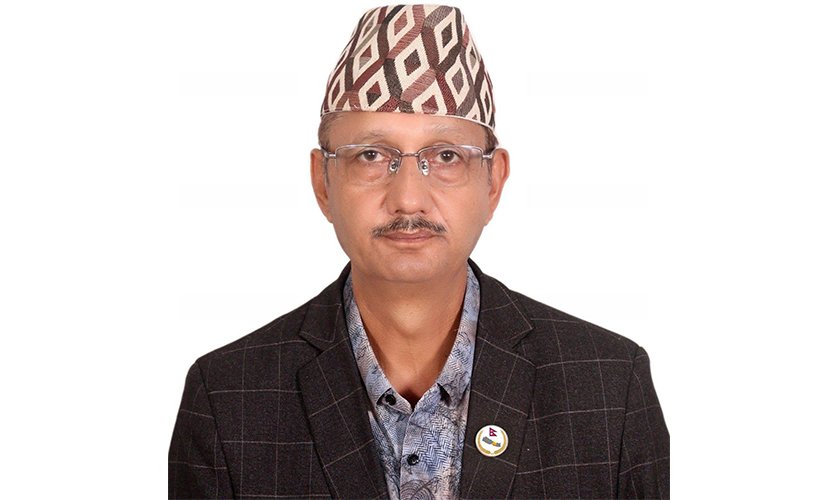 Pokharel indicated that a new political situation might arise from the first week of Shrawan. He clarified that the gentleman's agreement and the written understanding at the task force level between Congress and UML should be implemented. He stated that since the government is preparing to reduce the number of ministries from 14 to 8 from Shrawan 1, there is a strong possibility of forming a new government and moving forward at this opportunity. However, he said that the central leadership will make the final decision on this matter. 'There was an agreement to change the province based on the central coalition, and after Congress, UML would lead,' he said. 'If the agreement is implemented, then the government should move forward under UML's leadership. It is not possible to accommodate 14 ministers in 8 ministries. Therefore, the government must be reshuffled in a new way from Shrawan 1.' Pokharel said that although the top leaders at the center are currently preoccupied with their own internal problems and cannot pay as much attention to provincial matters as expected, discussions are ongoing. He stated that the decision on which party will lead the provincial government depends on the package distribution for all seven provinces of the country. Pokharel clarified that it will be decided by the center whether Bagmati falls under Congress's or UML's share. 'However, our strong demand is that according to the previous agreement, UML should get the Chief Minister. There is a strong possibility of change in both the characters and forms of the government from Shrawan 1,' he said. Good governance is the need of the hour, not changing the Chief Minister: Mahajan Nepali Congress Bagmati Province Parliamentary Party Chief Whip Pukar Mahajan said that the leadership of the Bagmati Province government will not change immediately. He commented that the recent discussions about changing the government and the Chief Minister are just market rumors. Mahajan said that this is not the time for power games but for focusing on good governance and service delivery. According to him, there is no written agreement between the ruling two parties for leadership transfer during the past power-sharing arrangements.
 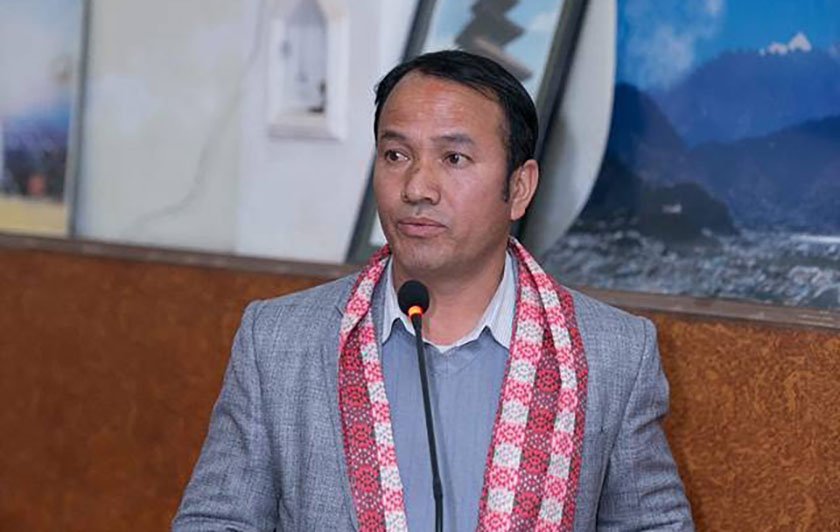 'The public is looking for good governance and an anti-corruption campaign. Changing the government now will send a negative message. The public has chosen new forces as alternatives due to political instability. Therefore, we must provide stability,' he said. Mahajan asserted that there was only a verbal understanding among the top leaders to run the government for some time. He said, 'However, according to the current situation and the demands of the time, we are not in favor of changing the Chief Minister, and it will not happen.' He stated that the Chief Minister has already prepared a plan to reduce the number of ministries from 14 to 8. He claims that the cabinet size will decrease from Shrawan, but the leadership will not change. He said that the main opposition party CPN has also shown determination not to change the current government. He stated that the government is not in trouble due to internal disputes within Congress, but there is some dissatisfaction regarding the improvement of the budget allocation system. 'Some friends have raised questions when trying to establish a system by stopping middlemen's lobbying in the budget. The current budget is much more organized and institutional than the previous one. We are also in dialogue with UML. Although they have some lobbying, most of our friends agree to move forward by reducing the number of ministries,' he said.
This specific news has been automatically translated by AI. As a result, there may be some inaccuracies or language errors.