Nepal Rastra Bank Governor Dr. Bishwa Paudel Unveils Monetary Policy for FY 2083/84

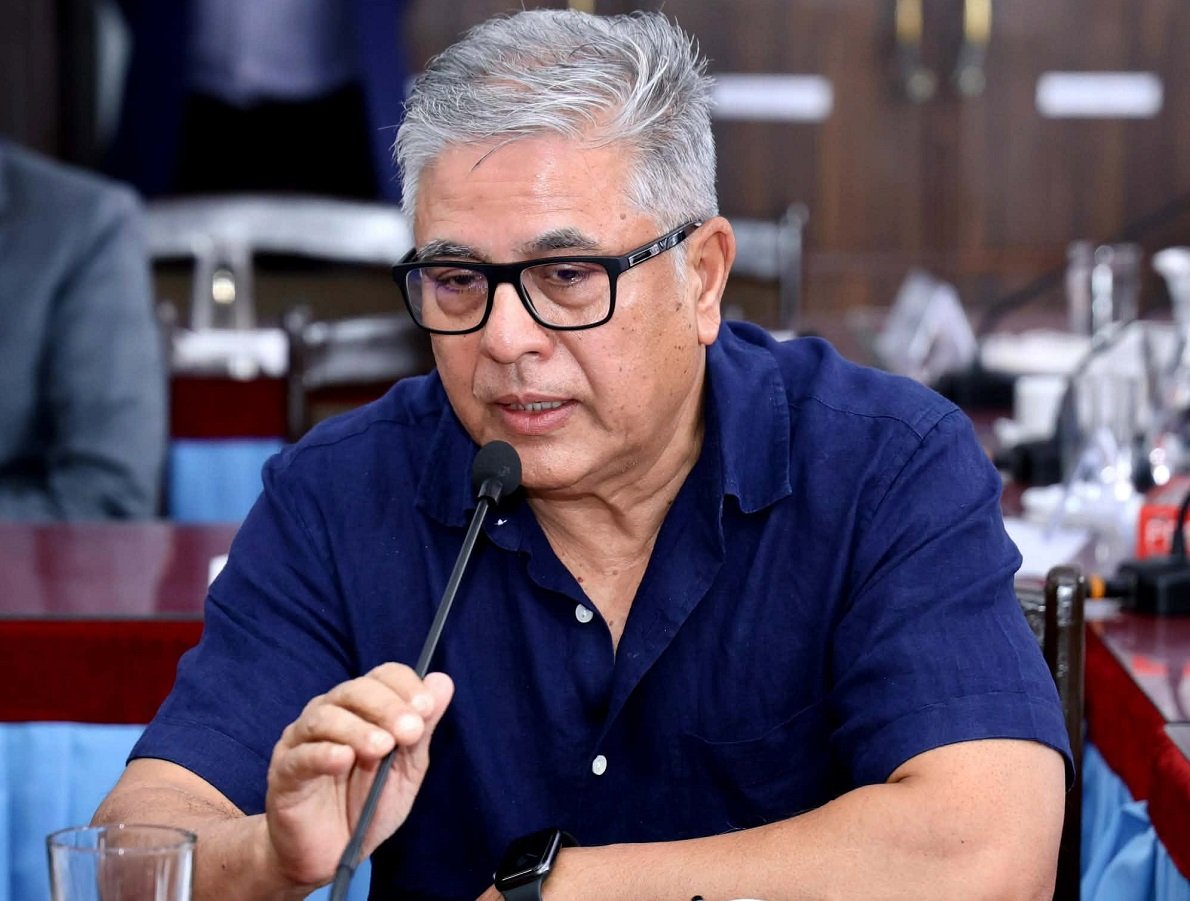
Kathmandu. On Tuesday afternoon, Nepal Rastra Bank Governor Dr. Bishwa Paudel unveiled the Monetary Policy for the upcoming fiscal year 2083/84. Previously, the tradition was to release the monetary policy only after the commencement of the fiscal year.
However, after Paudel assumed the role of Governor, he initiated a new practice by introducing the monetary policy before the start of the fiscal year.
This monetary policy introduced by Paudel has broken the old tradition. It is possibly the shortest policy since the inception of monetary policy by the central bank. Paudel read out the monetary policy in just 3 minutes and 50 seconds.
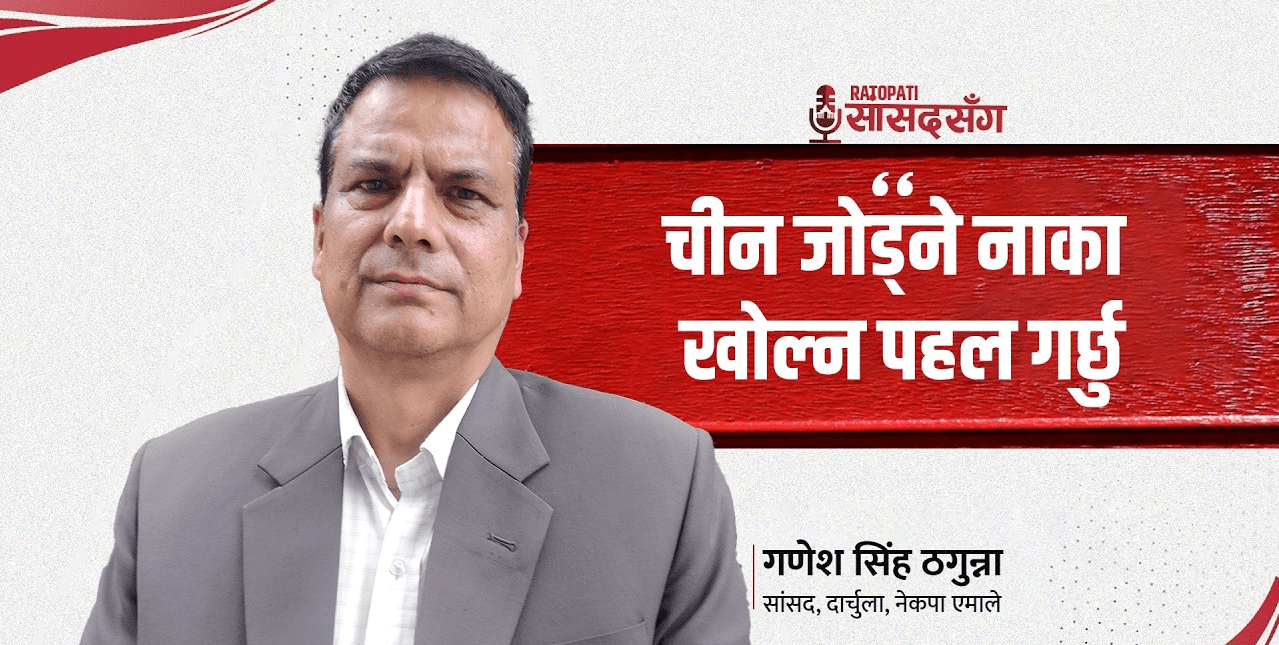
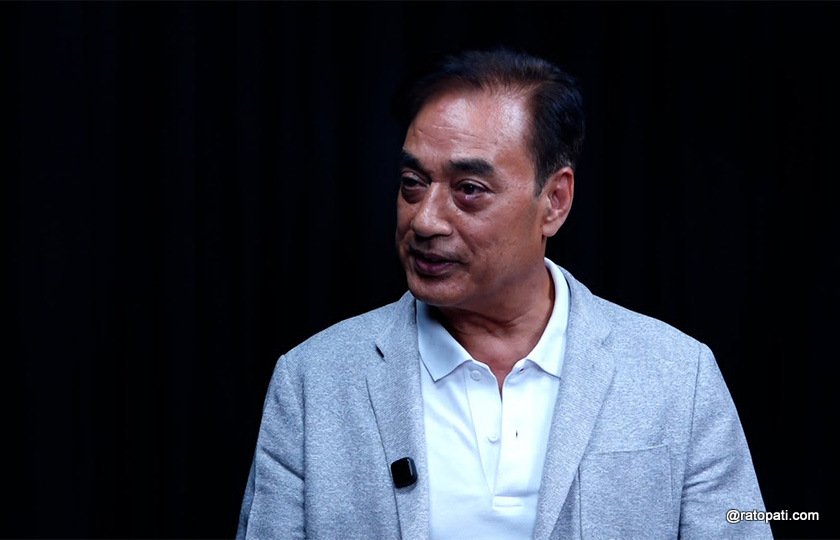
Currently, there is criticism of the central bank, with some stating that the monetary policy has not offered much. However, former central bank governor Chiranjibi Nepal believes this monetary policy has been introduced correctly.
He commented that accustomed to listening to monetary policies for hours in the past, the current policy might not seem significant. 'Since we all listened to the monetary policy for an hour, it might seem a bit unusual to us,' Nepal said, 'but that practice has now been removed.'
According to Nepal, the current monetary policy is supportive of the fiscal policy introduced by the government. His understanding is that the central bank has made things easier for the government and sent a message not to expect too much from the central bank.
'The central bank has introduced a monetary policy that says we are not the main solution; the government's budget is the main solution, and it cannot be done by the central bank alone,' Nepal said. Through the monetary policy, the central bank appears to be seeking only a supportive role.
Globally, those in government tend to take credit when the economy is doing well and blame the central bank when it is not. Nepal claims that the current monetary policy seeks to break that narrative.
'Through the monetary policy, the central bank has clearly stated that I am not sufficient, the government is the main player. It has even said that we will review it every 3-3 months if necessary,' he said.
In the past, the central bank used to provide relief packages that the government did not, making the monetary policy seem larger than the budget. Recalling that the central bank had introduced relief measures even during the COVID period, Nepal clarified that this time the message has gone out that the fiscal policy is the main thing.
Nepal believes that the government's target of 7 percent economic growth is achievable with the monetary policy's credit expansion target of 11 percent. He states that since 40 percent of Nepal's economy is informal, 3 to 4 percent economic growth will occur automatically even without any credit expansion.
With the informal economy being dynamic and the central bank's target of 11 percent credit expansion, 6 kharba 52 arba rupees will flow into the formal sector, making the achievement of 7 percent economic growth easy, according to Nepal's argument.
However, while previous policies used to specify the amount of credit to be allocated to different sectors, the lack of such specifics this time has added some uncertainty. 'Before this, there used to be an estimate of how much money would go to which sector,' Nepal said, 'Perhaps the central bank has done it internally now.'
This specific news has been automatically translated by AI. As a result, there may be some inaccuracies or language errors.
_KGLQG1Q14l.jpg)