
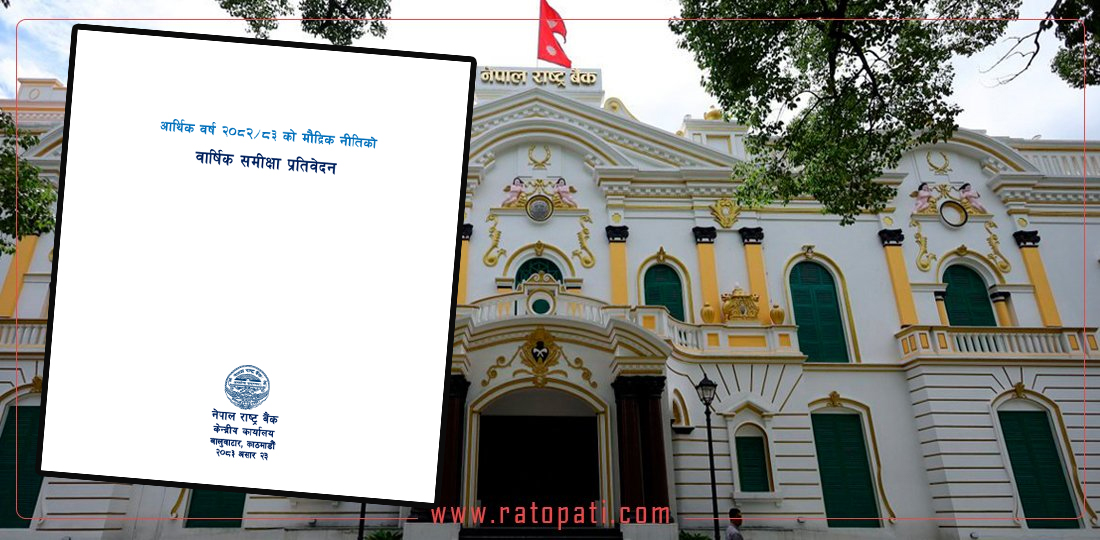
Nepal Rastra Bank Unveils Monetary Policy


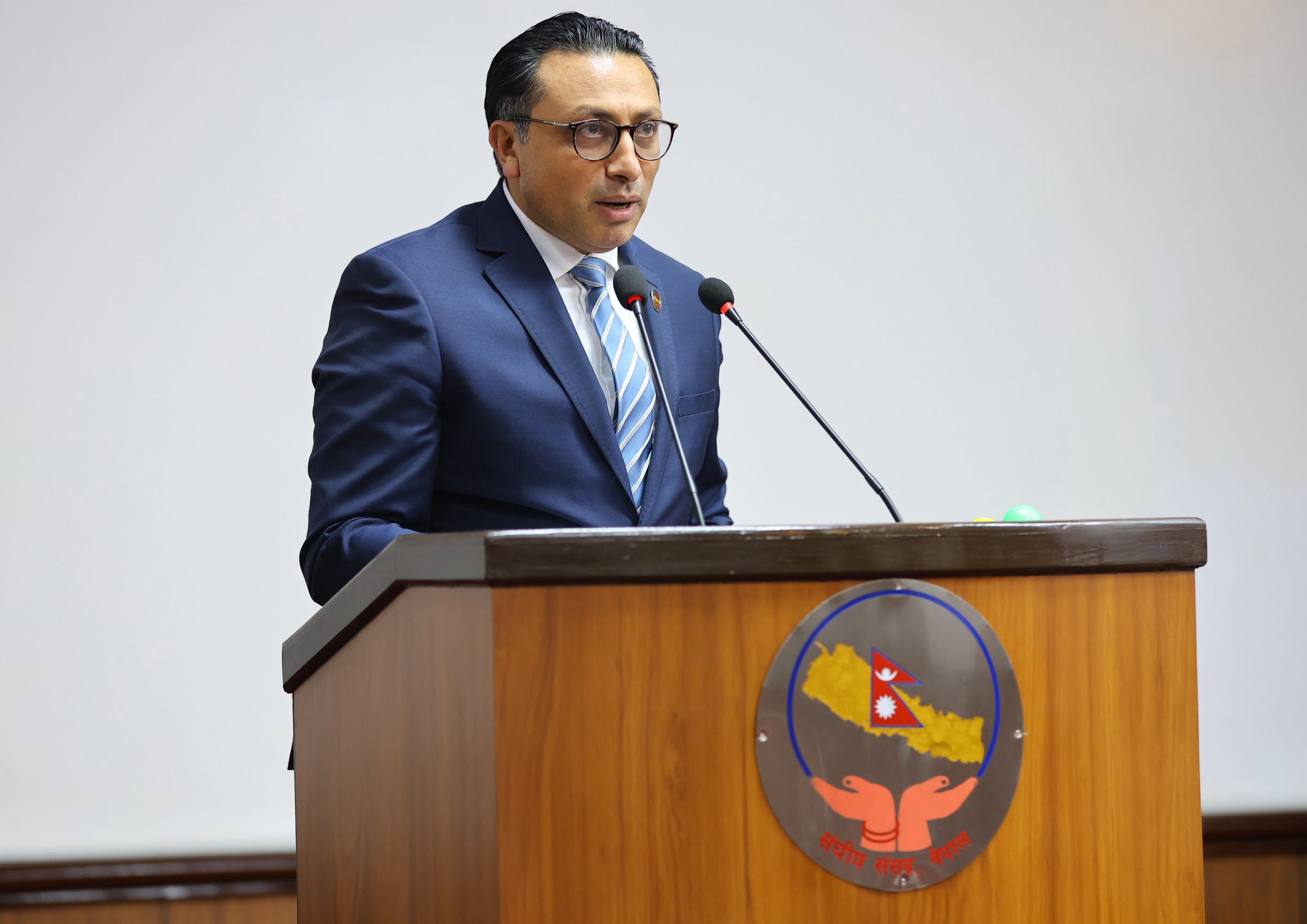
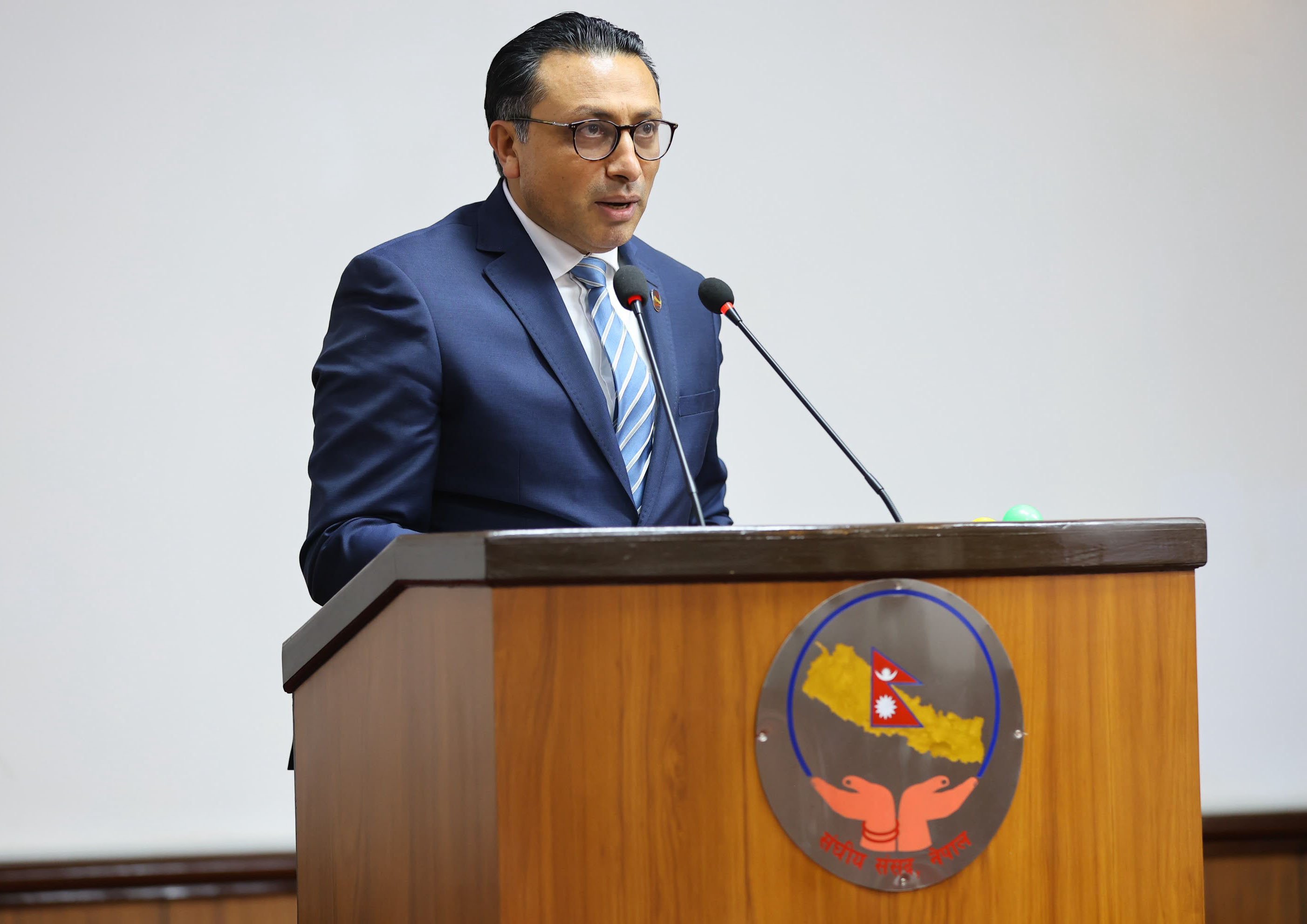
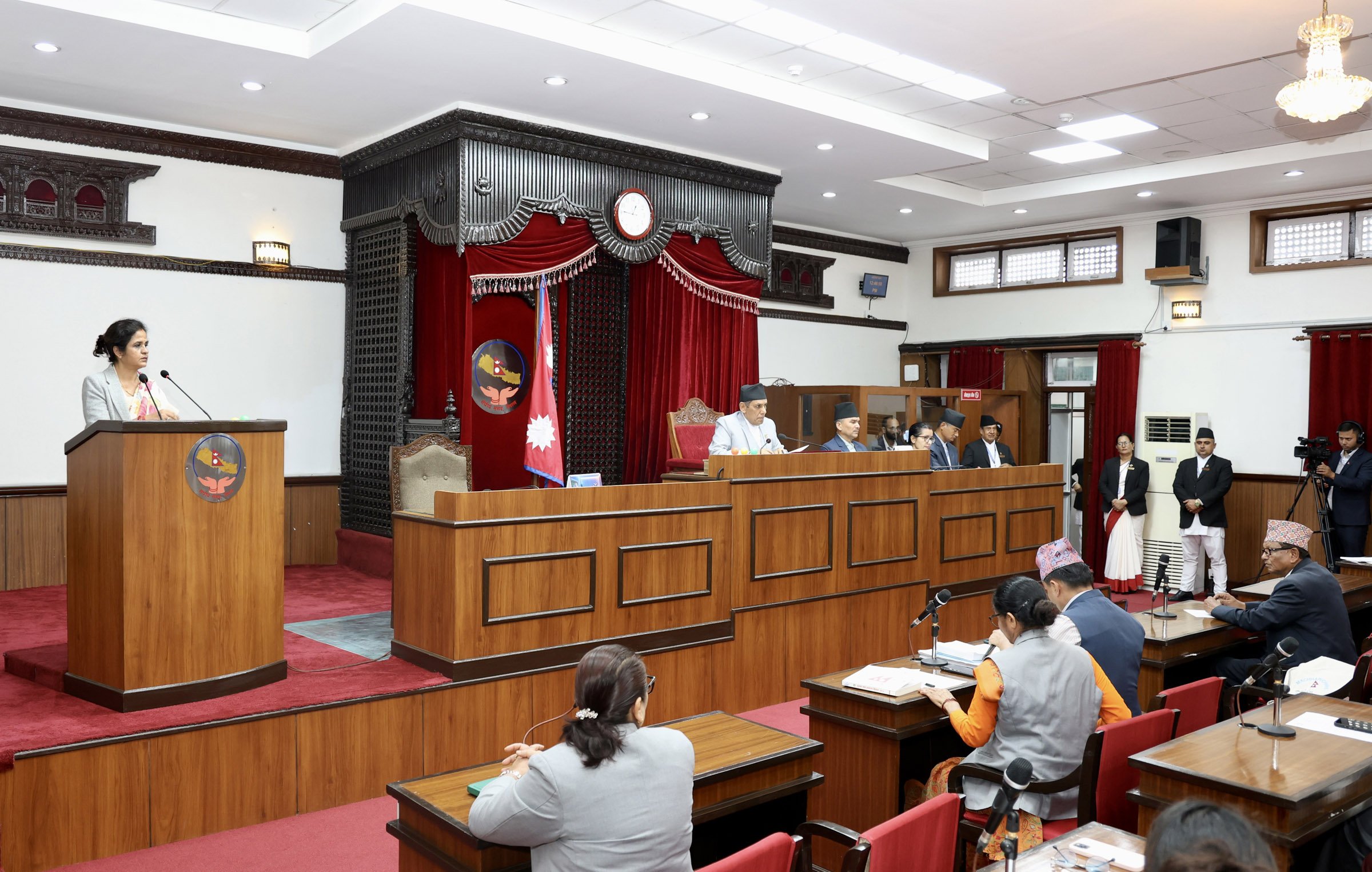
Kathmandu. Nepal Rastra Bank has unveiled the monetary policy. On Tuesday, the bank's Governor Prof. Dr. Bishwa Paudel unveiled the monetary policy.
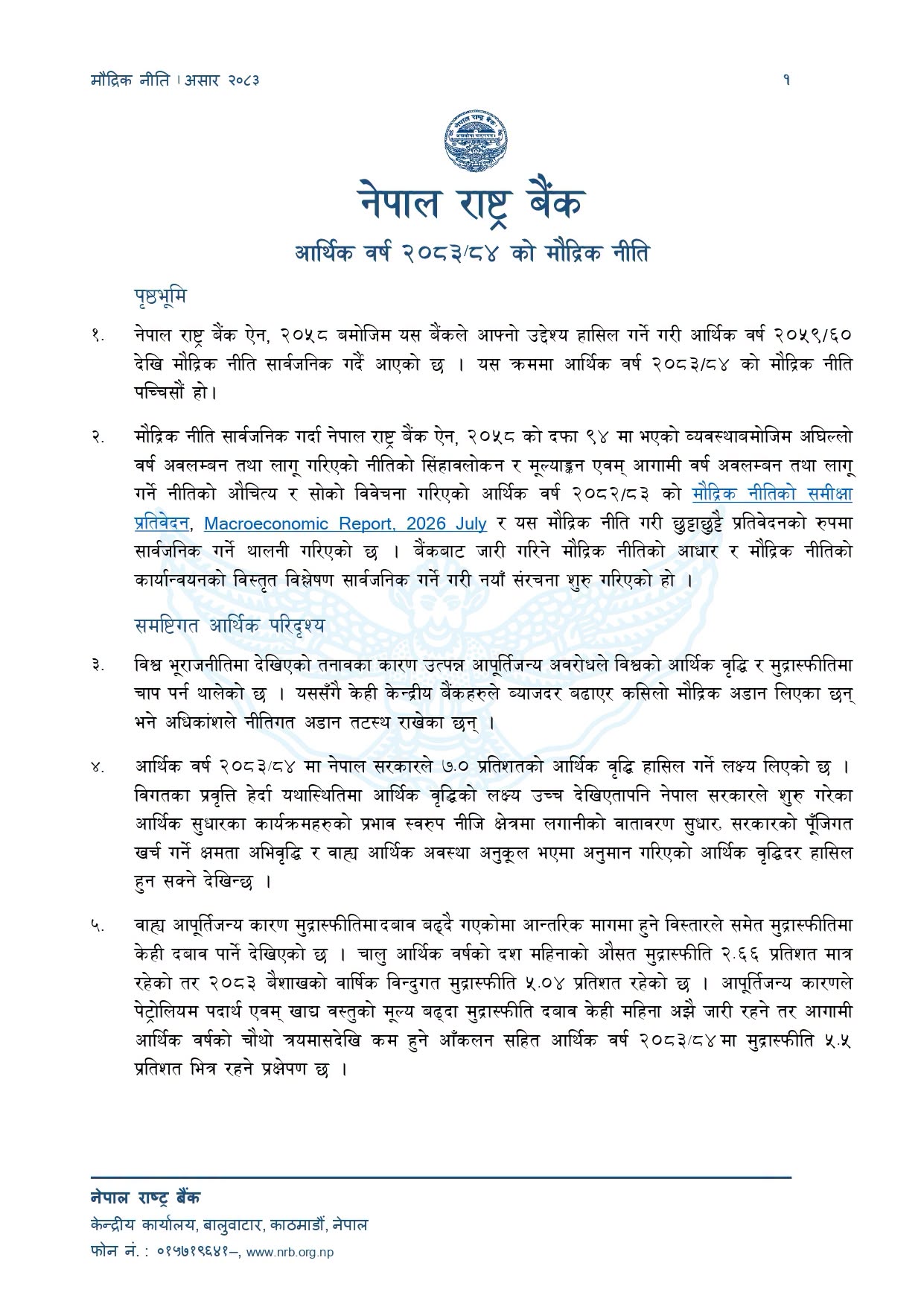
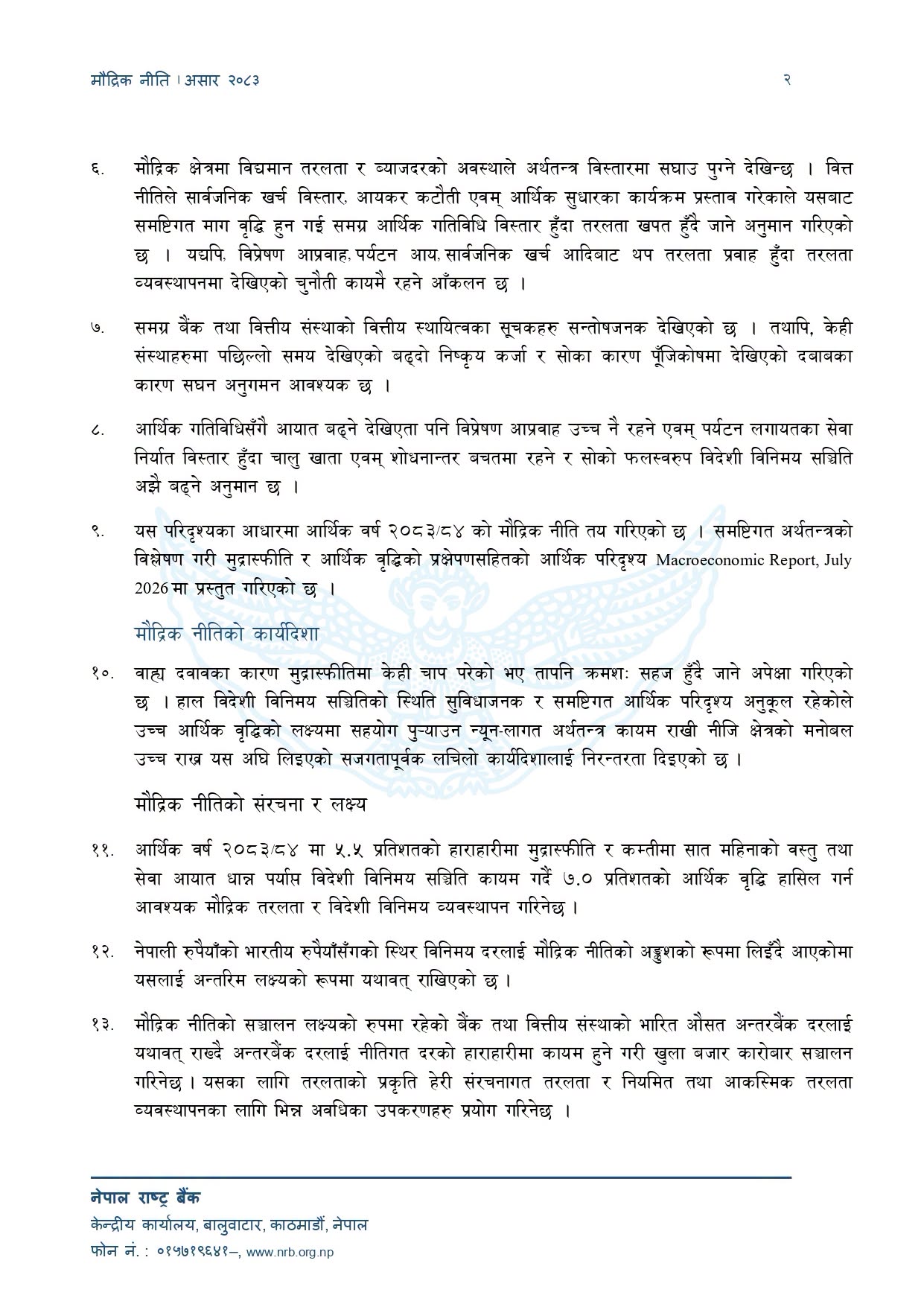
According to this, the inflation target for the coming year is to be kept within the limit of 5.5 percent, with a projection of 11 percent credit expansion towards the private sector and 14 percent broad money supply.
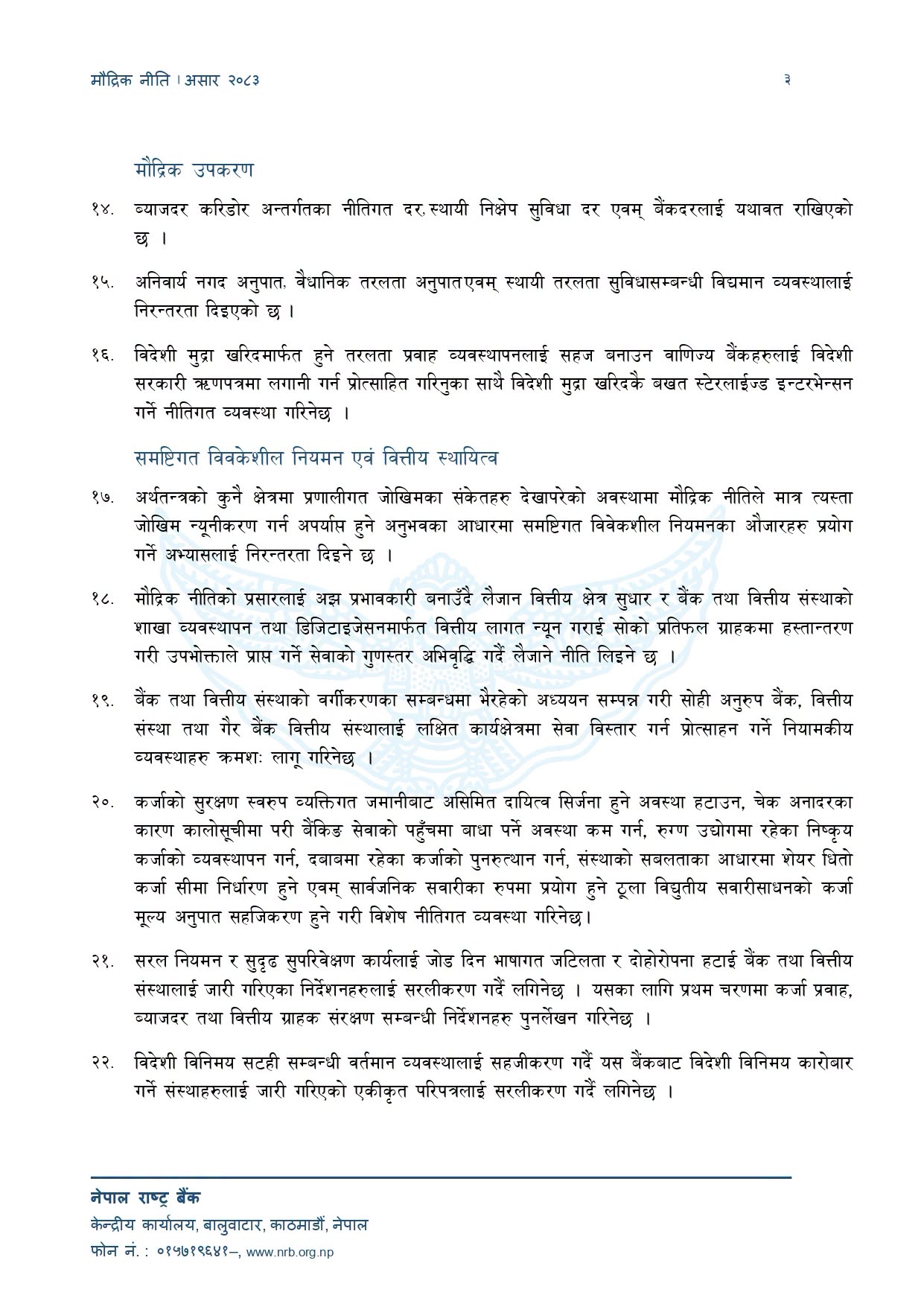
The policy has stated that it will move forward with the concept of specialized banking by reclassifying banks and financial institutions according to their business size and nature.
Main Goals and Projections:
- Inflation Control: To keep inflation (price hikes) within the target of 5.5 percent.
- Credit and Money Supply: For the fiscal year 2083/84, it is projected that there will be 11 percent credit expansion towards the private sector and 14 percent broad money supply.
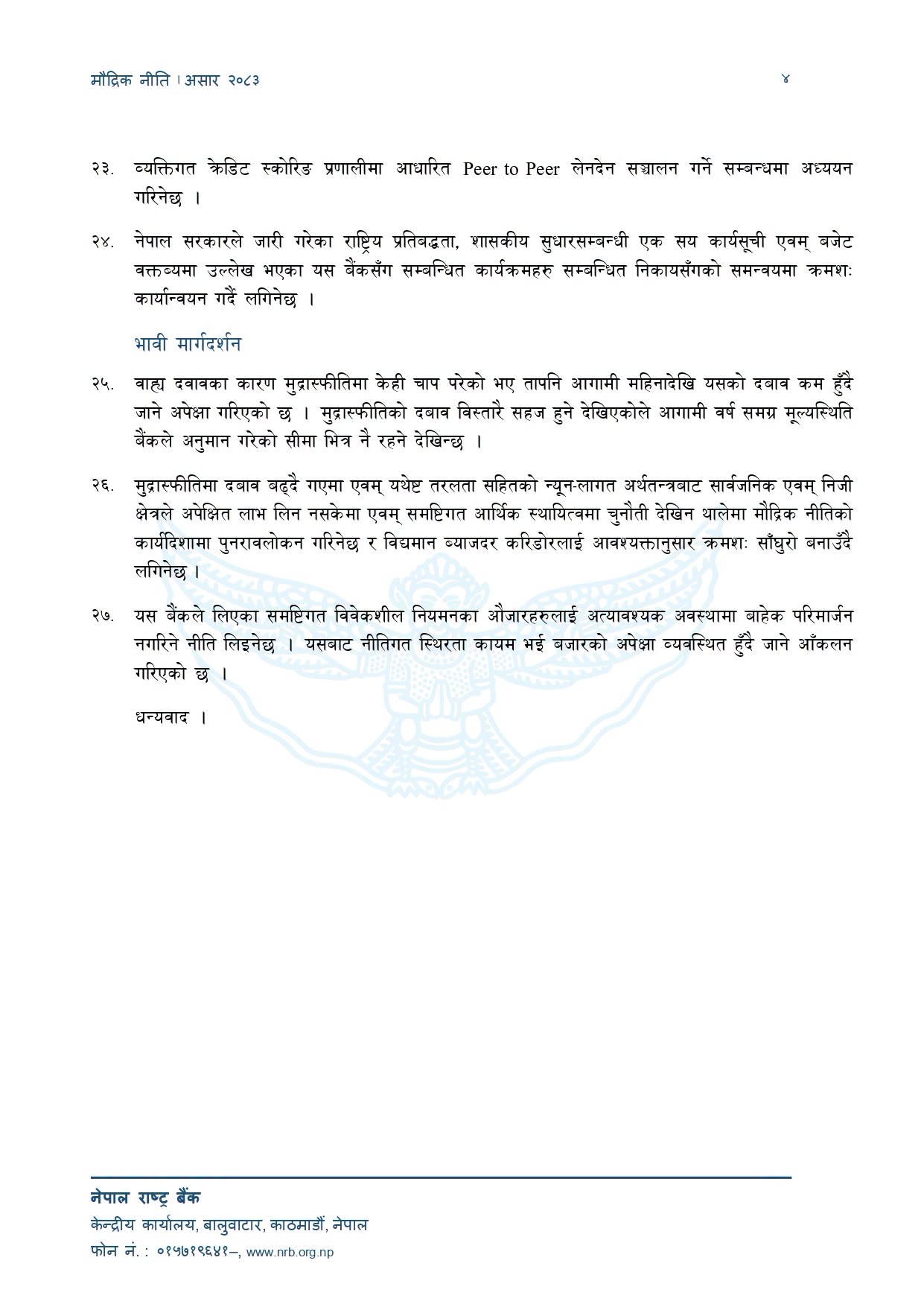
- Flexible Policy: The flexible direction of the monetary policy has been continued to support economic growth.
Reforms Related to Banks and Financial Institutions:
- Reclassification: To move forward with the concept of 'specialized banking' by reclassifying banks and financial institutions according to their business size and nature.
- Flexibility in Branch Expansion: The process of opening or closing bank branches will be made flexible.
- Cost Reduction and Digitalization: To encourage banks to reduce their operating costs by digitizing financial services.
Provisions Related to Loans, Borrowers, and Blacklisting:
- Strictness on Personal Guarantees: The practice of creating unlimited liability by taking personal guarantees of institutional borrowers will be removed, with strictness on the arrangement.
- Regarding Blacklisting: Arrangements will be made so that as few individuals as possible are or remain blacklisted.
- Loan Management for Sick Industries: Non-performing loans in sick (ailing/on the verge of closure) industries will be managed specially.
- Loan Revitalization: New instruments will be introduced for the revitalization of stressed loans.
Interest Rate and Liquidity Management:
- Affordable Loans: To transfer savings to borrowers easily and affordably by reducing banks' capital mobilization costs.
- Depositor Protection: To prevent interest rates from falling excessively, the central bank will hold excess liquidity in the market by paying interest at its own expense (setting a lower limit for interest rates).
- Liquidity management instruments will be used according to the nature of the liquidity.
Policy Rates and Ratios Kept Unchanged:
The policy rates under the interest rate corridor, the deposit facility rate, and the bank rate have been kept unchanged. Currently, the policy rate is 4.50 percent, the deposit facility rate is 2.75 percent, and the standing liquidity facility rate is 6.00 percent.
Provisions related to the cash reserve ratio, statutory liquidity ratio, and standing liquidity facility have also been continued. Currently, the cash reserve ratio is 4 percent, the statutory liquidity ratio is 12 percent for commercial banks and 10 percent for development banks.
This specific news has been automatically translated by AI. As a result, there may be some inaccuracies or language errors.


_sQJd7230is.jpg)