Energy Minister Addresses Power Outages in Western Nepal

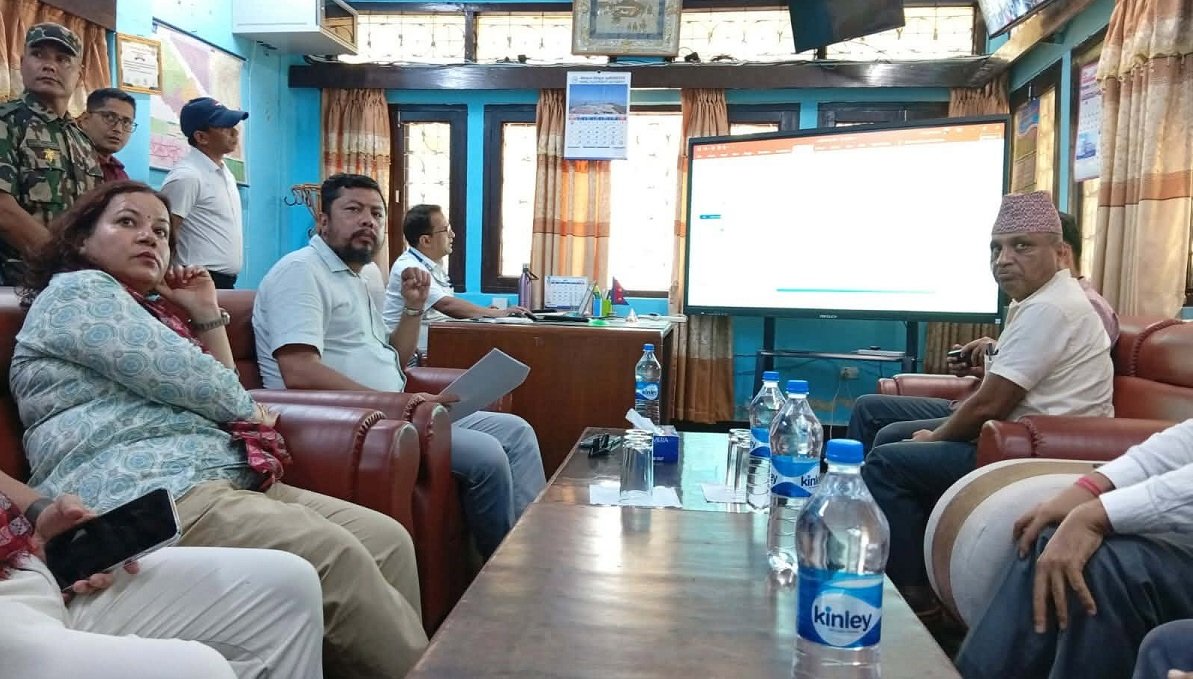
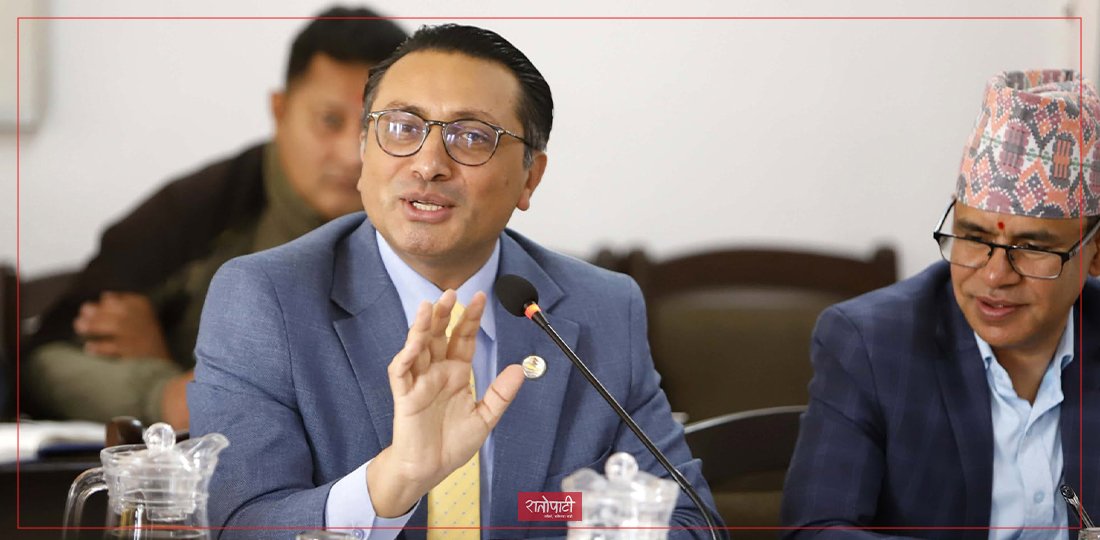
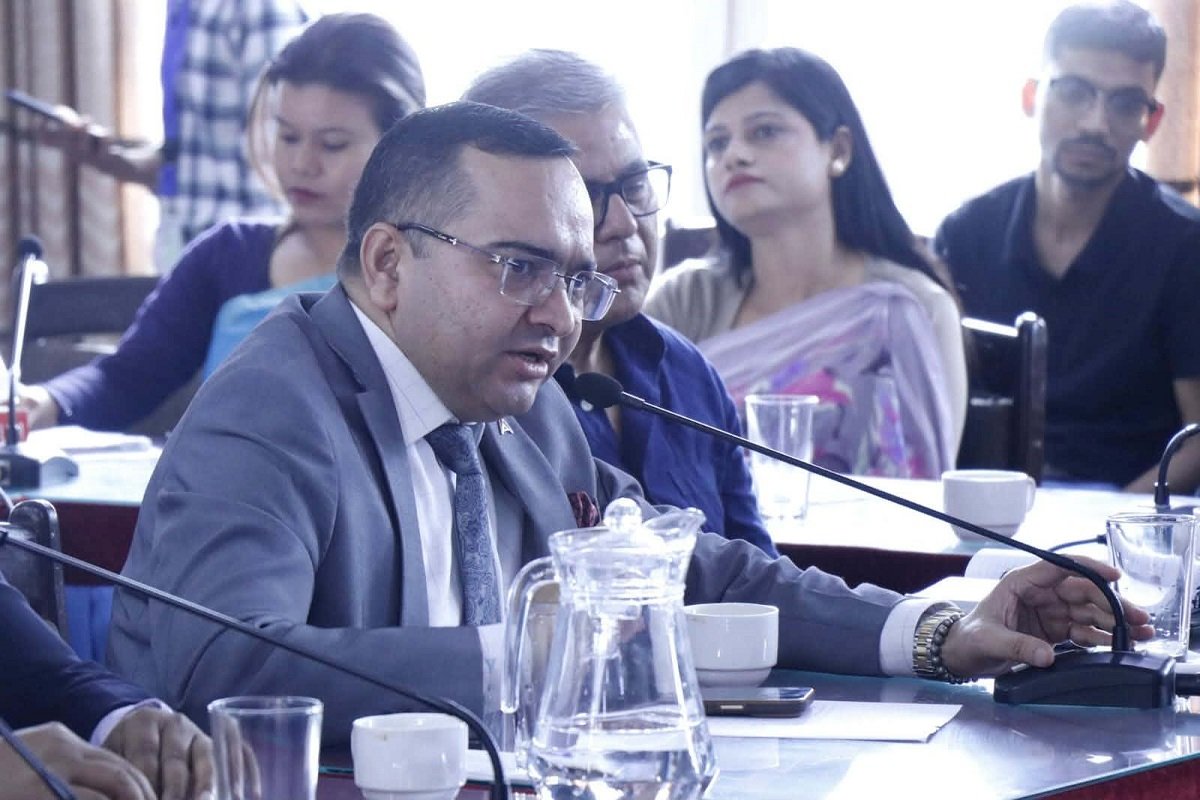
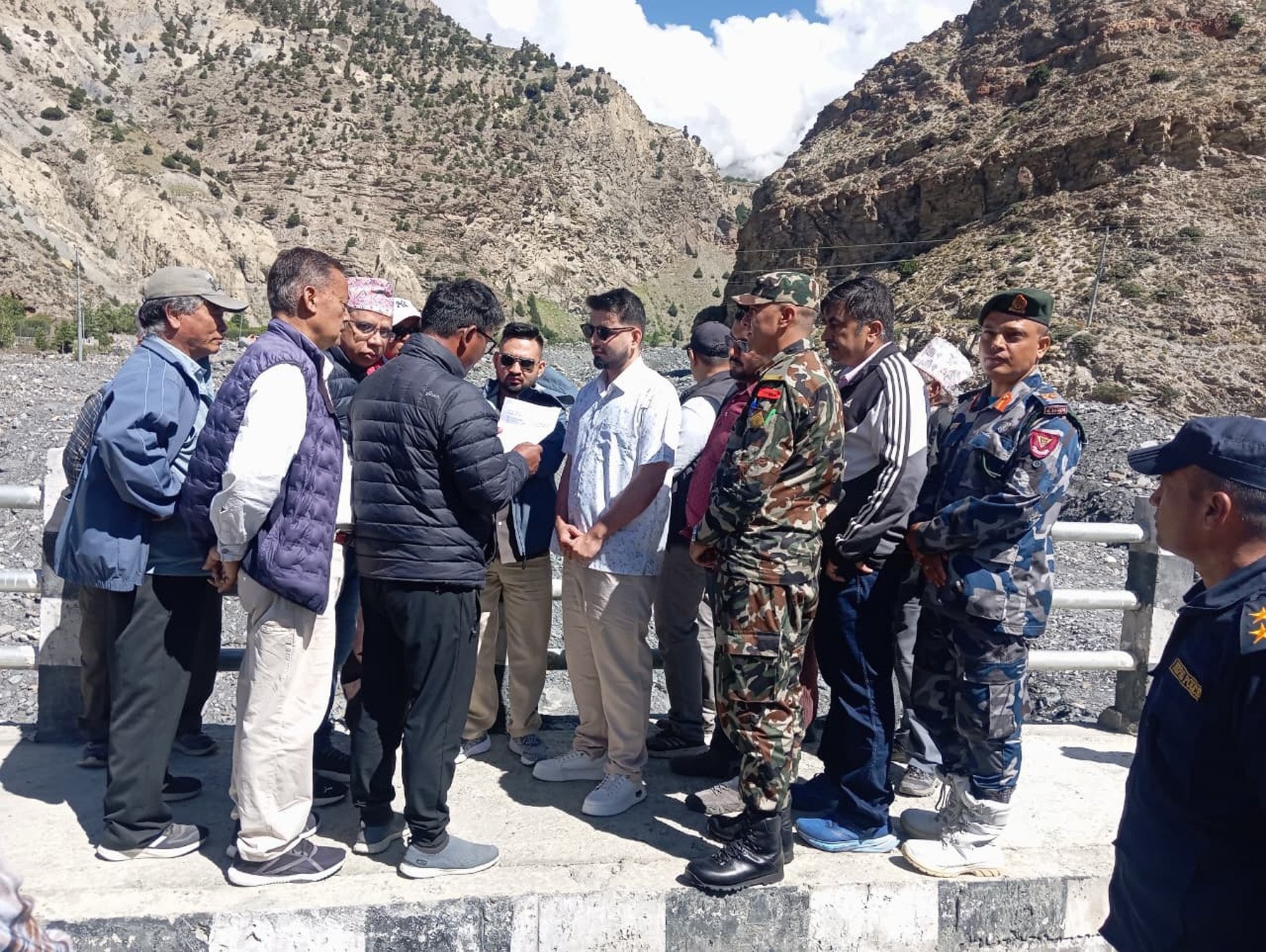
Kathmandu. Following repeated complaints of power outages, low voltage, and lack of meters in areas including Nepalgunj and Surkhet, Energy, Water Resources and Irrigation Minister Biraj Shrestha spent two days in the region discussing problem identification and solutions with stakeholders.
In discussions with the Secretary of the Ministry of Energy, Water Resources and Irrigation, the heads of Sudurpashchim, Karnali, and Lumbini provinces of the Nepal Electricity Authority, distribution center officials, people's representatives, industrialists-businessmen, and local residents, it was concluded that the distribution system in western Nepal is becoming dilapidated, structures built four decades ago cannot meet the current electricity demand, and supply is being affected due to a shortage of feeders, transformers, and other distribution equipment.
The discussion revealed that Nepalgunj is at the final point of the electricity transmission system coming from the west and going to the east, causing high technical pressure, the quality of old equipment is also weak, and a comprehensive upgrade of the distribution network is essential.
Following Minister Shrestha's initiative, the electricity meter shortage in Karnali Province will be resolved immediately. According to the Nepal Electricity Authority, out of the five thousand meters requested, two thousand meters have been supplied and the installation process has begun, while the remaining three thousand meters will be available within seven days.
Similarly, the ministry has stated that preparations are being made to allocate the necessary budget for the upgrade of the distribution system to solve the long-standing low voltage problem in Surkhet and start the work within the next few months. To ensure reliable, safe, and quality electricity service in the Nepalgunj area, necessary budget, clear action plans, and infrastructure strengthening programs will be expedited.
During this, it was informed that the distribution system has not been upgraded for a long time, making it difficult to meet the increasing electricity load. The authority stated that after the completion of the Seventh Electrification Project, the distribution system has not improved sufficiently, electricity demand is increasing by about 15% annually, and the network at the final point of Kohalpur National Transmission Line and Tanakpur supply is experiencing increased pressure, affecting the service.
Furthermore, it was concluded that problems in electricity supply are due to delays in the construction of the New Nepalgunj Substation, feeder overload, tripping, low voltage, old lines, and insufficient transformers.
Minister Shrestha stated that necessary coordination will be done to bring the under-construction New Nepalgunj Substation into operation as soon as possible, and that installing transformers of higher capacity, expanding the distribution network, upgrading old lines and conductors, constructing new feeders, and effective load management will be given high priority and implemented immediately, with medium and long-term plans being formulated and implemented.
He clarified that a detailed study of technical problems including feeder overload, tripping, and low voltage will be conducted and implemented immediately, and also mentioned that the government is serious about the impact on citizens, industries, businesses, and the agricultural sector during extreme heat. 'Creating an environment where the citizens of western Nepal receive reliable, safe, and quality electricity service is the government's priority. The ministry and the Nepal Electricity Authority will work in coordination to permanently solve these problems,' said Minister Shrestha.
This specific news has been automatically translated by AI. As a result, there may be some inaccuracies or language errors.