Face Icing Trend: Benefits, Risks, and Proper Application

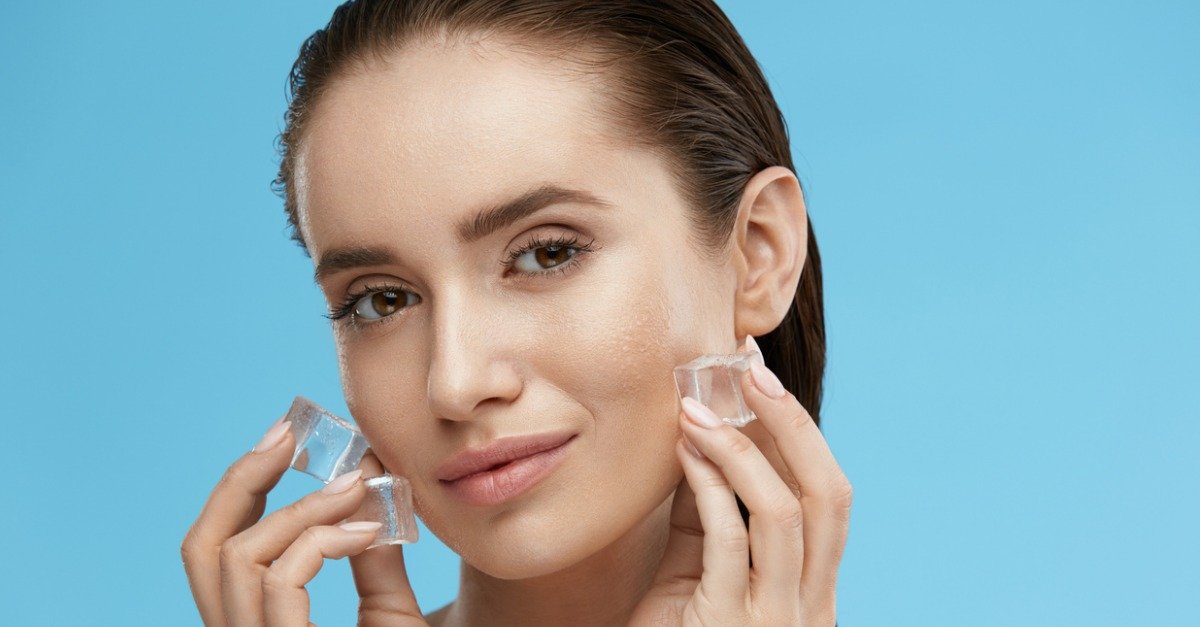
Everyone wants their face to look fresh and radiant without makeup. That's why the 'face icing' trend is going viral on social media these days.
It is claimed that applying ice to the face brings a glow in just a few minutes. It is also said to reduce facial swelling and tighten skin pores. However, not all trends are safe for all skin types. Applying ice for a long time or incorrectly can weaken the skin's protective barrier. This can lead to problems like burning, redness, and sensitivity.
Therefore, today we will talk about 'face icing'. We will also learn about the correct way to do face icing, its benefits, and its risks.

Why is the trend of applying ice to the face so popular?
It is an inexpensive, easy, and quick-acting skincare. Applying ice tightens skin pores and makes the skin look fresh. It gives an 'instant glow'. However, its effect is temporary.
But, since ice is very cold, applying it directly to the skin can cause the following problems:
- Frostbite (cold damage) can occur.
- Redness may appear.
- It can burn.
- The skin barrier can be damaged.
- Capillaries (small blood vessels) are put under pressure.
- It can increase skin irritation (stinging/burning).
If you must apply ice to your face, wrap it in a cloth instead of applying it directly. Avoid rubbing it for a long time.
What are the benefits of applying ice to the face?
It gives the skin an instant fresh look and can provide relief from some temporary skin problems. Its benefits are given below-
- Reduces swelling.
- Cools the skin.
- Gives an 'instant glow'.
- Tightens pores.
- Reduces dark circles.
Is 'ice bowl dip' safe?
Yes, 'ice bowl dip', i.e., immersing the face in ice water, reduces facial swelling due to cold and makes the skin look fresh. However, very cold water can be harmful to the skin.
Especially if your skin is sensitive and dry, or if you have acne on your face, do not do this. In such cases-
- Do not put too much ice in the water.
- Do not submerge your face for more than 5-10 seconds.
- Do not repeat more than 1-2 times.
- Always apply moisturizer afterwards.
Information related to skin health should always be obtained from experts in the relevant field, i.e., dermatologists. They provide advice based on scientific understanding, skin type, and medical conditions. On the other hand, celebrities and influencers often give tips based on trends and their personal experiences. These tips may not be safe or effective for all skin types. Therefore, before adopting any skincare trend, it is important to prioritize its authenticity and expert advice.
Is it okay to do 'ice facial' at home?
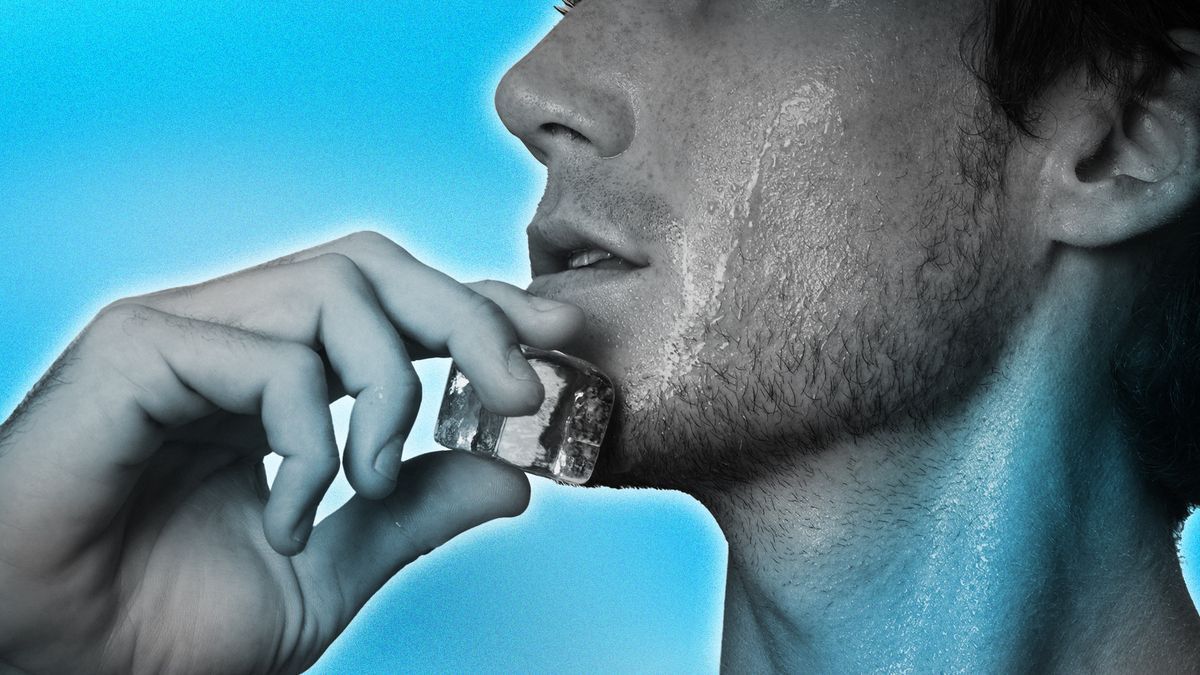
Yes, it makes the skin look a bit fresher. However, applying ice directly to the skin or rubbing ice for a long time is not advisable. Therefore-
- Always apply ice wrapped in a cloth or cotton.
- Do not do face icing for more than 1-2 minutes.
- Do not apply too much pressure or rub.
- If you have sensitive or acne-prone skin, do a 'patch test' first.
Does applying ice after exercise or coming from the sun provide relief?
Yes, after exercise or sun exposure, the skin's temperature and blood circulation increase, which can cause redness. In such cases, 'cold compress' helps reduce mild swelling. But applying ice directly carries the risk of capillary damage. Therefore-
- Instead of applying ice, wash your face with cold water.
- Use a cold compress wrapped in a cloth.
- After sun exposure, apply aloe vera or soothing gel.
Who should not apply ice to their face?
Applying ice is not safe for all skin types. Ice can damage the skin of some people. The following people should not apply ice to their face-
- Those with sensitive skin.
- Those who are allergic to cold.
- Those with skin infections.
- Those with nerve sensitivity problems.
- Those who have undergone skin treatments (laser / peel).
The effect of ice varies according to skin type. Let's understand it this way-
- Oily skin: Cold tightens skin pores slightly and reduces swelling. Therefore, it gives a good temporary effect.
- Dry skin: Ice reduces skin moisture. This can worsen dryness, tightness, and flaking.
- Sensitive skin: Applying ice directly can cause redness, burning, and irritation.
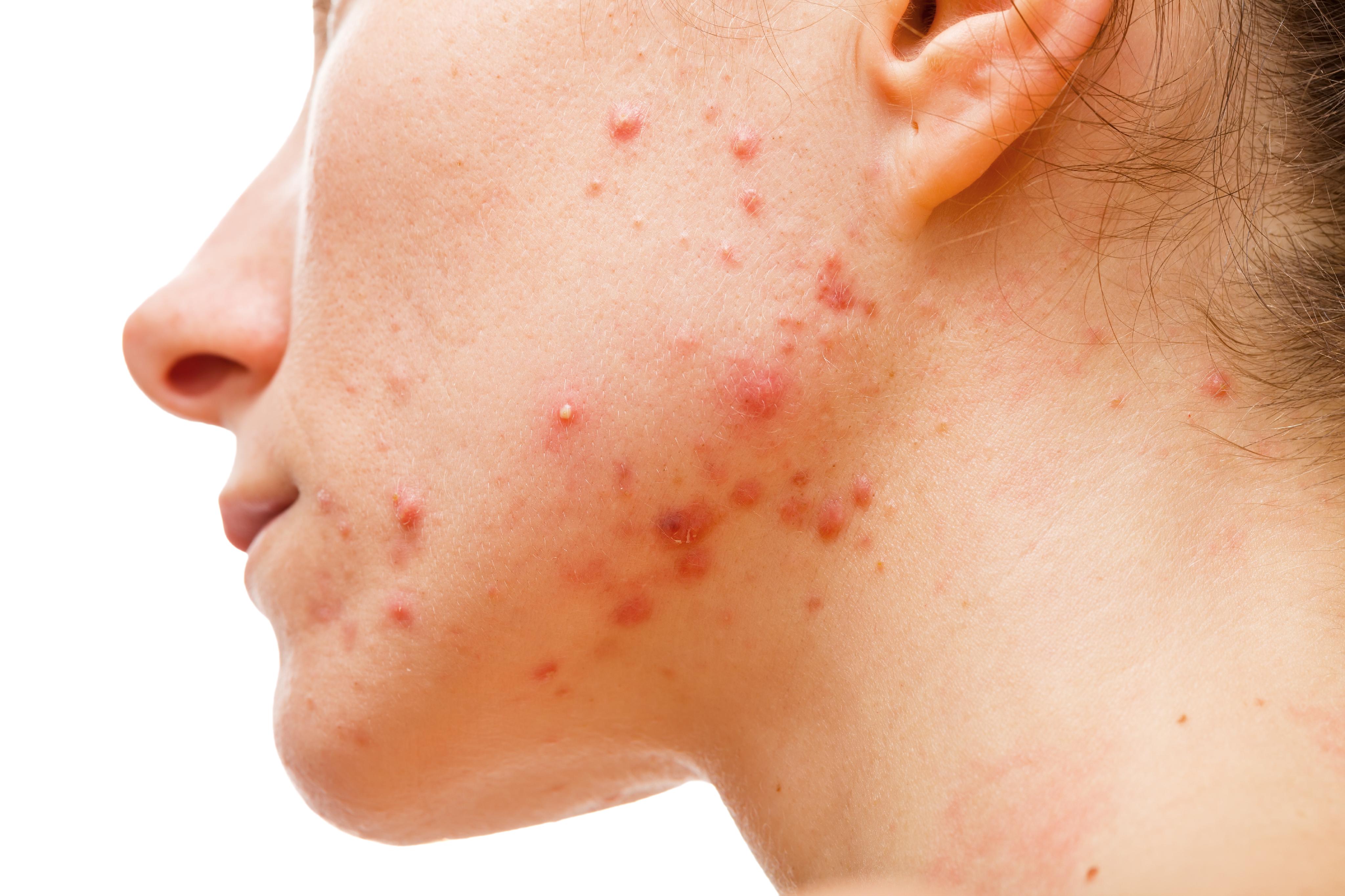
- Acne-prone skin: Swelling may be slightly reduced, but excessive cold can damage the skin barrier. It can increase pimples.
Similarly, the effect of ice changes with the season. In summer, due to heat and sweat, the skin becomes hot and puffy (swollen). In such a situation, providing mild coolness gives temporary relief in cooling, freshness, and redness. In winter, the skin is already dry and sensitive. Applying ice in such a situation can increase dryness, skin tightness, and irritation. The skin barrier can also be damaged quickly.
Applying ice to the face can be harmful in some skin conditions. For example-
- Rosacea
- Raynaud's disease
- Eczema
- Dermatitis
- Nerve-related problems (numbness / sensitivity)
- Acne
If negative reactions occur on the skin after applying ice to the face, it should be stopped immediately. These symptoms can be signs of irritation, allergy, or skin damage. Those symptoms are as follows-
- Excessive burning or stinging sensation
- Sudden intense redness
- Itching or rash
- Skin tightening
- Swelling
- Blisters
- Skin peeling
- Formation of dry patches
- Skin turning white or blue
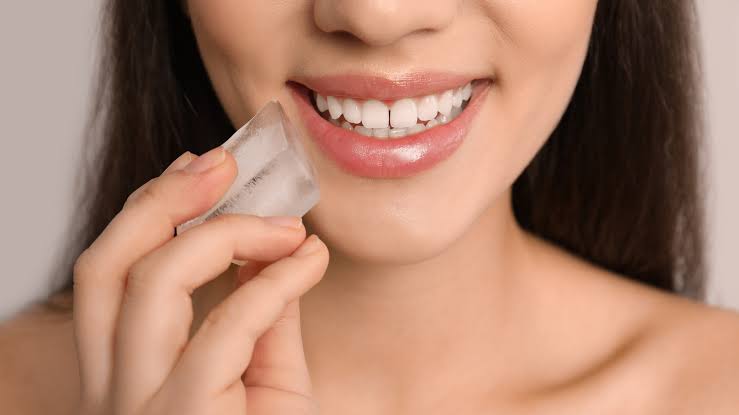
Common Questions and Answers about applying ice to the face:
Does applying ice make the face glow?
Yes, but this glow is temporary. When ice is applied, the skin's blood vessels constrict due to the cold. This makes swelling appear less, pores feel tightened, and the face looks a bit brighter and fresher.
Does applying ice make the face fairer?
No, applying ice does not make the face fairer. The actual color of the skin is determined by melanin. Ice cannot change this.
Do ice applications shrink facial pores?
No, ice does not permanently shrink pores. When ice is applied, the skin surface feels tightened due to the cold, and pores appear smaller for a while. However, the actual size of pores is determined by genetics, oil production, and skin type. Ice cannot change this.
Does ice work on dark circles?
If there is swelling under the eyes, applying cold constricts the blood vessels and makes the swelling appear less. This slightly reduces dark circles. If the cause of dark circles is pigmentation, genetics, lack of sleep, or thin skin, ice will not make much difference. Keep in mind, the under-eye area is very sensitive. So, do not apply pressure.
Is it advisable to apply ice before applying makeup?
Yes, applying a light cold sensation before makeup reduces swelling. The skin feels a bit tighter and smoother. This makes the makeup base look better. However, keep in mind - always apply moisturizer and primer afterwards. Do not do this if you have sensitive skin.
Can applying ice make the skin thinner or weaker?
Ice does not make the skin thinner, but excessive use or incorrect application can damage the skin barrier. This can make the skin more sensitive and weaker.
Does applying ice reduce wrinkles?
No, it makes fine lines appear less for a short time, but this is only a temporary effect. Wrinkles are actually formed due to collagen loss, aging, and sun damage. Ice cannot cure this.
Dainik Bhaskar
This specific news has been automatically translated by AI. As a result, there may be some inaccuracies or language errors.