Nepal's First Milk Bank Faces High Demand
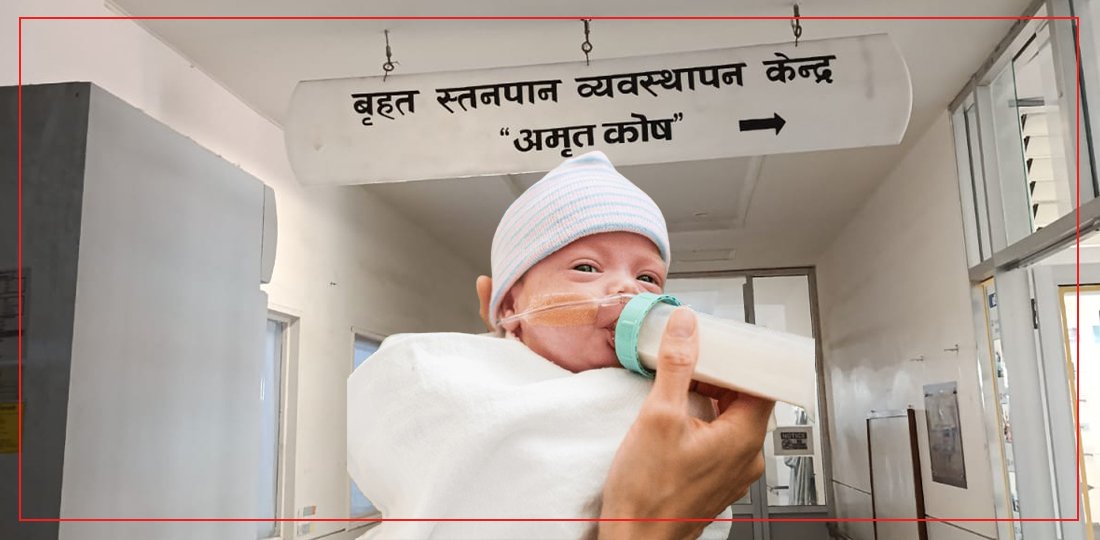
Kathmandu. To provide milk to infants who cannot get mother's milk, an 'Amrit Kosh' has been established at Paropkar Maternity and Women's Hospital in Thapathali. This fund, which operates as a comprehensive breastfeeding management center, receives milk requests from other hospitals as well.
Recently, various hospitals and medical colleges have started writing letters requesting milk.
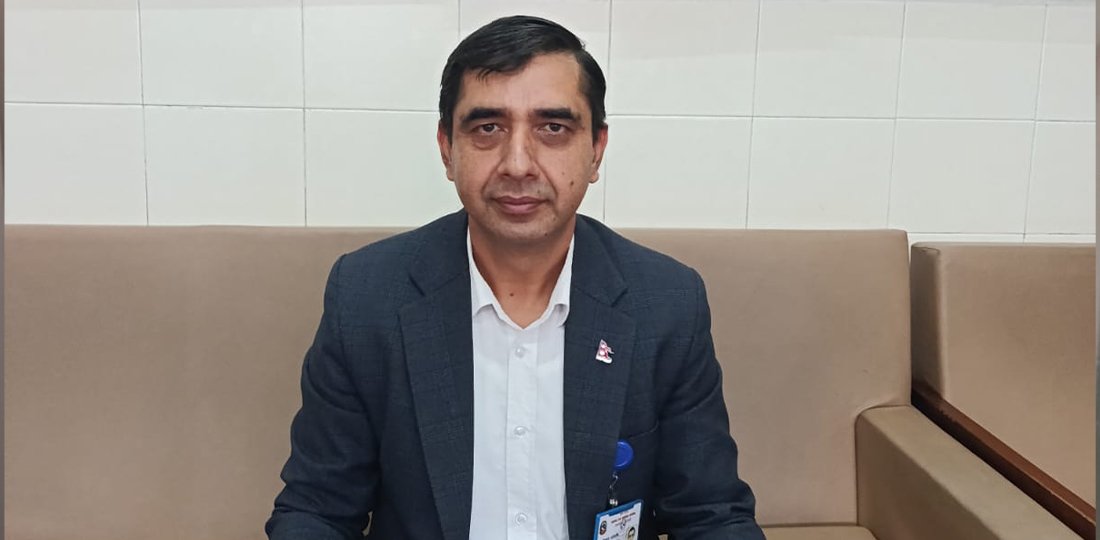
Hospital Director Dr. Shree Prasad Adhikari says, 'Hospitals write to us requesting milk. But lately, the demand has increased so much that we are unable to provide enough milk for everyone.'
Currently, the hospital collects about one and a half to two liters of breast milk daily. A 'Human Milk Bank' is a place where milk collected from mothers who have excess milk after their baby has had enough is safely stored for a long time. This milk bank established at Paropkar Maternity Home is the first milk bank in Nepal.
Due to the increasing demand, the Maternity Home has formulated criteria for milk distribution. Milk is provided only after considering the baby's weight, current health condition, and the severity of the need. Director Dr. Adhikari said, 'Even if we could collect two to three liters daily, it would still be insufficient. In such a situation, the Maternity Home has proposed a new model where hospitals collect milk themselves, send it to the Maternity Home for processing, and take it back after processing.'
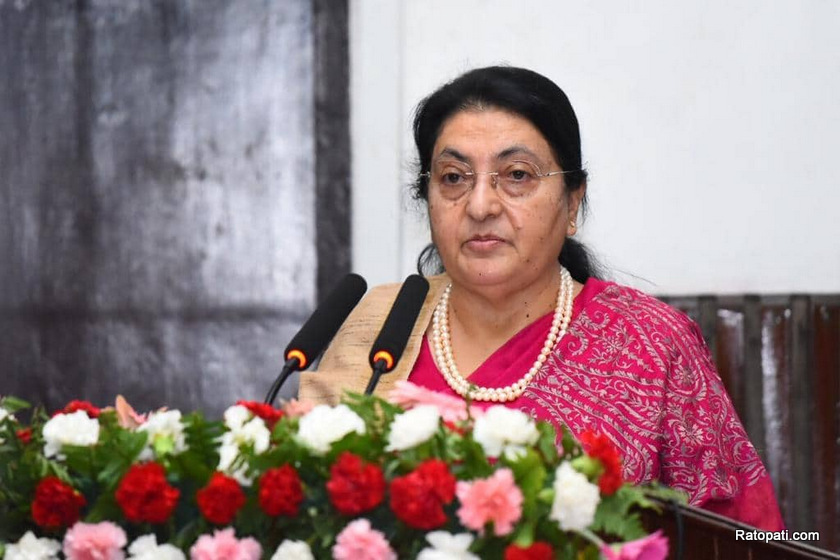
The Human Milk Bank was inaugurated by the then President Bidya Devi Bhandari on Bhadra 3, 2079 BS.
According to Hospital Director Dr. Adhikari, this initiative was started with the idea of providing mother's milk instead of 'formula feeding' (packaged milk) to newborns of sick mothers or mothers who cannot produce milk. Adhikari said, 'Formula provides calories to the baby, but the immunoglobulin, vitamins, protein, and other nutrients present in breast milk are not found in formula.'
He stated that due to the lack of these elements, the baby's immunity weakens, and it can affect their health in the long run.
How does the Milk Bank work?
The milk bank has 14 employees, including counselors. Counselors go from ward to ward to explain the importance of breastfeeding. They also counsel mothers whose babies are in the ICU and cannot be fed, explaining that donating their milk helps save other sick babies.
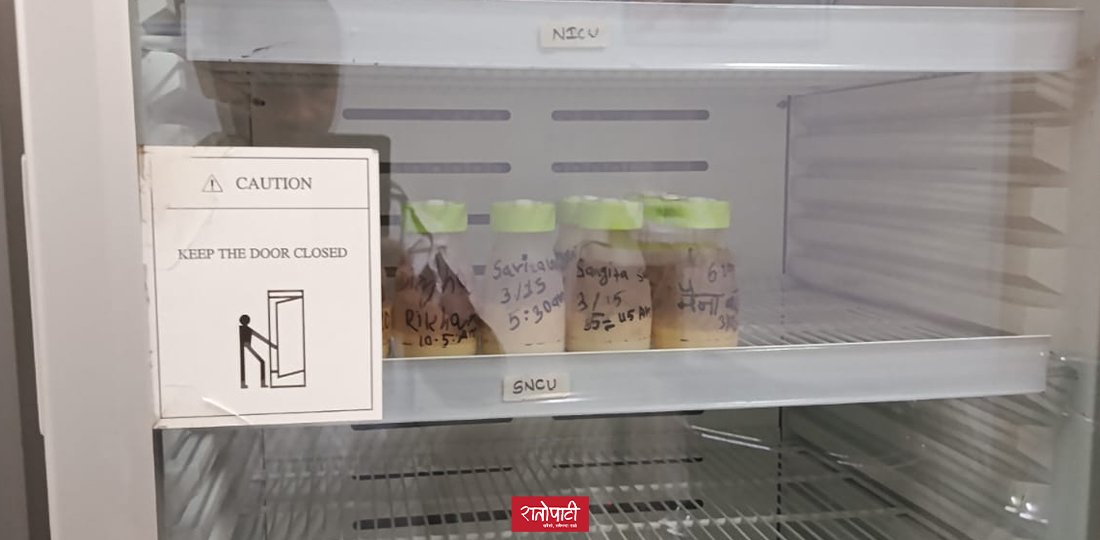
Collected milk is first tested for microorganisms (germs). Only if found germ-free, it is processed in a pasteurization machine at the appropriate temperature. It is then stored in a refrigerator, where it remains safe for up to 6 months. A team consisting of a milk bank manager, a lab technician, and counselors is working for this process.
A pasteurization machine alone costs more than 40-50 lakh rupees. Adhikari adds, 'We first test the donated milk for germs. Only if it is found safe in the test is it pasteurized.'
Who donates milk?
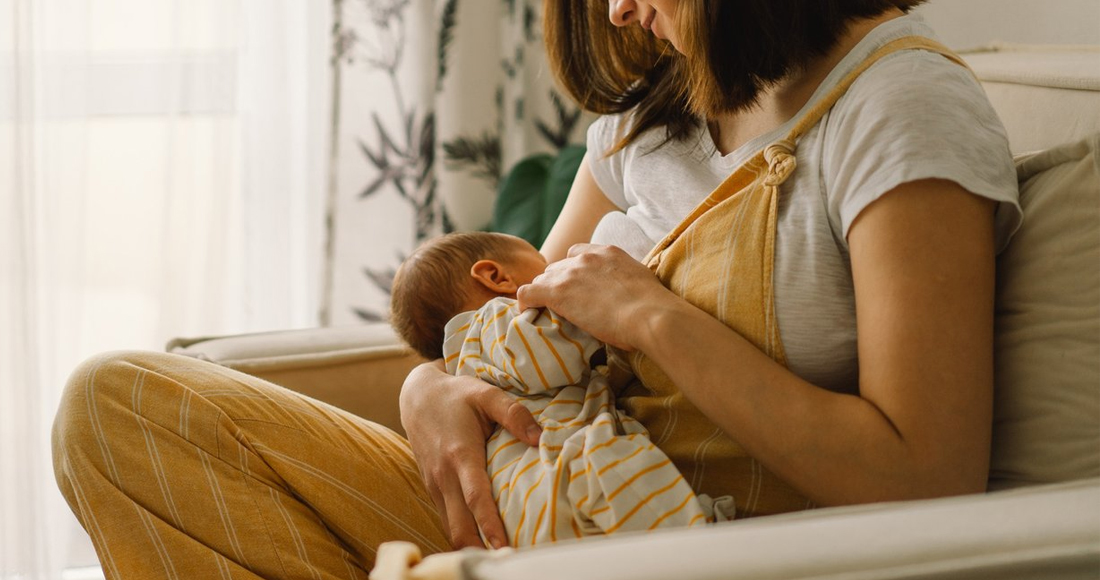
Milk can be donated at the hospital's comprehensive breastfeeding management center if a mother has excess milk for her baby. Similarly, women with nipple problems or whose babies are sick and cannot drink milk can also donate milk. Experts say that healthy mothers can donate their milk to the milk bank.
Mainly, mothers whose babies are in the hospital's ICU or NICU come to donate milk. Mothers whose babies are kept in the ICU immediately after birth also come to the milk bank because their breasts can become engorged if they do not express milk.
Who cannot donate?
According to the center, mothers with HIV, Hepatitis B positive, blood cancer, and chronic diseases cannot donate milk to the milk bank. Similarly, mothers who consume alcohol, liquor, cigarettes, or tobacco cannot donate milk.
Public Awareness Against Formula Feeding
The hospital also raises public awareness against formula feeding. Adhikari said, 'The practice of gifting Lactogen bottles with attractive pictures to mothers of newborns was increasing. This was creating a misconception among mothers that formula feeding is better.'
According to obstetricians, formula milk can cause gas in the baby's stomach, diarrhea, and problems in digesting the milk. In the long run, there is a risk of weakened immunity. In contrast, the milk bank has scientifically established that there is no alternative to breast milk. Dr. Adhikari states that although the breastfeeding rate in Nepal is high compared to international standards, it is declining in urban areas.
Urban women who are busy with work and have less time are increasingly attracted to 'formula feeding'. 'The breastfeeding rate is still good in rural areas, but it is declining in cities,' Adhikari said. He believes that the milk bank is playing a significant role in changing this trend.
'Every Province Needs a Milk Bank'
Every province in Nepal should have at least one human milk bank. Dr. Adhikari believes that such centers should be opened in all provinces, including Lumbini, Seti, and Koshi. He also suggested creating a centralized system where 'Lactation Management Units' are established in large maternity centers to collect milk, send it to the maternity home, and receive it back after processing. The milk bank is believed to protect infants deprived of breast milk from infection and malnutrition.
Although the annual operating cost is around 60-70 lakh rupees for staff salaries and equipment maintenance, he believes this amount is within the state's capacity.
According to the Nepal Demographic and Health Survey 2022, 79 percent of live births in Nepal occurred in health institutions. It was found that almost all children under two years of age in Nepal were breastfed at some point. About six out of every ten babies were exclusively breastfed for the first two days after birth, and 55 percent of children were breastfed within one hour of birth.
According to the World Health Organization's recommendation, children up to 6 months of age should be exclusively breastfed. It was found that 56 percent of children under six months in Nepal are exclusively breastfed, while only one percent are not breastfed at all.
To protect children from the risk of malnutrition, complementary foods should be introduced after completing 6 months of age.
This specific news has been automatically translated by AI. As a result, there may be some inaccuracies or language errors.