African Nations Achieve Historic Success in FIFA World Cup

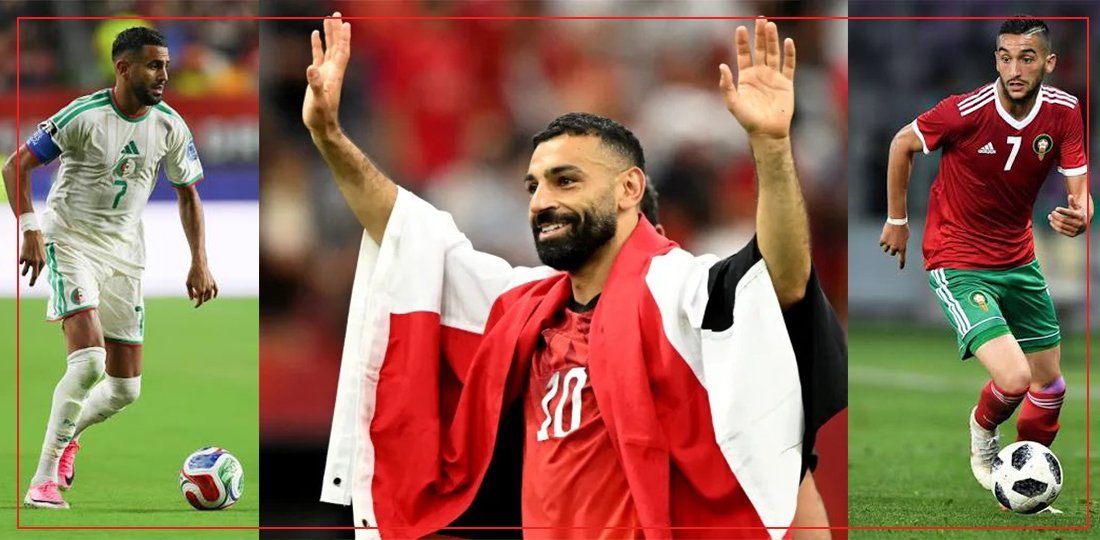
Kathmandu. African nations have achieved historic and record-breaking success in the FIFA World Cup by advancing from the group stage.
In the history of the World Cup, no more than two African teams had previously reached the knockout stage in a single edition. However, in 2026, more than 28 percent (9 teams) of the total 32 teams reaching the knockout stage are from the African continent. What are the specific reasons behind this historic achievement? Why and how did the African teams excel? And how far will African teams go in the coming days?
FIFA Expansion and Africa's Golden Opportunity
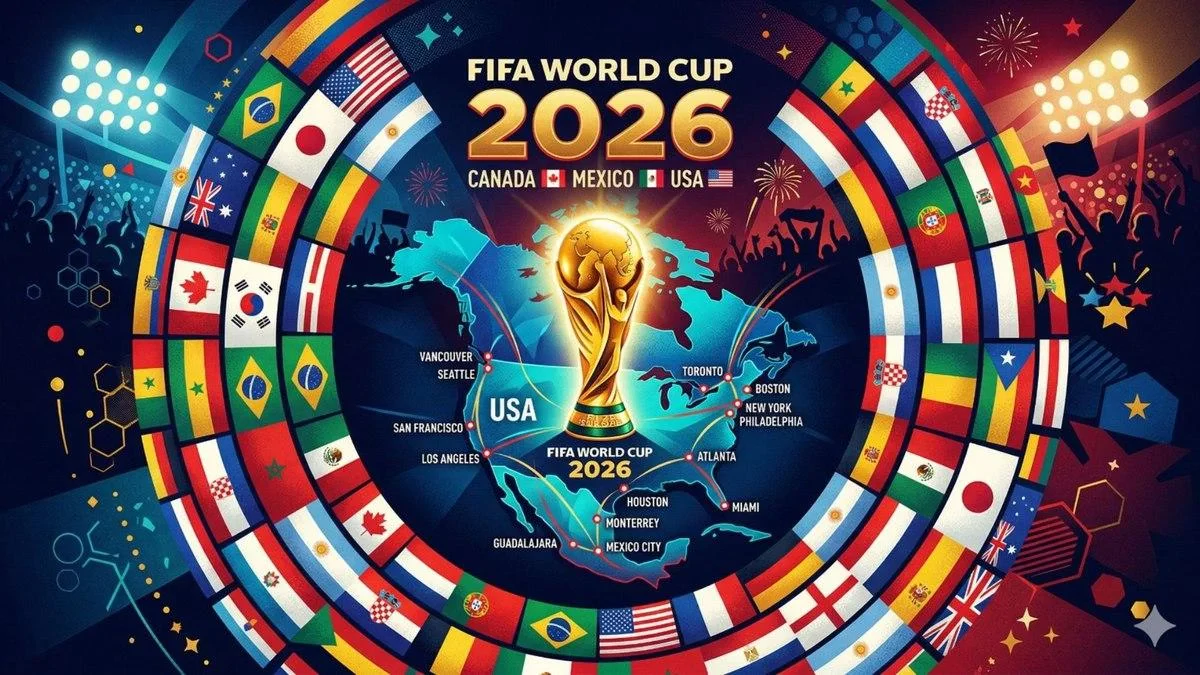
In past World Cups, only 5 teams out of the 53 nations from the Confederation of African Football (CAF) were allowed to play in the World Cup. Due to this unequal quota system, many excellent African countries were deprived of reaching the world stage. But the expanded 48-team World Cup format, jointly organized by the USA, Canada, and Mexico in 2026, opened new doors for Africa.
Under the new rules, Africa directly secured 9 permanent slots and an additional 1 slot through intercontinental playoffs, enabling a total of 10 teams to participate in the World Cup. When these 10 teams arrived in North America, they stunned the football world by establishing extraordinary dominance in the group stage. By the end of the group stage, only Tunisia was eliminated, while the remaining 9 teams secured tickets to the knockout rounds.
Overall Performance of the 9 African Teams Reaching the Knockout Stage
Teams from various regions of the African continent (North, West, South, and Central Africa) have proven their skills. Their group stage journeys were as follows:
a) Morocco (Group C – Second Place): Morocco, which made history by reaching the semi-finals of the 2022 Qatar World Cup, maintained its momentum in 2026. Giving a tough challenge to a strong team like Brazil in Group 'C' and defeating Scotland and Haiti, Morocco secured second place with 7 points to advance to the knockout stage. Morocco has now become the African nation with the most wins in FIFA World Cup history, registering a total of 7 victories.
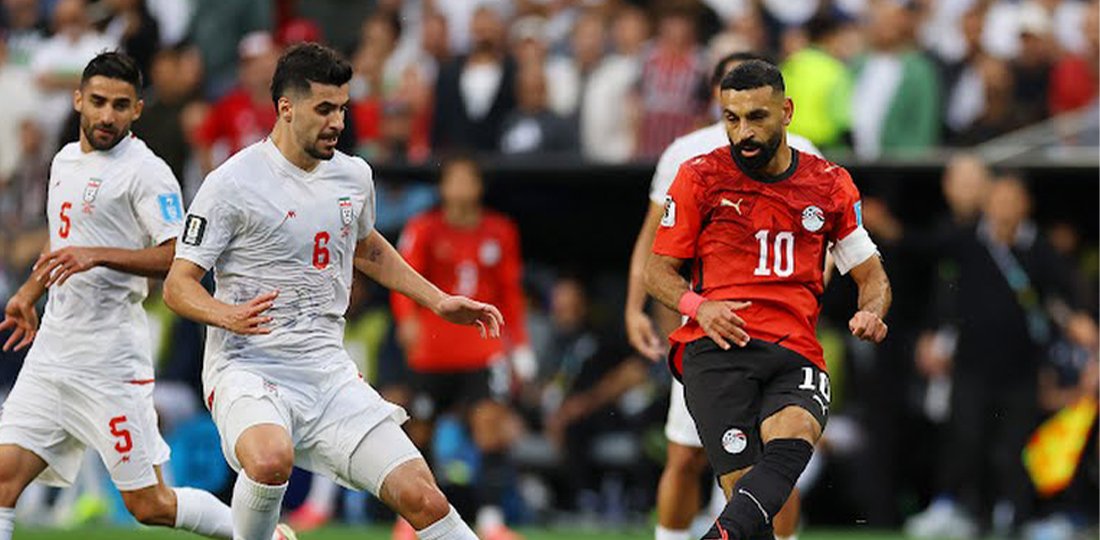
b) Egypt (Group G – Second Place): Led by star player Mohamed Salah, Egypt achieved historic success by remaining undefeated in Group 'G'. Falling behind Belgium only on goal difference, Egypt accumulated 5 points to secure second place in the group and set a record by reaching the World Cup knockout stage for the first time.
_eezINqoevu.jpg)
c) Cape Verde (Group H – Second Place): Cape Verde, with a population of only 600,000 and the third smallest nation in the World Cup, has become the biggest surprise of this tournament. In Group 'H', after a historic draw with Spain and stunning Uruguay and Saudi Arabia, Cape Verde finished second in the group with 3 points and excellent performance, reaching the knockout stage for the first time.
d) Ivory Coast (Group E – Second Place): Ivory Coast, the winner of the Africa Cup of Nations (AFCON), faced Germany and Ecuador in Group 'E'. Balancing their physical and technical football, the team secured second place and easily advanced to the last 32.
e) South Africa (Group A – Second Place): The South African team, known as Bafana Bafana, performed excellently in Group 'A' alongside host Mexico. Giving a tough fight to Mexico, who were playing in front of their home crowd, South Africa advanced to the next round as the second team in the group.
f) Ghana (Qualified from Third Place in Group L): Ghana found a way to advance from the difficult Group 'L', which included powerhouses like England and Croatia. Before the final match, having accumulated 4 points, Ghana had safely secured a place in the knockout stage among the best third-placed teams. Ghana has equaled Nigeria's record of 6 World Cup wins.
g) Democratic Republic of Congo (Qualified from Third Place in Group K): Returning to the World Cup after a long wait of 52 years (first time since 1974), Congo had the most incredible journey in history. After defeating Nigeria and Jamaica in the intercontinental playoffs to reach the World Cup, Congo beat Uzbekistan 3-1 in the final group stage match, securing the top spot in the ranking of third-placed teams with 4 points and a +1 goal difference.
h) Senegal (Qualified from Third Place in Group I): After suffering defeats against teams like France and Norway, Senegal found themselves in crisis but managed to find a path forward. In their final group match, they demolished the Iraqi team by a huge margin of 5-0. This massive 5-goal victory gave Senegal a goal difference of (+2), which, despite having only 3 points, allowed them to surpass Iran and South Korea and qualify for the last 32.
i) Algeria (Qualified from Third Place in Group J): Algeria played the most dramatic match in World Cup history. In the final match against Austria, in the 93rd minute of injury time, captain Riyad Mahrez scored to give Algeria a 3-2 lead. Although Austria equalized in the 96th minute, this thrilling 3-3 draw was enough to send Algeria to the knockout stage, eliminating Iran from the competition.
Final Wild-Card Criteria for Third-Placed Teams (Best African Teams)
According to FIFA rules, only the top 8 out of the third-placed teams from the 12 groups were to advance. The three third-placed African teams surpassed teams from other continents based on points and goal difference in the following manner:
1. DR Congo – Africa 4 (+1) Qualified
2. Sweden – Europe 4 (0) Qualified
3. Ghana – Africa 4 (0) Qualified
4. Bosnia-Herzegovina – Europe 4 (-1) Qualified
5. Paraguay – South America 4 (-1) Qualified
6. Senegal – Africa 3 (+2) Qualified
7. Ecuador – South America 4 (0) Qualified
8. Algeria 4 (0) Qualified
9. Iran – Asia 3 (0) Eliminated
The main reasons for this unprecedented success of African football: This collective and historic success of African countries is not just a coincidence. According to analysts, there are four main reasons behind it:
a) Growing Experience of Young Players in European Leagues: Currently, most African players are playing as key players in Europe's top 5 leagues (English Premier League, La Liga, Serie A, Bundesliga, and Ligue 1). This high level of professional experience means they are not intimidated when playing against big teams like France, Spain, or Brazil in the World Cup. Young talents like Yoane Wissa and Noah Sadiki from DR Congo have quickly established themselves in the team and are delivering mature performances.
b) Combination of Physical Strength and Modern Strategy: Previously, African football was known only for its physical strength and speed. However, currently, African coaches and tacticians have made teams proficient in modern defensive strategies and counter-attacking football. Morocco and Ivory Coast are prime examples, capable of completely thwarting the attacking strategies of powerful world teams.
c) The 'Moroccan Effect' of Qatar 2022 and Growing Confidence: Since Morocco made history by reaching the semi-finals of the World Cup in 2022, there has been a significant change in the mentality of the entire African continent. DR Congo player Wissa said, 'After Morocco played in the semi-finals in Qatar, every African team has started dreaming big.' It is this confidence that has enabled relatively smaller teams like Cape Verde and Congo to achieve historic results fearlessly on the big stage.
_oO0KipT8UN.jpg)
Africa in the Knockout Stage
The equation for the upcoming knockout stage is very challenging but exciting for Africa. Some key matches are scheduled as follows:
South Africa vs. Canada (Inglewood): This will be a great opportunity for South Africa to make history by stopping Canada's momentum.
Morocco vs. Netherlands (Monterrey): This is the most anticipated match of this round. Morocco has both the strategy and the capability to defeat a European power like the Netherlands.
Ivory Coast vs. Norway (Arlington): In this match in Arlington, there will be a tough competition between Ivory Coast's physical defense and Norway's attack.
England vs. DR Congo (Atlanta): This match will be historic for Congo, where they will present a strong challenge against a giant team like England without any pressure.
Belgium vs. Senegal (Seattle): Senegal, returning after scoring 5 goals in the group stage, will look to stun Belgium's golden generation.
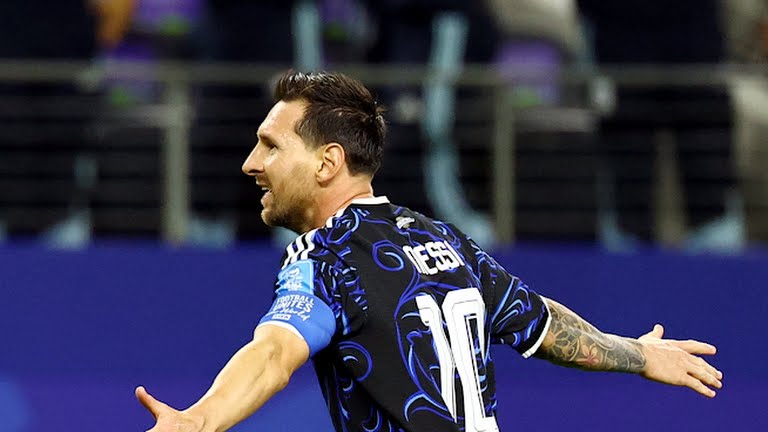
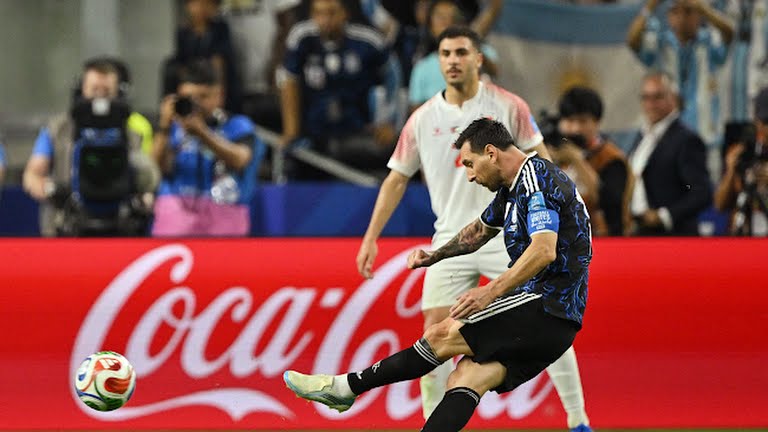
Argentina vs. Cape Verde (Miami): When Cape Verde's goalkeeper and defenders take the field against Lionel Messi's team Argentina, they will face the biggest test of their lives.
Can Africa Win the World Cup Now?
The group stage of the 2026 World Cup has made one thing clear: the sole monopoly of traditional powers in international football is over. The unprecedented and record-breaking rise of African nations has permanently altered the balance of power in world football. The advancement of 9 out of 10 teams to the knockout stage proves that African football's strength and quality have reached a high level.
The knockout journey ahead is certainly not easy, but looking at the current form of teams like Morocco, Egypt, Senegal, and Ivory Coast, if any African nation makes it to the final of this edition or wins the World Cup, no one will be surprised.
This specific news has been automatically translated by AI. As a result, there may be some inaccuracies or language errors.
_I9kqvKlvYm.png)