Baglung Becomes Self-Sufficient in Milk Production as Farmers Embrace Dairy Farming

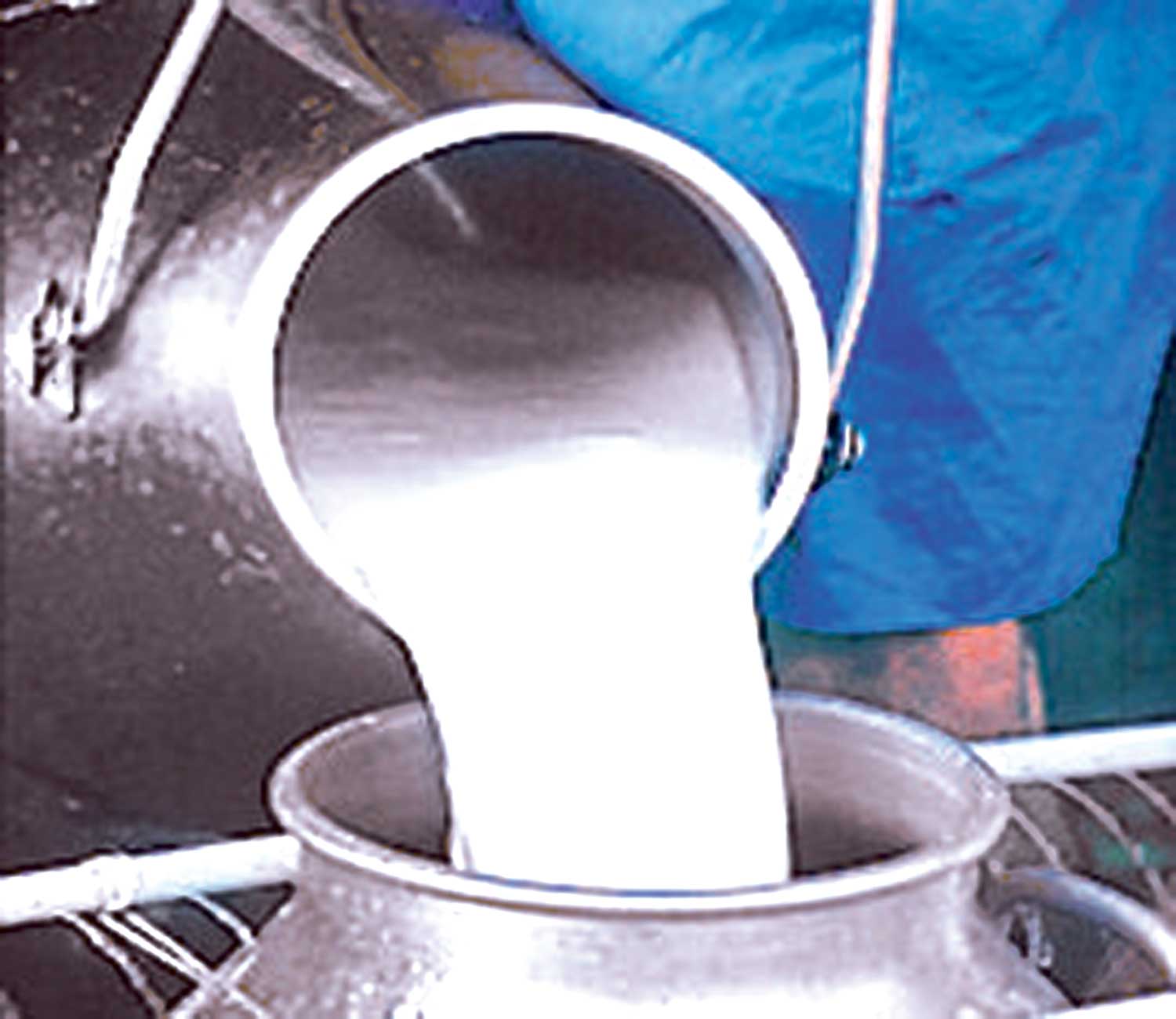
Baglung. Ten years ago, upon returning from employment in Malaysia, Lilaadhar Sharma of Baglung Municipality-12 is now operating a cow farm in the village. The business, started with the belief that hard work in one's own country can yield substantial income, has made him a commercial milk producer. The farm currently has 25 mother cows, along with some calves and buffaloes. He sells milk produced in the village through a sales center in Baglung Bazaar. Bikash Poudel from Jaimini Municipality-1, Kushmisera, who returned after spending four years in Saudi Arabia, also has a stable full of milch cows. For this commercial milk producer, both milk production and sales keep him busy. Poudel and Sharma are not alone; in recent times, young people returning from abroad after experiencing hardship, or those who do not wish to go abroad, have started engaging in commercial agricultural production. Farmers in Baglung have begun to engage in commercial animal husbandry, believing they can earn income by staying in their own country rather than going abroad. Farmers raising cows and buffaloes have been further encouraged by the availability of grants, treatment, and technical assistance from local, provincial, and federal governments. The District Veterinary Hospital and Animal Services Expert Center stated that Baglung produces 23,157 metric tons of milk annually. Dr. Rishiram Sapkota, the center's chief, said that Baglung has become self-sufficient in milk production with the increase in the number of commercial farmers. Chief Sapkota mentioned that milk production has also increased because local governments support commercial farmers, and programs targeted at farmers from the federal and provincial governments reach them. The center reported that milk production exceeds demand, and surplus milk is exported to neighboring districts. Chief Dr. Sapkota stated that milk is exported to Parbat from the southern part of the district and to Gulmi from the western part. Traders who used to bring milk from Pokhara to sell a few years ago now purchase directly from farmers and bring it to their dairy shops. Milk is sold through 15 cooperatives in the district. Deepak Gautam, chairman of the District Dairy Cooperative Association, said that farmers here produce milk by raising cows and buffaloes individually, in groups, and through cooperatives. He added that local production is sufficient for the market. Chief Dr. Sapkota of the center informed that 86,920 buffaloes and 21,660 cows are being raised in the district. He stated that the center assesses milk production by collecting data on both commercially and domestically raised livestock. According to Chief Dr. Sapkota, Murrah, local crossbreeds, Jersey, and Holstein breeds of cows are being raised here. Farmers like Bikash Poudel attribute their success in commercial animal husbandry to factors such as easy road access to rural areas, transportation facilities, fair prices, production-based grants from local levels, and the availability of fodder and straw. According to him, milk is currently sold in the market at wholesale prices ranging from Rs 70 to Rs 90 and retail prices from Rs 100 to Rs 120.
This specific news has been automatically translated by AI. As a result, there may be some inaccuracies or language errors.