Government Shifts Policy on Drug Addicts to Treatment Over Punishment

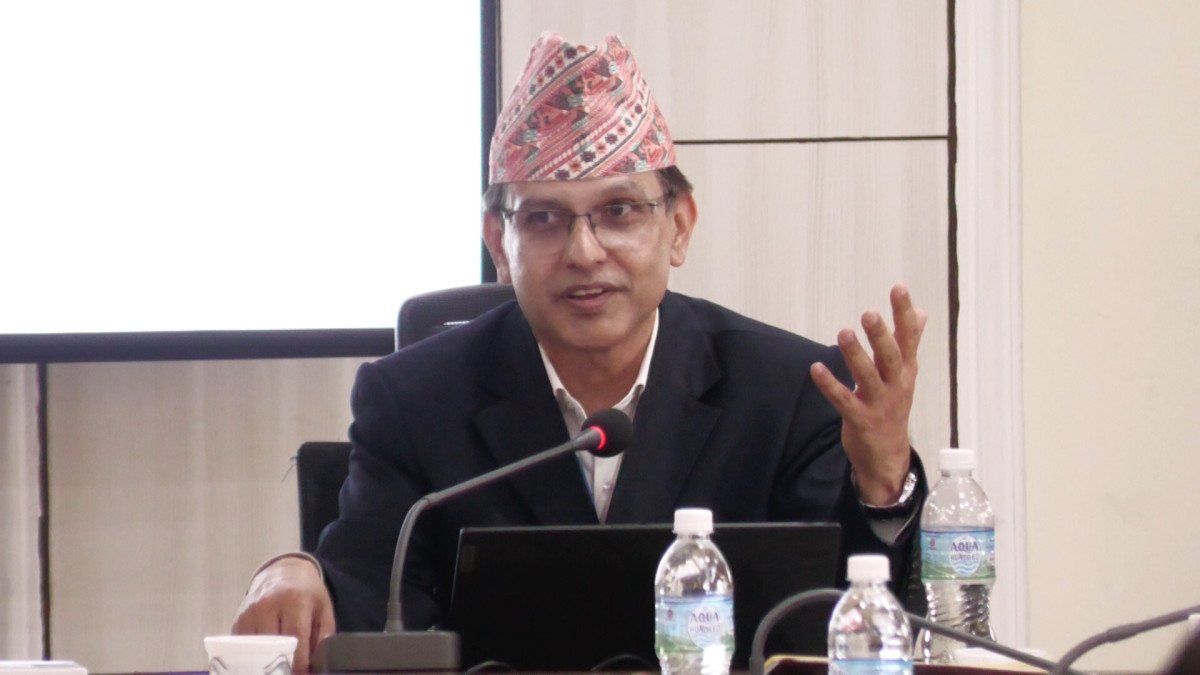
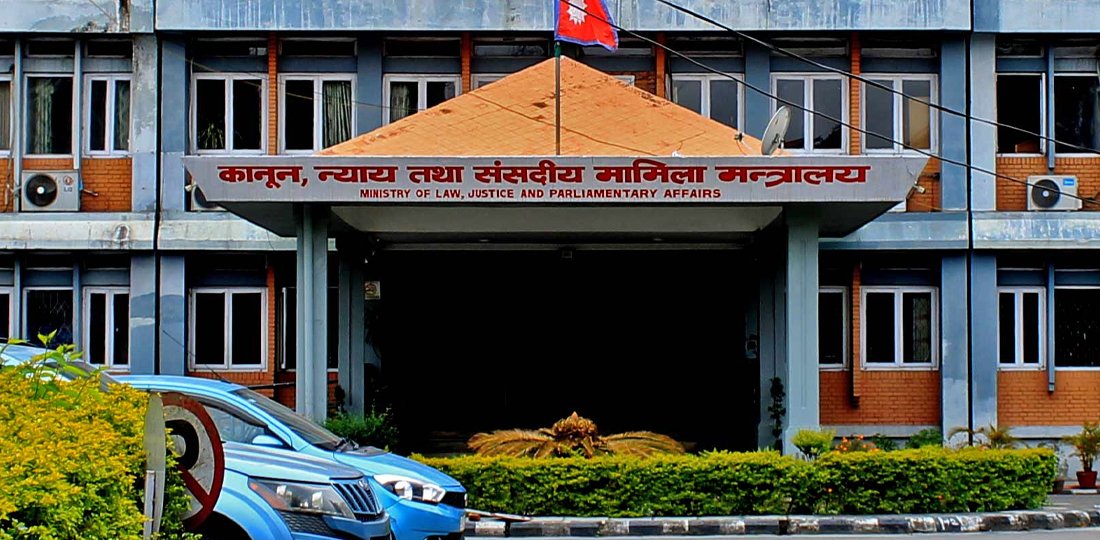
Kathmandu. The Ministry of Home Affairs has changed its action plan against drug control and trafficking, advancing a policy to treat addicts as patients rather than criminals. Joint Secretary Suman Ghimire, the chief drug control officer, provided information about the government's upcoming strategy and current situation while speaking at a program organized on the occasion of the International Day Against Drug Abuse and Illicit Trafficking.
According to Joint Secretary Ghimire, drug use has transformed from traditional natural sources, namely marijuana and opium, to the abuse of synthetic and pharmaceutical drugs. In the fiscal year 2081/82 alone, 7,943 people were arrested, confirming the growing network of drugs.
Although a survey in 2076 BS showed that 5.06 percent of youth aged 19 to 29 were involved in drugs, the current situation is estimated to be even more dire. A recent district-level survey indicated approximately 30,000 users in a single district.
Currently, rehabilitation centers are operated in only 36 districts across the country, with more than 25 percent concentrated in the Kathmandu Valley. During the ministry's monitoring, 49 centers were found to be in a weak condition. Most centers lack skilled counselors, doctors, and basic infrastructure such as toilets, playgrounds, and kitchens.
Only 159 centers are registered with the Ministry of Home Affairs, accounting for only 45 percent of the total number. Ghimire informed that the remaining 98 centers are unregistered, and detailed information for 94 centers is yet to be received.
The ministry has put forward various action plans for drug control. A new survey and digital portal have been launched for this purpose. A national survey of drug users will be conducted in 2083, for which the budget has already been approved.
In line with the goal of constructing quality rehabilitation centers in all seven provinces, a budget of 1 crore has been allocated this year to establish centers in two provinces. A draft of new regulations in accordance with the Drug Control Act is being prepared and is set to be presented to the Council of Ministers.
A management information system will be implemented for the networking and monitoring of rehabilitation centers, connecting all 77 district administration offices. The government will adopt a policy of strict legal action against major drug suppliers and stockists, but users or innocent children will be sent to rehabilitation centers and psychosocial counseling for reform.
Joint Secretary Ghimire emphasized that drug control should not be limited to a government campaign but should be taken as a social campaign. He called for activating local levels, neighborhood development committees, and mother groups to increase investment in social awareness and 'mental infrastructure,' similar to physical infrastructure like roads and electricity.
He argued that awareness programs, especially at the school level, should disseminate information only after considering the target group and impact. The ministry has pledged to further activate security agencies to break the drug 'supply chain,' and the bilateral mechanism with India will also be made effective to control illegal trade in border areas.
This specific news has been automatically translated by AI. As a result, there may be some inaccuracies or language errors.