Asia Warming Faster Than Global Average, Facing Intensified Climate Risks

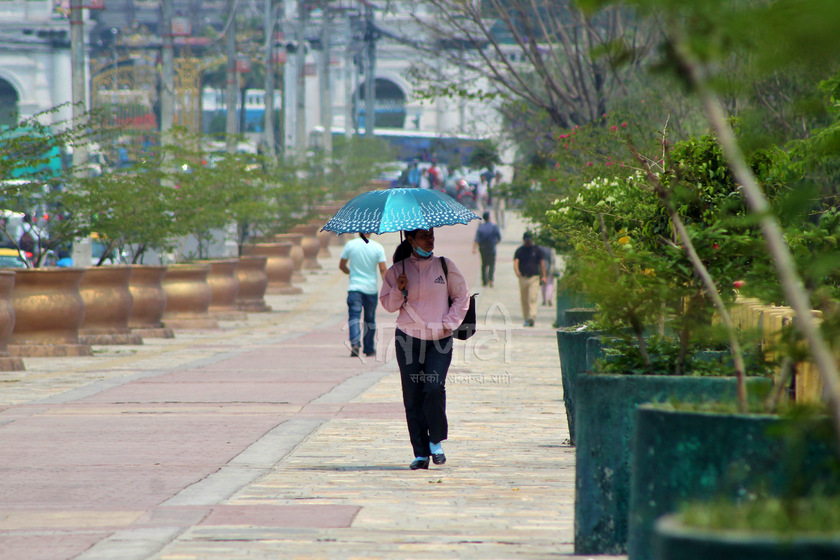
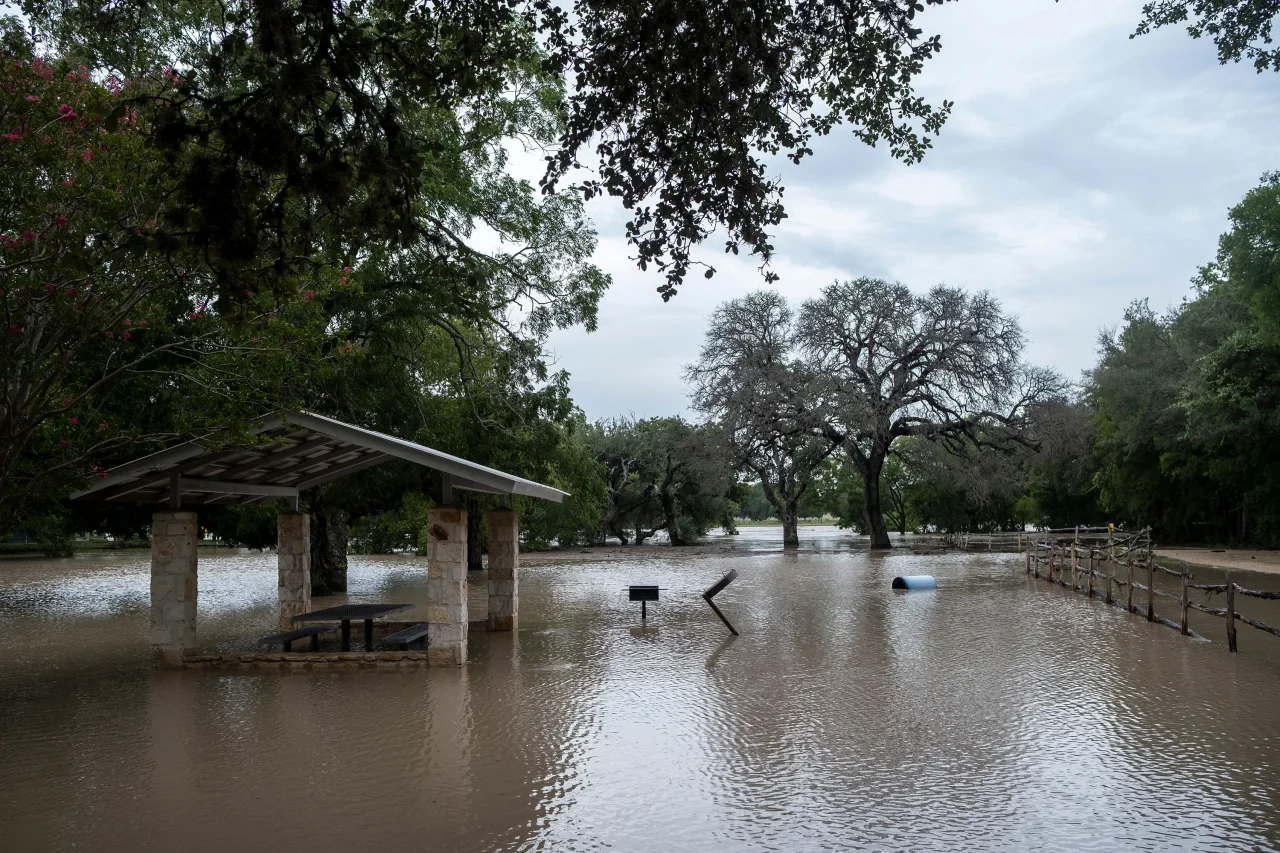
Kathmandu. Asia is warming faster than the global average, and the region has been suffering severe economic and humanitarian losses due to the rapid increase in climate-related risks. The 'State of the Climate in Asia 2025' report recently released by the World Meteorological Organization (WMO) has reached this conclusion. According to the data included in the report, the regional temperature increase between 1991 and 2025 has nearly doubled compared to the rate seen between 1961 and 1990. As land heats up much faster than the ocean, Asia, which has the world's largest landmass extending to the Arctic, is bearing a disproportionately large share of global warming. According to the report, 2025 has become one of the four hottest years on record for Asia. During this period, the average surface temperature was 0.96 degrees Celsius above the 1991-2020 baseline, creating a chain of impacts on regional ecosystems. The sea surface temperature in the Asian region has increased excessively, reaching its highest level ever recorded. As a result, from July to September alone, marine heatwaves spread over an area of more than 10 million square kilometers, larger than the area of the United States. Similarly, the 'Third Pole', the largest body of fresh water ice outside the Earth's poles in High Mountain Asia, is in crisis. Due to insufficient snowfall in winter and extreme heatwaves in summer, all 23 monitored glaciers in the region have significantly receded. On the other hand, sea levels in the coastal areas of the Indian subcontinent are rising at an annual rate of about 4.9 millimeters, which is much higher than the global average of 3.6 millimeters per year. These fundamental climate changes, coupled with challenges to monsoon cycles and weather systems, have led to a significant increase in the frequency and intensity of multi-hazard natural disasters across Asia, adding to social and economic impacts. As glaciers in the Himalayas and Tian Shan regions continue to shrink, the water flow systems of rivers in the lower regions are affected. This has increased the risk of glacial lake outburst floods and poses a threat to the long-term water, agriculture, and energy security of more than one billion people. While West Asia has been affected by prolonged droughts and severe dust storms, unusually powerful monsoon systems and tropical cyclones have caused devastating floods and widespread damage in Pakistan, Sri Lanka, and Vietnam in South and Southeast Asia. Due to prolonged summer heatwaves, Japan, China, and South Korea experienced their hottest summers on record, putting pressure on electricity systems, reducing labor productivity, and creating severe public health crises. According to WMO Secretary-General Celeste Saulo, Asia is grappling with rising temperatures, warming seas, rising sea levels, and shrinking glaciers. Heavy rainfall, floods, and droughts are causing significant economic and humanitarian losses, while extreme heat, dust storms, and glacial lake outburst floods are emerging as major risks. The report also highlights that early warning systems and impact-based weather forecasting services have helped significantly reduce mortality during major cyclones and floods. However, deep structural weaknesses still persist. Currently, less than 50% of WMO member states in the Asian region provide the specialized climate forecasts and risk data needed for long-term national and private sector adaptation strategies.
This specific news has been automatically translated by AI. As a result, there may be some inaccuracies or language errors.