Open Letter to Prime Minister on Tea Industry Crisis


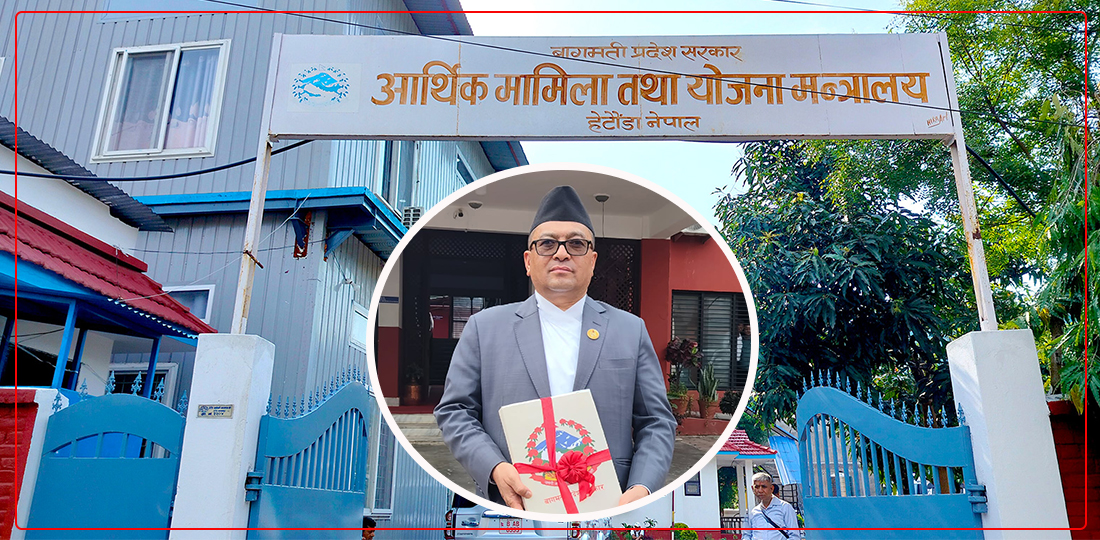
Mr. Balendra Shah (Balen Shah)
Honorable Prime Minister, Government of Nepal.
Honorable Prime Minister,
The picture of you visiting Baneshwor for tea and chatting at a cafe on my social media feed brought a different wave and excitement to my heart. As I send this open letter to you, the Prime Minister of my country, you are perhaps on leave, or busy with budget discussions, the Rastriya Swatantra Party convention, or some other important work for Nepal and us Nepalis. I assume the Honorable Prime Minister is with the team building the nation, and it is with that belief that I am writing this letter.
A nation does not survive on laws and borders alone. A nation survives on its memories, labor, and self-respect. And sometimes, that self-respect is not found in a grand monument, but in a small leaf. In Nepal's case, that leaf is tea.
When I look at a cup of tea, I remember a farmer from Ilam, who heads to the garden before dawn. I remember a mother who picks leaves all day to save her children's school fees in the evening. This scene does not appear in any slogan, but this scene carries the nation. While saying this, I am certainly not trying to stir up a storm in a teacup.
To tell the truth and with a sense of duty, I feel that scene is currently cooling down.
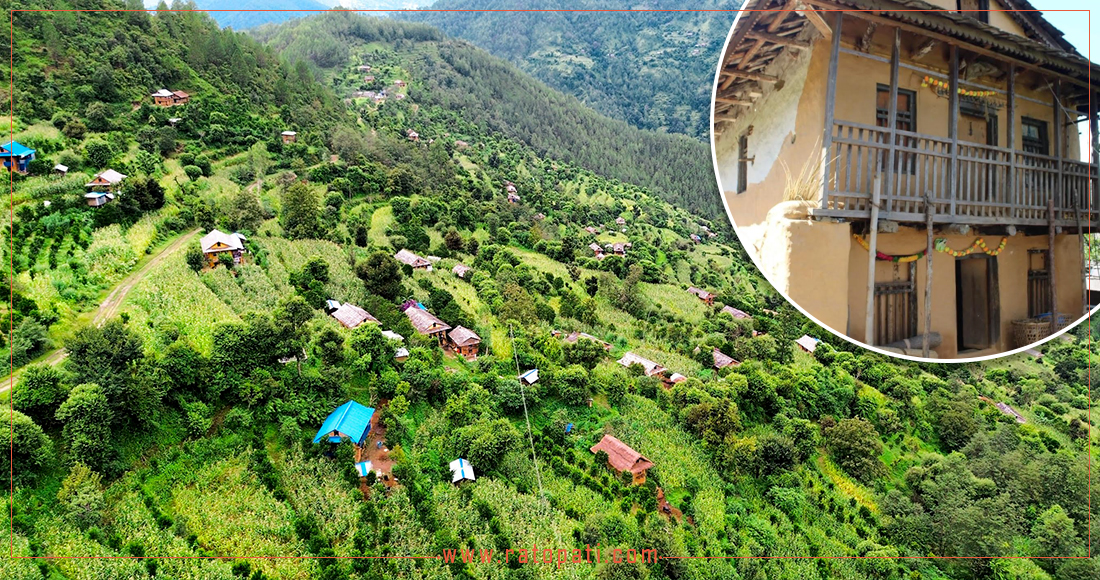
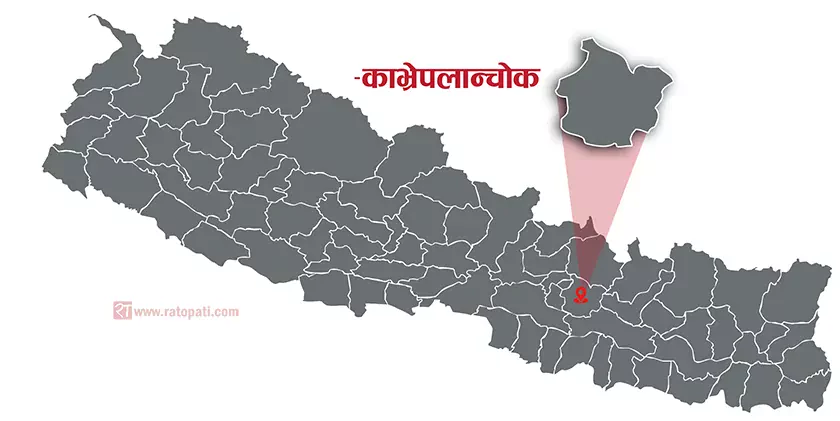
Leaves are still sprouting in the gardens of Ilam, Jhapa, Panchthar, Dhankuta, Taplejung, etc., but the hope that sprouted with those leaves is withering away. The sacks of tea stored in warehouses are not just unsold goods, but stalled dreams. Factories on the verge of closure are not brick-and-mortar structures; they are places built with the labor and trust of a generation.
Right now, one thought is running through the minds of many farmers: who will now determine the price of our sweat?
Prime Minister,
A country's economic backbone is not strengthened solely by large hydropower projects, banks, or remittances from abroad. That backbone lies where soil, labor, and production are connected. Tea is at that connection point.
This is not merely a matter of agriculture. It brings foreign currency, provides employment, and drives the rural economy. It is Nepal's identity and also a medium of our relationship with foreign countries. But most importantly, it is a test, a trial, of our economic independence.
A country that cannot determine the price of its own produce cannot be considered fully independent.
The new rule recently introduced by India has placed this harsh truth before us. Having more than ninety percent of the market concentrated in one place was already a risk, and now that risk has turned into a crisis.
However, the nation's future is determined by the perspective with which the crisis is viewed. Weak leadership sees only problems in a crisis, while farsighted leadership sees the door to reform within that same crisis.
In my opinion, this tea crisis is not just about tea. It is a test of our policy, diplomacy, and long-term vision.
We must ask ourselves some difficult questions. Our tea is praised worldwide, but why is it weak in the market? We built a brand, but why couldn't we build bargaining power? We increased production, but why did we forget to create ways to protect it?
These are not just questions about tea. These are questions about Nepal itself.
Tea has another meaning too. For us, it is not just trade. It is our literature, our tourism, our agriculture, our civilization and tradition, and heritage. It is identity. It is the thread that holds unity in diversity together. It is a gateway to taste and conversation.
Strangers become acquainted over tea. Even people who have quarreled start talking again over a cup of tea. There is tea in fatigue, tea in meetings, tea in chats, and tea in politics.
The phrase
This specific news has been automatically translated by AI. As a result, there may be some inaccuracies or language errors.