Melamchi Flood: 5 Years On, Affected Families Still Struggle with Economic and Non-Economic Losses

_YgYZP2eyG0.jpg)
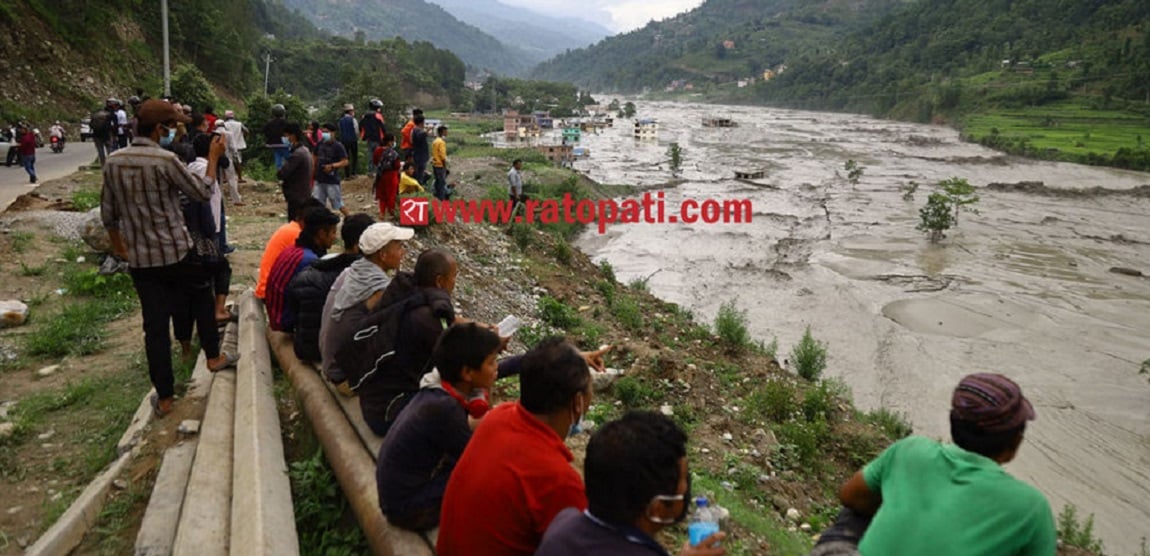
Melamchi. In the Melamchi-Indrawati flood five years ago, 862 families were affected, causing losses equivalent to 498 million US dollars. Not only the government but also many organizations have studied this flood. Preliminary studies by Helambu Rural Municipality and Melamchi Municipality show that the damage is around 600 million US dollars (approximately 60 billion rupees).
Similarly, a study by Prakriti Resources Center (PRC) shows that the flood caused a loss of 6.2 million rupees per family. This is an estimate compiled from the loss of homes, land, and other various economic damages incurred by the affected families.
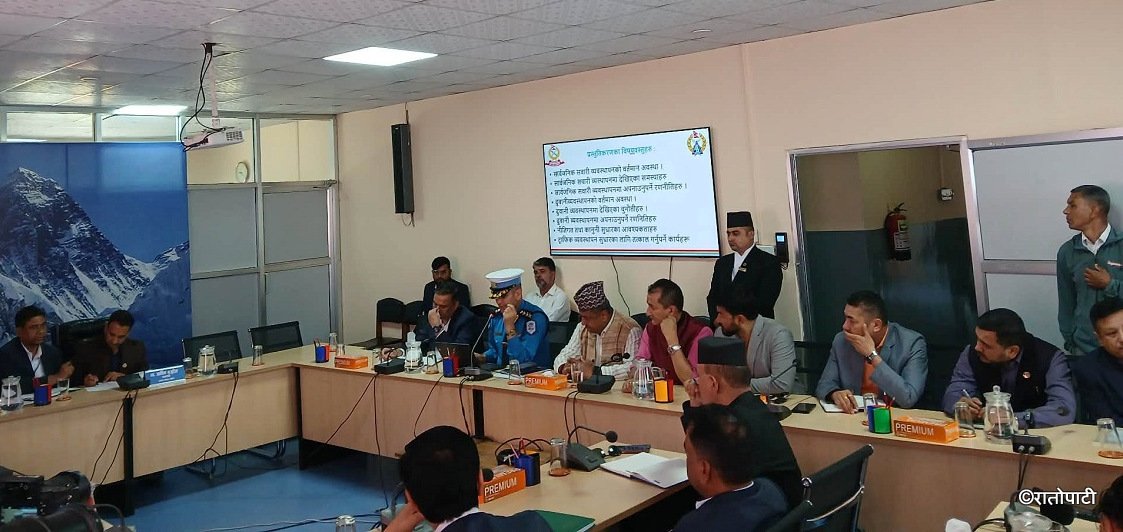
The most overlooked aspect of the Melamchi flood is the non-economic damage. A study on policy arrangements for climate-induced losses and damages, released by PRC on Monday, shows that the non-economic impacts are inadequately addressed. Although Nepal has formulated a national framework and many policies on climate-induced loss and damage, it has not adequately addressed long-term livelihood losses and non-economic impacts. Recovery mechanisms are largely relief-oriented. The study report shows that government policies have not focused on compensation for primary asset damage, even though agriculture is the main source of livelihood for many households.
Although policies acknowledge non-economic damages, including cultural heritage and psychosocial well-being, their financing does not appear to be from any state mechanism. The study has listed the impact of the flood on temples, Buddhist stupas, cremation sites, community spaces, and cultural practices.
In psychosocial assessments, affected individuals showed high levels of depression and anxiety after the disaster. The study's findings highlight gaps in institutional coordination, financing, and implementation. The report suggests that Nepal needs to address these issues to expand access to international climate loss and damage funds.
According to a study conducted by PRC on 120 households in Melamchi Municipality and Helambu Rural Municipality, 85 percent of those affected are suffering from psychosocial problems, and 58 percent have suffered damage to their cultural and religious sites. 70 percent show symptoms of depression and 57 percent show symptoms of anxiety. The disruption to monasteries, Buddhist stupas, cremation sites, community spaces, and cultural practices has affected the community's social structure. However, there is no clear policy, budget, or institutional responsibility from the state to address such psychosocial and cultural damages. It is not possible for affected individuals to receive fair compensation from the annual budgets of Melamchi and Helambu.
According to the details of relief distributed by the National Disaster Risk Reduction and Management Authority, a very small number of households have received all three installments provided by the government. Out of 23 beneficiary families in SIndhupalchok Rural Municipality, only 11 families have received the third installment.
- 'The law binds us'
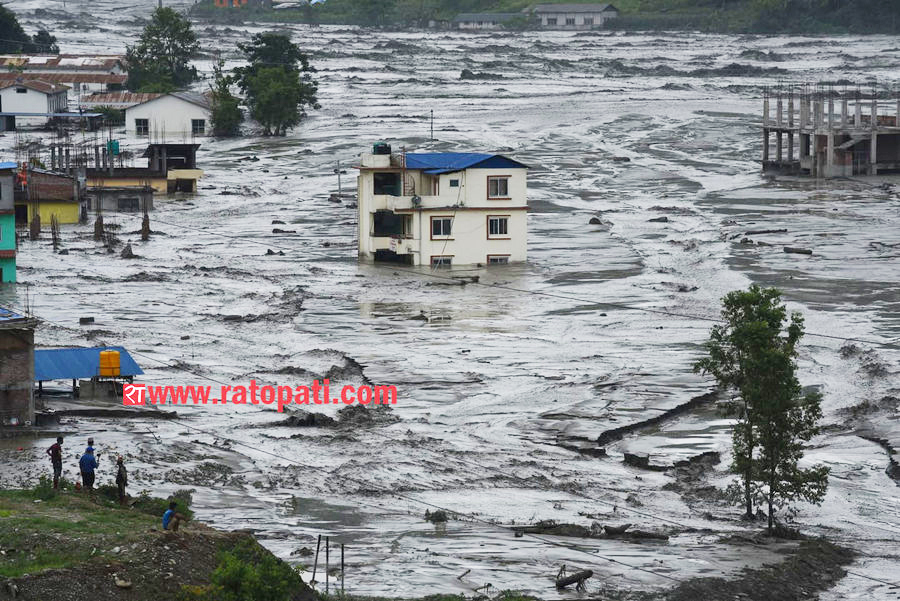
In Melamchi Municipality Ward No. 10, efforts are underway to level the land and make it cultivable. Five years after the flood, with the support of social organizations, a plan to level the land and cultivate it as riverbed farming has been initiated. The land along the riverbank was buried under about 15 feet of sand and debris. Since it is not possible to remove the sand and restore it to its original state, a plan to level it and cultivate it as riverbed farming has been put forward.
The flood of 2078 BS washed away most of the settlements and fields near the river. In Ward No. 10, almost all the land of the Majhi community turned into riverbed. Deprived of their agricultural profession, locals are earning a living through daily labor. Now, the ward office, in collaboration with the municipality and local organizations, is trying to make the buried land cultivable.
Ward Chairman Amrit Khanal said, 'We were elected in 2079 BS. Since then, we have been continuously working on river control. In the case of private and community land being washed away, we have to work within the state's policy. We want to do a lot of work here, but we cannot do as we wish. The law binds us. This local level is like being thrown into a big river with our hands and feet tied. Due to the provision that the state cannot invest in private land, we have not been able to do as much work as we had hoped.'
The ward is trying to bring the Majhi community, who are deprived of agriculture, back to farming as their livelihood is becoming difficult.
Chairman Khanal added, 'They are currently deprived of the agricultural profession. With the support of PRC and local volunteer efforts, we are now working to make the buried land cultivable again. We will clear all the land, make it suitable for water flow, and divide it according to the land ownership certificates. Then they can cultivate. Since it is private land, the municipality cannot allocate a budget according to the rules, so we are working with PRC.'
He also said that the understanding of river conservation has changed after the flood. The previous mentality of encroaching on the river has changed, and awareness has increased that the river's space should be left untouched.
- 100% Subsidy for Commercial Farmers, But Farmers Did Not Return
The flood caused significant damage to the cultivable land and crops in Melamchi Municipality. The flood washed away 1,882 ropanis of cultivable land and damaged the crops of 393 farmers. The municipality immediately provided relief of 10,000 rupees per farmer, which is very low compared to the damage.
Now, the municipality has launched a special support program for the restoration of commercial agriculture. According to Amarnath Acharya, an officer and assistant soil scientist at the Agriculture Development Branch, a program has been implemented to provide a 100% subsidy to farmers engaged in commercial agriculture.
_EfqRcnnCXb.jpg)
Initially, the municipality proposed to pay the rent for alternative locations for farmers who wished to restart their businesses, but the farmers did not show interest. After that, a provision was made to provide a 100% subsidy to farms damaged by the flood. According to Acharya, farmers returning to agricultural businesses have received subsidies ranging from 100,000 to 350,000 rupees. Farmers who received the subsidy have started pig, buffalo, and vegetable farms.
Officer Acharya said, 'During the damage assessment, it was found that 1,882 ropanis of land were washed away by the river. As relief, we provided 10,000 rupees per farmer as crop damage compensation. When farmers did not come forward for the offer to pay rent for operating businesses elsewhere, we provided a 100% subsidy to the farms. In 2081 BS, we also provided a subsidy of 200,000 rupees to farms that suffered damage in the Indrawati flood.'
According to him, some farmers had insured their agricultural farms. The municipality has provided recommendations worth 8.9 million rupees for insured farmers to claim compensation. However, farmers who received insurance money have not returned to farming. It is difficult to operate businesses due to sand and debris. Farmers fear further damage due to the possibility of more soil and stones flowing from upstream during the monsoon.
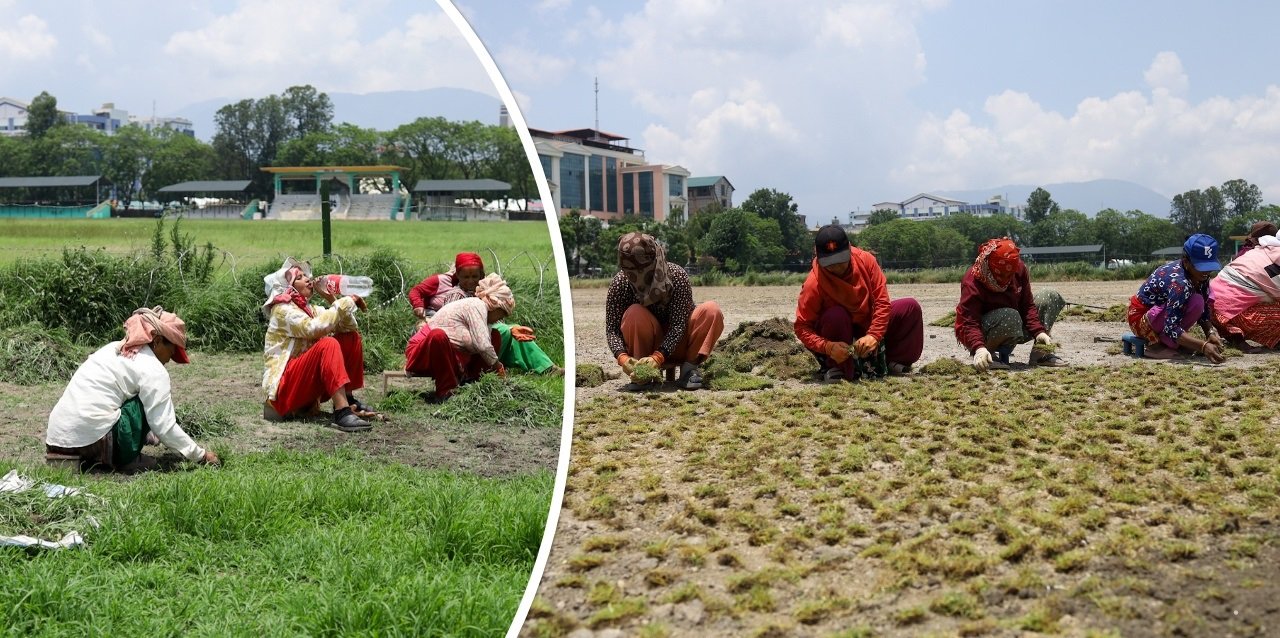
A large area of land in Ward No. 10 has turned into riverbed. The municipality is preparing to introduce a model of banana and watermelon cultivation on the sand to make it cultivable again. Acharya said, 'It is easier for farmers to earn a livelihood by cultivating riverbeds than to leave the land fallow. If farmers request their land to be demarcated, the municipality will proceed with the process. But no such request has been received yet.'
_73Z5yOghx2.jpg)
- Local Government Vigilant in Disaster Risk Reduction and Preparedness
Considering the instance where many people were saved by the local FM station's flood early warning, Melamchi Municipality has increased investment in expanding the early warning system. The municipality has established a local emergency operation center, and in collaboration with security agencies, response materials have been kept at the Indradhwoj Battalion.
According to Sabuna Gamal, the municipality's environmental inspector and disaster focal person, manual sirens have been installed in Melamchi Bazaar, Talamarang, and Bahunepati.
Gamal said, 'We are working to strengthen the early warning system. It has been very important for the safety of life and reduction of damage. Now, it seems necessary to focus on making the manual technology automatic.'
She stated that the tendency is to primarily associate disaster impacts with physical infrastructure, but recently, non-economic (psychosocial and cultural) impacts are also being considered.
'The impacts of disasters are often linked to infrastructure. However, PRC's study has brought out the mental, emotional, and cultural impacts with evidence,' she said. 'This gives us an opportunity to look at the flood from a different perspective. But since addressing such issues is not included in the policy, we are unable to provide adequate support to the affected.'
_9MAH4yd1tL.jpg)
- Fear Still Lingers in the Community, Returning to Old Ways Difficult
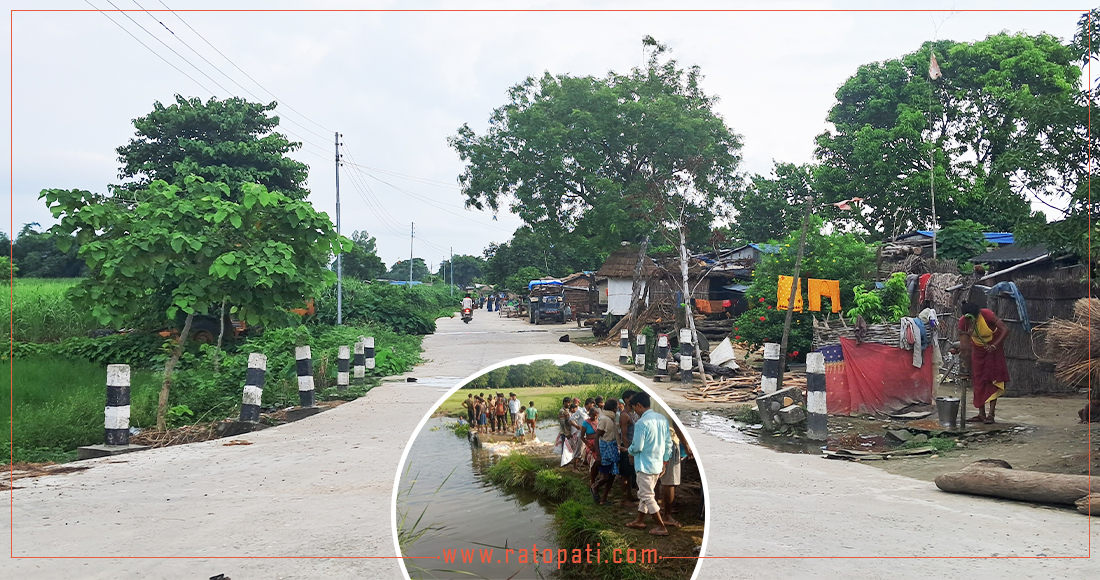
As the monsoon begins, locals in Melamchi start experiencing fear of potential risks. Structures destroyed by the flood five years ago still stand amidst the riverbed. As dark clouds gather in the sky, fear takes hold of the locals' minds.
Gamal said, 'People here are still afraid. The study shows uncertainty about their future. Therefore, a long-term program should be brought by studying the entire Melamchi and Indrawati basin.'
Despite significant losses from the flood, the daily lives of the affected are becoming difficult due to the lack of long-term rehabilitation plans. Flood victims Radha Devi Tamang, Suga Majhi, Bishnu Bahadur Majhi, and Kaliprasad Shrestha say that the government should bring plans to improve their living standards.
Radha Devi Tamang, who is homeless, complained that although she received rice immediately, she received nothing afterward. Suga Majhi said, 'I had about one ropani of land, which the flood took away. Now we are making a living through daily labor. The ward gave us a little rice, oil, and salt. It would be a relief if they could make the sand-covered land cultivable, but who will do it?'
Bishnu Bahadur Majhi used to earn a living by fishing, but now there are no fish in the river. He says, 'I used to earn up to two thousand rupees a day. Now there are no fish. I think if the government made the land cultivable, I could farm.'
Civil society representative Bal Krishna Deuja says that the affected have not yet been able to return to their previous state.
He said, 'Five years have passed, and the problems remain the same. When the farmers' sheds, houses, and land that have been cultivated for generations are washed away, the connection between people and the soil is broken, which takes time to mend. For those who do not even have land to build a house, the amount the government promises to give is not enough to buy land. Some have built houses by taking loans and are in a situation where they have to pay high interest. The local government is the closest government to the people, but it has not been able to do what it should have done.'
He emphasized the need for coordination among all three levels of government to build safe structures that would allow the river to return to its natural course in a managed way.
'Due to government policies, Melamchi flood victims have not received the full amount for reconstruction'
(Anjana Karki, Civil Engineer, Melamchi Municipality)
The flood carrying debris in the Melamchi River on June 1, 2078 BS affected 500 households in Melamchi Municipality and Helambu Rural Municipality. Although all three levels of government have initiated reconstruction efforts, the attempts have been insufficient due to policy complexities and lack of resources. According to Anjana Karki, a civil engineer at Melamchi Municipality, although a decision was made to provide 550,000 rupees for housing reconstruction, 60% of the beneficiaries have not received the final installment.
- It has been five years since the Melamchi flood; what is the municipality doing to reconstruct damaged physical structures and facilitate the livelihood of the affected?
We are carrying out reconstruction work in coordination with all three levels of government. Those whose residential houses were damaged receive 500,000 rupees for permanent housing and 50,000 rupees for temporary shelter. This includes 20% from the local government, 30% from the provincial government, and 50% from the federal government as grants. The municipality has provided technical support by offering a 100% revenue discount in the initial phase and a 50% discount in the second year for tasks like map approval.
- This was a major disaster; is the relief distributed sufficient?
No. Compared to the losses, this relief package is very meager. This is just general 'relief and reconstruction' for them. Currently, according to policy, efforts are focused only on residential houses. Many have suffered significant damage to their businesses, enterprises, and cultivable land, for which we have not been able to provide relief. The affected are also mentally distressed and have not yet recovered.
- Has the municipality assessed the damage to cultural aspects?
We have not collected data focused on that. However, various organizations have studied it. Due to economic hardship, some find it difficult to celebrate cultural festivals. The joy is less than before.
- Even after five years, there has been no improvement in the economic status. Is it because the municipality did not work or because the policy did not allow it?
There are many policy obstacles. Our main challenge is the policy gap. For example, beneficiaries receive housing construction funds in three installments. The first installment is 50,000 rupees, the second is 250,000 rupees after the DPC, and the final installment is 200,000 rupees. However, according to the policy, to receive the final installment, the damaged old structure must be removed from the foundation. Some houses are located in the middle of the river, which are neither livable nor can be demolished. Due to this policy, more than 60% of beneficiaries have not received the final installment.
- What are the plans for reusing the cultivable land buried by sand?
Apart from reconstruction, we have not been able to do much regarding cultivable land. The affected themselves have made some efforts to excavate sand and create fields. Now, in Ward No. 10, we are starting the work of leveling the land with the help of social organizations.
For those who do not have safe land, we have placed them on the 'rehabilitation' list by providing an additional 300,000 rupees to buy land. There were 15 such beneficiaries, and they have all received the amount and are building houses. For reconstruction, there were 297 beneficiaries who have received the second installment, but the final installment is held up due to policy issues.
- What kind of mechanism should be established for managing major disasters like Melamchi?
The main challenge lies in the law itself. Even after five years, the affected are still under mental stress. Due to policy weaknesses, we have not been able to fully support them. Policies that are friendly to agriculture are needed to uplift farmers. The 500,000 rupees given for house construction is not enough to build even a two-room house. There is no policy to evaluate how much production the land used to yield annually and how their livelihood was sustained. This needs to be improved.
This specific news has been automatically translated by AI. As a result, there may be some inaccuracies or language errors.