Public Service Commission's Role Beyond Examinations

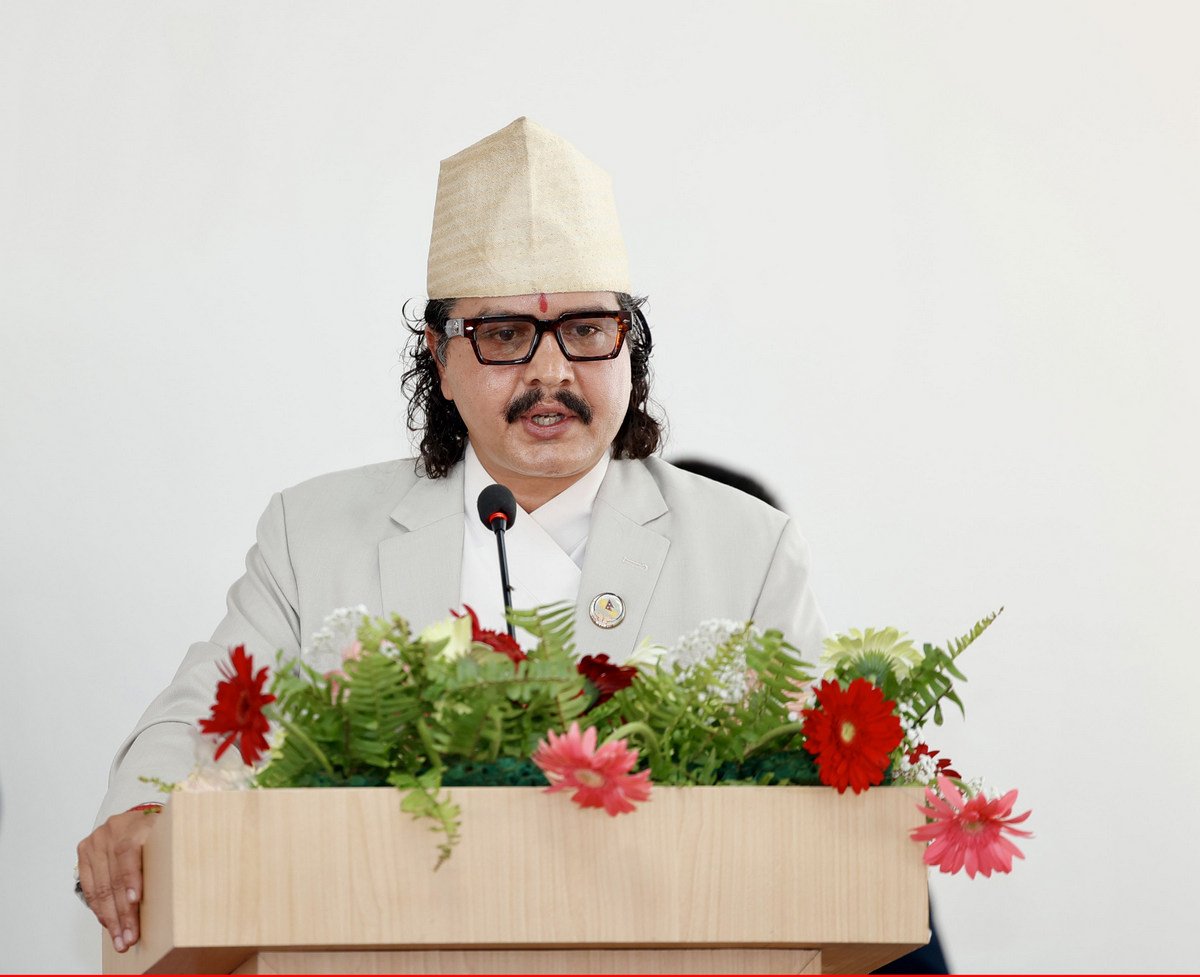
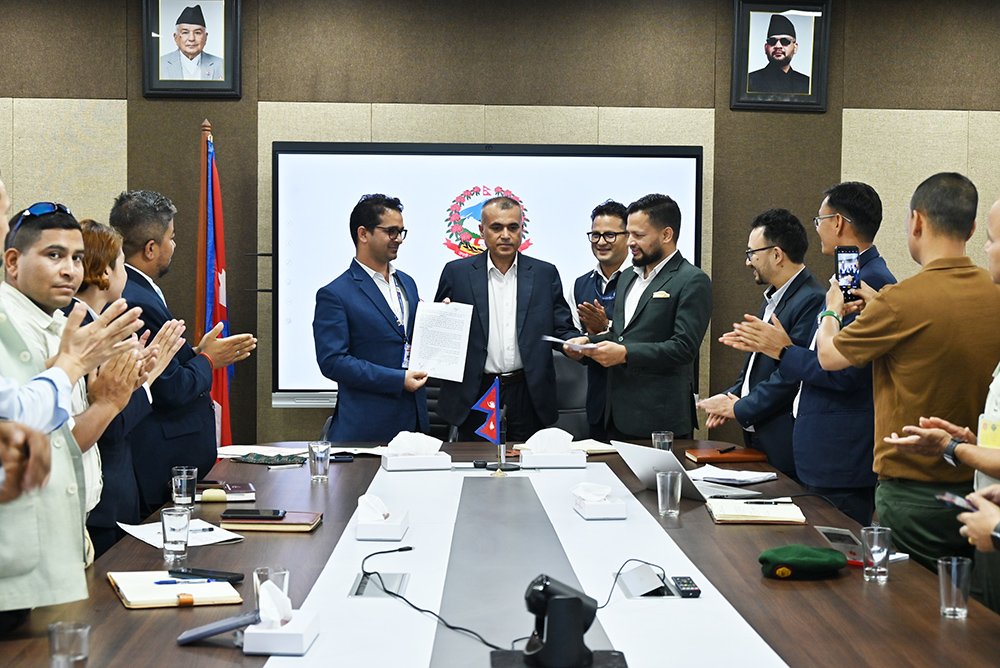
Kathmandu. Chairman of the State Management and Good Governance Committee, Hari Dhakal, has stated that the role of the Public Service Commission should not be limited only to conducting examinations and making recommendations. Speaking at a special program organized on the occasion of the Public Service Commission's establishment day, Chairman Dhakal mentioned that the commission's contribution to good governance, the rule of law, and the professionalization of public administration is further expected. He cautioned that in a changed and dynamic environment, merit and impartiality alone are not enough for selecting employees, and merit without morality and honesty can lead to risks. Chairman Dhakal emphasized that the curriculum on good governance, integrity, and honesty should not be limited to high-level employees but should be included at the Kharidar, Nayab Subba, and Officer levels. He stated that the commission's historical reputation can only be maintained if it develops the capacity to test not only the answers of the examinees but also their practical conduct. Elaborating on the future direction and areas of reform for the commission, he said, 'The responsibility of the Public Service Commission should no longer be seen as limited only to conducting examinations and making recommendations. The commission's contribution to good governance, the rule of law, professionalization of public administration, and institutional strengthening of democratic governance is equally expected. The commission needs to move forward by further embracing these responsibilities. In the changed and dynamic environment, merit and impartiality alone cannot be sufficient grounds for employee selection. Merit and selection without morality and honesty can create risks. The issue of why the group of employees selected through intense competition has not been able to make public service and development excellent is extremely sensitive. The question of how many morally upright employees have been selected quantitatively and practically by the curriculum on morality and integrity included in the selection of high-level employees is also equally important.' Dhakal mentioned that with the implementation of the federal governance system, the commission's responsibility has become more profound, and proper coordination and facilitation are necessary to institutionally establish provincial public service commissions. He particularly emphasized the need to further strengthen the commission's credibility through modernization of the examination system, high use of information technology, and transparency to fulfill the need for skilled and results-oriented human resources at the federal, provincial, and local levels.
This specific news has been automatically translated by AI. As a result, there may be some inaccuracies or language errors.


_iL3K2wYemS.jpg)