Madhesi Parties Face Electoral Defeat, Future Uncertain


Kathmandu. In the House of Representatives elections held last February, Madhesi parties suffered a severe defeat. Although about half a dozen political parties consider Terai-Madhes as their main base area, none of those parties could win even a single seat nationwide.
Janata Samajwadi Party, Janamat Party, Rastriya Mukti Party, Nagarik Unmukti Party Nepal, Aam Janata Party, Nepal Sadbhawana Party, and other parties have been politically active considering the Terai-Madhes geography as their base area. However, these parties could not even save their existence in the Madhes Province. In the House of Representatives, out of the 32 seats under the direct election system in Madhes Province, the Rastriya Swatantra Party won 30 seats, while one seat was won by the Nepali Congress and another by the Communist Party of Nepal.
The Madhesi parties, which are at zero in the federal parliament's House of Representatives, have been reduced to three seats in the National Assembly. In the Madhes Provincial Assembly, JSP Nepal (after unification with Lospa Nepal) has become the largest party with 28 seats. Similarly, Janamat Party has 12 seats and Nepal Federal Socialist Party has one seat.
Local level and provincial assembly elections are due in the country next year. There is growing concern about whether Madhesi parties will be able to regain their lost ground in the local level and provincial assembly elections or if they will face the same fate as the House of Representatives elections.
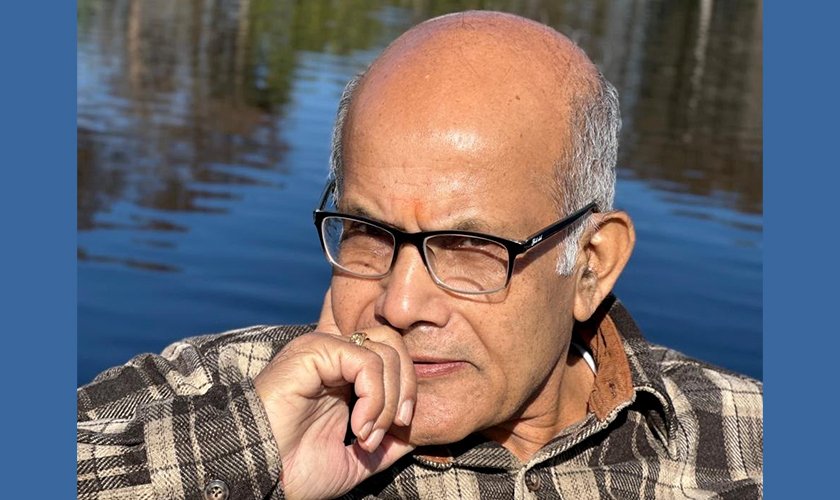
According to economist and professor Dr. Haribansh Jha, the Madhes-centric parties have essentially become extinct in the House of Representatives elections held last February. 'A party that emerged in 2064 BS has fallen to zero within 20 years, which is an extinction,' he said, 'Those parties have received the fruits of their karma.'
Since 2074 BS, the government in Madhes Province was continuously led by Madhesi parties. Despite having fewer seats compared to other parties, Madhes-centric parties had succeeded in keeping the government leadership with themselves. Currently, even though JSP Nepal is the largest party in the Madhes Provincial Assembly, the Nepali Congress, UML, and CPN have formed a government by bringing JSP Nepal to the opposition.
From February 2, 2074 BS to November 22, 2082 BS, four chief ministers were from Madhes-centric parties. More than 50 ministers were appointed during that period. Professor Jha states that not only have Madhes-centric parties lost their presence in the provincial government, but if the same fate as last February repeats, they could be swept away in the upcoming provincial assembly and local level elections next year.
Jha clarified that the public has held the Madhes-centric parties accountable for their past mistakes in the House of Representatives elections.
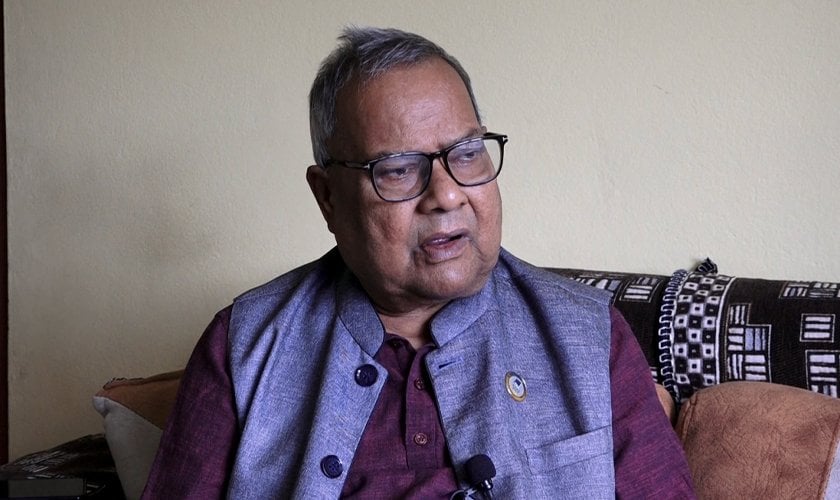
However, JSP Nepal leader Laxmanlal Karna argues differently. He said, 'JSP Nepal, meaning Madhes-centric parties, still have influence in Madhes. Although the public is displeased due to some mistakes made in the past, they can support us again if we correct our mistakes.'
He stated that unification between Janata Samajwadi Party Nepal and Loktantrik Samajwadi Party Nepal has already taken place and that efforts are being made to unite with other parties. He believes that if they go into the elections united and strong, the public can trust them again. For this, he emphasized the need to commit to not repeating past mistakes.
Madhes-centric parties are working towards unification before the elections. Efforts are underway for unification between Rastriya Mukti Party led by Rajendra Mahato, Janamat Party led by Dr. CK Raut, and JSP Nepal led by Upendra Yadav.
Despite efforts for party unification, it is difficult to assess how much impact it will have on the public due to personality clashes and growing dissatisfaction within their own parties. In the past, there have been practices of party unification and working alliances, but Madhes-centric parties weakened due to personality clashes among leaders and competition for power.
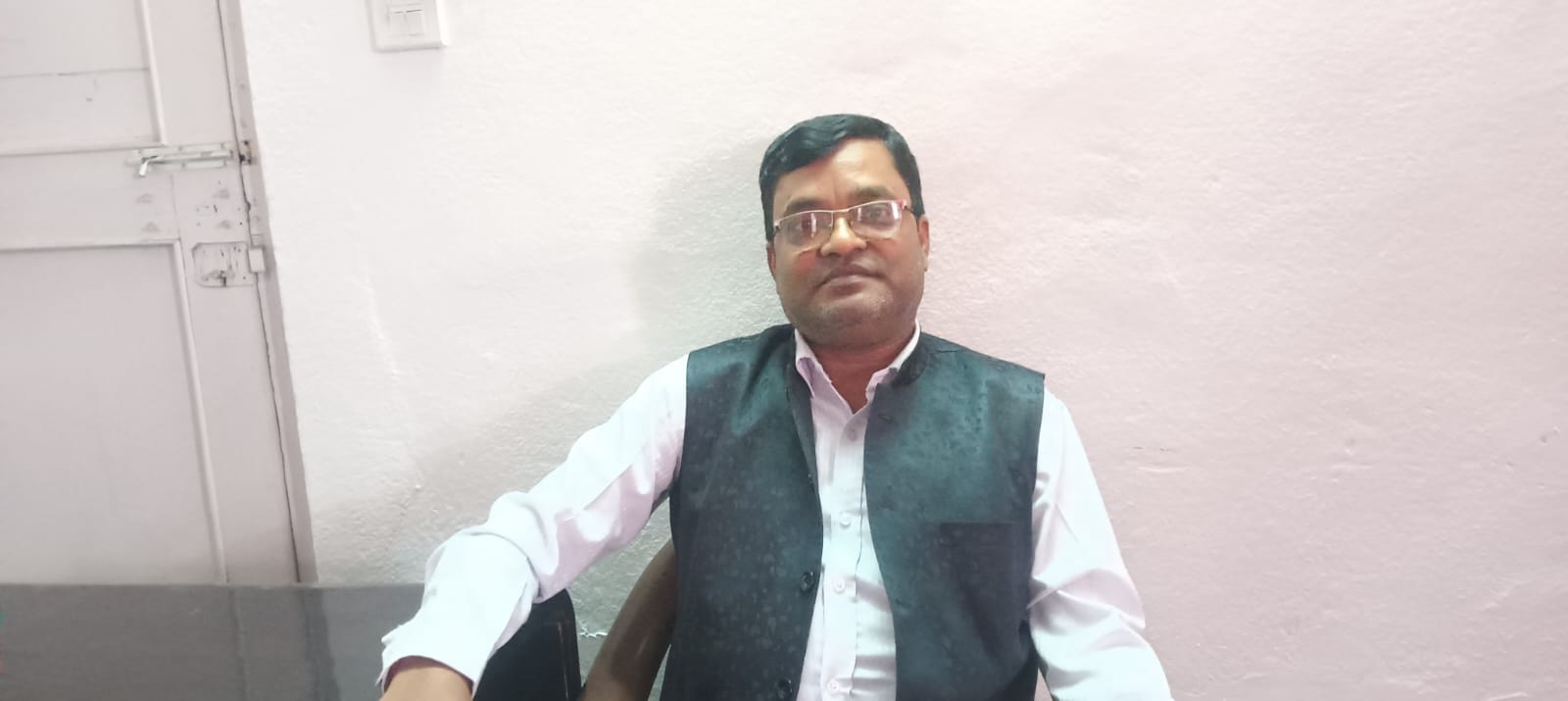
- Youth in separate campaigns
Young leaders of Madhes-centric parties have started separate campaigns citing the lack of generational change in leadership. Ramkumar Sharma, who resigned from JSP Nepal, claimed that the old generation in Madhes-centric parties has become obsolete.
He said, 'Such a change occurred in the country, generational change happened in the government, but Madhes-centric parties remained in the same old ways. Therefore, the leadership of Madhes-centric parties can be considered extinct. Now, the youth of Madhes have moved forward in a new way. This will create more problems for the older generation in Madhes.'
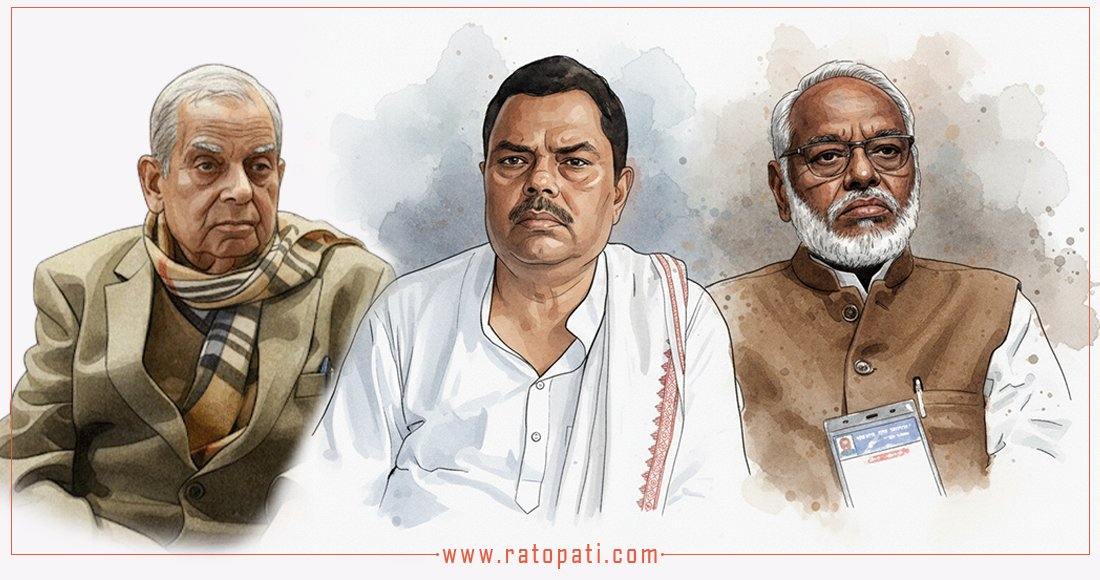
Sharma clarified that Madhes will no longer accept leaders like Upendra Yadav, Rajendra Mahato, and Mahanta Thakur. 'The main reason Madhes-centric parties have fallen to zero in the House of Representatives is the mistakes and shortcomings they made in the past,' he said, 'If they do not correct them now, Madhes-centric parties will also be zero in the provincial and local levels.'
According to political analyst Bijaykant Karna, Madhesi parties are in this situation because of themselves. 'The result we are seeing now is because Madhesi parties got entangled in power politics since 2064 BS,' he said.
Karna stated that the fact that no party, which claims to be doing politics in the name of Madhes and Madhesi people, could even cross the 'threshold' clearly shows where they stand in the eyes of the public. He said, 'It is a matter of shame that parties that have been doing politics for Madhes and Madhesi people for so many years cannot even cross the threshold.'
JSP Nepal leader Laxmanlal Karna also said that power is the reason for the current state of Madhes-centric parties. He said, 'We went to power but could not achieve anything, but because we went to government with Congress, UML, and Maoists multiple times, the blame for their mistakes has been put on us.'
He clarified that while leaders of Congress, UML, and Maoists have been implicated in scandals, no leader from Madhes-centric parties has been named in corruption cases, and the fallout has affected Madhes-centric parties.
JSP Nepal leader Dr. Surendra Jha, however, argues differently. He said, 'It doesn't matter whether the leadership is old or new. Anyone can do well if the policy, ideology, principles, and most importantly, the behavior are good.'
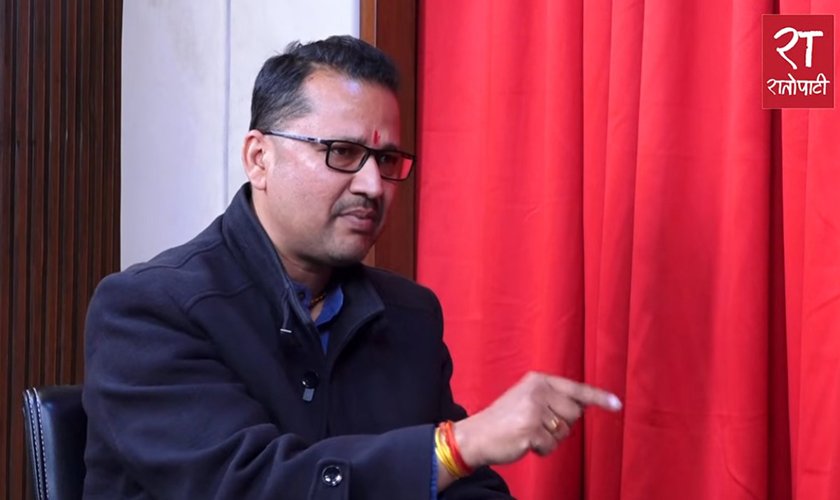
While acknowledging that JSP Nepal might have made some mistakes in the past, he claimed that it has corrected them and is moving forward. He expressed confidence that this will show results within three months.
He stated that along with strengthening the organization, training programs for leaders and cadres are being conducted, and JSP Nepal is being reformed in Madhes and is emerging as a force again.
Resham Chaudhary, patron of Nagarik Unmukti Party, said that politics cannot move forward with the old mindset. He believes this situation has arisen because the leaders of Madhes-centric parties have not transformed themselves. He said, 'Firstly, the parties should have transformed, which did not happen. The reason for this defeat is that the agenda and direction of the parties were not properly explained to the public.'
Madhes-centric parties had formed the Federal Democratic Front for the elections. Despite this, they failed to cooperate in the elections. Parties within the Front competed against each other. Santosh Mehta, General Secretary of Rastriya Mukti Party, said that the demise of Madhes-centric parties began from there.
He said, 'During the elections, top leaders of some parties did not give importance to leaders of other parties. This is the result of moving forward in the elections thinking they could do everything themselves.'
Mehta believes that the arrogance of leaders in Madhes-centric parties has also led them to the path of demise. He said, 'Efforts are being made to rise again by dusting ourselves off, and discussions are underway to move forward in a new way.'
This specific news has been automatically translated by AI. As a result, there may be some inaccuracies or language errors.