MP Kandell Criticizes Finance Minister's Defense of Errors, Questions VAT System

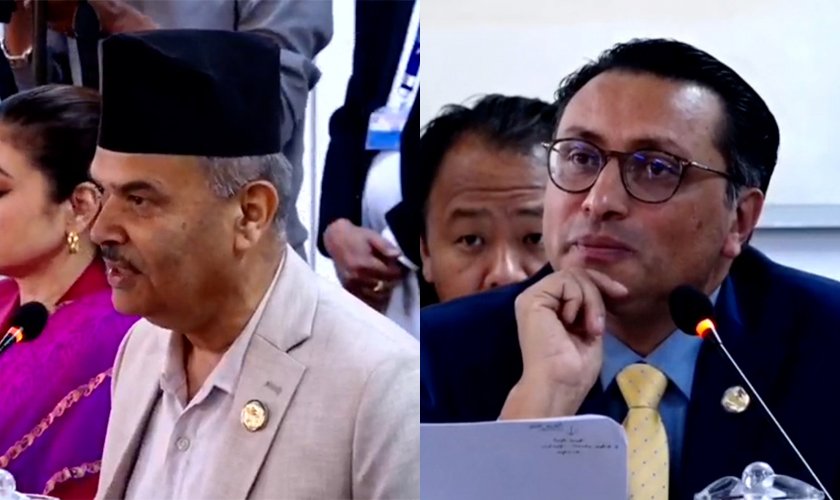
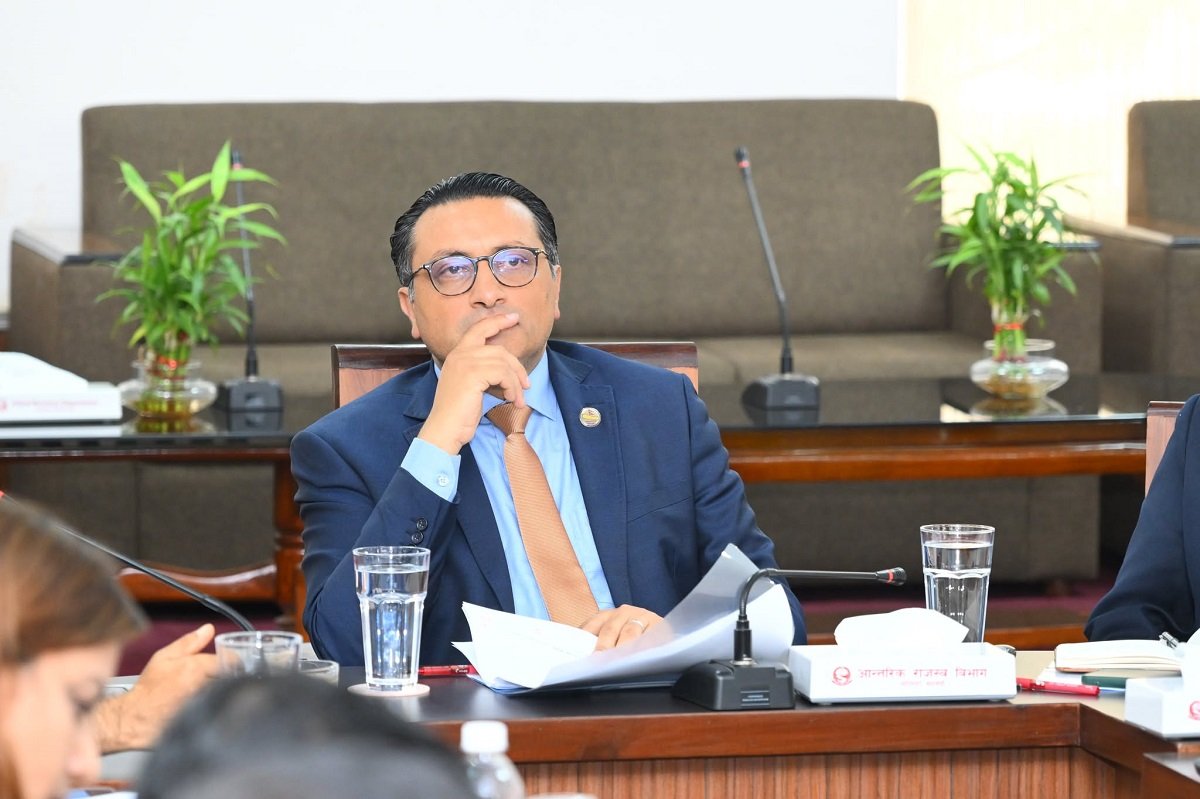
Kathmandu. CPN-UML MP Pushparaj Kandell has stated that Finance Minister Dr. Swarnim Wagle cannot defend his own mistakes by pointing to the shortcomings of previous governments. Speaking at a meeting of the Finance Committee under the House of Representatives, he expressed dissatisfaction with the Finance Minister's tendency to repeatedly blame previous governments and finance ministers.
He stated that the government, which came with an agenda of good governance and reform, should not repeat past mistakes. 'Honorable Finance Minister has repeatedly been raising the issue that previous finance ministers changed tax rates or systems in 73 places and corruption occurred,' Kandell said. 'If the previous government made mistakes, that is already on record. But if the new government has come with an agenda of good governance and reform, it should not repeat past mistakes. Even if the previous ones made mistakes, no one has the liberty to make mistakes now based on that.'
He also mentioned that since the Finance Minister himself is a person who has held responsibilities in policy-making bodies like the National Planning Commission in the past, it is not possible for him to completely distance himself from all previous decisions and processes.
Kandell also raised questions about the Value Added Tax (VAT) system. Recalling that Nepal's tax administration has historically rejected multi-rate or two-rate VAT systems, he questioned whether there has been sufficient study and preparation for moving towards this system now. He pointed out the need for the government to be serious about maintaining stability, predictability, and clarity in tax policy, and stated that any tax reform should be implemented only after extensive study and consultation with stakeholders.
Similarly, in the discussion on the budget for the upcoming fiscal year at the committee meeting, participating MPs stated that although the budget addresses the demands of the private sector and emphasizes improving the business environment, its implementation aspect is challenging.
MP Lima Adhikari said that the budget has provided great relief to citizens and businesses burdened by tax problems and arrears for years. She termed the provision of settling old liabilities by paying a 1% administrative fee as a golden opportunity. 'Our demand was that there should be at least one level difference in the customs duty between raw materials and finished goods, which has been addressed by this budget. Similarly, the 11-level customs duty has been limited to 7 levels, and the excise duty on 360 types of goods has been completely abolished. This reduces the cost of doing business and creates an environment conducive to business,' she said.
MP Pushparaj Kandell stated that although some technical aspects of the budget are positive, the budget has not paid adequate attention to infrastructure development and the education sector. He said that focusing more on higher-level subjects has weakened the fundamental aspects.
In the discussion, MP Bidushi Rana said that the budget has succeeded in instilling confidence in investors that the state is with them. She stated that the amendment to Section 57 of the Income Tax Act and policies to reduce business costs will boost the morale of the private sector. 'When individuals have more disposable income, that money will ultimately be spent on education, health, household consumption, transportation, and the local market. Therefore, this can be considered a demand stimulus step for the overall economy,' Rana said.
Although other MPs at the Finance Committee meeting welcomed the reforms in the tax system and private sector-friendly policies in the budget, they drew the government's attention to the effective implementation of the allocated budget and the low priority given to infrastructure development.
This specific news has been automatically translated by AI. As a result, there may be some inaccuracies or language errors.