Zoo Sees 18,000 Visitors on New Year's Day, Faces Space and Management Challenges

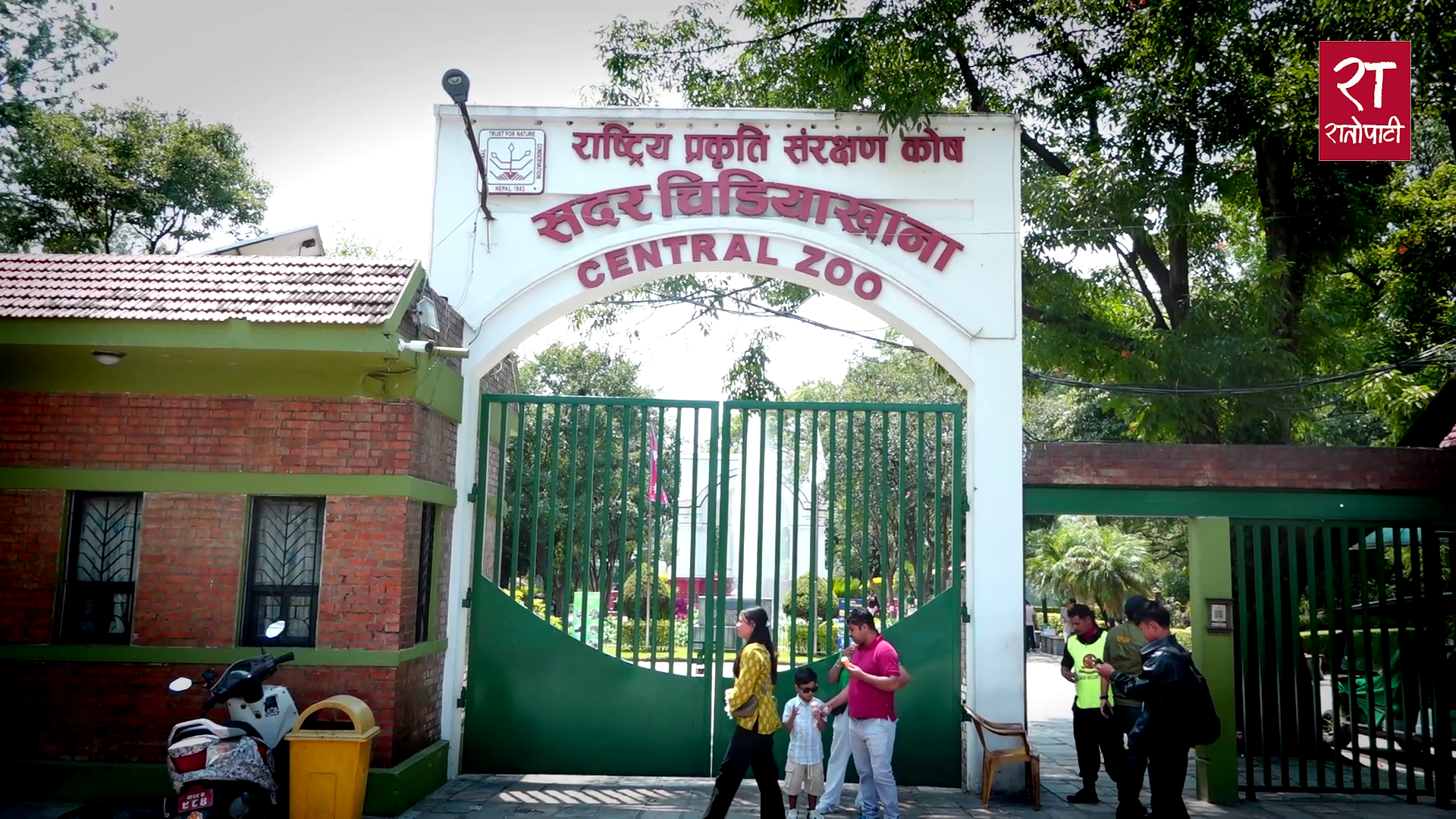
Kathmandu. On the first day of the new year 2083, approximately 18,000 people visited the Central Zoo located in Jawalakhel, Lalitpur. The number of visitors to the zoo has been increasing compared to before since the government started giving holidays on Sundays.
According to Information Officer Ganesh Koirala, about 1,800 people used to visit daily at other times. On Saturdays, five thousand to seven thousand people visit the zoo, and on Sundays, three thousand five hundred to five thousand people visit. He says that the number of visitors to the zoo, which is visited by about 1 million people annually, has been increasing significantly in recent days.
"The zoo earned about 180 million rupees in the last financial year," he says, "we estimate to earn up to 210 million rupees in the current fiscal year," says Koirala.
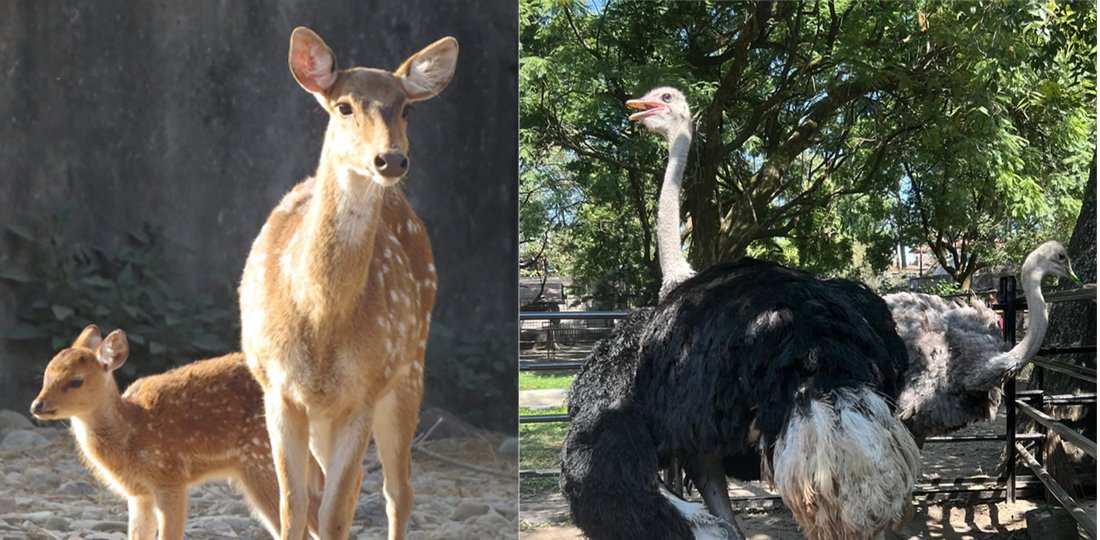
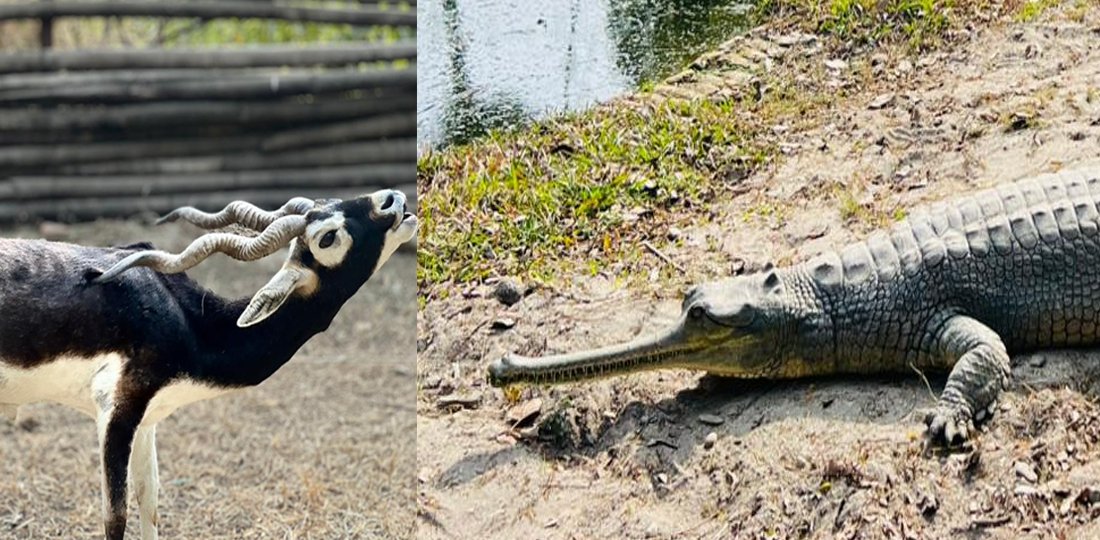
Despite attracting such a large number of domestic tourists, the zoo has many problems of its own. The zoo, which houses 1,273 wild animals of 112 species, is cramped. Although the total area is 6 hectares, most of the space is occupied by Malla-era ponds.
"Some animals feel that the space is too small. In the jungle, they would roam freely in a spacious area," says Information Officer Koirala, "it is difficult for the wild animals to live in a confined space here. Management is also a challenge." The treatment and care of injured wild animals still appear challenging.
- Lack of Space and Animal Management
Information Officer Koirala says that many animals have been rescued and brought to the zoo. Some injured or disabled animals have been treated here. "If they cannot survive after being released back into the jungle, we manage them here in the zoo," he says, "but since there is not enough space for the animals here, they may feel some discomfort, which we are trying to improve."
Elephants and rhinos are given special care here. Not only space but also daily activity is equally important for large animals. Elephants and rhinos are not kept confined twenty-four hours a day. They are exercised and walked when visitors are not present. Koirala says this is a very important method to keep them healthy.
The Central Zoo in Jawalakhel, located in the heart of Kathmandu, is not just a center for entertainment but also a center for wildlife conservation and environmental education. Satyanarayan Sah, who has been holding the responsibility of office chief for the past 20 months, says, "I am applying the experiences I gained in conservation areas to the management here. This is a new and challenging opportunity for me."
For Sah, zoo management is not a new field. He has previously spent about 10 years in the Gaurishankar Conservation Area (Dolakha-Ramechhap-Sindhupalchok) and two years in the Manaslu Conservation Area. He has accumulated over 32 years of experience at the National Trust for Nature Conservation.
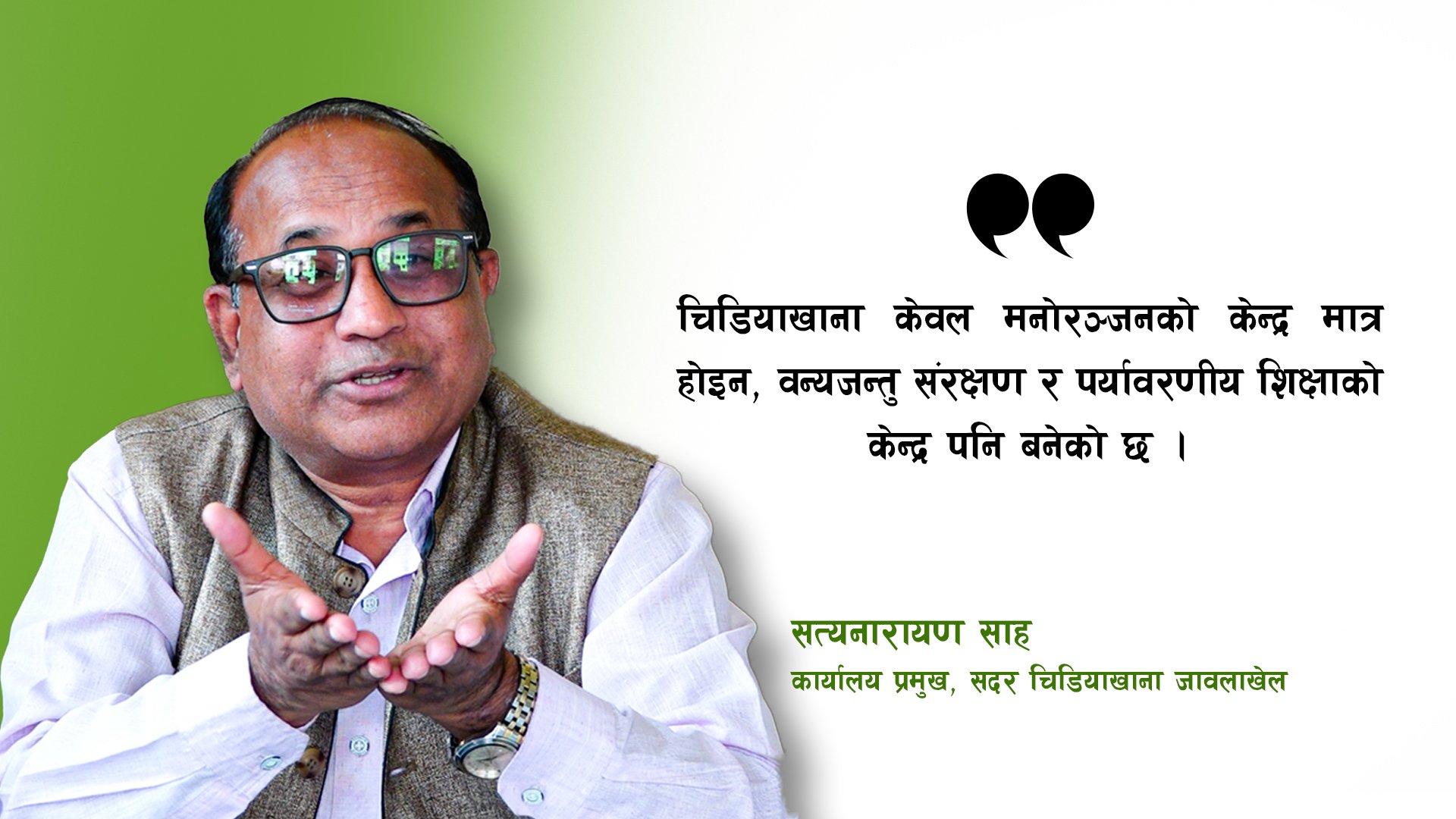
According to Sah, the zoo is not just a place to keep wild animals, but it is also a school for 'conservation education'. Programs are being conducted through 'Friends of Zoo' in more than one hundred and fifty schools in the Kathmandu Valley. He says that students are being made aware not only about animals but also about their habitats and the importance of conservation. "This program is completely free, which helps reduce the distance between wildlife and humans," says Office Chief Sah.
Rescuing and treating injured or accident-prone wild animals is another important aspect of the zoo. Many animals treated here are returned to their natural habitat after recovery. Sah is determined not to compromise on 'animal welfare'.
"We are working with the Government of Nepal and various organizations for the safety and conservation of wildlife, and this is our pride," says Sah.
- The Reality of 'Bangey' the Rhinoceros
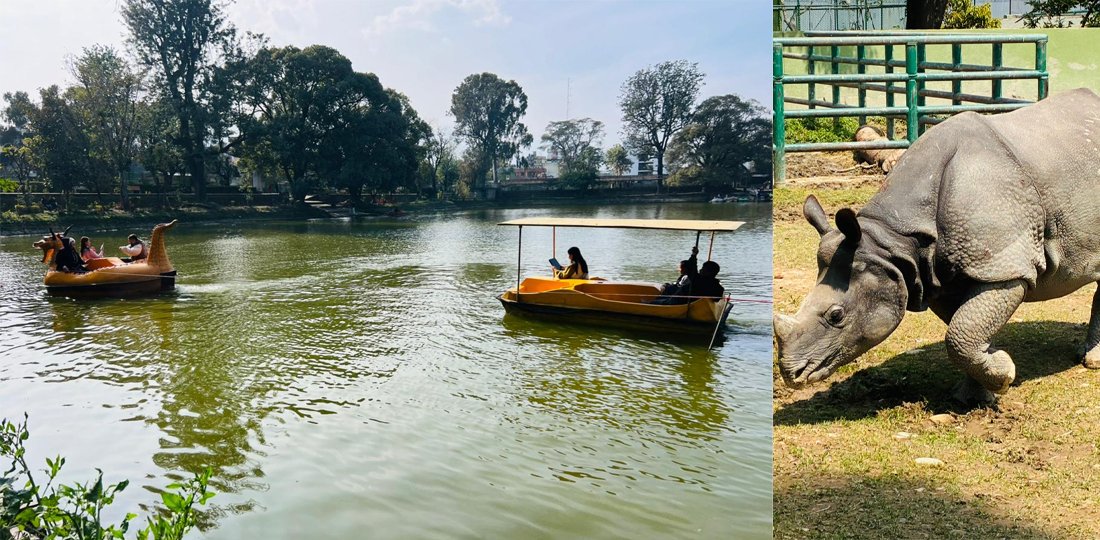
Some visitors went viral by posting photos and videos of 'Bangey' the rhinoceros on social media. However, the reality of the rhinoceros, which went viral for not being treated, is different. The rhinoceros named 'Bangey' has a different history from 14 years ago. The rhinoceros had to have its leg bone removed after being severely injured by a tiger attack in Chitwan National Park. Releasing an animal in such a condition into the jungle was like pushing it into the jaws of death. Therefore, it was kept in the zoo. Now, as its weight increases, there are problems with its movement. It was named 'Bangey'.
"Some people think that Bangey is not being treated when they see him, but he is continuously being treated," says Koirala.
The zoo has a team of full-time veterinarians. They monitor the health of every animal. The problem of 'Bangey' the rhinoceros is not due to lack of treatment, but due to an old injury and physical condition. Koirala says that the zoo has been successful in keeping it alive for 14 years precisely because of the treatment provided.
- New Management Model 'Clean Zoo, Green Zoo'
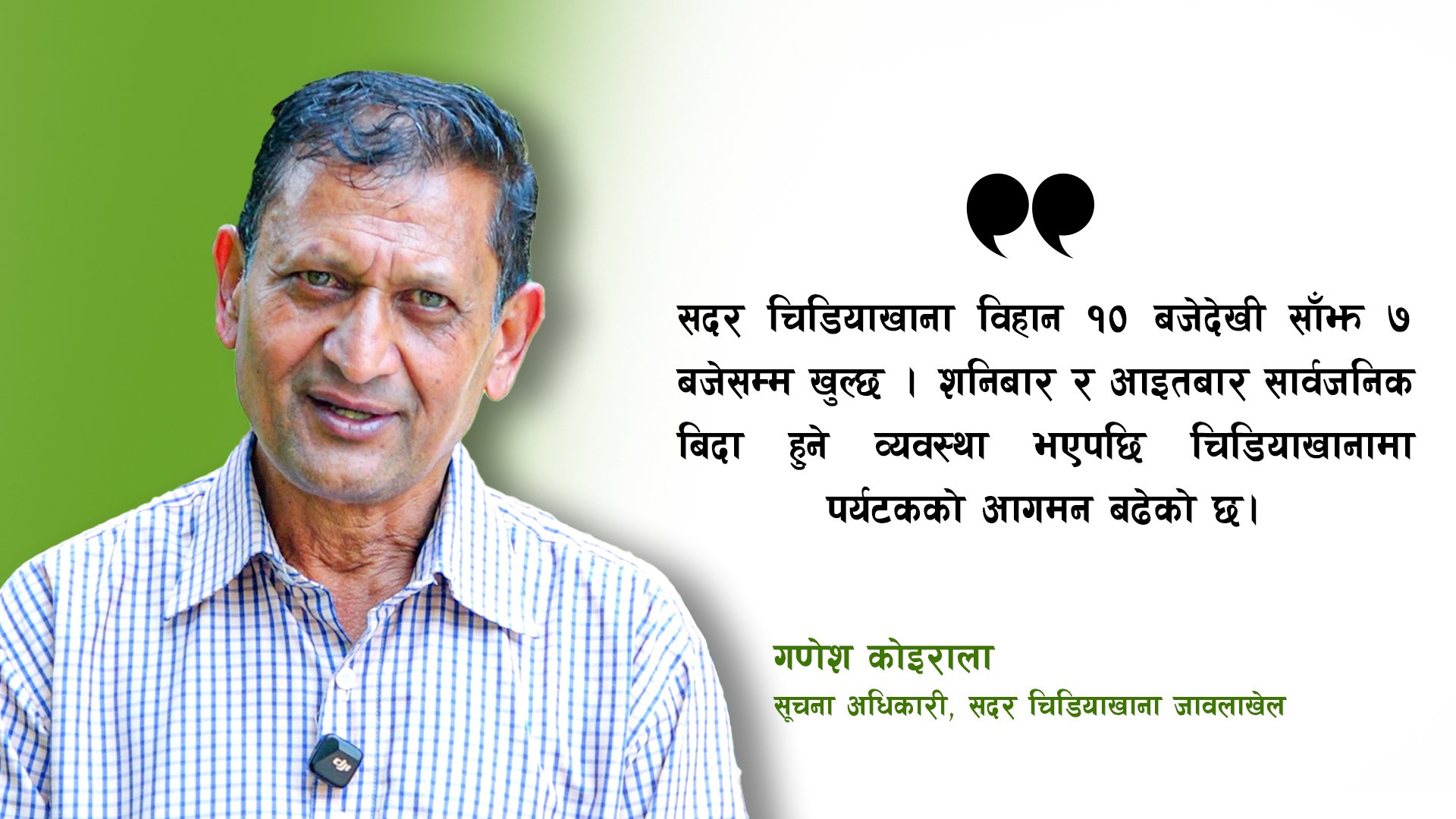
Office Chief Sah has been advancing the zoo's management with the concept of 'Clean Zoo, Green Zoo'. He believes that a clean and green environment provides positive energy to both wildlife and visitors. Especially to manage visitor flow, an 'evening zoo' has been operated from 7 am to 7 pm, which has helped reduce crowds and not disturb the natural behavior of wild animals.
Sah dreams of making the zoo a beautiful destination in the coming days. His plan is to prioritize the reptile house, aquarium, and programs that explain the natural behavior of animals, especially to attract children. Sah says that since the zoo is a common property for everyone, it is everyone's responsibility to keep it clean, green, and safe.
- Traffic Management is Another Challenge
Another major headache for the zoo is traffic management. The lack of adequate parking for visitors creates problems. This has also led to a slight decrease in the number of visitors. Office Chief Sah admits that 'traffic management' and 'parking' are major problems.
"Nowadays, most people use private vehicles, which has led to a decrease in visitors by up to 10% due to lack of parking," he says, "we are continuously improving the management to solve this."
This specific news has been automatically translated by AI. As a result, there may be some inaccuracies or language errors.