Two Economic Years' Budgets Show Similar Patterns in Implementation

Kathmandu. Strange coincidences have been seen in the implementation of budgets for two economic years. Similar coincidences have occurred in the implementation of the budgets for the previous economic year 2081/82 and the current economic year 2082/83.
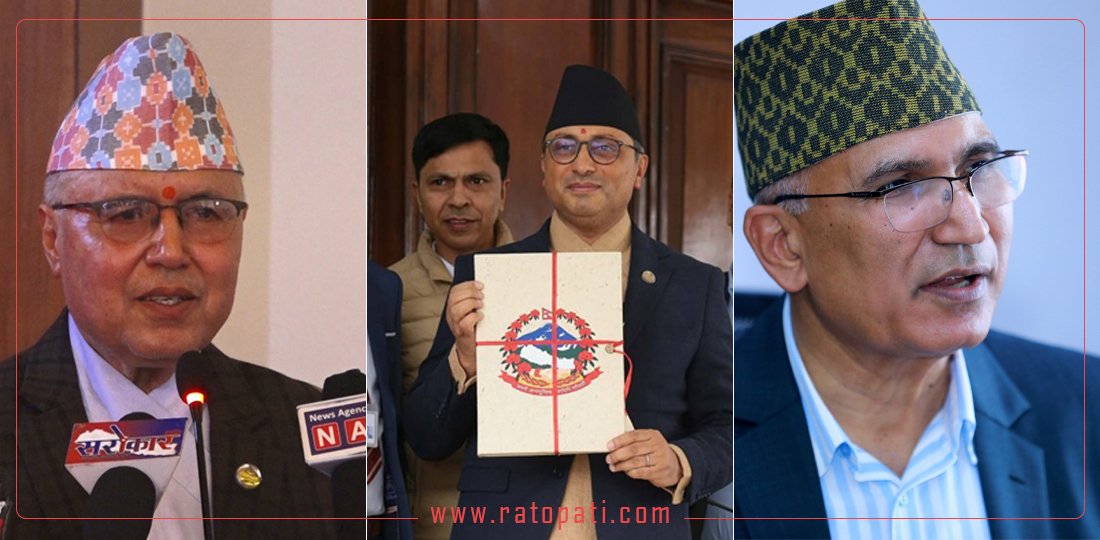
The budget for the current economic year 2082/83 was presented by then-Finance Minister Bishnu Poudel. The Oli government's budget implementation was met with the Genji movement before it could complete two months. The government fell due to that movement.
Following the fall of the Oli government, an interim government was formed under the leadership of Sushila Karki. Rameshwor Khanal became the Finance Minister of the interim government. Khanal started implementing the budget presented by Poudel, but six months later, a Rastriya Swatantra Party (RSP) government was formed with a new mandate.
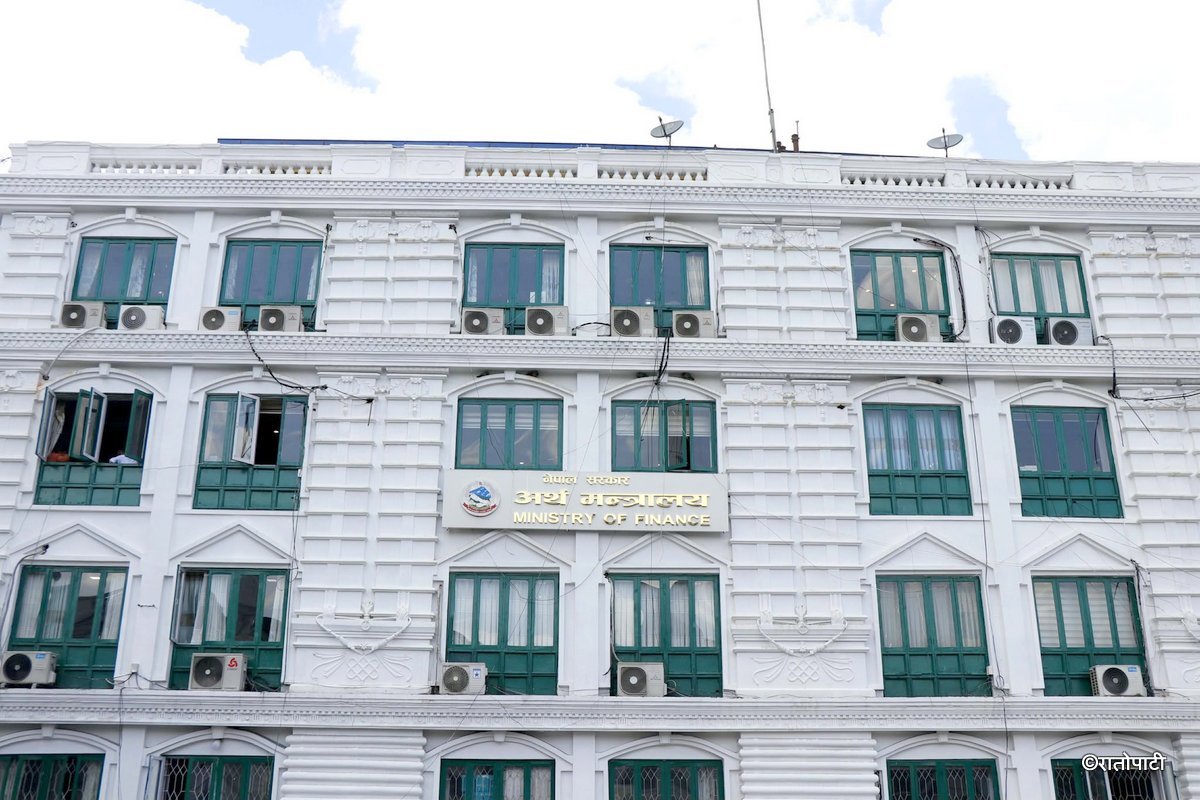
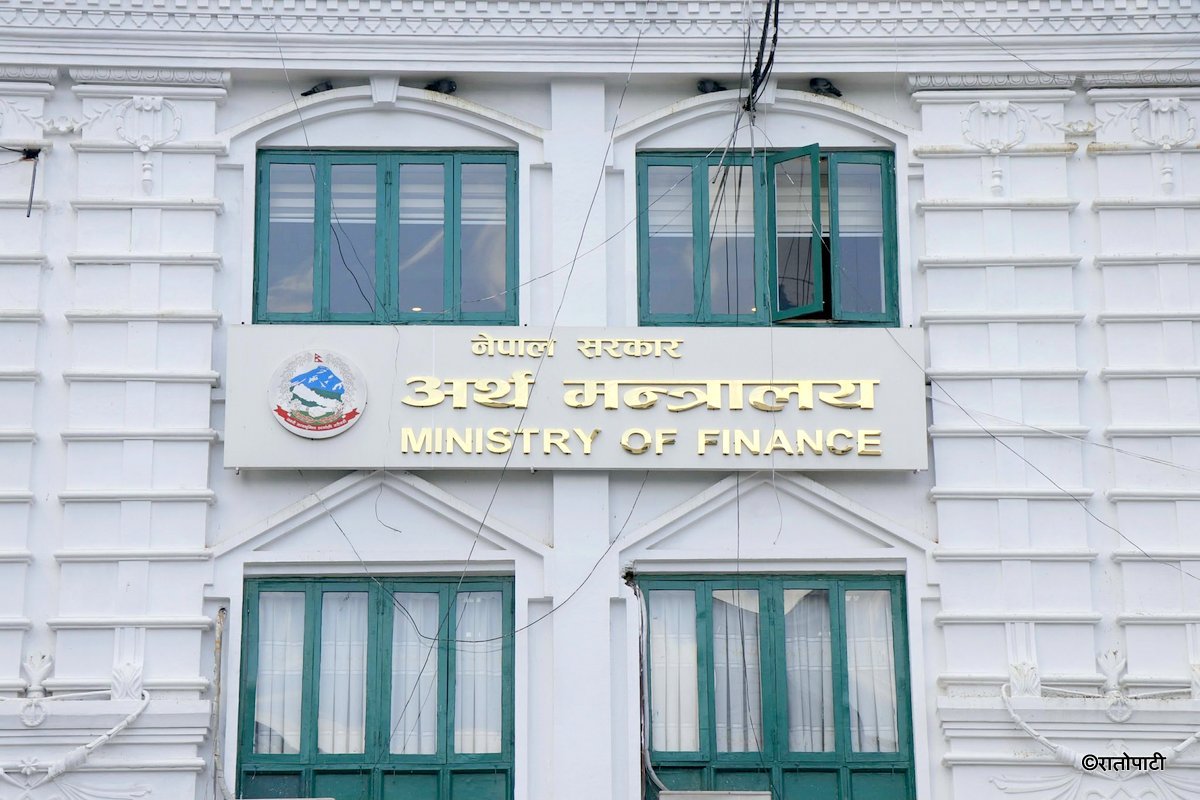
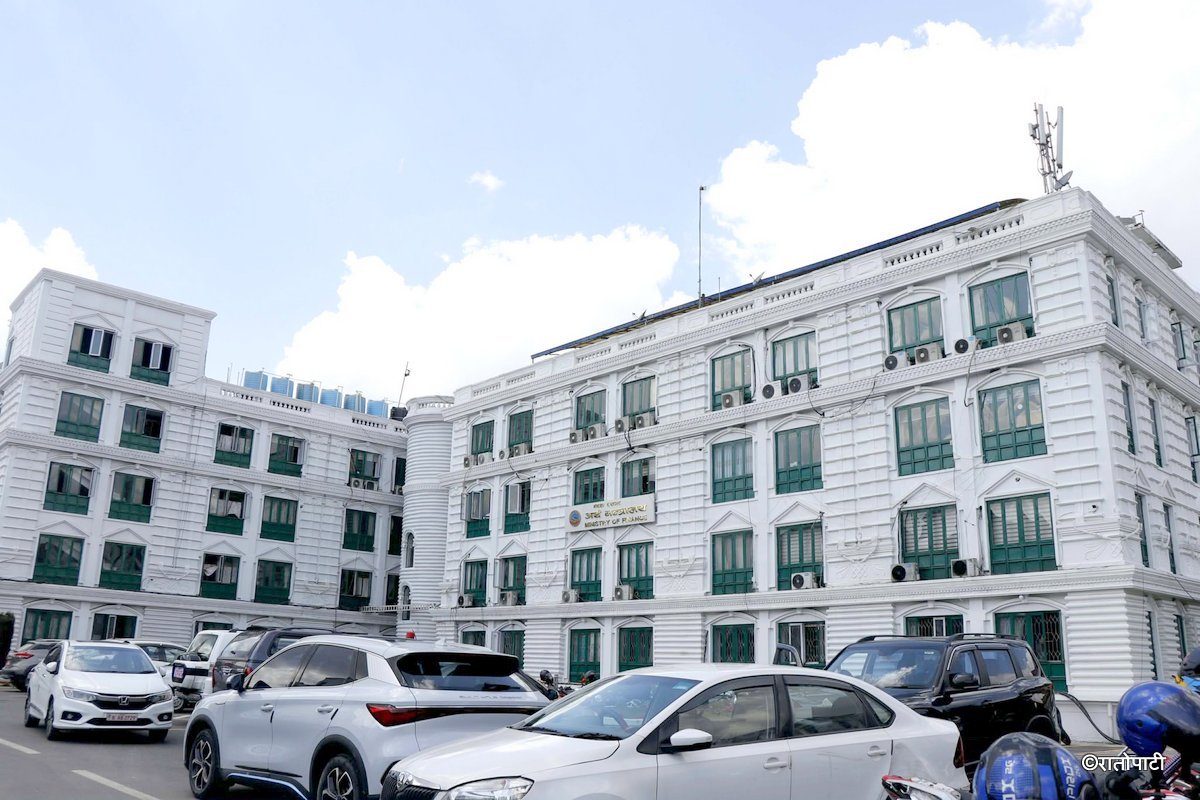
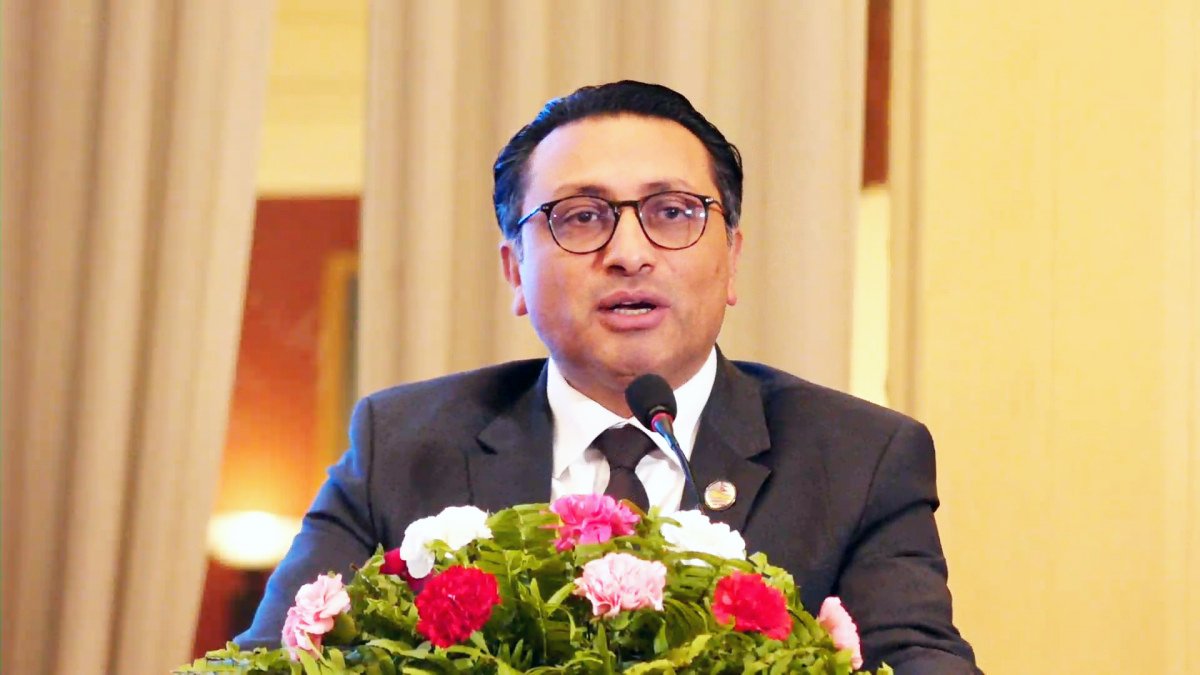
Dr. Swarnim Wagle is currently handling the Ministry of Finance. Thus, there have been two individuals implementing the budget presented for the current economic year. The previous economic year 2081/82 saw an even more interesting situation with the budget. The principles and priorities of that budget were presented by Dr. Prakash Sharan Mahat, and the budget speech was delivered by then-Finance Minister Barshaman Pun. However, it was Poudel who implemented it. Thus, two coincidences aligned.
Such occurrences are considered natural in Nepal, as governments often change within approximately nine months. However, with the current RSP government holding a nearly two-thirds majority, there is an expectation of stability. Looking at it this way, while the upcoming budget may appear stable, the current fiscal year's budget involved three finance ministers from its presentation to its implementation. Poudel presented the budget, Khanal made cuts during the mid-term review, and Wagle increased Khanal's cuts.
During the mid-term review of the current fiscal year, Poudel presented a revised estimate of the budget of 19 kharba 64 arba, with an expected expenditure reduction of approximately 14.04 percent. Khanal revised the budget's mid-term review, amending the expenditure and income estimates.
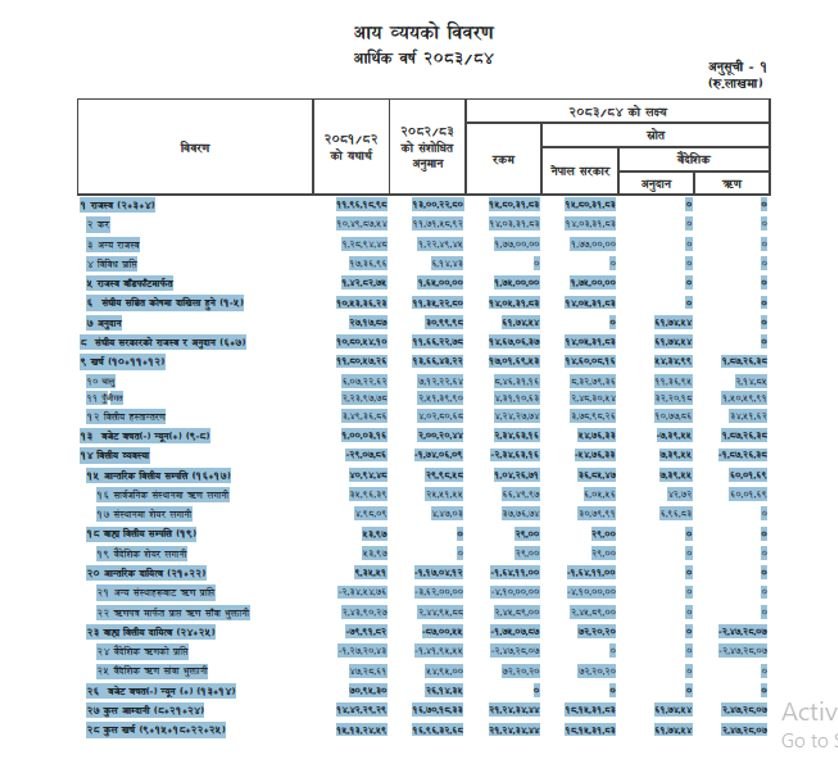
Khanal revised the budget by 2 kharba 75 arba 78 crore 33 lakh rupees, estimating an expenditure of 16 kharba 88 arba 32 crore rupees. However, five months after the mid-term review, on Jestha 15, Finance Minister Wagle presented the budget for the upcoming fiscal year 2083/84, again revising Khanal's revised budget, a practice where the budget for one fiscal year is revised twice each year.
Wagle has increased the expenditure estimate for the current fiscal year's budget, which Khanal had reduced. Wagle increased the expenditure from 19 kharba, reduced to 16 kharba 88 arba 32 crore rupees by Khanal, to 16 kharba 96 arba 32 crore rupees. Finance Minister Wagle has also increased the revenue collection revised by Khanal.
Revenue collection is expected to improve somewhat, leading to an increase in the budget revision.
Economist Anjana Lamichhane believes that revenue will increase with the current government's arrival, expecting some policy reforms. She states that the mid-term review revision was increased based on the government's policy reforms and expectations of increased revenue and capital expenditure.
Then-Finance Minister Khanal had estimated a budget of 11 kharba 16 arba 18 crore rupees. However, Finance Minister Wagle has estimated a revenue collection of 13 kharba through the budget, with tax revenue expected to increase from 10 arba 41 crore to 11 arba 71 crore 58 lakh rupees.
However, the government's expenditure target is set very high compared to income. While the previous actual expenditure (including current, capital, and financial transfers) was 11 kharba 80 arba, the latest revision estimates total expenditure to increase to 13 kharba 88 arba 43 crore rupees.
High Pressure on Current Expenditure, Capital Expenditure Also to Increase
The revised estimate indicates high pressure on the current expenditure for the government's daily operations. Current expenditure is estimated to increase from 6 kharba 7 arba to 7 kharba 12 arba.
Similarly, the revised data indicates that capital expenditure for development construction will be increased from 2 kharba 23 arba 97 crore to 2 kharba 51 arba 31 crore rupees. The government also estimates that the financial transfer to provincial and local levels will increase from 3 kharba 49 arba to 4 kharba 2 arba.
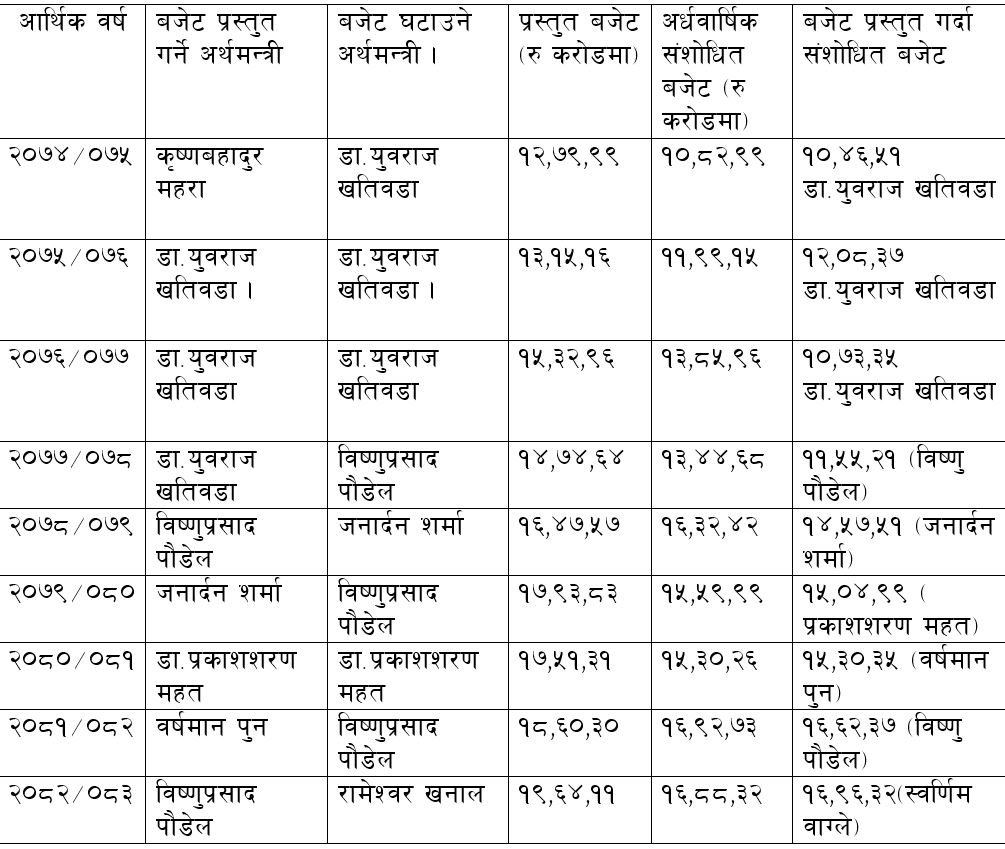
For the past 10 years, every government has revised the expenditure and income six months after the Finance Minister presents the budget on Jestha 15. While the mid-term review budget speech has consistently seen a reduction in the current year's budget size, the budget for the upcoming fiscal year has seen an increase in the revised expenditure of the current fiscal year's budget.
In recent years, governments have tended to present budgets with a high initial size, but implementation has been weak based on reality. The tradition of governments in the last 10 years presenting large budgets and then reducing them through mid-term reviews due to inability to spend has become a norm.
Over the past 10 economic years, the budget size has been reduced by one kharba to a maximum of 2.5 kharba rupees annually through budgets and mid-term reviews.
For the current fiscal year, Poudel presented a budget of 19 kharba 64 arba 11 crore rupees on Jestha 15. The government formed after the Genji movement, through its Finance Minister Khanal, reduced the annual budget size by 14.04 percent through the mid-term budget review.
Of this, 11 kharba 80 arba 98 crore was allocated for current expenditure, 4 kharba 7 arba 89 crore for capital expenditure, and 3 kharba 75 arba 24 crore for financial management. Then-Finance Minister Khanal claimed after the mid-term review that the government had not reduced the budget size. He stated that the total budget size remained 19 kharba 64 arba.
He said, 'If government bodies show the capacity to spend this budget, this amount can be made available. However, it has only been revised due to challenges in budget mobilization.'
When and How Much Did Which Minister Reduce the Budget Size?
Finance Minister Khanal conducted the mid-term review of the current fiscal year's budget. For a long time, one government has been presenting the budget, and another government has been reviewing it. Very few finance ministers have revised their own budgets.
Then-Finance Minister Poudel's budget of 19 kharba 64 arba 11 crore for the current fiscal year was reduced by Finance Minister Khanal by 14.04 percent. Reducing it by approximately 2 kharba, he made a revised estimate of 16 kharba 88 arba 32 crore rupees in expenditure.
For the economic year 2081/82, then-Finance Minister Poudel reduced the budget size by 2 kharba, making a revised estimate of 16 kharba 92 arba 73 crore 35 lakh rupees in expenditure. Finance Minister Poudel alone had cut the budget through mid-term reviews three times in the last 10 years.
Similarly, in 2080/081, then-Finance Minister Prakash Sharan Mahat also made a 12.63 percent cut to the budget during the mid-term review. In 078/79, then-Finance Minister Poudel presented the budget through an ordinance on Jestha 15.
However, after the change in government, the budget presented through the ordinance was made public by then-Finance Minister Sharma through a replacement bill at 16 kharba 32 arba 83 crore, which was 14 arba 74 crore less than what former Finance Minister Poudel had presented.
Then-Finance Minister Dr. Khatiwada also reduced the size of the budget for 077/78 compared to 076/77, citing a lack of resources. In the economic year 070/71, the budget presented by then-Finance Minister Shankar Prasad Koirala was reduced by Dr. Ram Sharan Mahat during the mid-term review.
Similarly, then-Finance Minister Dr. Ram Sharan Mahat himself cut the budget he presented for the economic year 071/72. He reduced the budget of 6 kharba 18 arba 46 crore presented at the time of budget presentation to 5 kharba 28 arba 43 crore rupees through the mid-term review.
For the current fiscal year's budget, Finance Minister Wagle has slightly increased the budget that then-Finance Minister Khanal had reduced for the upcoming fiscal year. He increased the revised budget of 16 kharba 88 arba 32 crore to 16 kharba 96 arba 32 crore rupees.
This specific news has been automatically translated by AI. As a result, there may be some inaccuracies or language errors.