Former Chief Justice Khilraj Regmi Suggests Constitutional Amendments Focus on Stability, Not Core Principles

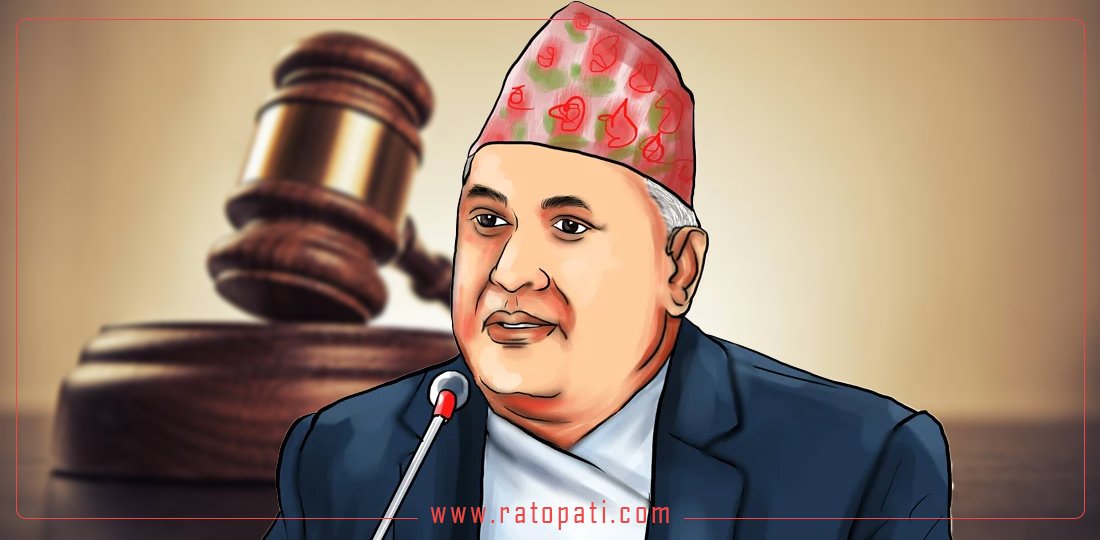
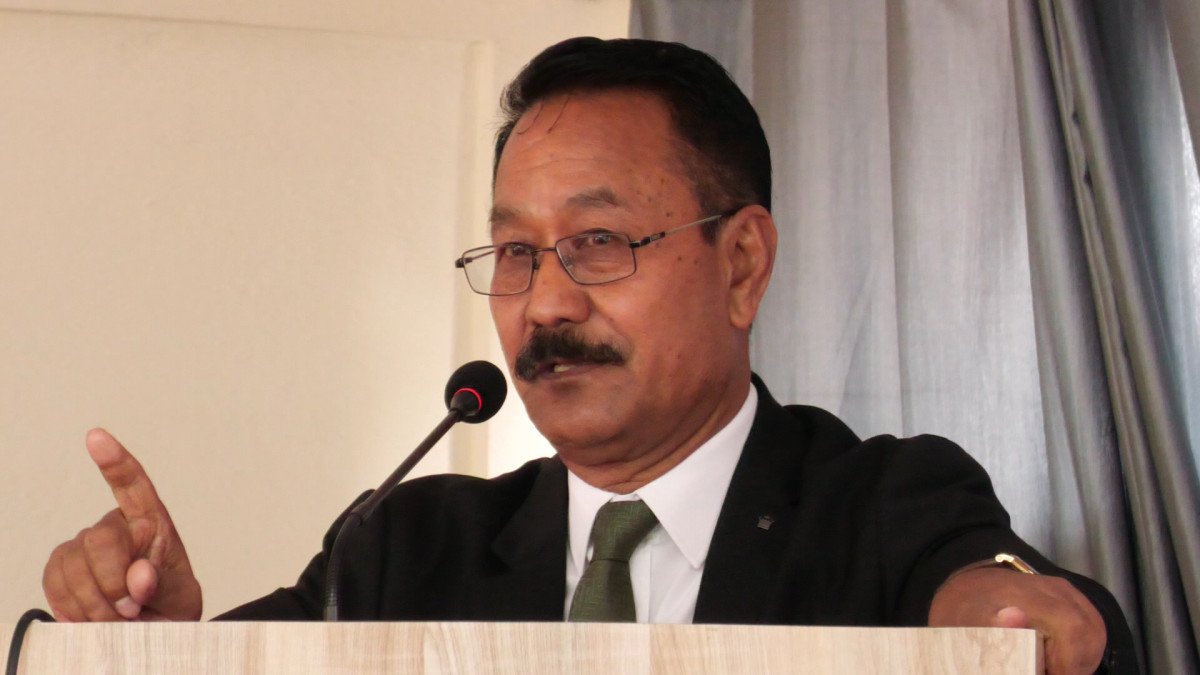
Kathmandu. Former Chief Justice and former Chairman of the Council of Ministers, Khilraj Regmi, has suggested that while amending the constitution, the core spirit and preamble should be kept unchanged, with special attention paid to governmental stability and balance.
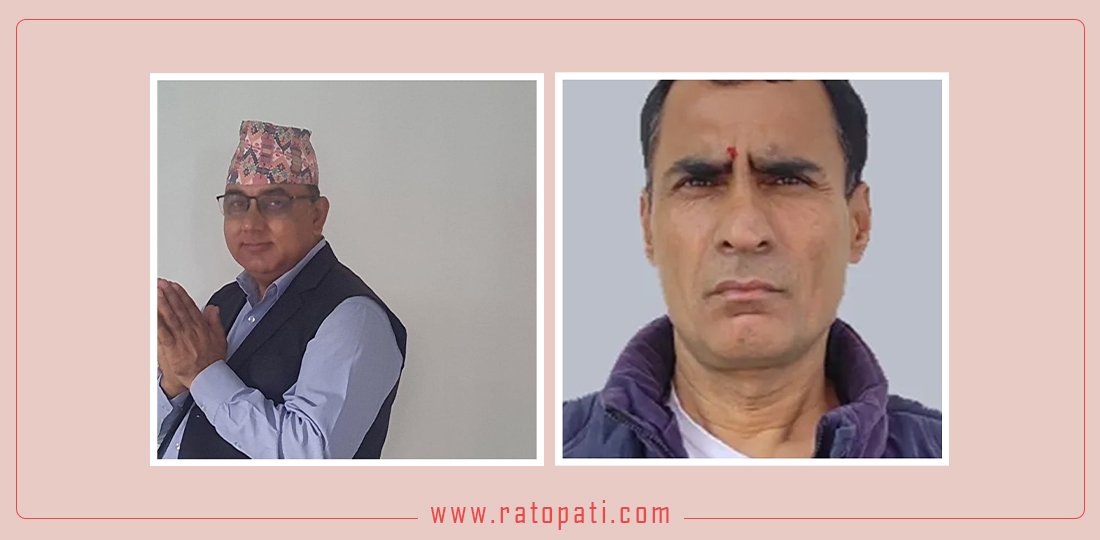
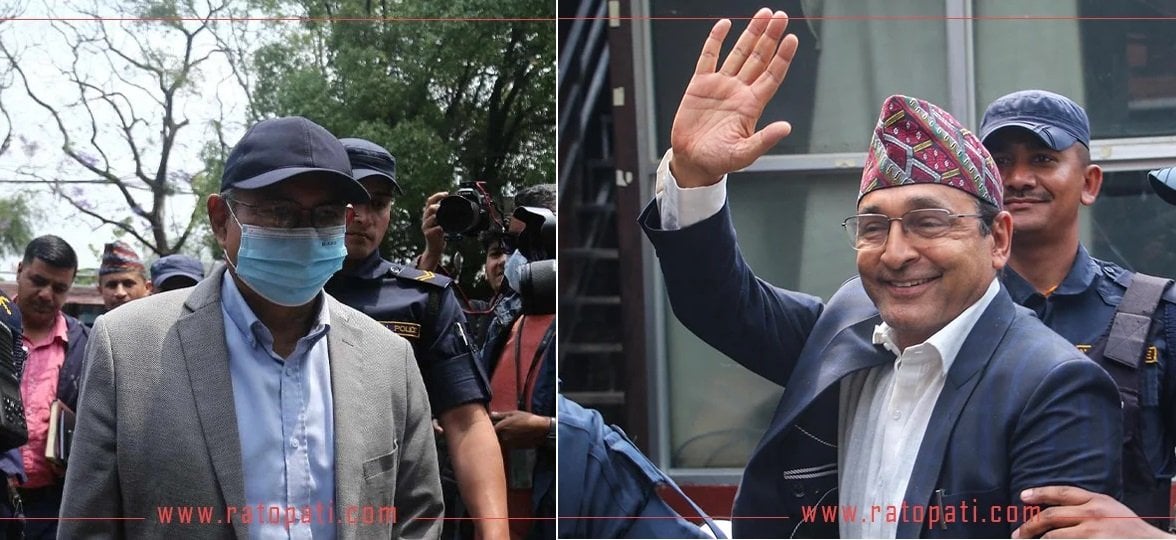
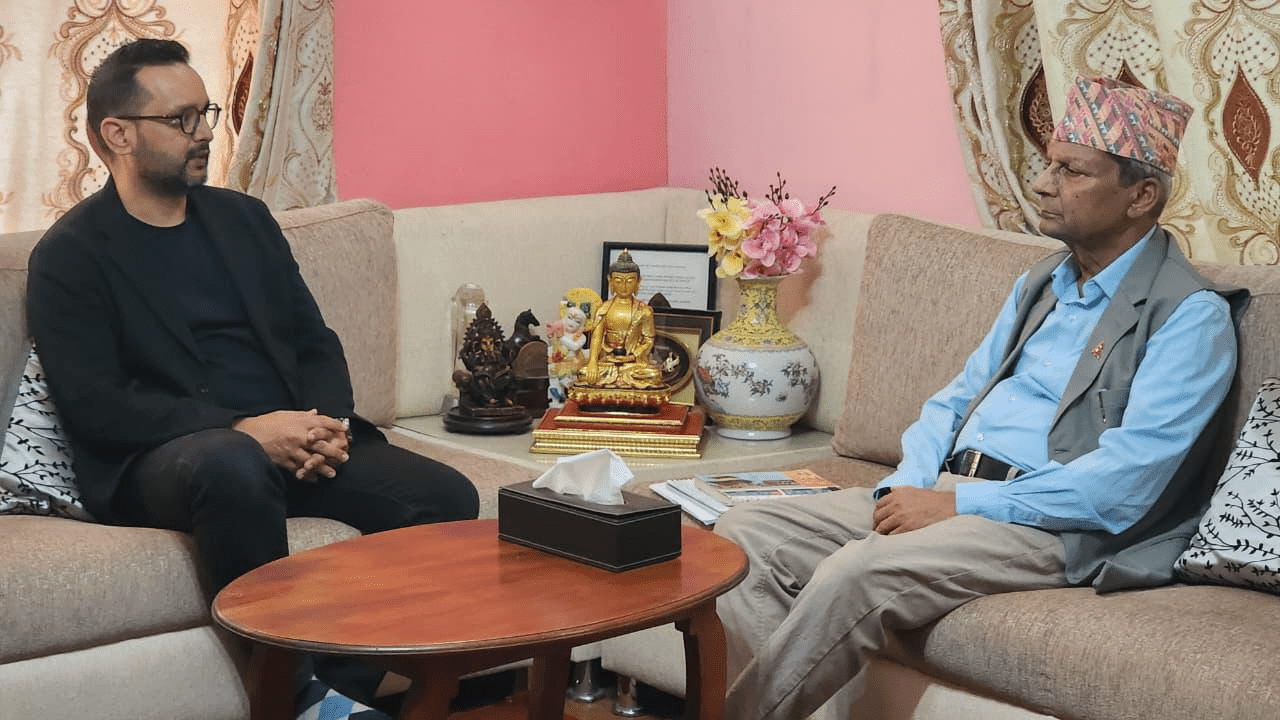
He gave this suggestion during a meeting with the 'Constitutional Amendment Discussion Paper' preparation task force formed under the convenership of Prime Minister Balendra Shah's political advisor Asim Shah. Task force convenor Shah and other members had reached former Chief Justice Regmi's residence in Baneshwor for the purpose of collecting suggestions.
Former Chief Justice Regmi emphasized that the basic structure of the constitution should not be fragmented under any circumstances while discussing constitutional amendments. "The preamble of the constitution, especially the second preamble, must be given equal attention and its core spirit should be kept intact," he said. Regarding the currently discussed religious system, he clearly suggested maintaining the existing arrangement and making no further changes in religious matters.
While discussions are ongoing about adopting an executive presidential or parliamentary system, he suggested not to make hasty decisions. He cautioned against the risk of the country being pushed towards another form of autocracy or totalitarianism in the name of seeking excessive stability. His suggestion is to reach a conclusion only after thoroughly studying international practices and examples on such serious matters.
Discussing the practical difficulties regarding the government formation process under Article 76 of the constitution and the no-confidence motion, he mentioned that the current provision of not being able to table a no-confidence motion for two years after a new government is formed is not entirely practical. He opined that it would be appropriate and practical to modify this to set a minimum timeframe of six months.
Regmi pointed out the anomaly in the current electoral system where the number of proportional representatives is excessively high, making them more dominant than directly elected members and becoming 'decisive' in parliament. To control this, he proposed reducing the total number of proportional representatives to 60.
Similarly, he stated that the practice of appointing individuals who have once held high and specific positions in the state politically to be made members of parliament through proportional quotas should be stopped. He emphasized the need to pay special attention to ensuring the genuine representation of women, Dalits, and marginalized oppressed communities in the formation of the National Assembly.
Addressing the demands of the new generation (Gen Z) and the debate on political participation, he suggested that the age limit for candidacy for the House of Representatives should be set at 21 years instead of 25 years. Likewise, he opined that the minimum age for candidacy for the National Assembly should be set at 30 years for maturity.
Recalling the constitutional provision to review commissions within 10 years, former Chairman Regmi said that only the Human Rights Commission should be retained as a strong and autonomous central commission. He argued that transforming other thematic commissions into branches of this main commission would reduce administrative burden and increase effectiveness. He clarified that it is not necessary to form numerous unnecessary commissions at the provincial level, following the example of federalism.
He stated that special provisions should be made in the constitution for the all-round development of the Karnali and Madhesh provinces, which are geographically and socially backward. Pointing out that the literacy rate in the Madhesh province is still weaker compared to Karnali, he emphasized the need to focus programs for the enhancement of public awareness and socio-economic upliftment in both provinces.
He stated that it is necessary to control the irregularities seen in the country's budget system. "The practice of abandoning development projects that have already started, cutting their budgets, or diverting funds elsewhere must be stopped immediately," he said. His suggestion is to strengthen legal and constitutional provisions to ensure budget certainty for projects until they are completed.
Regmi emphasized that while the appointment of judges should be through the Judicial Council to preserve the dignity and impartiality of the judiciary, a completely separate and independent committee should be formed for their impeachment and monitoring. He expressed his belief that accountability and transparency in the judicial sector would be further strengthened if legal provisions could be made for such a high-level impeachment committee to be chaired by a former Prime Minister.
Task force convenor Asim Shah pledged that the task force would seriously include these important and guiding suggestions of former Chief Justice and former Chairman of the Council of Ministers Regmi in the 'discussion paper' it is currently preparing.
This specific news has been automatically translated by AI. As a result, there may be some inaccuracies or language errors.