KP Sharma Oli States Difference Between Democratic System and Popular Slogans Will Be Known Gradually Through Life Experiences


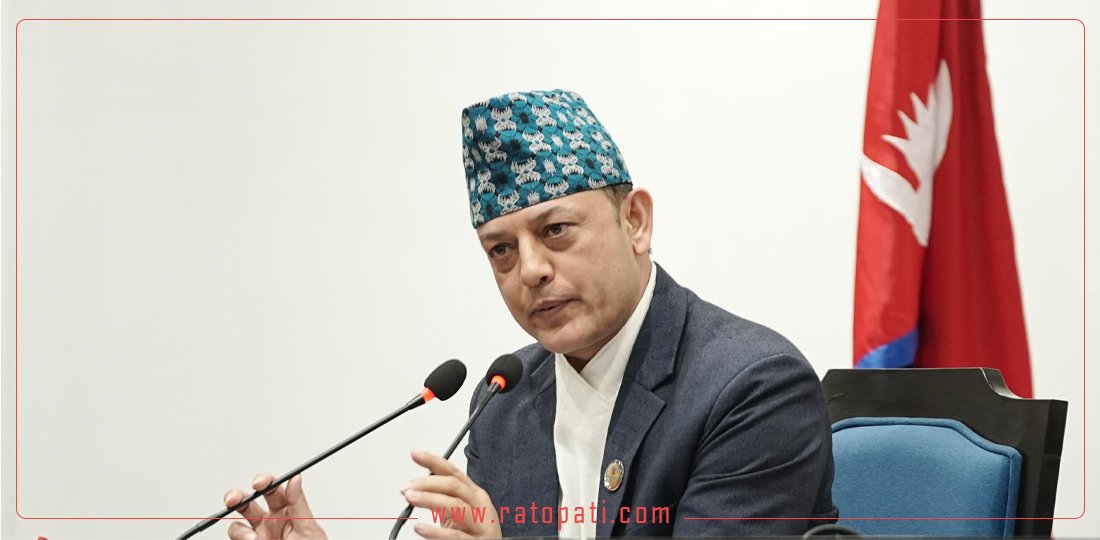
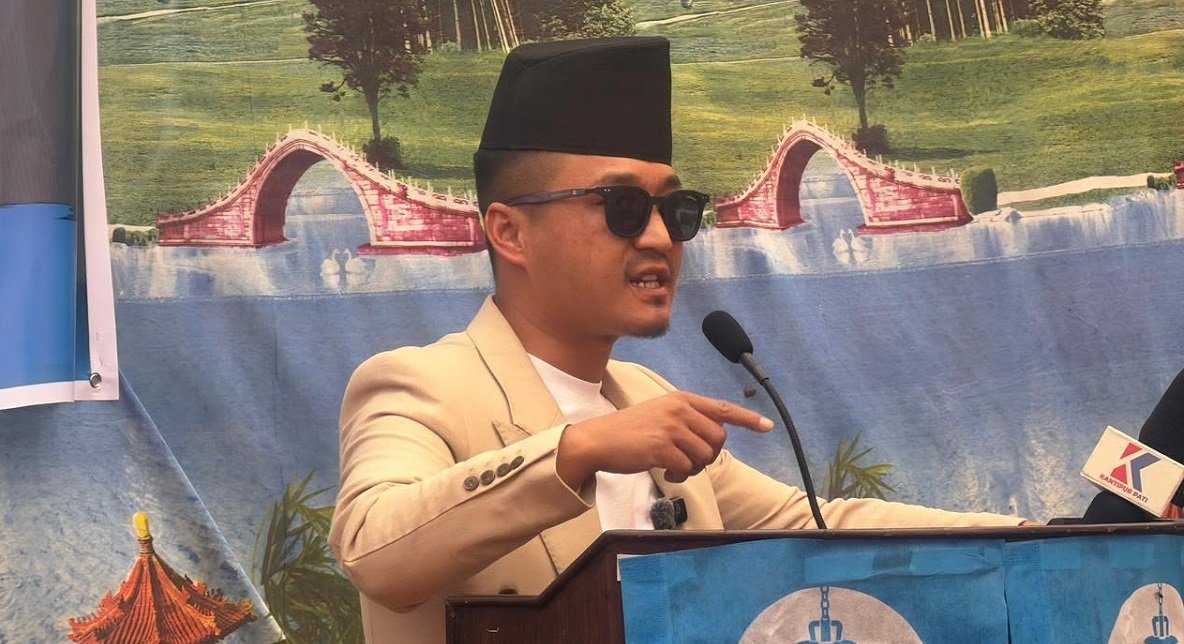
Kathmandu. CPN-UML Chairman and former Prime Minister KP Sharma Oli has said that the difference between a democratic system and popular slogans will be gradually understood by society not immediately, but through the results of life experiences.
He said this in a message of best wishes on the occasion of Republic Day. He said – 'Today – exactly eighteen years ago, it is the historic day when we Nepalis declared a republic through a Constituent Assembly elected by ourselves. The people had to struggle for more than seven decades to gain the republican right to determine their own system of governance. Thousands of elders had to sacrifice their lives in the process of gaining the right to speak, write, organize, and express political opinions. Many had to endure decades of imprisonment, torture, and exile. After a great struggle and sacrifice by the people, the system that ran by decree was overthrown, and the system that runs by law was established. Instead of a rule that operated by the will of an individual, a system operated by democratic organs and structures began.
He said that compared to countries with a long practice of republican systems, Nepal has practiced it for a short time. He says – 'It is certainly not an easy task to develop republican culture, institutional structures, and the capacity to serve the people accordingly in this short period. However, there is data showing great development in social and physical development during this period.'
'Republic – it was not just a matter of changing the system of governance, it was also a deep transformation in the consciousness of Nepali society. The society that lived as 'subjects' for centuries had been transformed into sovereign citizens through the constitution they made themselves. It certainly takes a long time for maturity to come in the changed practice, and we have also had similar experiences,' Oli said in the message.
He says – 'Local government reaching every village today, resources of the state, increased representation and participation of women, Dalits, Janajatis, Madhesis, and backward communities at every level of the state, open expression, civil liberties, digital access to services, expansion of roads and communication – all these changes did not happen suddenly. These are all achievements of the republic. However, the pace of change has not been as rapid as we wanted. Such speed depends on social consciousness. When the change does not happen at the desired pace, there can be dissatisfaction with the system, but the republican system is needed to address those dissatisfactions legally. Therefore, only by protecting this system can the people change their situation. The difference between a democratic system and popular slogans is something that society will understand gradually through the results of life experiences, not immediately.'
He mentioned that there is a risk of democratic rights weakening and authoritarianism growing by sowing distrust in institutions and exploiting emotions to weaken the democratic structure, taking advantage of people's frustration.
This specific news has been automatically translated by AI. As a result, there may be some inaccuracies or language errors.