Ebola Virus Declared Public Health Emergency in Africa

Ebola virus has once again emerged as a serious public health crisis for Africa. The recent outbreaks, particularly in the Democratic Republic (DR) of Congo and Uganda, have concerned international health bodies.
This crisis has emerged at a time when global health systems are still trying to recover from the COVID–19 pandemic, economic hardship, and political instability in Central Africa.
According to the World Health Organization (WHO), the 'Bundibugyo' variant of Ebola, which has spread in eastern Congo and neighboring Uganda, has been declared an 'International Public Health Emergency'. Concerns have been raised that the virus could spread rapidly due to weak health systems, armed conflict, delayed detection, and distrust in government agencies.
- Current Outbreak in Congo
A new outbreak of Ebola was officially declared in the Ituri and North Kivu provinces of DR Congo in May 2026. Health officials say this outbreak is caused by the 'Bundibugyo' type of Ebola virus, for which no approved vaccine or definitive treatment is currently available.
According to international media, signs indicate that the epidemic could go out of control. The news agency Reuters reported over 900 suspected infections and at least 220 deaths by the end of May 2026.
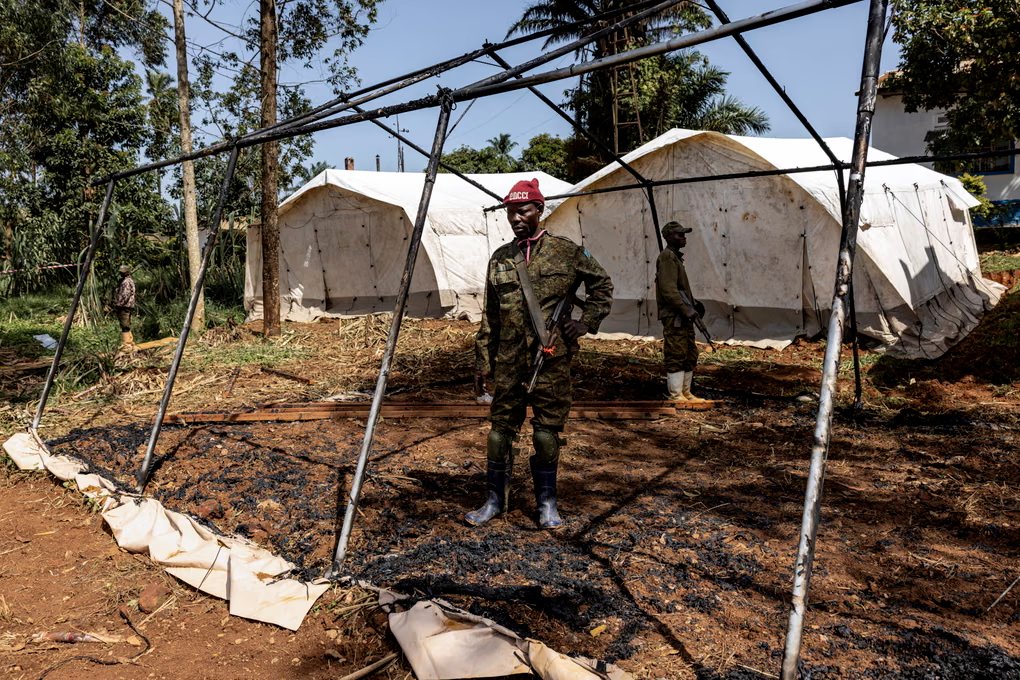
WHO officials stated that only a small number of individuals who came into contact with infected people could be identified and monitored. The biggest concern is that the outbreak went undetected for about six weeks. During this period, the virus had already spread to various communities. Aid agencies have stated that the situation has become complicated due to attacks on health centers, lack of protective equipment, and widespread misinformation.
WHO has warned that controlling the epidemic is extremely difficult due to the ongoing armed conflict in eastern Congo. It has also been reported that health workers are unable to reach some areas safely, and some patients have escaped quarantine centers.
- Situation in Uganda
Uganda also faced an Ebola crisis in 2025 and 2026. At the beginning of 2025, another type of Ebola called 'Sudan Virus Disease' (SVD) appeared.
The outbreak was detected after a 32-year-old nurse died in the capital, Kampala. Health officials identified hundreds of contacts and began strict monitoring. Some health workers were also infected.
The Ugandan Ministry of Health, with the support of WHO and UNICEF, launched an emergency treatment center, public awareness campaigns, and rapid contact tracing initiatives.
A significant aspect of this outbreak is the commencement of the world's first clinical trial for a vaccine against 'Sudan Ebola'. WHO has called this an 'historic achievement' in the fight against Ebola.
Uganda declared the outbreak over in April 2025 after 42 days without new infections. A total of 14 people were infected, and 4 died.
- Why is the current outbreak extremely dangerous?
Experts have warned that the current outbreak in Congo could become the most severe epidemic in recent years. Firstly, there is no effective vaccine available for the Bundibugyo type of virus. Although there are vaccines for the 'Zaire' type of Ebola, they are not considered effective for the Bundibugyo or Sudan variants.
Secondly, this variant's outbreak is spreading in densely populated and conflict-affected areas. The ongoing violence in eastern Congo has displaced millions of people, making infection surveillance difficult.
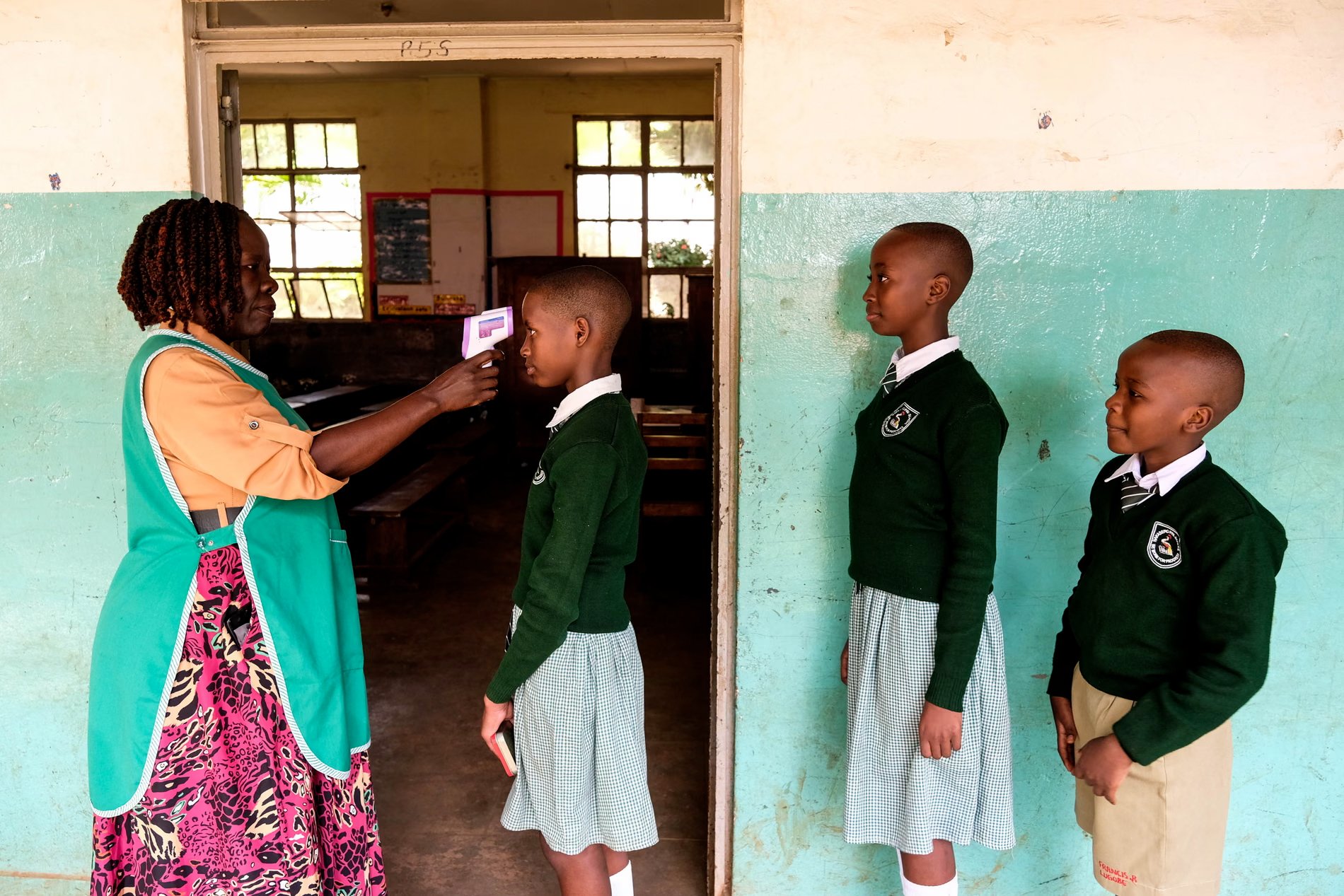
Thirdly, experts say that reduced international aid and health budgets have weakened Africa's epidemic preparedness system. Some research indicates that the epidemic went undetected in a timely manner due to a weak disease detection system.
WHO Director-General Tedros Adhanom Ghebreyesus has even called for a ceasefire in eastern Congo to provide safe access for health workers.
- Humanitarian and International Response
WHO, MSF, UNICEF, and other philanthropic and donor organizations are expanding emergency operations in the affected areas. According to the news agency Reuters, the aid organization 'Samaritans Purse' is preparing to establish a 50-bed Ebola treatment center in northeastern Congo.
Aid groups are also conducting public awareness campaigns and community-level dialogues to combat misinformation.
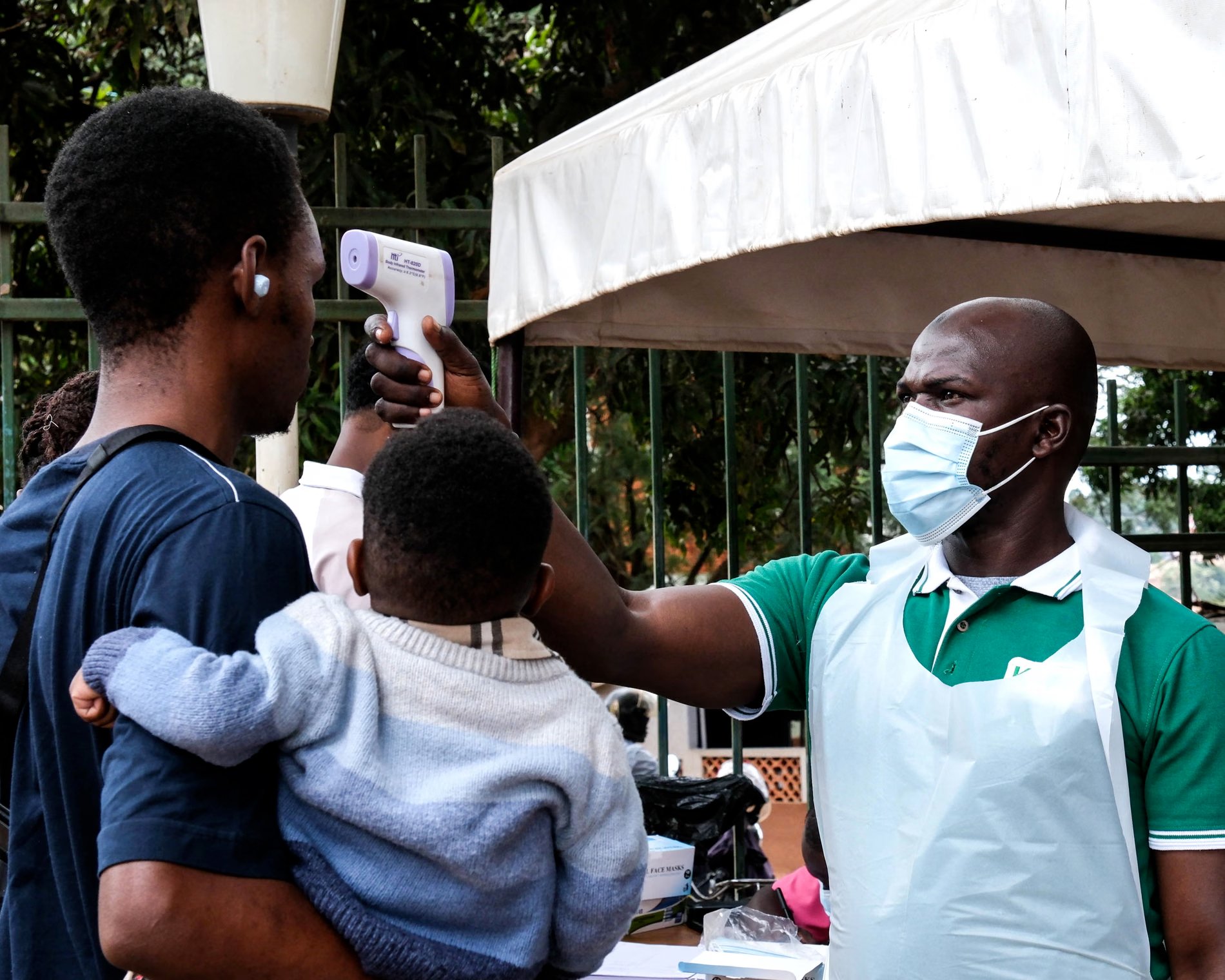
WHO has stated that early detection, contact tracing, quarantine, safe burials, and community cooperation are key measures for epidemic control.
However, experts say that distrust in the government and foreign organizations remains the biggest challenge. Some communities are fearful of treatment centers, while others view Ebola as political propaganda.
- Historical Background of Ebola
The Ebola virus was first identified in 1976 near the Ebola River in what is now the DR Congo. Since then, outbreaks have occurred repeatedly in various countries in Central and West Africa.
Its deadliest epidemic occurred between 2014 and 2016 in West Africa, primarily affecting Guinea, Liberia, and Sierra Leone. That epidemic saw over 28,000 infections and more than 11,000 deaths.
According to the Centers for Disease Control and Prevention (CDC), Ebola can have a mortality rate of up to 90% if not treated properly.
The reappearance of Ebola outbreaks in Congo and Uganda highlights that infectious diseases remain the world's biggest health challenge. While scientific achievements like vaccine trials offer hope, weak health systems, war, rumors, and inadequate international cooperation are exacerbating the crisis.
Health experts warn that if immediate international action is not taken, the current outbreak could turn into a major humanitarian disaster. African health officials and international bodies are currently racing to prevent another devastating Ebola epidemic.
However, experts believe that while the risk of Ebola becoming a global pandemic is low in the current situation, the entire global community is not entirely free from risk. WHO stated in its assessment of the current outbreak: 'While the risk of regional spread within Africa is high, the global risk is low.'
With the help of agencies
This specific news has been automatically translated by AI. As a result, there may be some inaccuracies or language errors.