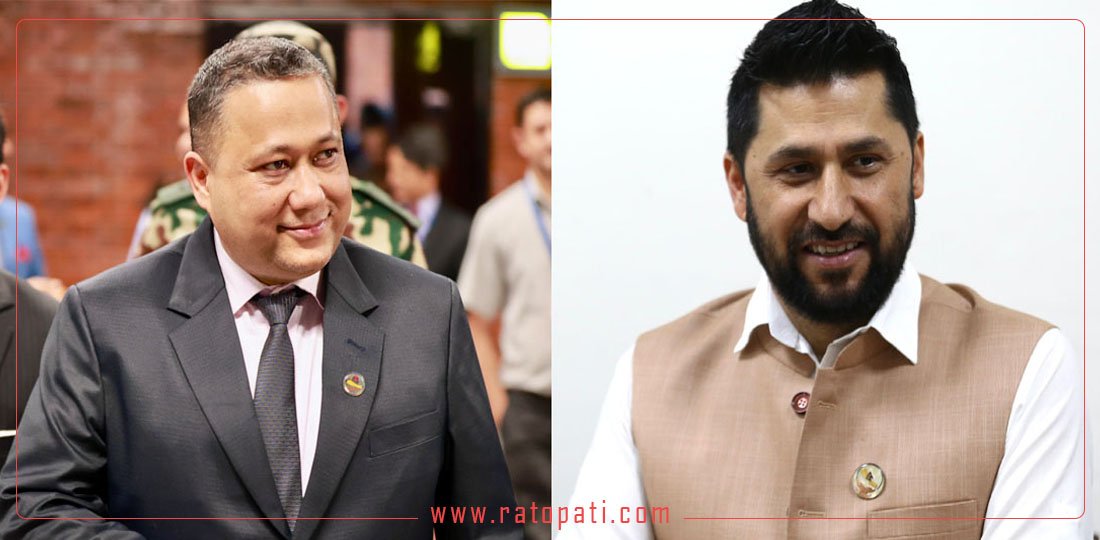
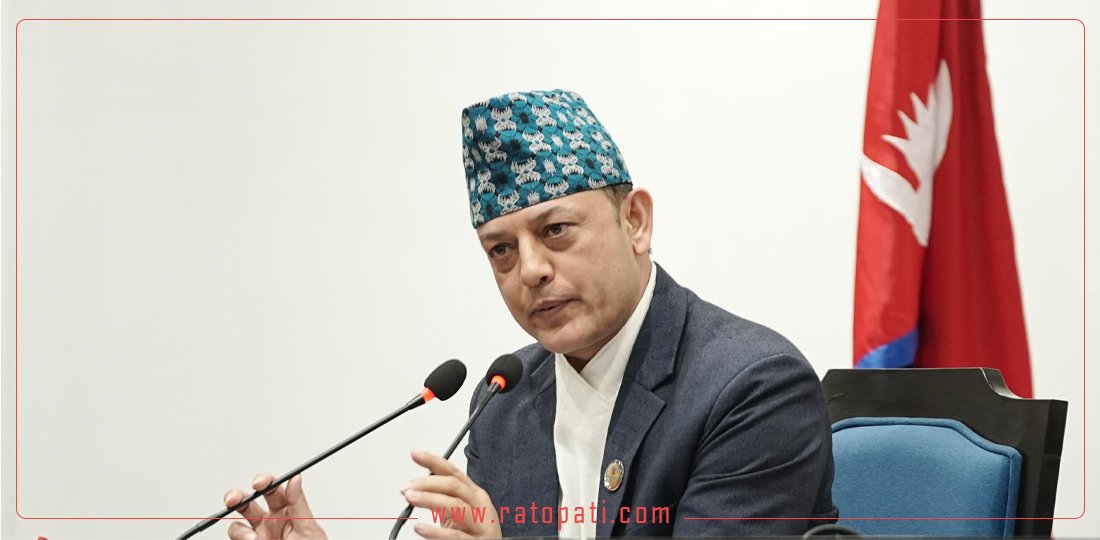
Finance Minister Swarnim Wagle and Team Work Late on Budget Preparation


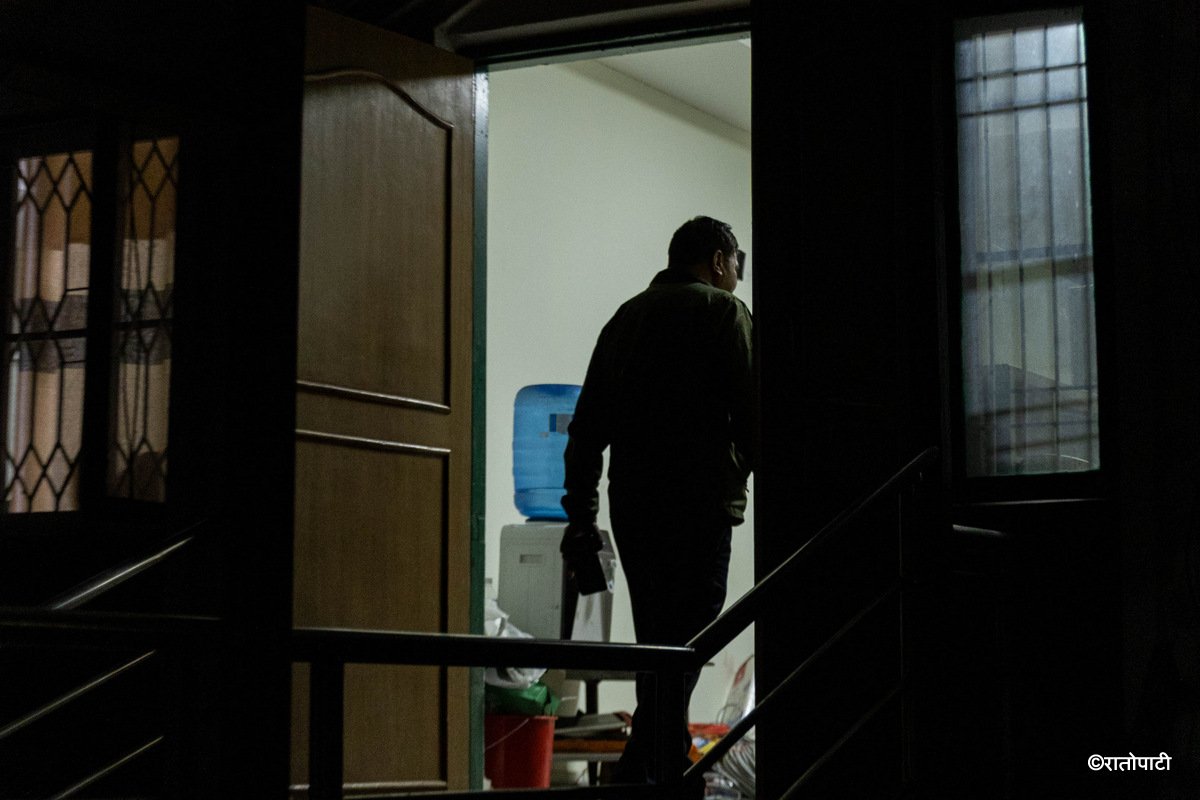
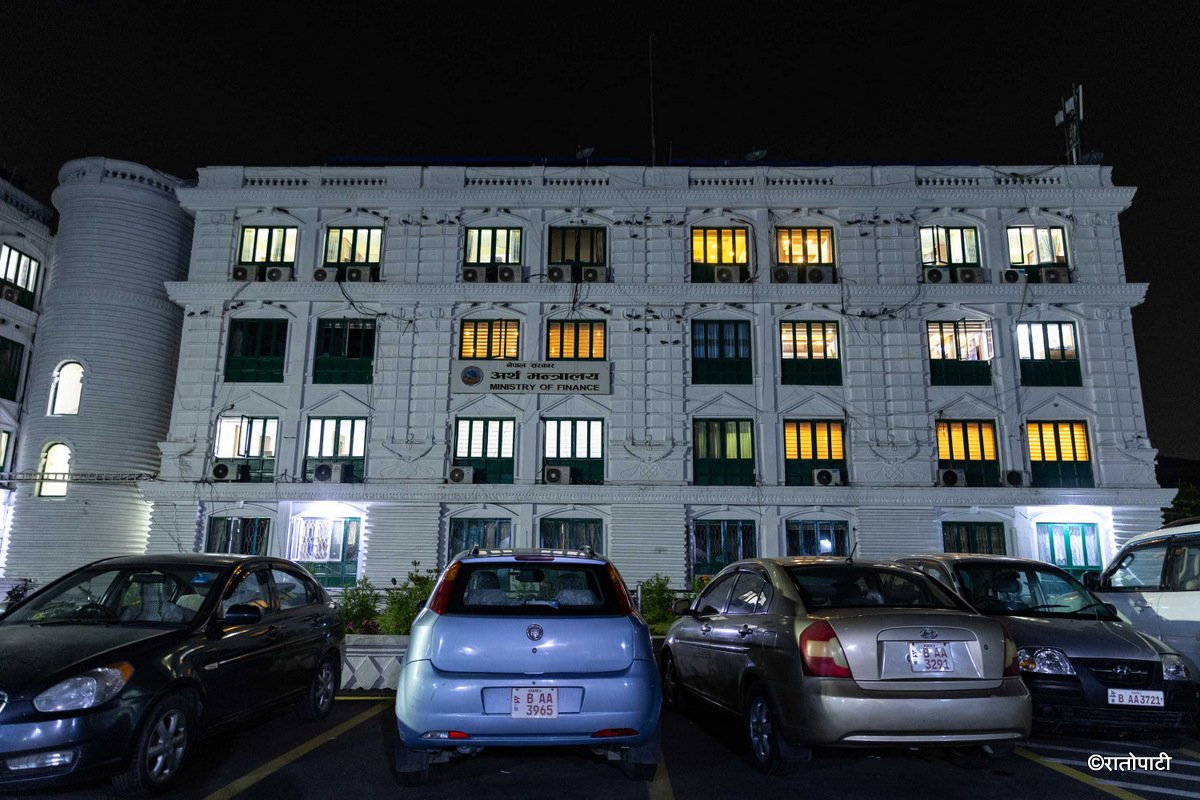
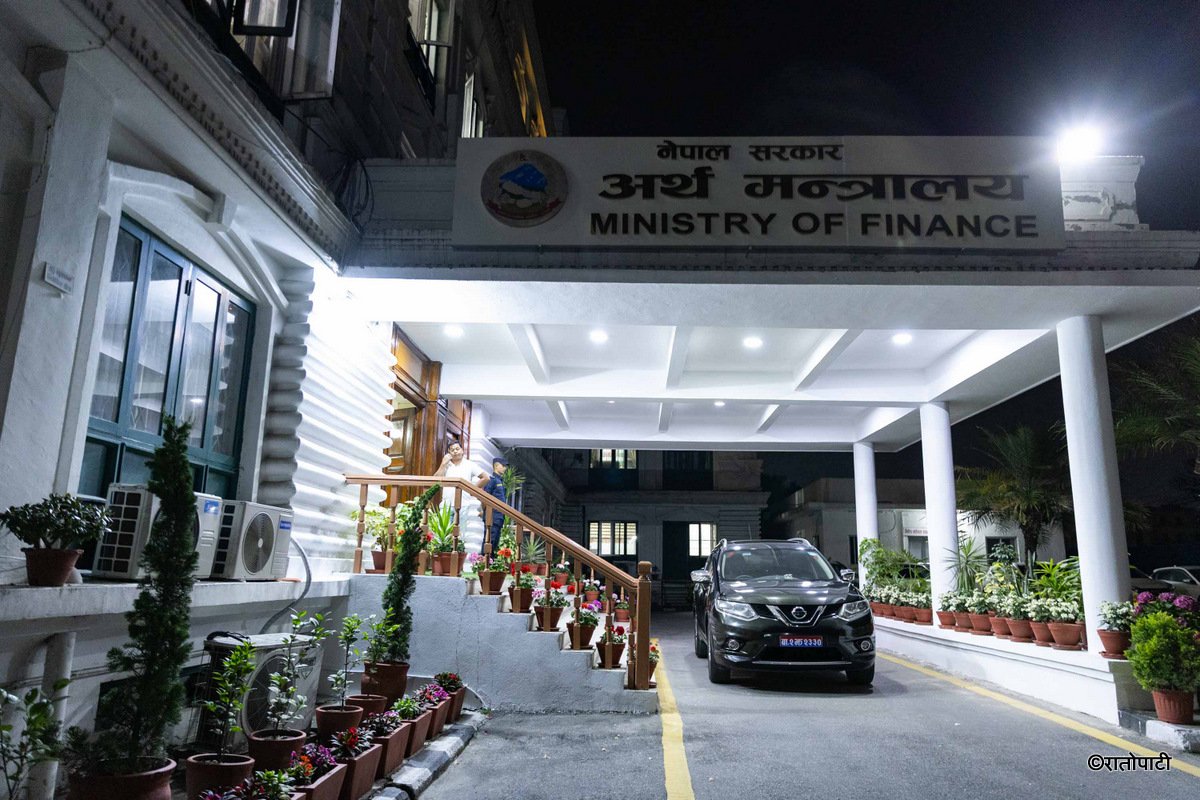
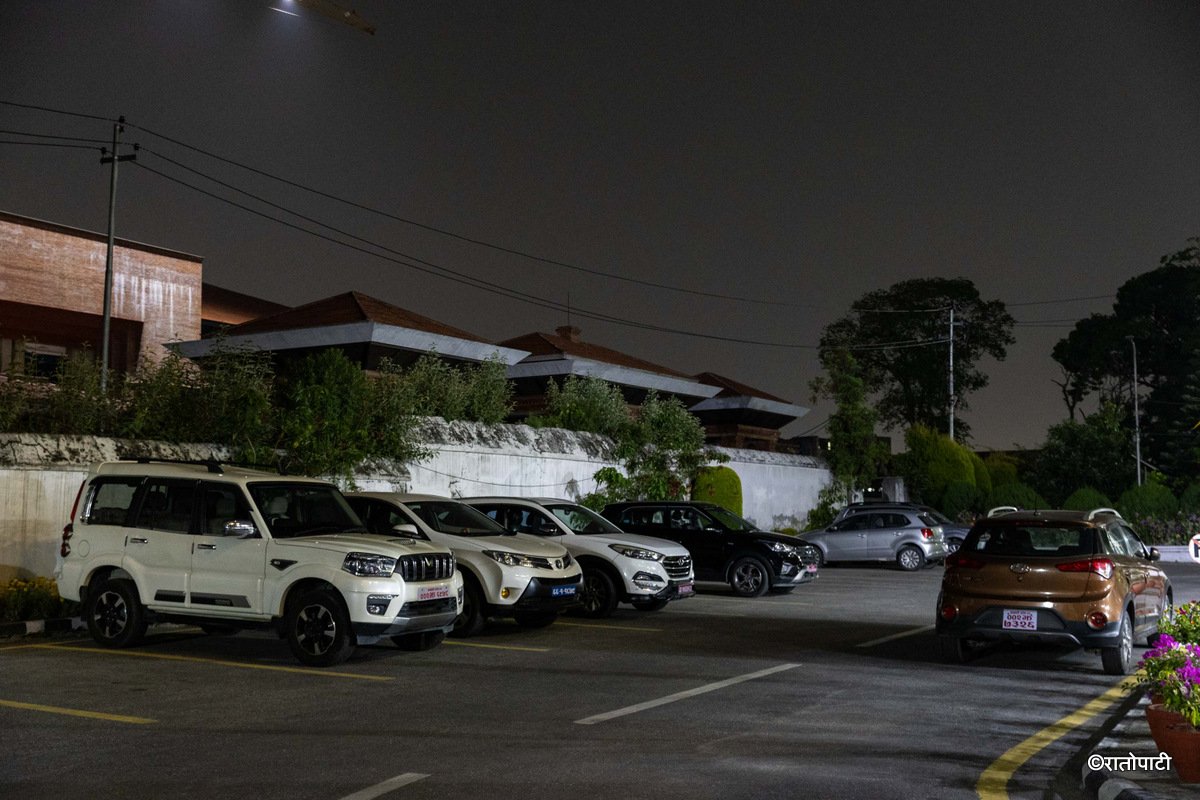
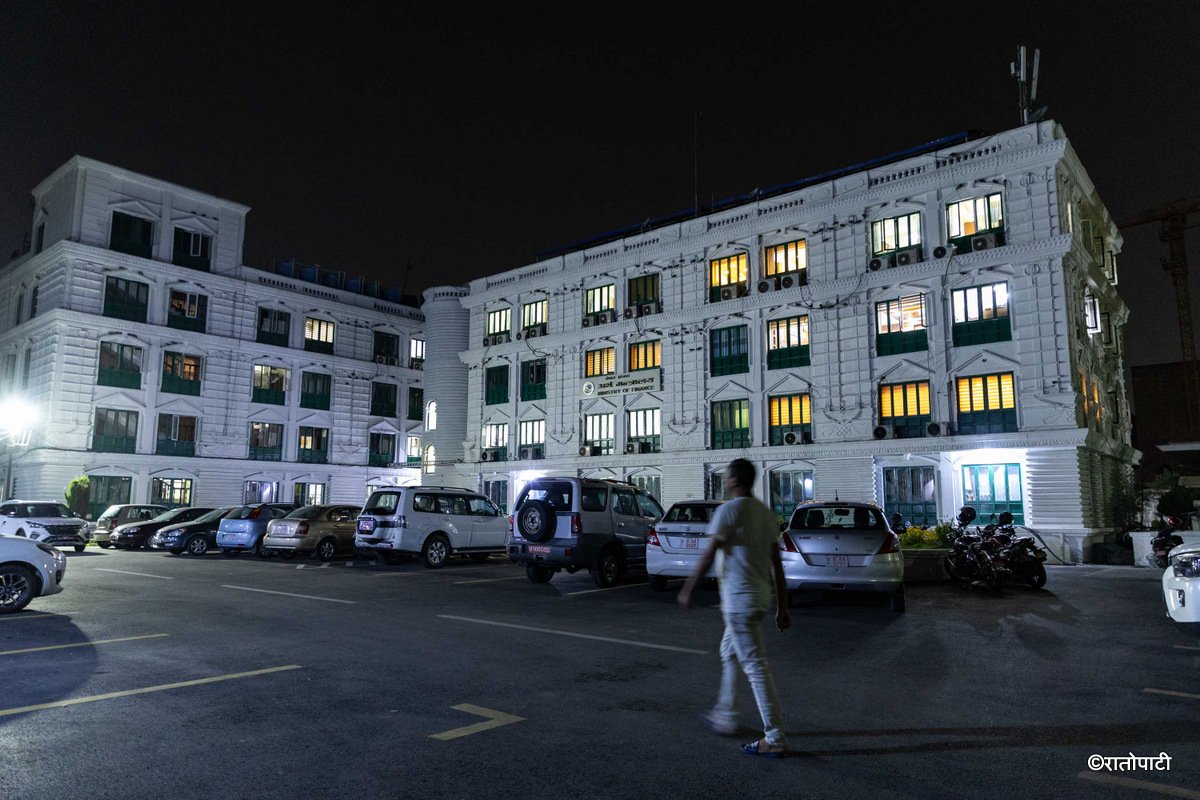
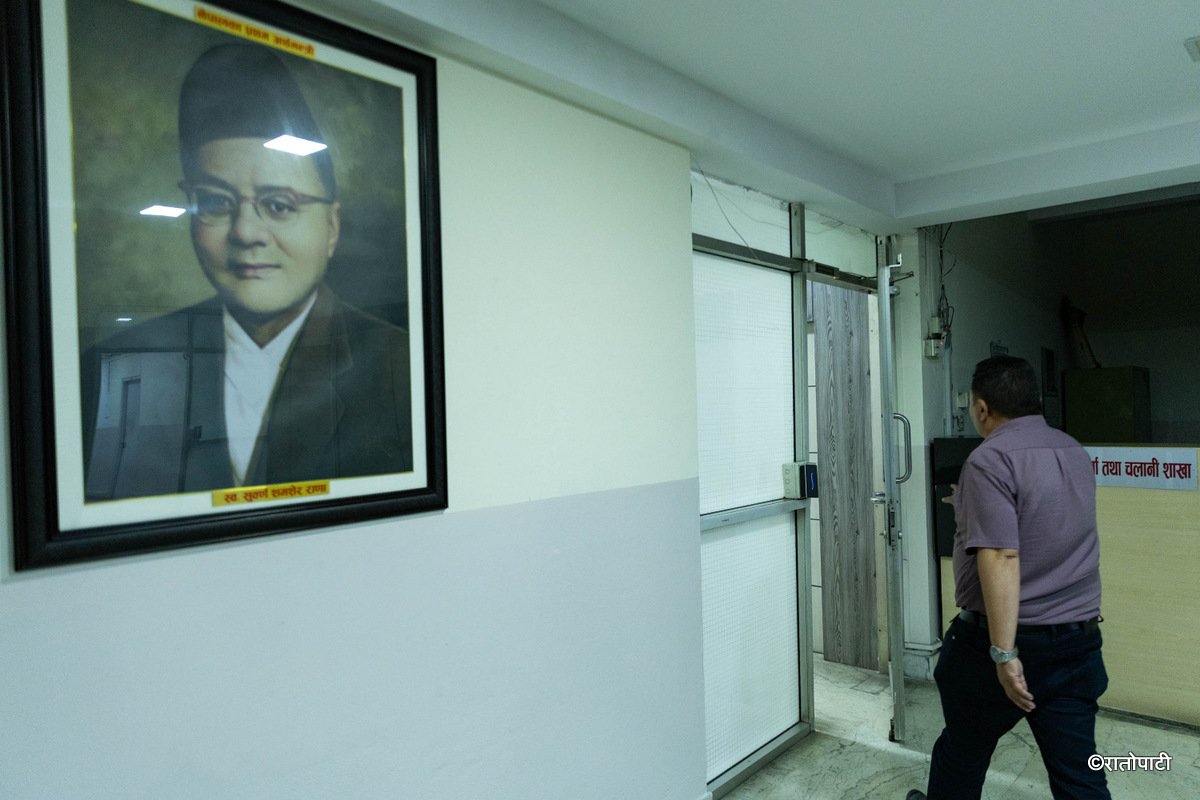
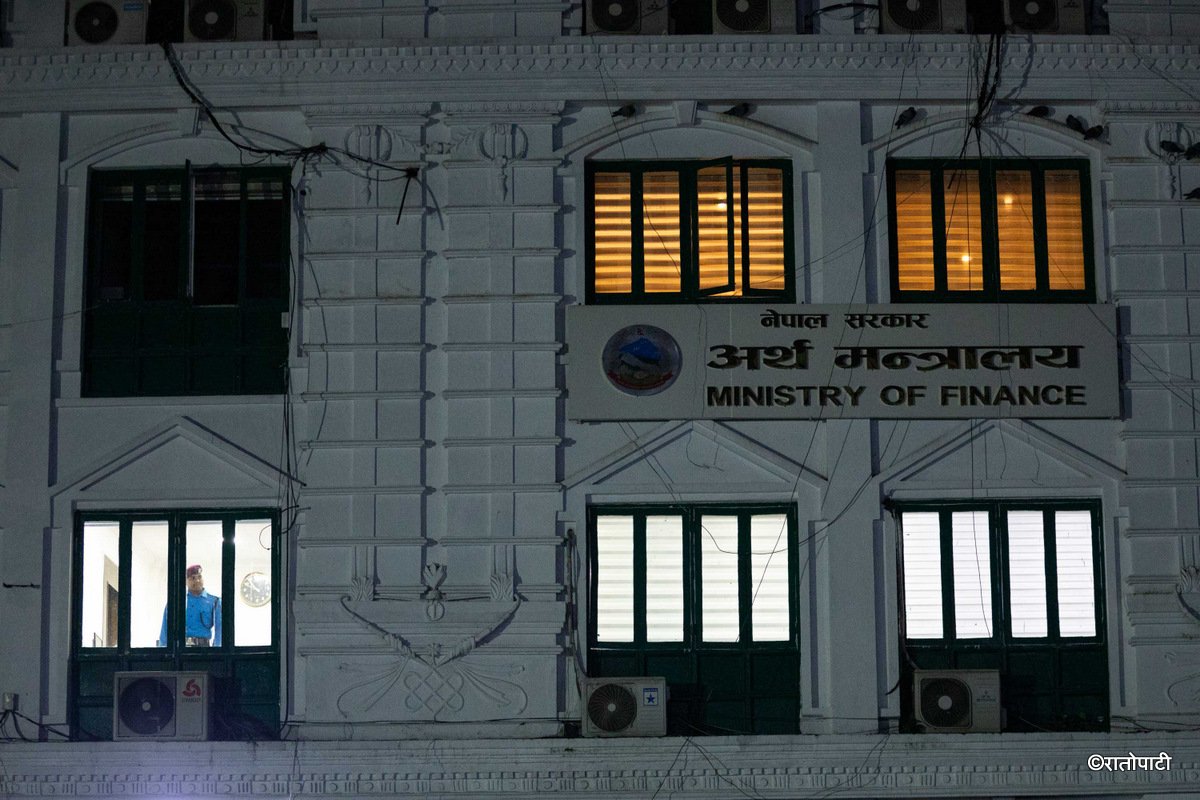
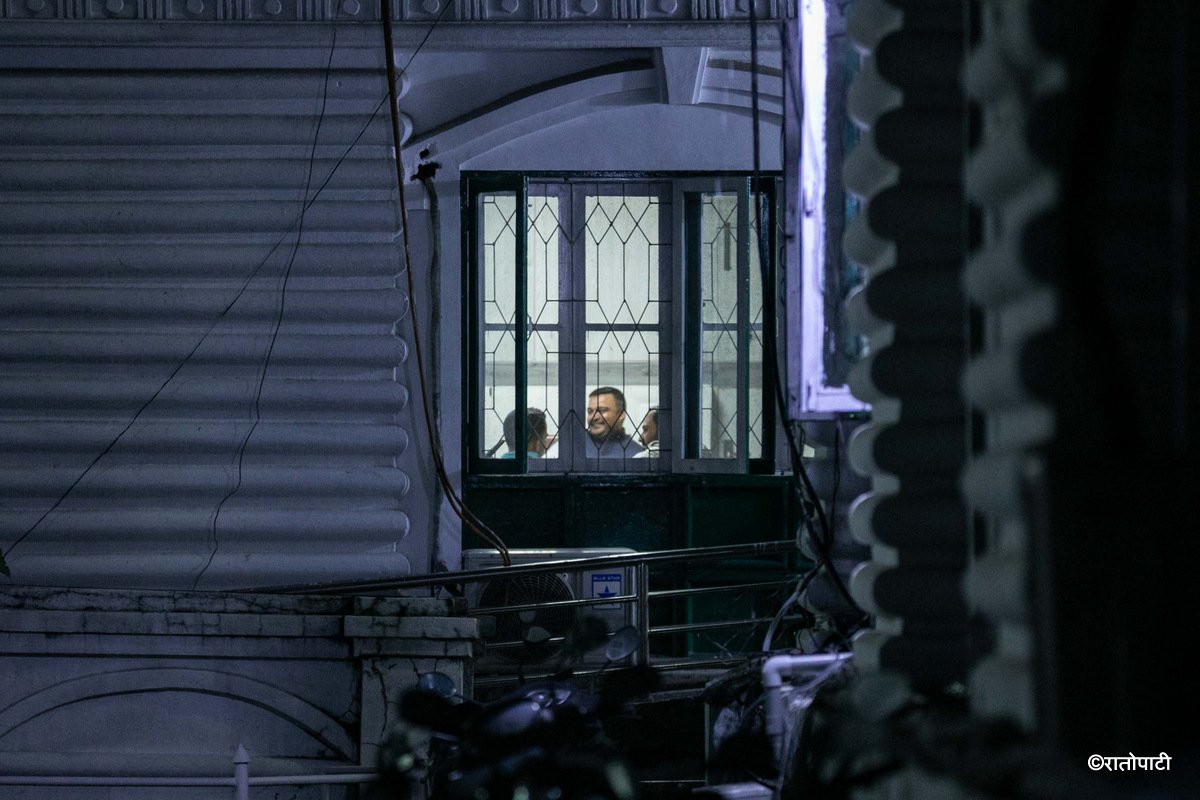
Kathmandu. It was 12:45 AM. Singha Durbar was deserted. But the lights were not off in the Ministry of Finance. Finance Minister Swarnim Wagle and staff left the main building of the ministry only after midnight. Some were rushing with files, some were talking on the mobile.
Every year, as Jestha 15 approaches, the atmosphere inside Singha Durbar changes. The Ministry of Finance, busy with meetings, discussions, and hustle and bustle during the day, becomes even more active at night. At this time, the ministry's staff and officials are busy with final preparations.
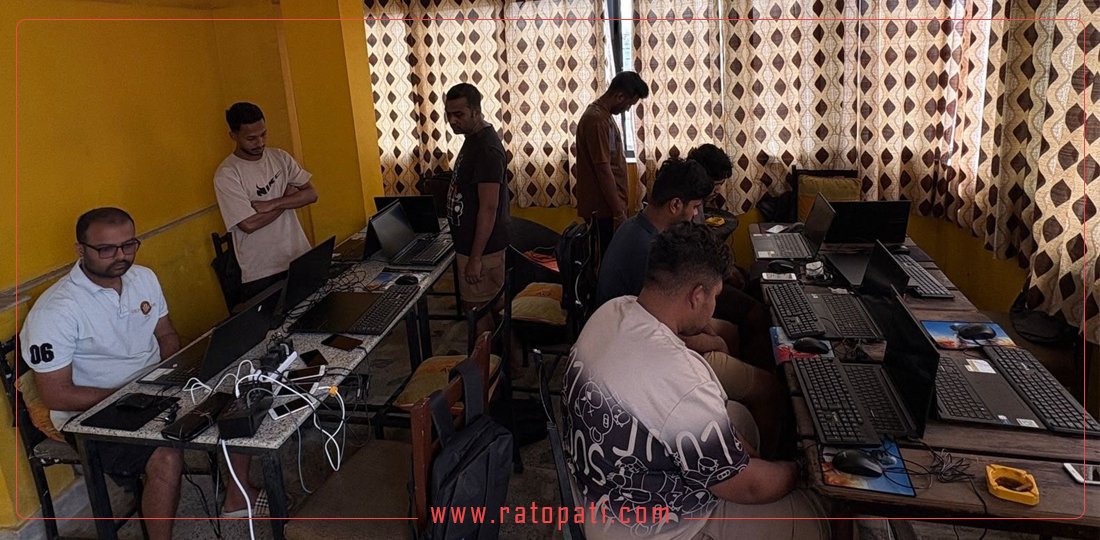
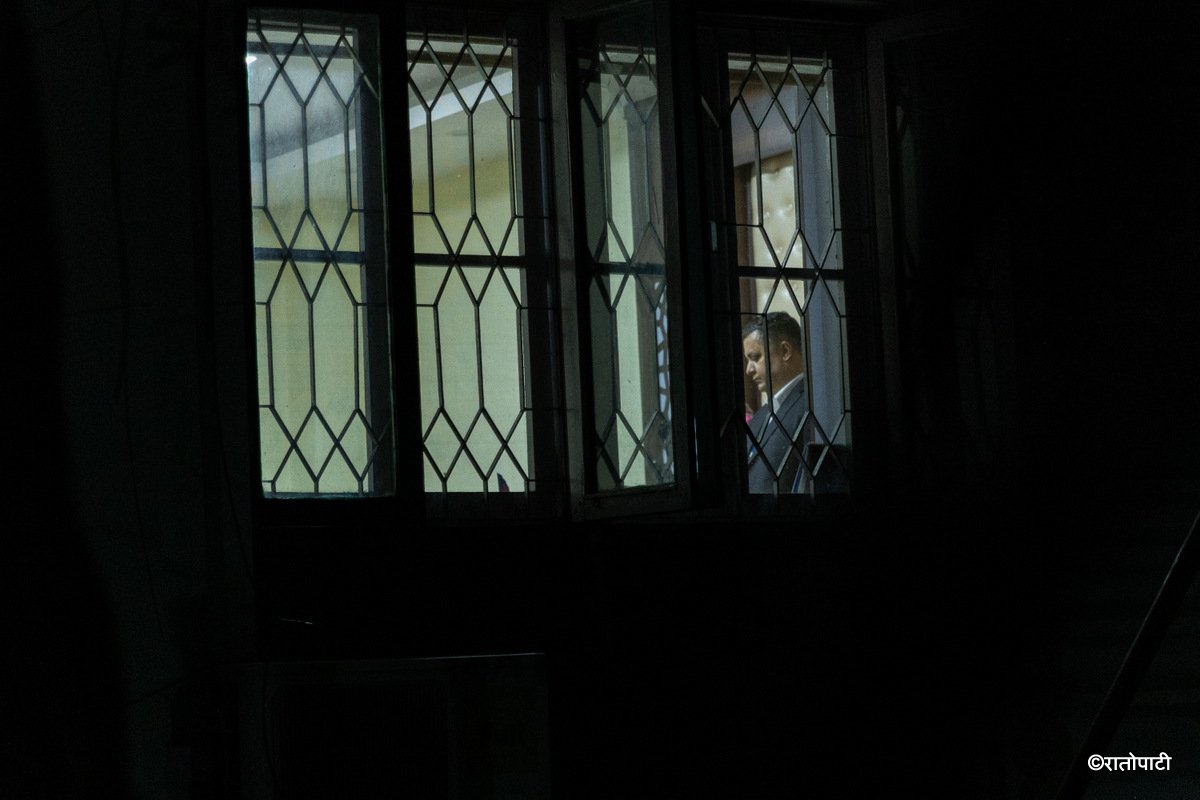
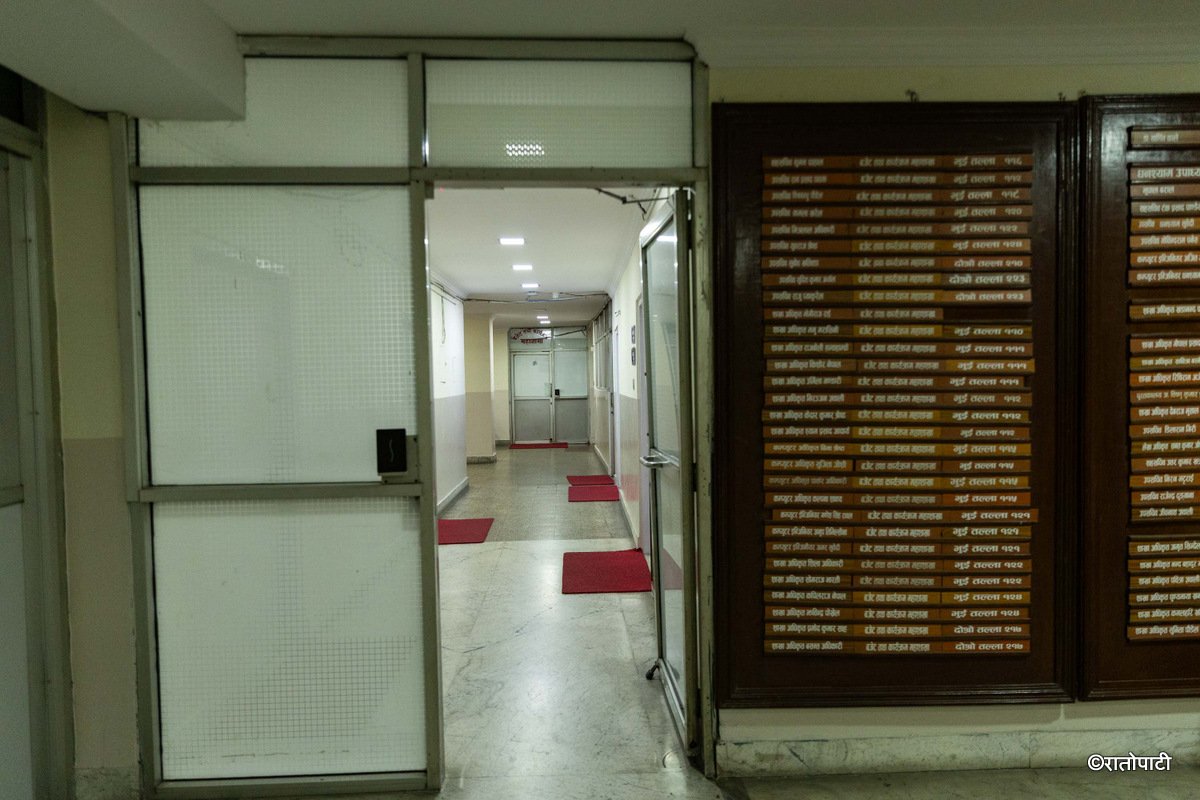
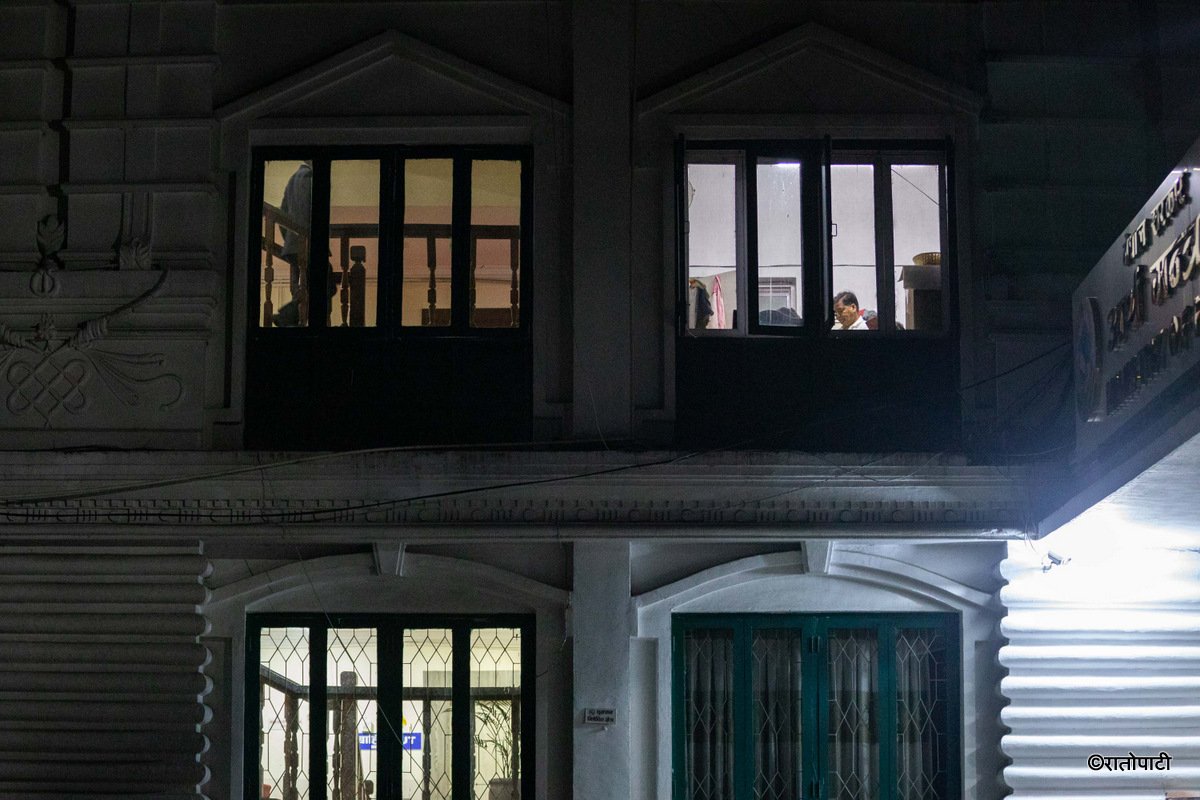
This time too, the scene was no different. In preparation for the upcoming fiscal year's budget of Nepal, which is to be presented at 4 PM on Jestha 15, Finance Minister Swarnim Wagle and his team have been seen active in the ministry until late at night for a week. Most of the ministry's windows were lit all night. Inside, staff were busy in deep discussions on documents, data, and plans. The ministry's corridors were heard bustling late into the night, and discussions were continuously ongoing in the meeting rooms.
The budget is not just an accounting of numbers; it is a document connected to the government's priorities, people's expectations, and the country's future. Therefore, every year, even if the government changes, even if the faces change, the pressure and rush to write the budget remain the same. With a new government, new hopes are born. Businessmen are eager to see tax policies, farmers are expecting subsidies and relief, youth are looking for employment and opportunities, while the general public is curious about the pace of development construction.
As the budget presentation day approaches, the same question is heard from tea stalls to the parliament building: "Will this year's budget give any new hope?"





This specific news has been automatically translated by AI. As a result, there may be some inaccuracies or language errors.