Honduras Palm Plantation Massacre: 19 Dead Amid Gang Violence

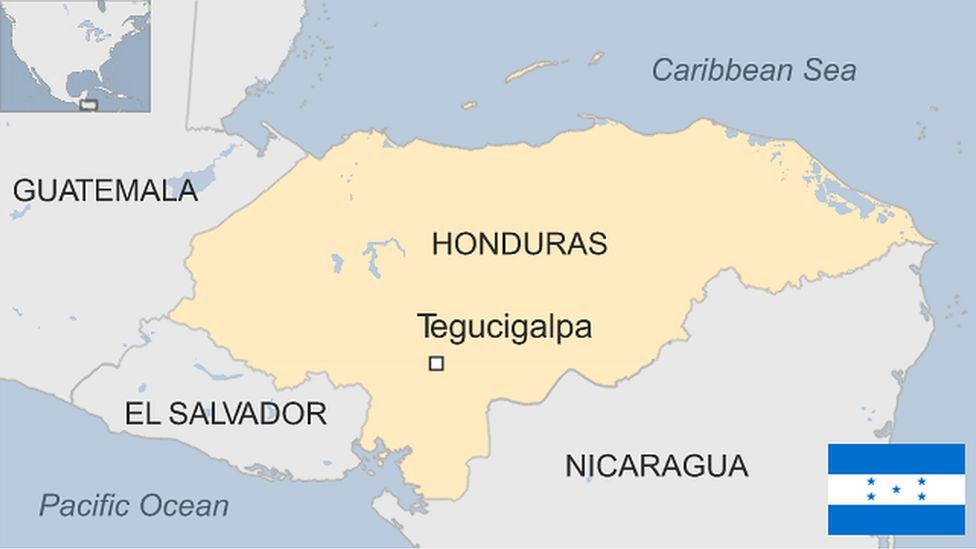
Honduras. At least 19 people have died in a brutal mass killing in a palm plantation in the troubled Bajo Aguan region of northern Honduras, plunging the country back into the grip of organized crime and gang violence. This massacre, which occurred amidst escalating conflict between rival armed groups over control of palm plantations and drug trafficking routes, has raised serious questions about Honduras's security situation.
According to officials, the killings took place on Wednesday night in the Rigores area, a region long known to be tense due to drug trafficking groups, armed gangs, and violent struggles for land control. Local residents reported hearing continuous gunfire throughout the night.
This incident comes shortly after the Honduran National Legislature passed strict security reforms to control the rising criminal violence in the country. The new legal framework grants the military direct participation in public security tasks and establishes new special units to combat organized crime. It also opens the way to classify gangs and drug cartels as terrorist groups.
Honduras's new conservative President Nasry Asfura has pledged to cooperate with the tough security campaign against organized crime in Latin America, promoted by US President Donald Trump.
In another violent incident on Thursday, a fierce shootout occurred near the Guatemalan border when a special anti-gang unit attempted to raid a drug trafficker's house. Officials stated that four security personnel and one civilian died during the exchange.
Local police indicated that the death toll could rise as not all bodies have yet been recovered from the scene. A leader of a local rural group stated that most of the victims in the Aguan Valley were farmers working in the palm plantations.
The leader, who requested anonymity due to security concerns, said that residents of the area have been living under the threat and terror of armed groups for a long time. Describing the local situation, he said people are forced to sleep with 'one eye open and the other closed'.
Videos released by local media show blood-soaked bodies scattered within the vast palm plantations. At least nine bodies were visible lying openly in the fields in the videos.
Honduran Security Minister Gerson Velasquez, speaking to reporters, described the scene as extremely horrific and hellish. He noted that many individuals appeared to have been killed using high-powered weapons, possibly rifles and shotguns.
Later, Yury Mora, a spokesperson for the Prosecutor's Office, told local television that investigation teams had found 13 bodies in one area and an additional 6 in another.
Security Minister Velasquez stated that the Bajo Aguan region has been plagued by violent conflict for many years due to drug trafficking, the palm oil business, and the influence of armed groups. He added that although the clear motive for the incident is not yet known, it appears to be linked to criminal networks.
Carlos Rojas, police chief of the nearby Trujillo area, informed local media that various gangs have seized large African palm plantations and are operating them illegally. According to him, these armed groups purchase weapons using the income generated from these crops.
However, local farmer organizations have also blamed international agribusiness companies, accusing them of protecting criminal groups and preventing locals from reclaiming disputed land.
Meanwhile, a senior government investigator, speaking on condition of anonymity, stated that the incident cannot be explained merely as a land dispute. According to him, preliminary investigations suggest that this massacre is directly related to drug trafficking.
This specific news has been automatically translated by AI. As a result, there may be some inaccuracies or language errors.