India's Electricity Demand Hits Record High Amidst Intense Heatwave

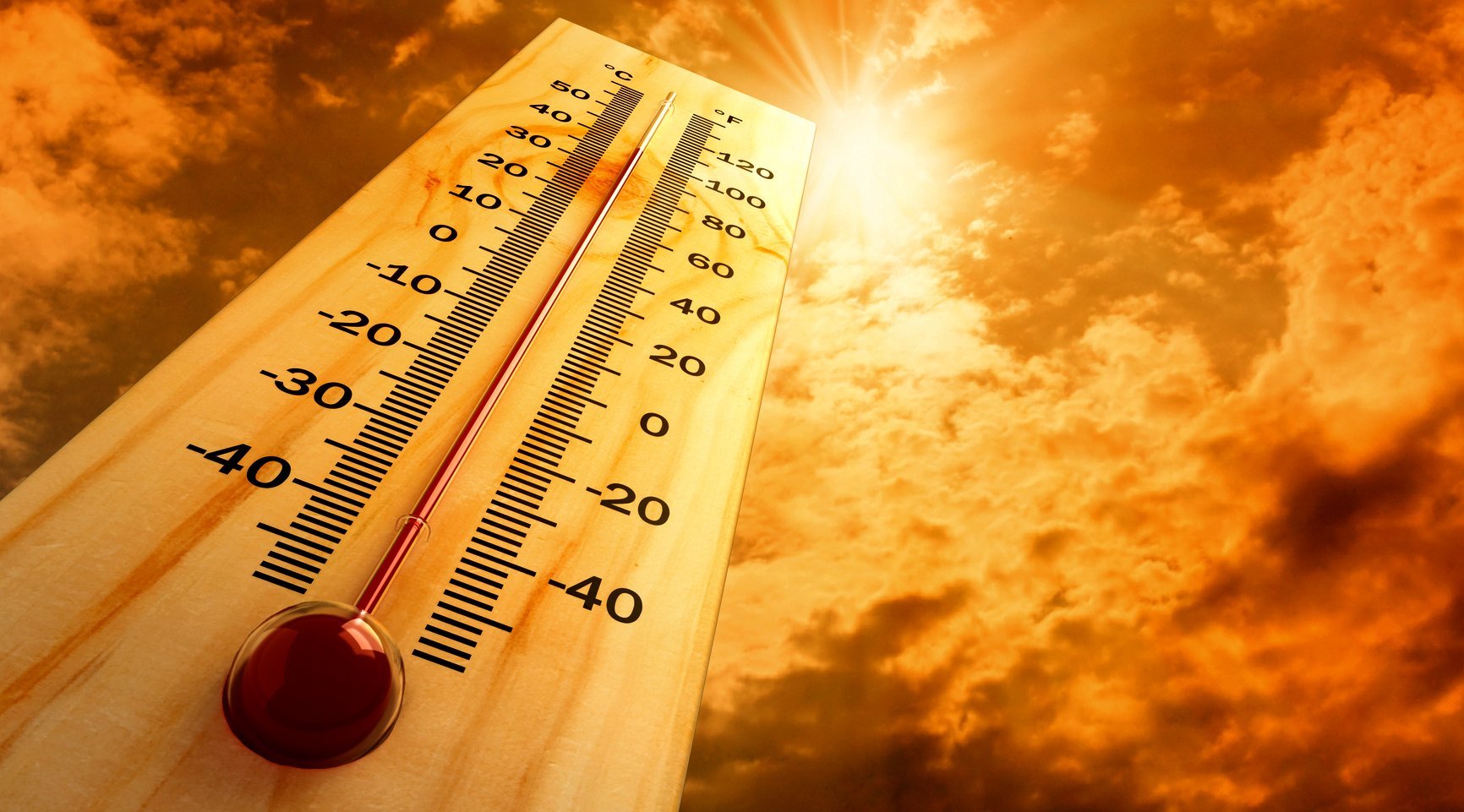
New Delhi. Amidst rising heat in India, the use of cooling appliances has increased rapidly, and the country's electricity demand has continuously set new records. Amidst the severe heat, energy producers have met the country's highest demand ever by producing electricity at record levels.
According to India's Ministry of Energy, on Thursday, the country's peak electricity demand set a new all-time high record for the fourth consecutive day. According to a statement issued by the ministry, India's peak electricity demand reached 270.82 gigawatts at 3:45 PM on Thursday, which was reportedly supplied successfully.
At that time, the temperature in the capital New Delhi reached 45.3 degrees Celsius. The ministry described this level as the highest peak electricity demand in India's history. Earlier, a record of 265.44 gigawatts was set on Wednesday, which was surpassed in one day to set a new record.
The Ministry of Energy stated that the demand for electricity has risen unusually due to the increased use of air conditioners, coolers, and other cooling appliances due to rising temperatures. The ministry mentioned in the details published through social media that this is the main reason for the increase in demand.
India's total electricity production is still dominated by thermal power, especially coal-based production. The ministry stated that currently, 62 percent of the country's total electricity production is obtained from coal-based thermal power. 22 percent is from solar energy, five percent from wind and hydropower, and the rest from other sources.
Although India, the world's third-largest emitter of greenhouse gases, has committed to achieving 'net-zero emissions' by 2070, it still has a significant dependence on coal for energy security.
Despite government claims of record electricity production, many users on the social media platform X have complained about power outages in their areas. It is reported that due to excessive heat, old electricity wires and transformers are under immense pressure, increasing the risk of local blackouts.
While intense heat from April to June is normal in India, home to 1.4 billion people in South Asia, the intensity and duration of temperatures have been increasing in recent years. Scientific research has concluded that heatwaves are becoming longer, more frequent, and more dangerous due to climate change.
According to India's Meteorological Department, the maximum temperature in the city of Banda in Uttar Pradesh state was measured at 47.6 degrees Celsius on Thursday. Although this is slightly lower than the 48.2 degrees Celsius recorded in the same region at the beginning of this week, the situation remains extremely hot, the department said.
The highest temperature officially measured so far in India is 51 degrees Celsius, recorded in Phalodi, Rajasthan, in 2016.
Meanwhile, in a report published in April by the international air quality monitoring platform 'AQI', it was mentioned that all of the world's hottest 50 cities are in India. Indian cities were shown to be affected by extreme heat in the daily 'heat index', which is prepared based on various indicators including temperature, solar radiation, wind conditions, rainfall, and humidity.
This specific news has been automatically translated by AI. As a result, there may be some inaccuracies or language errors.