Government Forms Committee for Constitution Amendment Debate Amidst Opposition Concerns
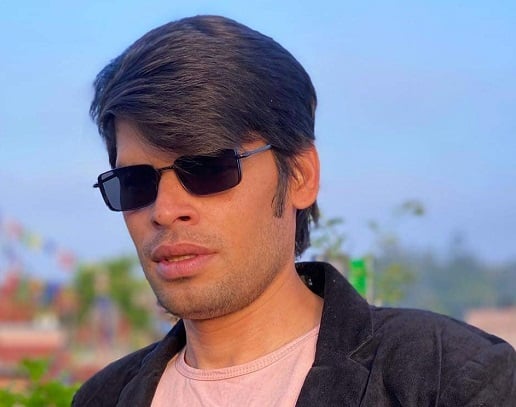

Kathmandu. Opposition parties appear apprehensive about the agenda proposed by the 'Constitution Amendment Debate Paper Preparation Task Force-2082' formed by the government to amend the constitution. The task force, chaired by Prime Minister's Political Advisor Asim Shah, is currently gathering suggestions from political parties, legal experts, media house editors, and leaders of the GenZ movement.
Opposition parties and legal experts claim that the task force, instead of finding common ground for constitutional amendment by seeking suggestions from the 'stakeholders' from the time of constitution-making, has brought proposals that could nullify the achievements made so far.
The government's 100-point agenda on governance reform mentioned the formation of a task force to prepare a 'debate paper' for constitutional amendment. Accordingly, the government has formed the task force, but the opposition parties are alarmed by the agenda for constitutional amendment proposed by the government.
Former Prime Minister and coordinator of the Nepal Communist Party, Pushpa Kamal Dahal 'Prachanda', questioned the government's intentions. Addressing the monsoon session of Parliament on April 29, Prachanda clarified that the constitution amendment should be transparent.
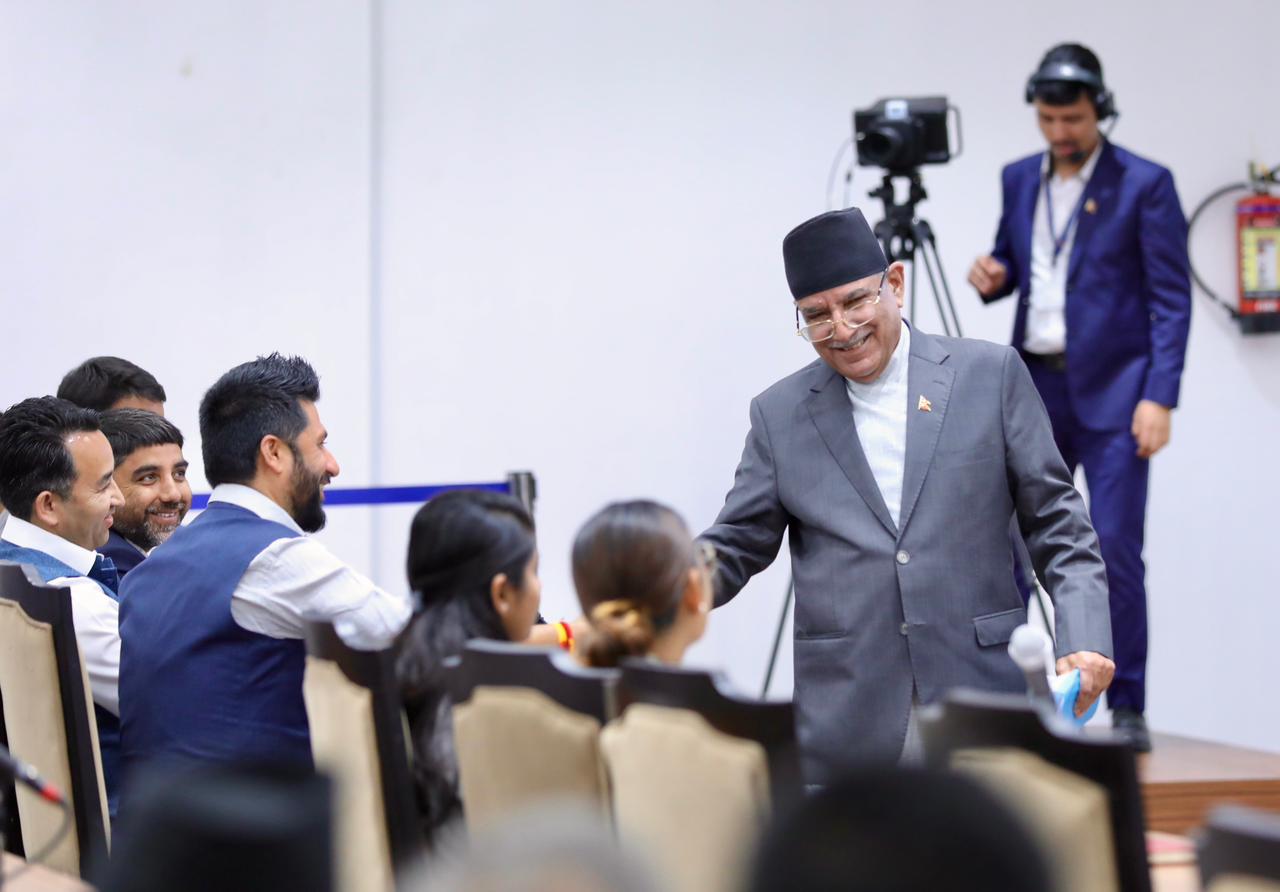
'If the government wants to start discussions for constitutional amendment, the constitution itself mentions reviewing the constitution after ten years. But it should be clear, for whom is the amendment? For whose benefit is the amendment? We are ready for discussion, but with transparency. Let's amend the constitution, but may that amendment further strengthen national unity and national sovereignty, the self-respect and self-determination of the Nepali people,' he had said.
Prachanda demanded that the amendment should be made in a way that further strengthens democracy. He had said, 'Let's amend the constitution so that it expands the representation of marginalized classes and regions. Constitutional amendment is a very sensitive issue. It requires great wisdom, restraint, and discussion. Please do not take it lightly.'
As the country enters its 12th year since the promulgation of the constitution of federal democratic republic, the country's politics is at a new juncture. Last year, due to the GenZ movement in August, the House of Representatives was dissolved, and elections were held on February 21. The election results have pushed all political parties that supported the constitution-making process into opposition. The Rastriya Swatantra Party (RSP), formed about four years ago, has taken the lead in the government by securing a near two-thirds majority in the elections.
RSP was neither a participant in past glorious movements nor a witness to the making of the constitution of federal democratic republic Nepal. Traditional political parties like Nepali Congress, CPN-UML, Nepal Communist Party, and Madhesi parties, which were established through sacrifice, dedication, and martyrdom during major democratic movements and the establishment of the republic, were swept away in the tsunami of the elections. Although the agenda of the old parties remains alive in terms of issues, they have become very weak in terms of numbers in the parliament. The government led by RSP's senior leader Balen Shah has intensified preparations for the debate paper for constitutional amendment as per its election manifesto, causing the opposition parties to appear defensive.
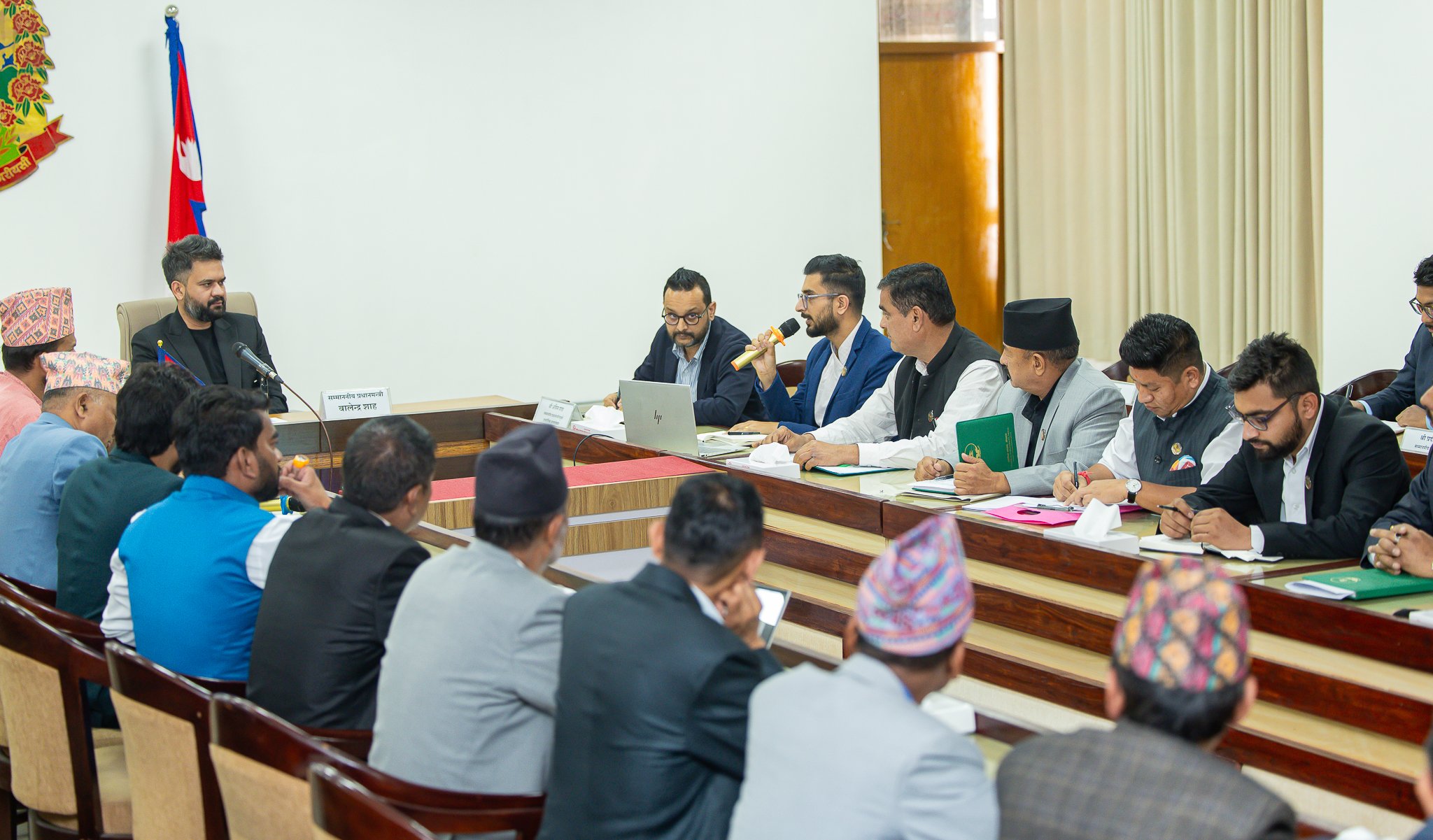
In the first meeting of the task force held on March 25, the government proposed an action plan for discussion and suggestions on governance structure, electoral system, federalism, provincial structure, local levels, judiciary, constitutional bodies, and other various issues.
Representatives from RSP Mohanlal Acharya, CPN-UML's Dr. Bhishma Adhikari, Nepal Communist Party's Devprasad Gurung, Shram Sanskriti Party's Dhurbaraj Rai, Rastriya Prajatantra Party's Gyanendra Shahi, Janata Samajwadi Party Nepal's Dr. Surendrakumar Jha, Loktantrik Samajwadi Party's Dr. Abhas Labh, and Rastriya Janamorcha's Durga Poudel participated in the meeting.
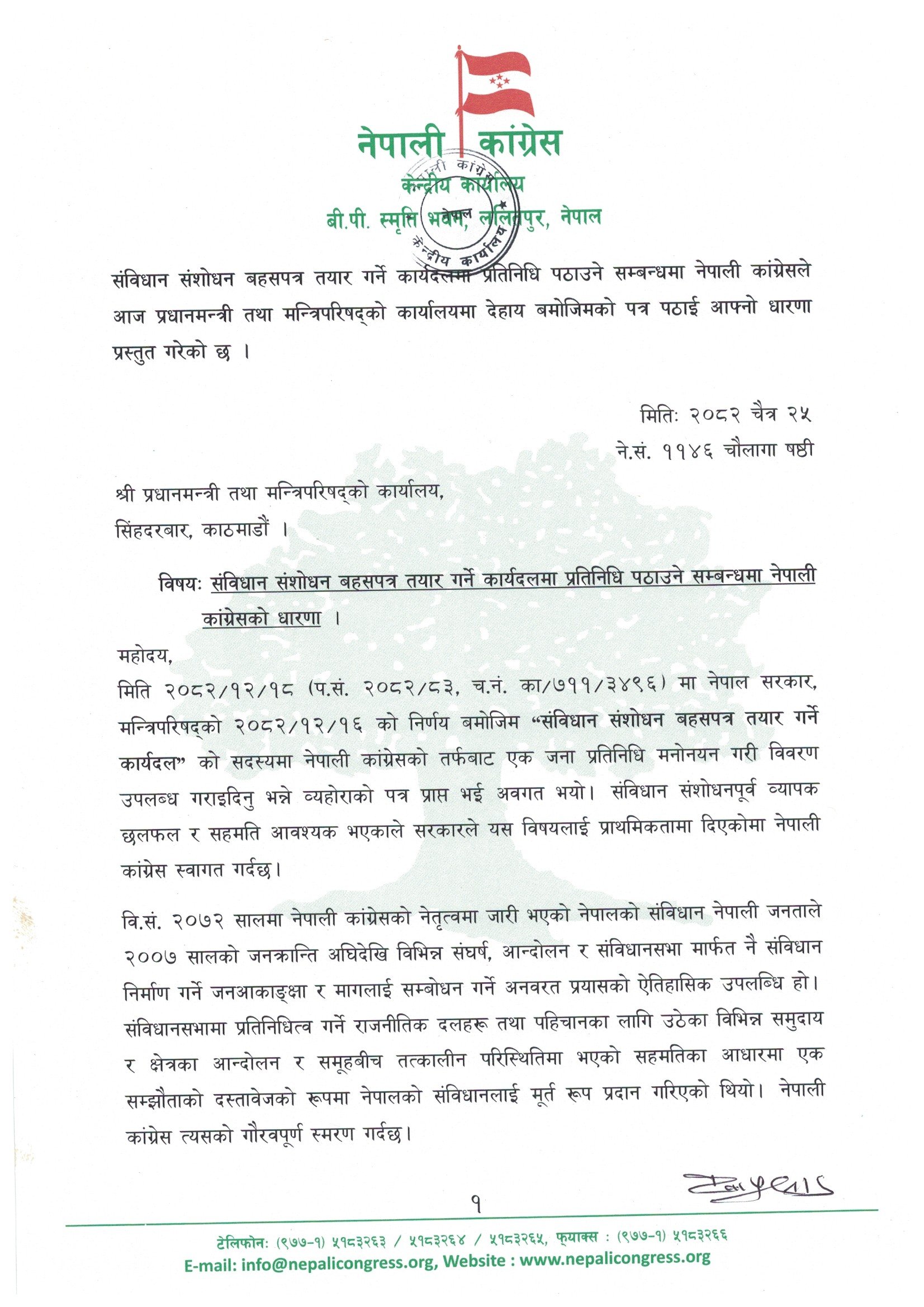
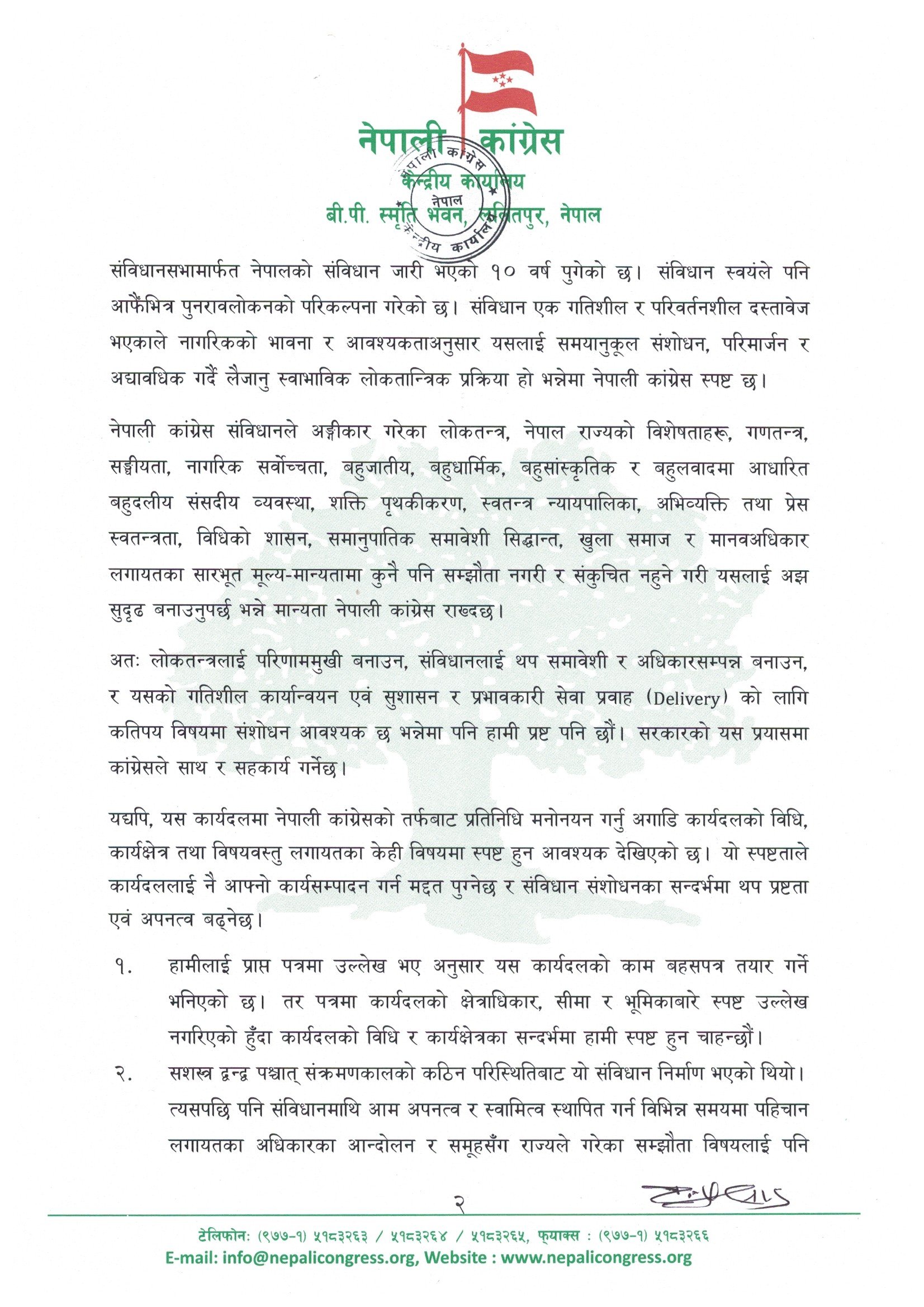
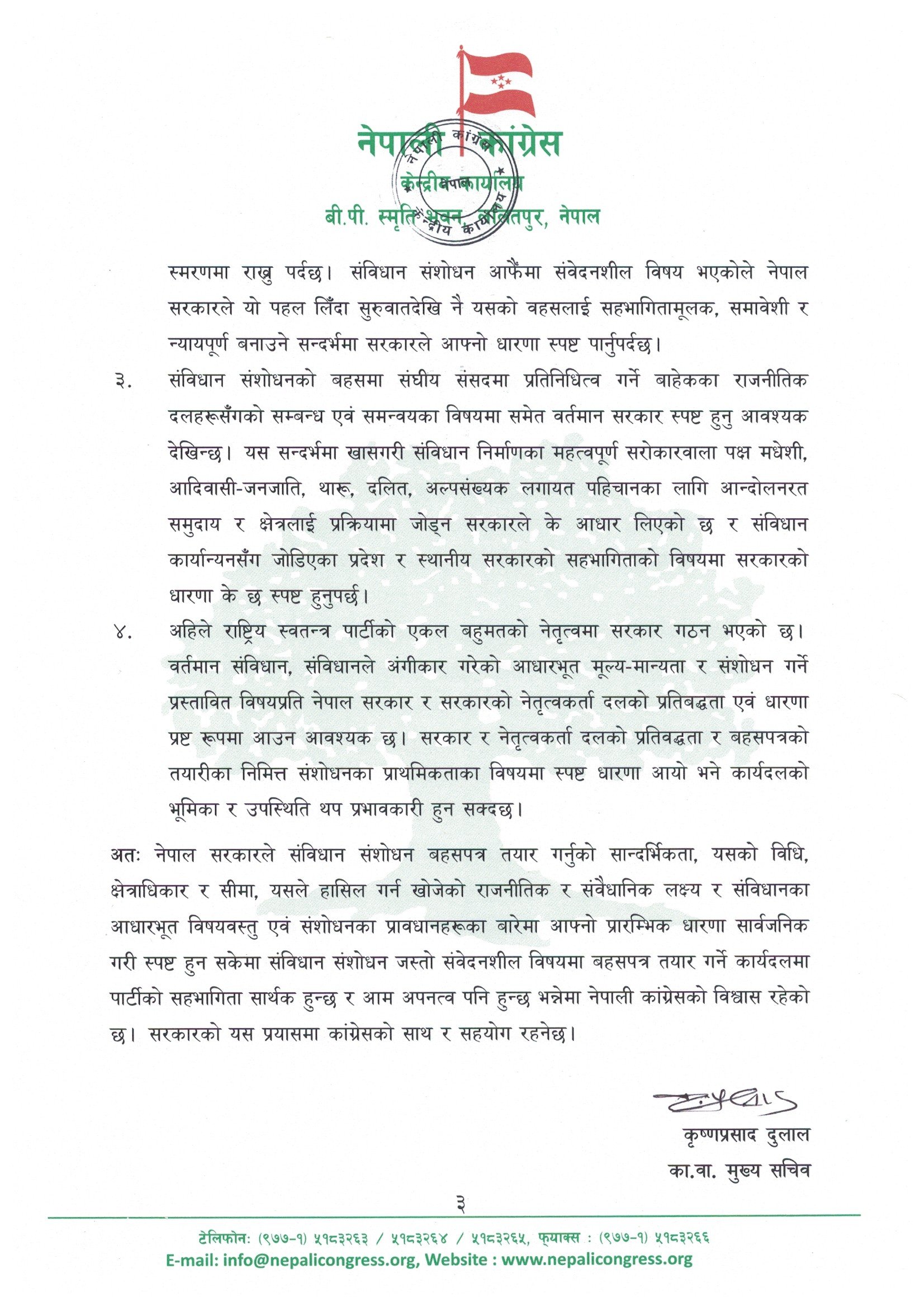
Similarly, Law Secretary of the Prime Minister and Council of Ministers' Office, Pushkar Sapkota, and Secretary of the Law Commission of Nepal, Indira Dahal, were also present. The main opposition party, Nepali Congress, did not send its representative to the meeting. However, before nominating a representative from Congress to the task force, it sought clarity on certain issues including the task force's methodology, scope, and subject matter. It is mentioned that this clarity will help the task force in its work and increase further clarity and ownership regarding constitutional amendment.
Recalling that 10 years have passed since the promulgation of the Constitution of Nepal through the Constituent Assembly, Congress stated, 'The constitution itself envisions its review within itself. The Nepali Congress is clear that as the constitution is a dynamic and evolving document, it is a natural democratic process to amend, revise, and update it in a timely manner according to the aspirations and needs of the citizens.'

Furthermore, Congress clarified its stance that the constitution should be strengthened without compromising its fundamental values and principles, including democracy, the characteristics of the Nepali state, republic, federalism, supremacy of citizens, multi-ethnic, multi-religious, multi-cultural, and pluralistic multi-party parliamentary system, separation of powers, independent judiciary, freedom of expression and press, rule of law, principles of proportional inclusion, open society, and human rights. Congress has sought clarity on the task force's jurisdiction, limits, and role in four points.
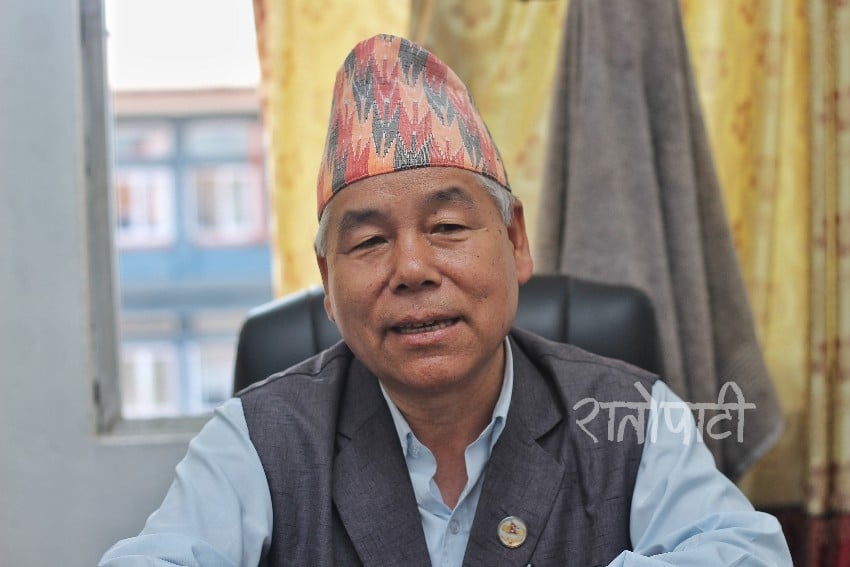
Congress has formed an expert committee under the convenorship of Deputy President Pushpa Bhusal to study and submit suggestions for constitutional amendment. Senior advocates Radheshyam Adhikari, Harihar Dahal, Prem Bahadur Khadka, Upendra Kesari Nyaupane, Sher Bahadur K.C., Yadunath Khanal, Gopal Krishna Ghimire, Yogendra Bahadur Adhikari, Dinesh Tripathi, Sitaram K.C., and Lalit Kumar Basnet are members of the committee. Similarly, advocates Ranbahadur Thebe, Sharmila Shrestha, Jhalmaya B.K., Niraj Gupta, and Raju Kattel are members.
Meanwhile, the secretariat meeting of another opposition party, CPN-UML, discussed the agenda related to constitutional amendment. Central Office Secretary Dr. Bhishma Raj Adhikari stated that the discussion on the agenda has not yet taken place. 'As the party meeting is ongoing, the meeting on the 8th will form a team of senior leaders for the constitution. That team will collect suggestions on what to amend in the constitution,' he said.
Adhikari stated that the government has not presented a clear framework regarding constitutional amendment. 'Only suggestions are being collected,' he said.
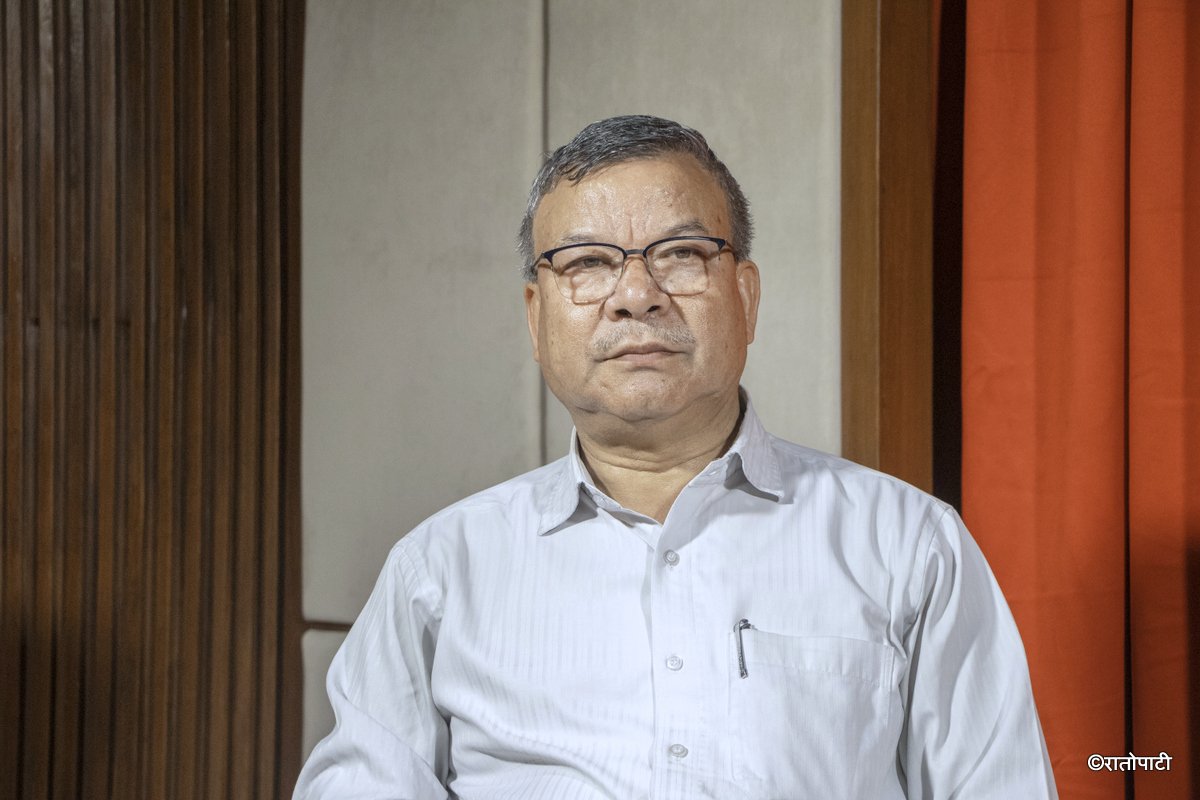
The Nepal Communist Party, another key constituent in constitution-making, has formed a constitutional amendment suggestion task force under the convenorship of former Law Minister Dev Gurung. Task force members include Prakash Jwala, Prem Bahadur Singh, Randhwoj Limbu, Rekha Sharma, Ganesh BK, senior advocates Dr. Muktinarayan Pradhan, Dr. Khemlal Devkota, advocate Jagdev Chaudhary, Damabarvikram Karki, and Dr. Rambahadur Chaudhary.
Senior Advocate Pradhan, who participated in the task force, informed that the government and the ruling party RSP have not presented a clear framework on which issues to amend the constitution. 'We have been expressing disagreements on the governance structure, electoral system, and federal structure since the time of constitution-making. The current government says it will prepare a debate paper for constitutional amendment, but they themselves are not clear,' he said.
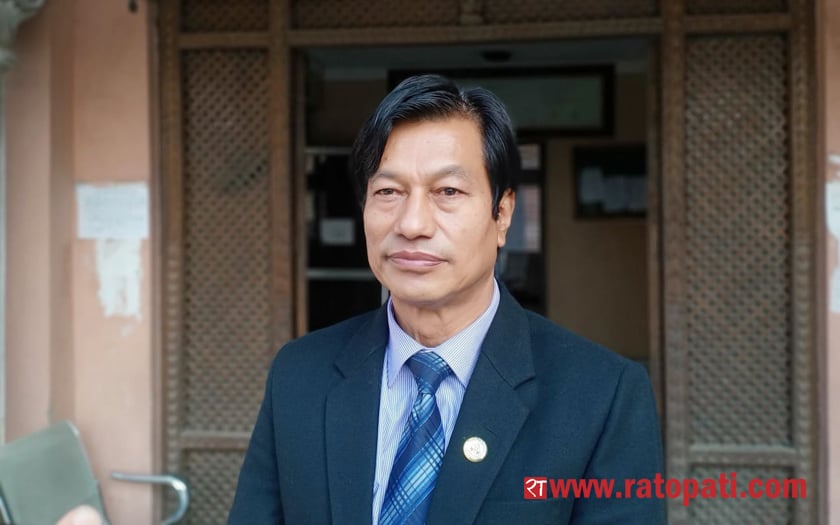
Meanwhile, Madhesi-centric parties, which boycotted the Constituent Assembly during constitution-making, have expressed doubts about the government's intentions. Leaders participating in the task force meeting from Janata Samajwadi Party (JSP) Nepal claimed that the task force has not shown any maturity on a serious issue like constitutional amendment. Dr. Abhas Labh says that looking at Coordinator Shah's presentation, it seemed as if the constitution had prior preparations on which issues to amend.
'The government did not present a mature opinion in the task force. Suggestions were sought only on the points they noted,' he said, 'We protested against it. Constitutional amendment cannot happen just by noting points. Listen to everyone. Debate on every point,' we said. Looking at the behavior of the government side, it seemed they had already decided what to amend in the constitution.'
Another leader, Dr. Surendra Jha, also claimed that the ruling party has not brought a clear stance on constitutional amendment. He suggested in the task force meeting that constitutional amendment is a serious matter and cannot be amended by the ruling party alone without national consensus.
Leader Labh warned that federalism is not a gift but an achievement gained through the sacrifice of thousands of people, and any attempt to tamper with it will be resisted.
Another leader, Dr. Surendra Jha, also claimed that the ruling party has not brought a clear stance on constitutional amendment. He suggested in the task force meeting that constitutional amendment is a serious matter and cannot be amended by the ruling party alone without national consensus.
'We asked for a clear stance on why and in which aspects the constitution is to be amended, but they could not clarify. The debate paper is to be prepared and submitted to the Prime Minister, and then taken to the public for debate,' Jha said. 'The Constituent Assembly is the mother of the current constitution. This government does not have the authority to amend the constitution. The government has received a mandate for good governance and state operation, not for constitutional amendment,' we said.
Jha stated that instead of a task force, a powerful commission should be formed for constitutional amendment. He argued that constitutional amendment could happen based on the suggestions of that commission. JSP Nepal has prepared a three-month form with suggestions for constitutional amendment. The 30-point form clearly specifies which articles of the constitution are to be amended.
Not only political parties but also legal experts are not satisfied with the proposals presented by the government in the task force. In a discussion with former Attorney Generals on April 15, the agenda for constitutional amendment was presented point-wise. Former Attorney General Raman Kumar Shrestha clearly stated that constitutional amendment cannot happen in a way that nullifies the achievements made. However, Shrestha said that it felt like the government was trying to rewrite the constitution rather than amend it.
'We have always advocated for a directly elected executive head in the governance structure. It is not appropriate to reduce the federal structure from seven. There is no need for a parliament in the provinces. Provinces should exist to coordinate by giving rights to local levels,' Shrestha said regarding the agenda presented in the discussion. 'The Nepal Bar Association has spoken a lot about the restructuring of the judiciary. The judiciary is what has not been restructured so far. The constitutional council that appoints the Chief Justice or judges must be correct.'
Shrestha stated that to make the judiciary clean and impartial, individuals affiliated with any political party should not be appointed as judges. If they were involved in politics, he suggested a cooling-off period of at least two or three years. However, Shrestha believes that the government's intention seems to be to rewrite the constitution rather than to remove its weaknesses.
'If everything in the constitution is tampered with now, it will worsen. First of all, they themselves are not clear about constitutional amendment. The constitution cannot be amended by derailing the rights obtained by the people,' he said.
Former Attorney Generals including Dr. Yubaraj Sangroula, Sabita Bhandari, Mahadev Prasad Yadav, Muktinarayan Pradhan, and Agni Prasad Kharel participated in the discussion.
They gave their respective suggestions on issues such as governance structure, electoral system, federal structure, restructuring of the judiciary, number of constitutional bodies, and inclusion. Mohanlal Acharya, who participated from the RSP, informed that the experts participating in the discussion stated that the government should clarify the objective of constitutional amendment. He said that suggestions are being collected to prepare a debate paper based on the consensus of all parties regarding the weaknesses found in the constitution. According to him, work is underway to collect opinions on removing duplicated and conflicting provisions in the constitution.
'The constitution has many duplicated and conflicting provisions. That ambiguity needs to be removed or much improvement is needed. We need to reach a conclusion with everyone's consensus by debating on issues like governance structure, electoral system, and federalism,' Acharya told Ratopati. 'The constitution, which took 7-8 years to be made by the Constituent Assembly, requires the consent of opposition parties, and even provinces, for amendment. We have initiated the debate so that it is easier to amend the constitution through consensus rather than by force of a two-thirds majority.'

Task force coordinator Shah clarified that a debate paper is being prepared as per the need to review the constitution a decade after its promulgation. 'In the context of the increasing debate among political parties and the demands from the GenZ generation for good governance and an end to corruption, a detailed debate paper will be prepared by collecting suggestions from all stakeholders,' the Prime Minister's Secretariat stated.
RSP Joint General Secretary Bipin Kumar Acharya said that the constitution has great dignity, and it will not go on the right track if the needs of society are not met, and amending the constitution without consulting stakeholders would be a mistake. 'The constitution has great dignity. If it cannot meet the needs of society, it will create another problem. We will not make the mistake of amending the constitution without consulting stakeholders,' Acharya said.
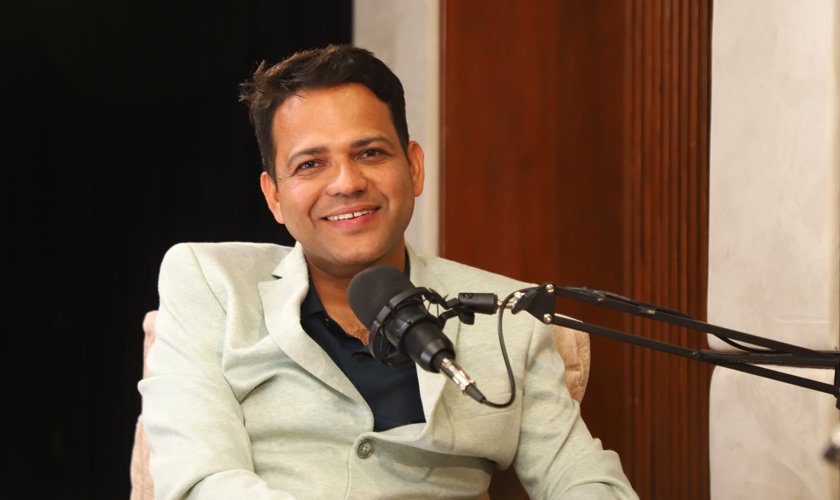
He clarified that as the government leads by being the largest party from the election, it should not forget the fact that 52 percent of the votes went to other parties.
Meanwhile, leaders of the GenZ movement have boycotted the discussion called by the government regarding constitutional amendment. Citing the non-implementation of past agreements, they did not participate in the discussion held by the government on Friday.
Twenty-five leaders of the GenZ movement issued a joint statement on Friday stating they would not participate in the discussion. They expressed dissatisfaction with the government's working style as the reason for boycotting the discussion.
'Hundreds of our friends are still facing false cases because they participated in the movement, and the families of martyrs and the injured are waiting for justice,' the joint statement said. 'The 10-point agreement reached with the Government of Nepal on November 24, 2082, has not yet been implemented. The report of the Gauribahadur Karki Commission formed to investigate the GenZ movement has not been formally published and implemented.'
This specific news has been automatically translated by AI. As a result, there may be some inaccuracies or language errors.