Child Marriage Crisis in Karnali Province Highlighted


Surkhet. The state of child marriage in Karnali Province has been found to be dire. Although various efforts are being made to end child marriage in Nepal, its impact has not been significantly felt in Karnali Province.
The highest incidence of child marriage occurs in Madhes Province (42.4 percent). According to the National Human Rights Commission, followed by Karnali, 37.9 percent of girls marry before the age of 18, which is higher than the national average of 35.1 percent.
In the case of boys as well, 7 percent marry before the age of 18. Nepali law permits marriage only after reaching the age of 20.
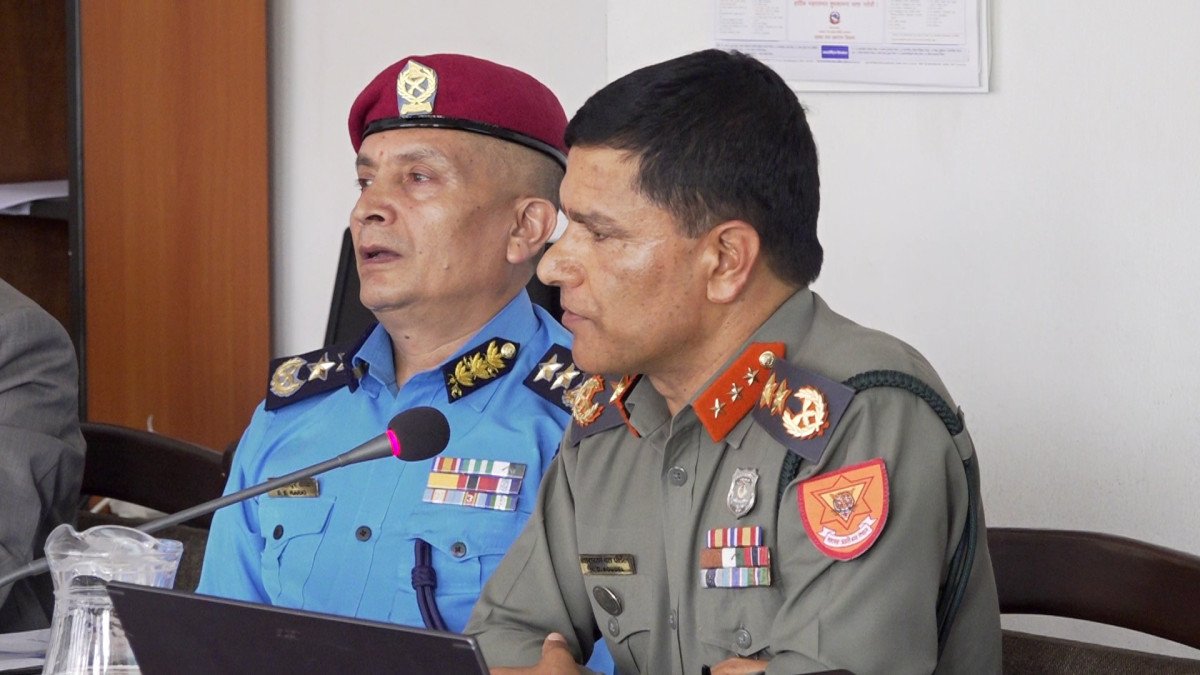
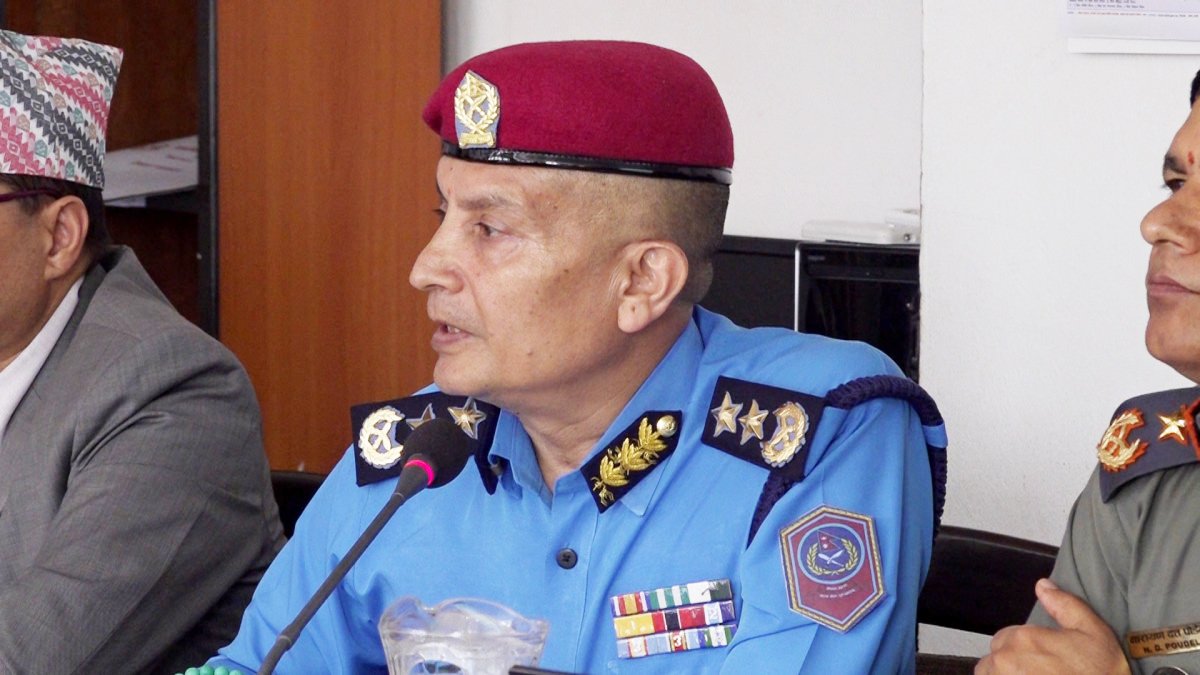
The rate of adolescent pregnancy in Karnali is also high. Murari Prasad Kharel, member secretary of the National Human Rights Commission, stated that 21 percent of pregnant women in Karnali are under 20 years of age. 'This is higher than in all other provinces,' he said, 'This increases the risk of maternal mortality and obstetric complications.'
According to the commission, the situation of child marriage is dire in all ten districts of Karnali. The commission concludes that poverty in Karnali also contributes to early marriage.
During the national investigation conducted by the National Human Rights Commission on the impact of child marriage on the enjoyment of human rights, it was found that the reproductive health, physical autonomy, and right to education of adolescent girls in Karnali are being violated due to child marriage.
'45.5 percent of women married at a young age show symptoms of depression,' the commission's report states, 'The maternal mortality rate for girls aged 10-14 is five times higher than for women aged 20-24.'
The commission is conducting national investigations and public hearings in municipalities in various districts, including Surkhet in Karnali. Commission officials have stated that the commission is taking the initiative to hold the government and stakeholders accountable for the effective implementation of laws and policies to prevent child marriage.
Social, Economic, and Traditional Causes of Child Marriage
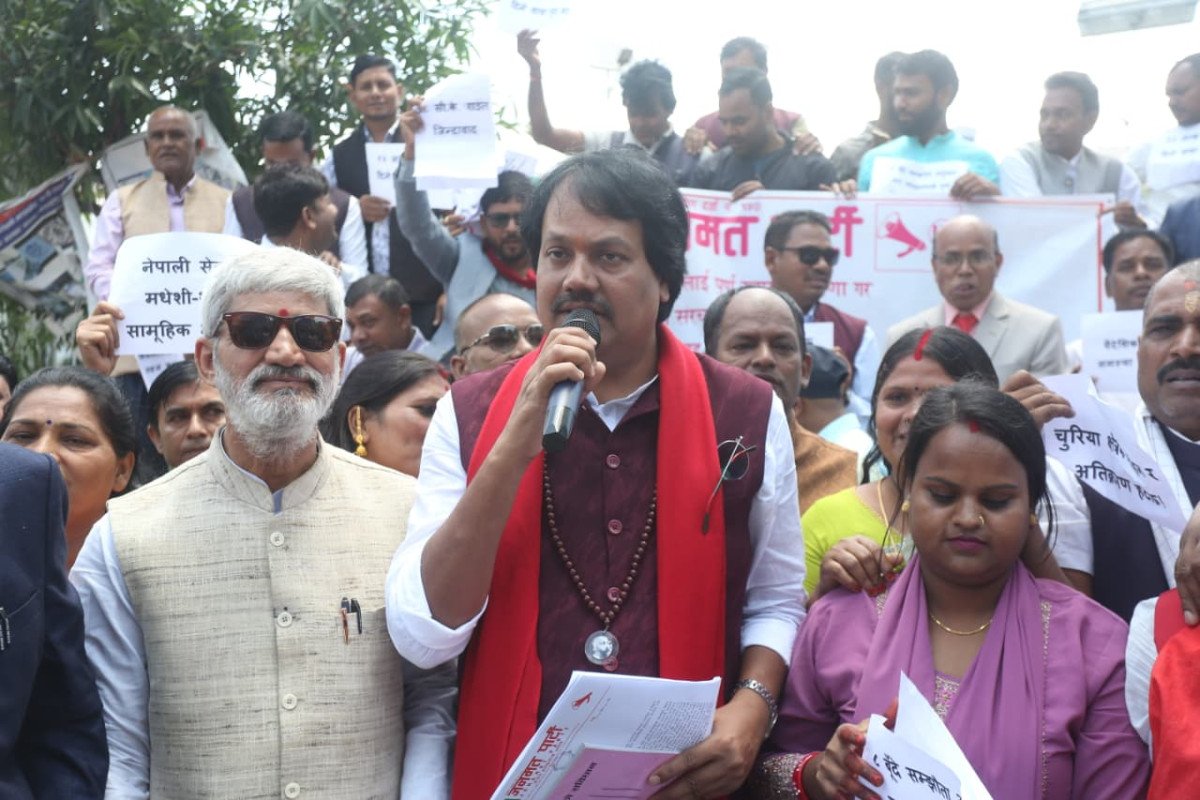
The Human Rights Commission organized a discussion on Tuesday in Birendranagar on 'Policy and Operational Arrangements Currently Underway to End Child Marriage'.
Most of the parliamentarians and stakeholders present at the discussion stated that although policies have been made, they have not been properly implemented.
Congress MP Hikmat Bisht said that the marriageable age should be lowered from 20 to 18 years. 'The policy of marrying only at the age of 20 will lead to many people being criminalized,' he said, 'Therefore, the marriageable age should be lowered to 18.'
MP Krishna Bahadur GC said that child marriage can only be reduced if the parents of the family are held responsible first.
Another MP, Kal Bahadur Hamal, emphasized that child marriage and its effects should be included in school textbooks.
MP Bir Bahadur Shahi said that the then government had introduced programs like 'Daughter's Bank Account, Security for Life' with the objective of reducing child marriage in Karnali. However, he said that these programs, considered important, are now in limbo.
The province's Minister for Social Development, Ghanshyam Bhandari, said that awareness is necessary to reduce child marriage. 'We now need to broadcast such content digitally,' he said, 'The government is also working on it.'
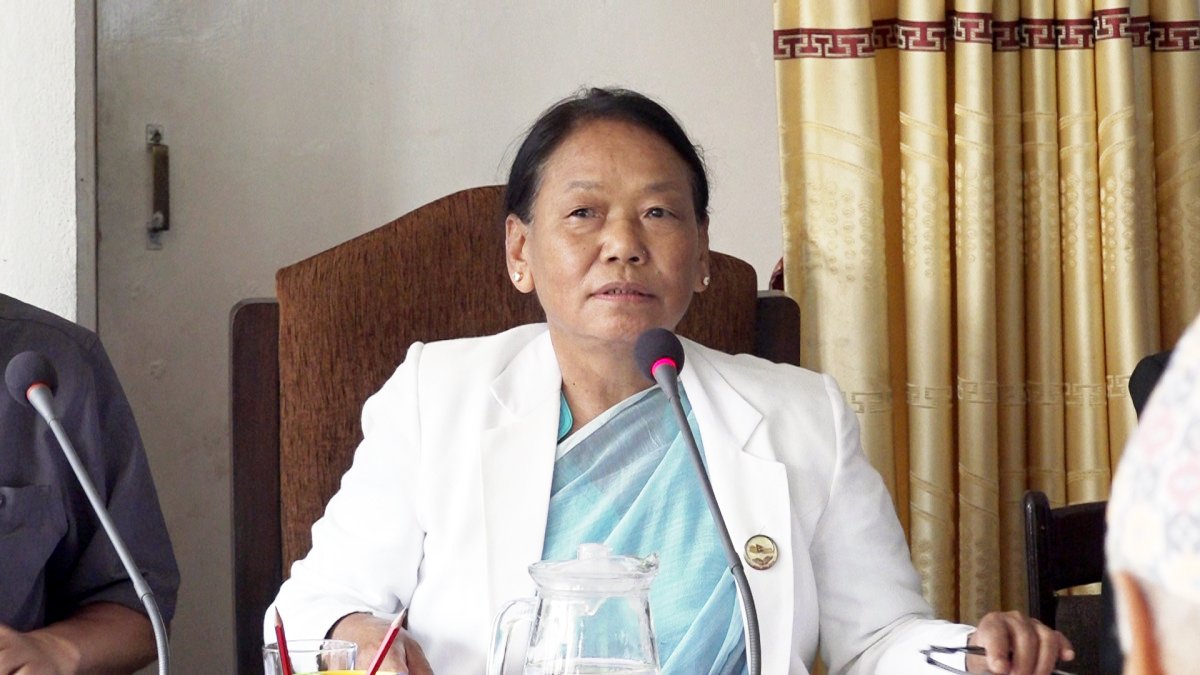
The Speaker of the Provincial Assembly, Nanda Gurung, said that although the constitution guarantees every child the fundamental right to live a safe, dignified, and opportunity-filled life, the situation of children has not improved significantly in practice.
'There are still many problems in the education, health, and upbringing of children,' she said, 'It appears that the state's activity needs to be further increased for the prevention of child marriage and access to justice.'
In her understanding, child marriage not only violates the basic rights of children but also promotes gender discrimination.
'Children born after illegal marriages before reaching the age of majority are not even registered, so they are deprived of the rights, education, health, and other services they should receive from the state,' she said.
At the discussion program, the Deputy Speaker of the Karnali Provincial Assembly, Yashoda Neupane, said that human rights are not just the right to live. She said, 'Human rights are the right of every individual to live a dignified, respectable, safe, and quality life.'
She stated that this includes the rights to education, health, equality, freedom, respect, security, opportunity, and personal development. 'In our country, due to various reasons, all these things cannot be guaranteed to the public,' she said, 'As a result, child marriage has been established as a serious violation of human rights.'
According to Deputy Speaker Neupane, child marriage remains a challenge in Karnali due to social, economic, and traditional reasons. 'This problem is further complicated by remote areas, illiteracy, poverty, and lack of awareness,' she said, 'To end this, along with legal implementation, education, public awareness, women's empowerment, and community participation are essential.'
This specific news has been automatically translated by AI. As a result, there may be some inaccuracies or language errors.