Proposed Chief Justice Manoj Kumar Sharma Clarifies Ncell Tax Dispute Verdict and Judicial Reforms


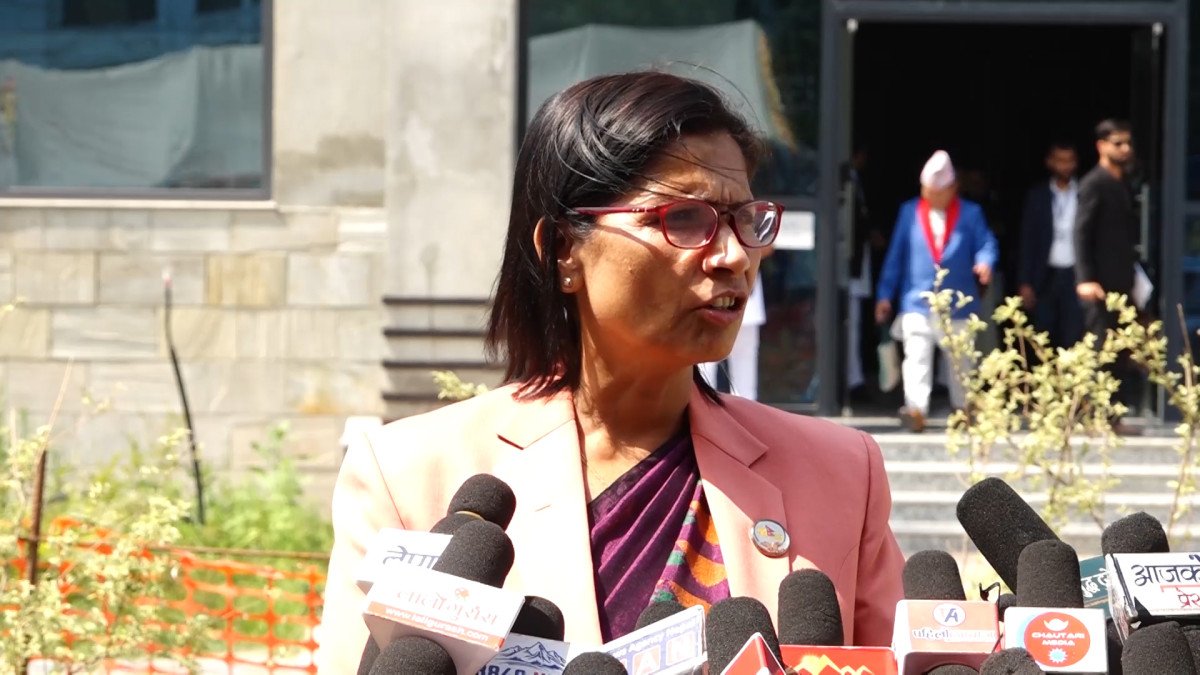
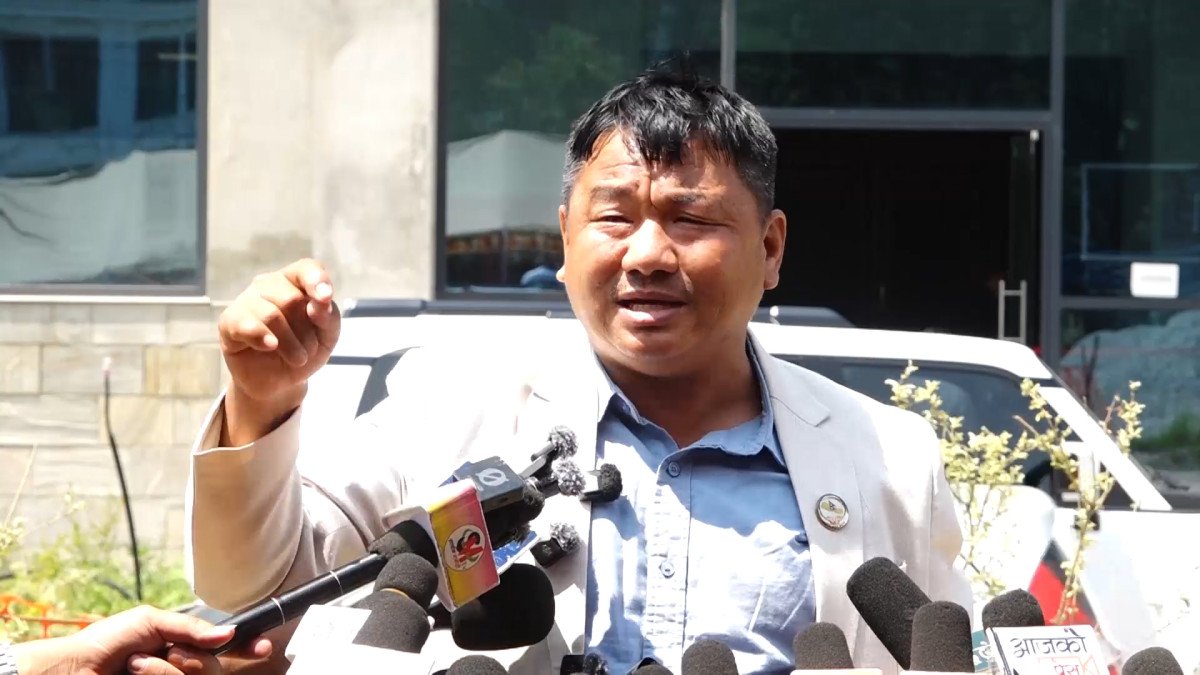
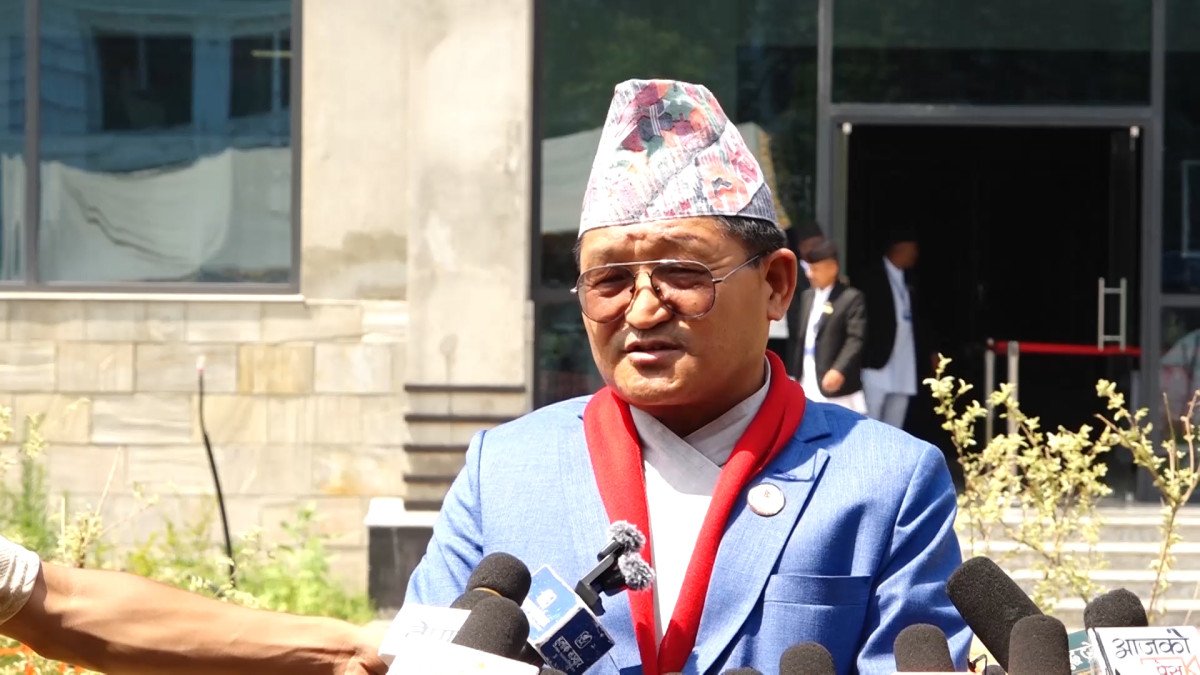
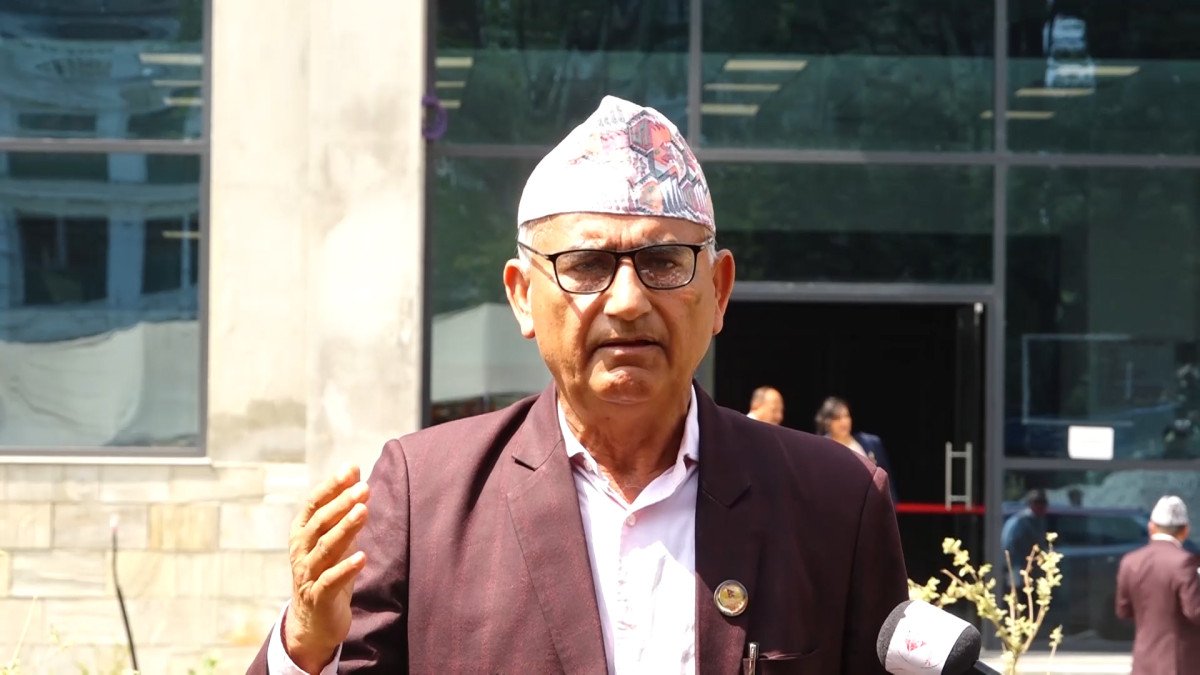
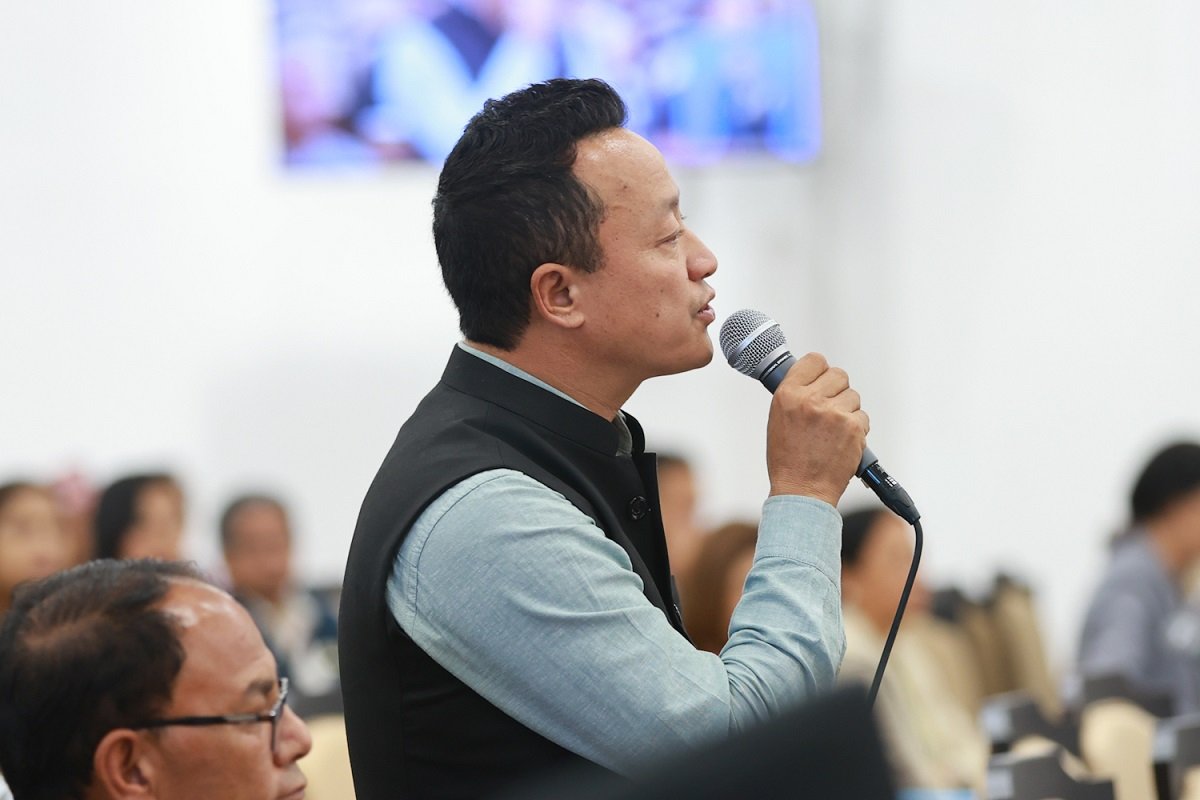
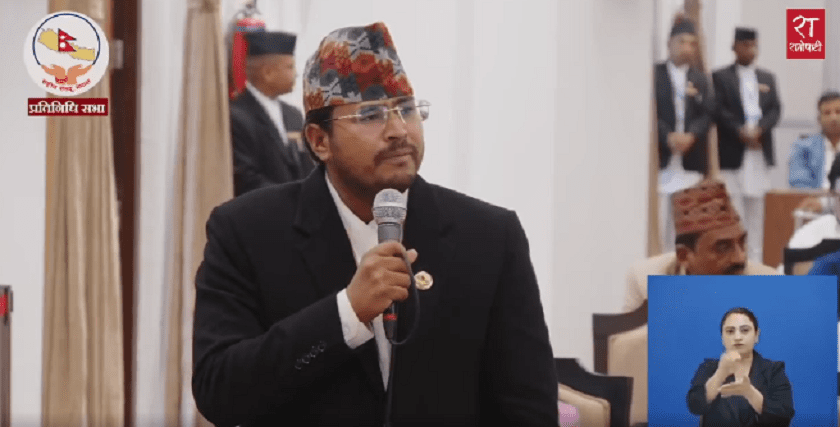
Kathmandu. Proposed Chief Justice Dr. Manoj Kumar Sharma has clarified his stance on the Supreme Court's verdict regarding Ncell's tax dispute and the judicial reform steps to be taken in the future. Responding to various questions raised by lawmakers during the meeting of the Parliamentary Hearing Committee, Dr. Sharma clarified that the decision on Ncell's tax liability and penalties was made solely based on legal and constitutional interpretations.
Speaking about Ncell's complaint, he stated that the court bases its decisions only on the constitution, laws, and established legal principles. He mentioned that Ncell's tax liability was shifted to the former share-purchasing company, TeliaSonera. Dr. Sharma further clarified that while regular taxes, penalties, and late fees remain unchanged, the strict penalty and imprisonment provisions under Section 120 of the Income Tax Act related to 'false statements' were not applicable in this case.
Dr. Sharma stated that the concept of a 'dedicated bench' and judicial tribunals has been included in his work plan to make justice delivery development-friendly. He argued for the necessity of specialized benches in high and supreme courts to hear commercial cases, with judges possessing expertise in such matters.
Similarly, Dr. Sharma expressed his commitment to making special efforts to adopt the 'pre-litigation mediation' system, prevalent in countries like the UK, for commercial and civil cases in Nepal. He noted that the use of technology would be the definitive solution to end corruption within the judiciary and the influence of middlemen.
Explaining the legal basis of the Ncell verdict, Dr. Sharma said, 'Ncell was not in a situation where it had to submit details, and the liability was created only after the Supreme Court's decision. In such a situation, imposing a penalty under criminal liability without giving an opportunity to be heard was not legally sound, hence only that part was removed.'
He stated that commenting externally on sensitive issues related to transitional justice, which are currently under consideration by the Constitutional Bench of the Supreme Court, would not be appropriate according to judicial decorum. Furthermore, he mentioned that the current misunderstanding between the bar and the bench could be resolved through administrative dialogue, and the court administration is fully autonomous regarding the registration of writs or rejection of applications.
Proposed Chief Justice Dr. Sharma assured his full commitment to ensuring easy access to justice for the general public and making the overall court administration technology-friendly.
This specific news has been automatically translated by AI. As a result, there may be some inaccuracies or language errors.