Parliamentary Debate on Pre-Budget Principles and Priorities


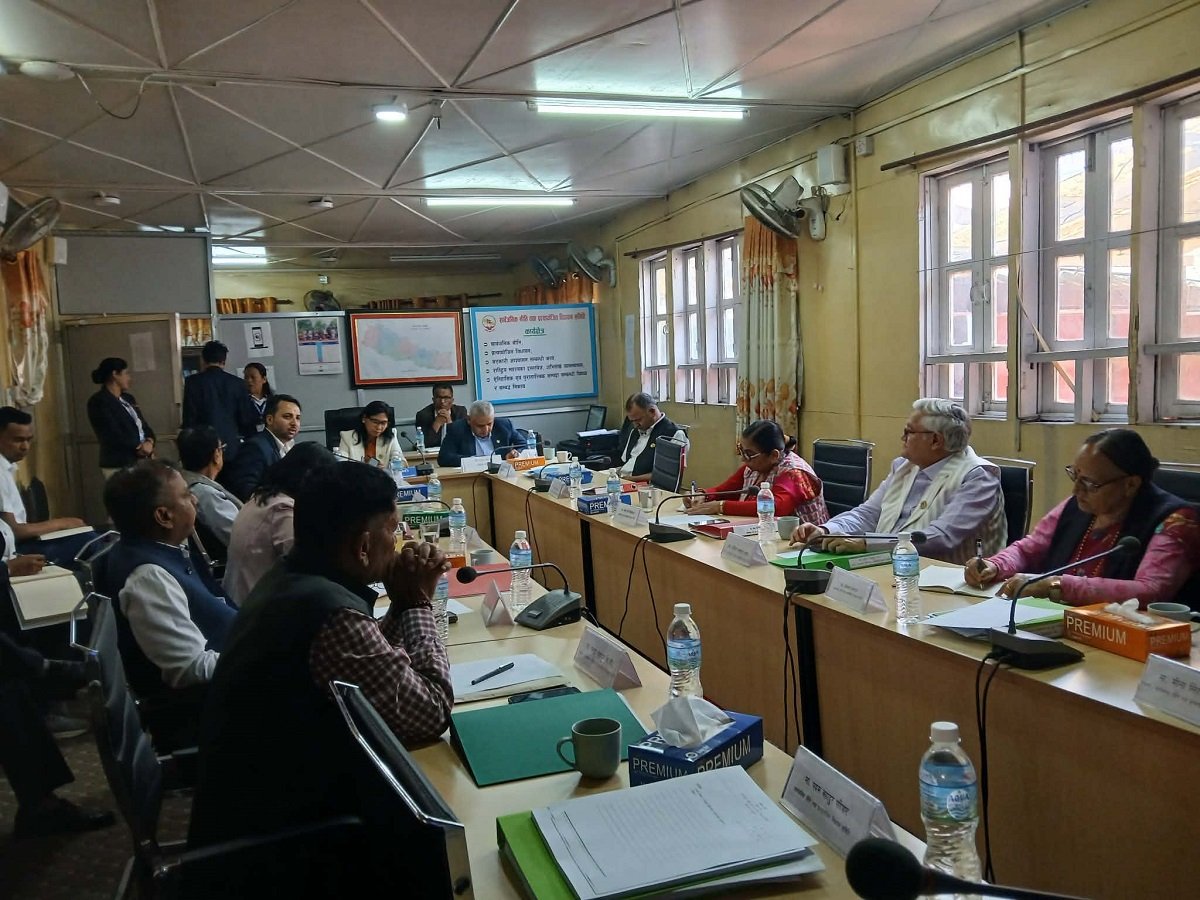
Kathmandu. A theoretical discussion has begun in the House of Representatives on the principles and priorities of the appropriation bill for the upcoming fiscal year 2083/84.
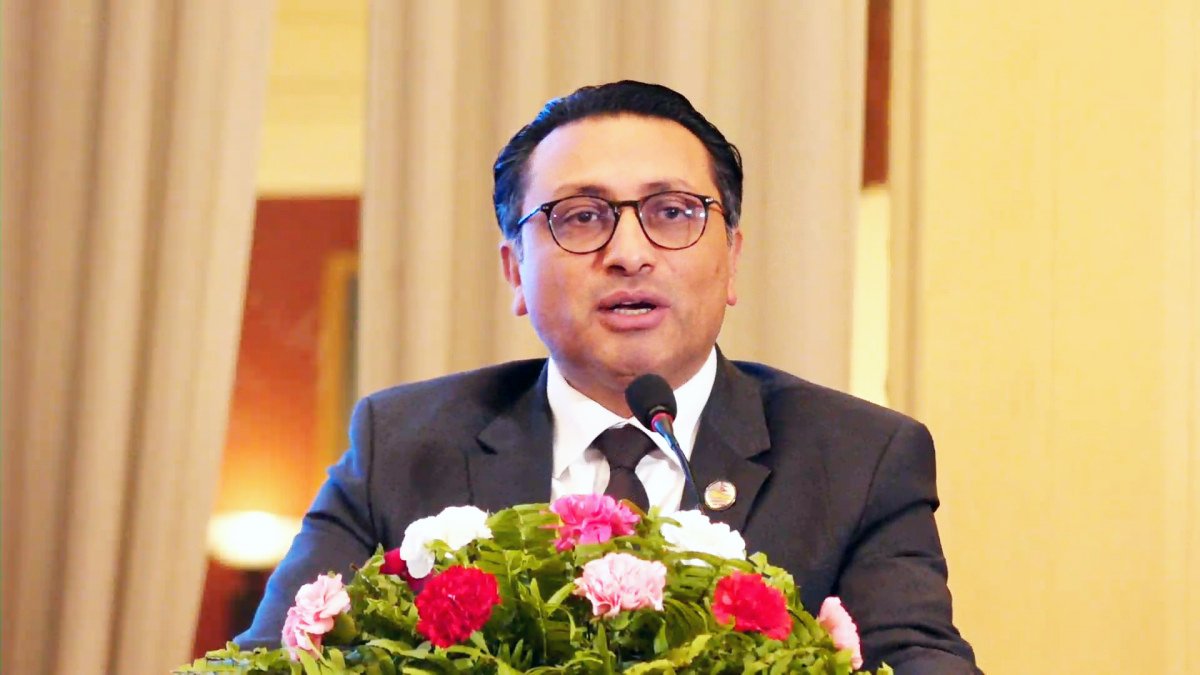
Lawmakers from both the ruling and opposition parties have discussed the pre-budget document presented in parliament by Finance Minister Swarnim Wagle. While the ruling party offered suggestions with support, the opposition parties have raised questions about the principles and priorities.
Opposition lawmakers have commented that while the document is excellent in terms of language, it does not align with the country's current economic realities, fiscal discipline, and structural problems.
Congress Emphasizes Fiscal Discipline and Private Sector Morale
The main opposition party, Nepali Congress, has emphasized improving fiscal discipline and private sector morale in the budget. In the discussion, Congress lawmaker Basana Thapa stated that the budget's principles and priorities lack concrete policy provisions to ensure fiscal discipline, manage rising public debt, and boost the declining morale of the private sector. She argued that the government's proposal misses the point of laying the foundation for sustainable economic growth.
“Our public debt has already occupied a significant portion of the Gross Domestic Product (GDP). The situation where the loans taken by the government are spent on general expenses rather than capital construction and productive sectors is a serious threat to the macroeconomy,” said lawmaker Thapa. “The budget's principles must present a clear and logical roadmap for debt management, expenditure reduction, and mobilization of internal resources. Attractive words and slogans alone will not fill the country's coffers.”
Thapa stressed the need to make the investment environment legally and practically more flexible to promote domestic investment and attract Foreign Direct Investment (FDI). She stated that despite sufficient liquidity in banks, the private sector is hesitant to invest due to policy instability and fear. She added that the government should adopt a policy of facilitation rather than control and discouragement of the private sector in the name of good governance.
She suggested that to create employment opportunities to stop youth migration, the principles should include policy arrangements for tax exemptions and concessional loans for innovations (startups) in the fields of industrialization, tourism, and information technology.
Alignment with Economic Model and Periodic Plan
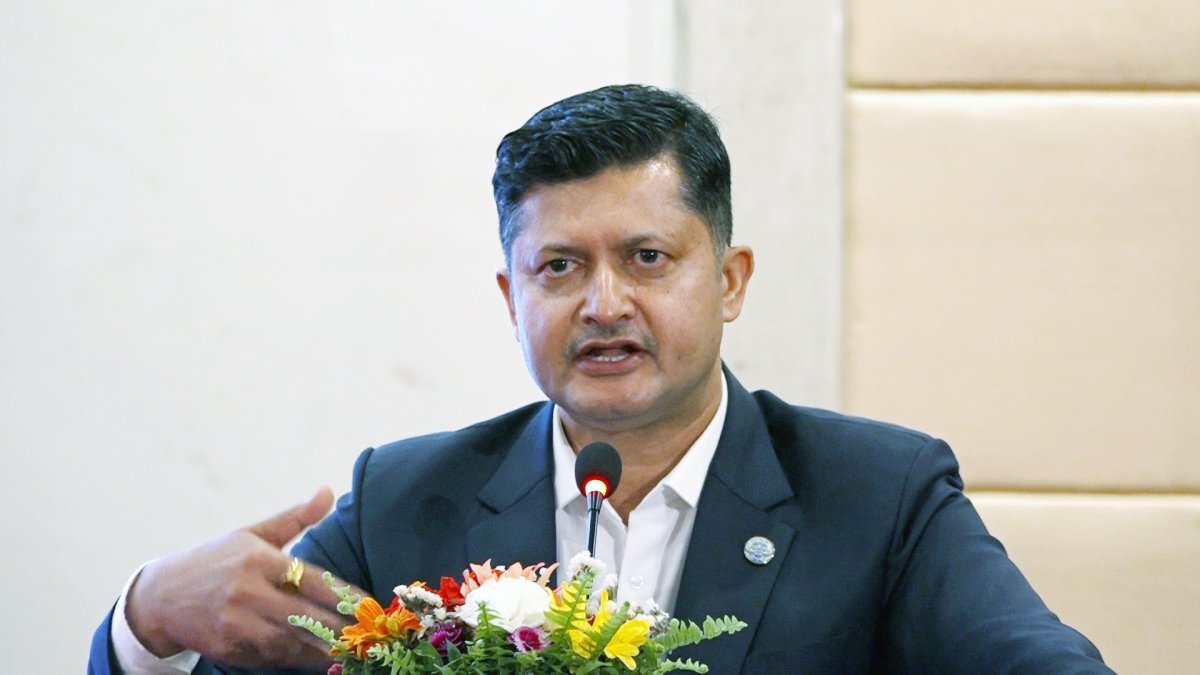
Lawmaker Pushparaj Kandel stated that the budget's principles and priorities should be linked to the periodic plan and the economic model envisioned by the constitution. He said that since the constitution envisions a three-pillar economy and a socialist-oriented economy, the budget's principles should serve as a guide for it.
“We are currently in the 16th Five-Year Plan. The budget's principles must be clear on how they will incorporate the 13 transformative areas set by the 16th plan,” said lawmaker Kandel. “The budget must be free from the disease of changing the country's core policy with every government and must be able to ensure policy continuity.”
He stated that the current document is not focused on achieving the national goal of 7% economic growth and increasing per capita income to $3,000 in five years. Acknowledging the reality of the economy being in a recession and the lack of an investment environment, he analyzed that the budget must take concrete steps to improve the business environment.
Kandel also raised questions about the theoretical aspect of good governance. He expressed concern that the phrase
This specific news has been automatically translated by AI. As a result, there may be some inaccuracies or language errors.