Parliamentary Effectiveness Hindered by Lack of Member Preparedness

Nepal's Federal Parliament stands at a crucial juncture. The beauty of democracy lies in representation, inclusivity, and the entry of new ideas. In line with this spirit, recent elections have ensured a significant presence of new, young, and energetic faces in parliament.
The public, weary of old ways, rigid mindsets, and passive politics, had placed their trust in the new generation. They expected new perspectives, robust debates, and people-centric decisions. However, the reality is different. They possess energy, but lack knowledge.
Parliament is not merely a platform for representation; it is the center of state governance. Every debate, decision, and process here is directly linked to the lives of the people. But when the representatives entering parliament lack adequate knowledge of parliamentary practice, rules, zero hour, special hour, and budget processes, the effectiveness of parliament automatically begins to weaken.
Parliamentary practice is not just the art of speaking and sitting. It is a disciplined process based on well-thought-out rules. How to raise an issue, how to support or oppose, how to use the rules, and how to follow the Speaker or Deputy Speaker's directives; these are all fundamental skills.
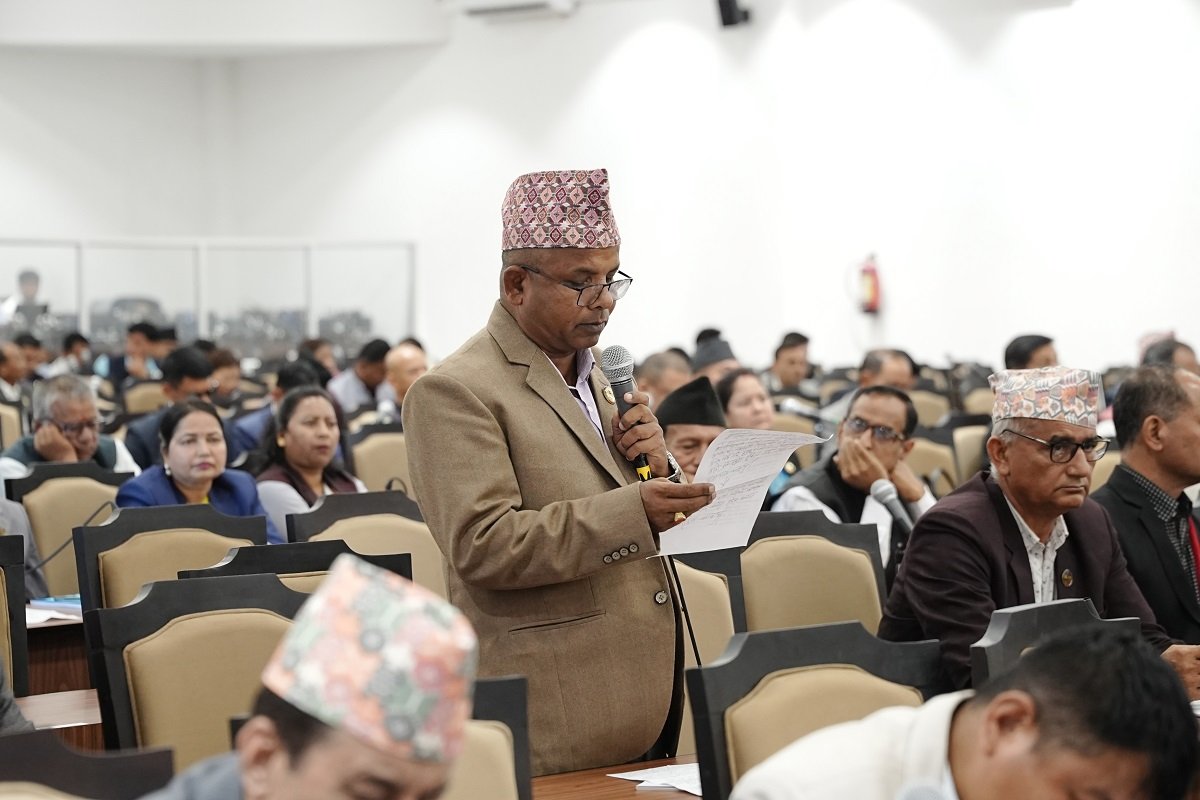
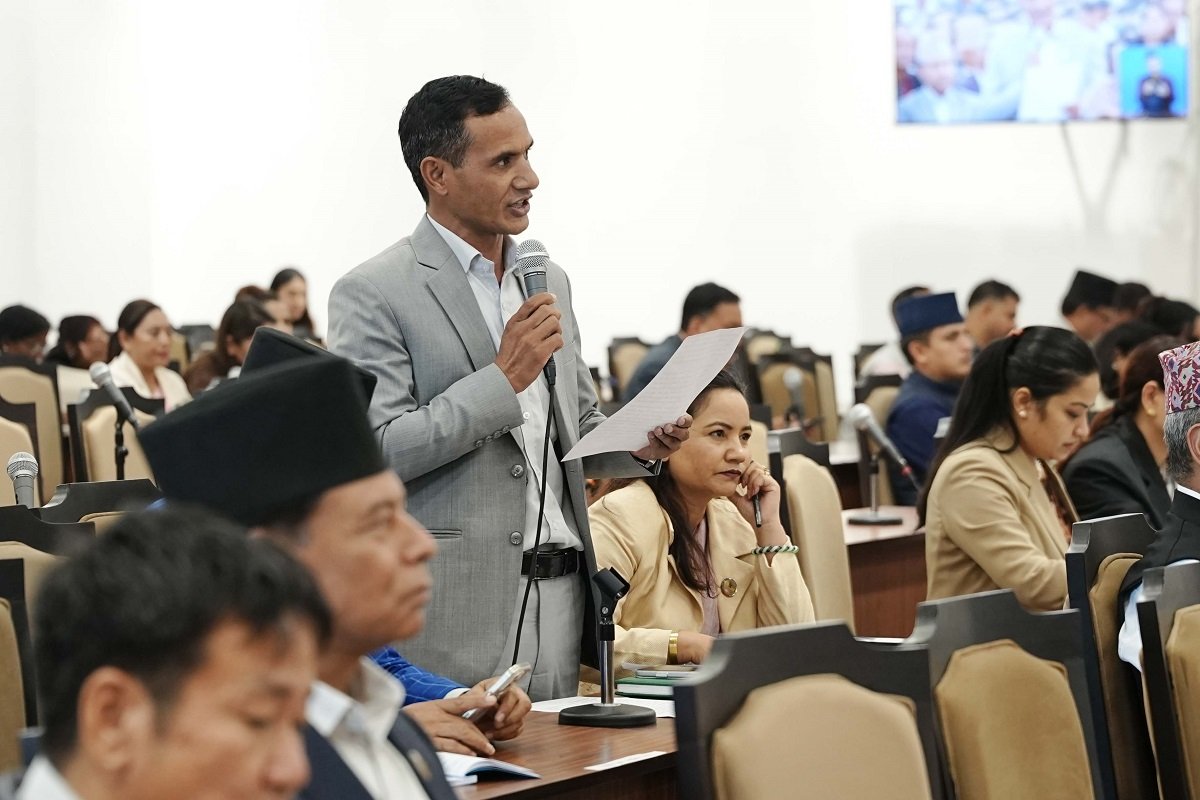
However, the presentations of some young MPs in parliament make it clear that they lack even these basic things. They are frequently seen deviating from the topic during debates, violating procedural rules, or failing to manage time. This is making parliament disorganized rather than effective.
The real power of zero hour lies in the seriousness and factuality with which it is raised in a timely manner. But when that is lost, its impact also diminishes.
Zero hour is a highly sensitive and important time in parliament. During this time, MPs can immediately raise issues of urgent public importance. It is a powerful tool used to hold the government accountable and to promptly represent the voice of the people.
However, recent practices show that the use of zero hour has not been as effective as expected. Some MPs raise issues without preparation, facts, or a clear objective. This has made zero hour more of a platform for formal expression than a forum for serious debate.
The real power of zero hour lies in the seriousness and factuality with which it is raised in a timely manner. But when that is lost, its impact also diminishes.
Similarly, special hour is another important dimension of parliament, where deep debates on national policy, long-term plans, and complex issues are expected. Here, MPs must present their views based on study, analysis, and facts.
But in current practice, special hour is also becoming superficial. Emotional expressions are dominating over facts, slogans over study, and criticism over analysis. This is making parliament reactive rather than a center of thought.
The core spirit of special hour is to contribute to policy-making. But when there is a lack of deep study, that spirit is lost. One of the most important debates in parliament is the budget debate. The budget is not just a statement of revenue and expenditure; it is a reflection of the government's priorities, development direction, and social justice.
But in today's situation, the discussion on the budget appears relatively weak. The presentations of some MPs indicate that they lack even basic information about the budget-making process, allocation system, and financial discipline.
Such debates require facts, statistics, analysis, and alternative proposals. But when these elements are missing, the debate becomes merely a formality. Is it unfair to explain this entire situation solely as the weakness of young MPs? Perhaps the real problem lies within the system?
Ultimately, the future of democracy depends on the quality of parliament. And the quality of parliament depends on the capacity of its members. If we do not take this reality seriously today, democracy will be even weaker tomorrow.
Political parties prioritized new faces but did not focus on their capacity development. After winning elections, MPs do not seem to have received adequate training on parliamentary practice, legislative process, and budget analysis.
Entering parliament is not the final goal; it is only the beginning of responsibility. But our political culture has made it seem like the ultimate achievement.
Now, parliament must be made capable. For this, some basic reforms are essential. For example, let's conduct mandatory orientation programs for new MPs. Let's provide training to MPs on parliamentary procedures, effective use of zero hour, and special hour. Let's make some institutional efforts to develop knowledge about budget analysis and public finance. Let's emphasize continuous capacity enhancement programs.
Nepal has given opportunities to the new generation, which is a positive sign towards the future. But if opportunities are not linked with capability, those opportunities can turn into risks. Energy is necessary, but knowledge to direct it is even more necessary. To make parliament effective, not just new faces, but capable leadership is needed.
Ultimately, the future of democracy depends on the quality of parliament. And the quality of parliament depends on the capacity of its members. If we do not take this reality seriously today, democracy will be even weaker tomorrow.
Therefore, some concrete steps must be taken to make parliament not just new, but capable. Otherwise, history will once again be written – we had energy but never preparation, we had parliament but never serious debate.
This specific news has been automatically translated by AI. As a result, there may be some inaccuracies or language errors.