European Oil and Gas Companies Report High Profits Amidst War and Price Hikes, Leading to Calls for Additional Taxes


Kathmandu. Major European oil and gas companies have made huge profits in the first quarter due to supply disruptions and sharp price increases in oil caused by the ongoing war in West Asia. With this, the demand to impose further taxes on their 'abnormal profits' from London to Paris has started to rise again.
'Shell' recently released its profits, stating that it earned a net profit of approximately 5.7 billion US dollars (about 4.8 billion Euros) in the first quarter, which is a 19 percent increase compared to the same period last year. According to the company, the increase in profits is due to high oil prices, improved refining margins, and trading activities.
Similarly, 'BP' has also shown a significant increase in profits, with its net profit reaching 3.84 billion dollars. TotalEnergies' profits have reportedly increased even more, rising by 51 percent to 5.8 billion dollars.
In contrast, the profits of American energy companies ExxonMobil and Chevron have decreased. According to experts, American companies have been affected by the time-lag effect in the derivatives market.
Oil Price Rise and Hormuz Crisis
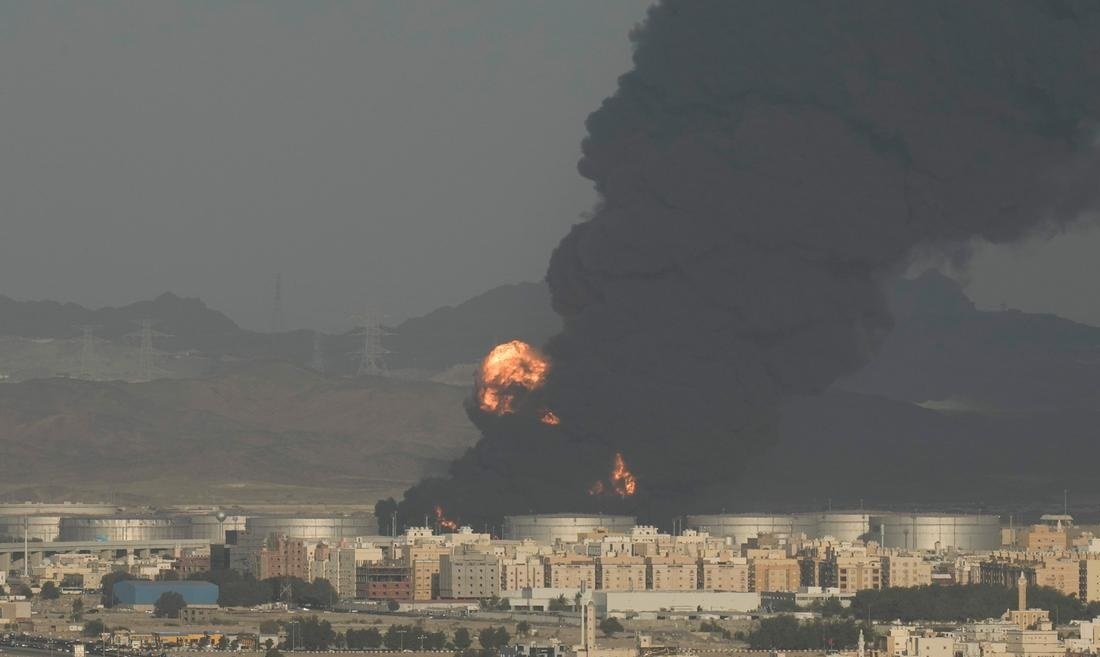
Due to the war in West Asia, global oil supply has decreased after Iran created disruptions in the Strait of Hormuz. This has rapidly increased prices. In March, the price of Brent crude oil averaged 100 dollars per barrel, and at times it reached up to 120 dollars. Before the war, this price was around 70 dollars.
According to analysts, European companies have benefited particularly because their trading activities are strong, enabling them to gain additional profits from market fluctuations.
According to an energy analyst, these companies have appeared more like 'complex traders in the global energy market than traditional oil companies' this quarter.
Growing Pressure for Taxation
Following high profits, the demand to impose additional taxes on the profits of oil companies has increased in Britain and France. Earlier, a similar 'windfall tax' was imposed after the Ukraine war.
In Britain, oil companies currently pay an additional 38 percent tax on profits from the North Sea region, which is applied along with the normal 40 percent tax. However, this tax is limited only to domestic production. Now, the demand to expand that tax is growing.
French President Emmanuel Macron has also stated that coordination at the European level is necessary to control excessive profits or 'speculative trading'.
Future Market and Energy Strategy
According to analysts, the companies' profits are likely to remain strong in the second quarter as the market is not expected to return to normal quickly.
However, in the long term, companies may focus on smaller, lower-cost, and faster-producing projects. Some companies have also indicated their intention to continue oil and gas production while reconsidering climate goals.
Meanwhile, the role of renewable energy in ensuring energy security has also started to be debated again.
This specific news has been automatically translated by AI. As a result, there may be some inaccuracies or language errors.