Parliamentary Committee Discusses Soaring Fuel Prices and Consumer Issues


Kathmandu. In the meeting of the Industry, Commerce and Labour and Consumer Interest Committee under the House of Representatives held on Tuesday, MPs criticized the government, stating that the excessive price hike of petroleum products has made the lives of common citizens difficult.
Stating that the direct impact of the fuel price hike is on transportation and daily consumer goods, the MPs demanded that the price be adjusted by finding alternatives.
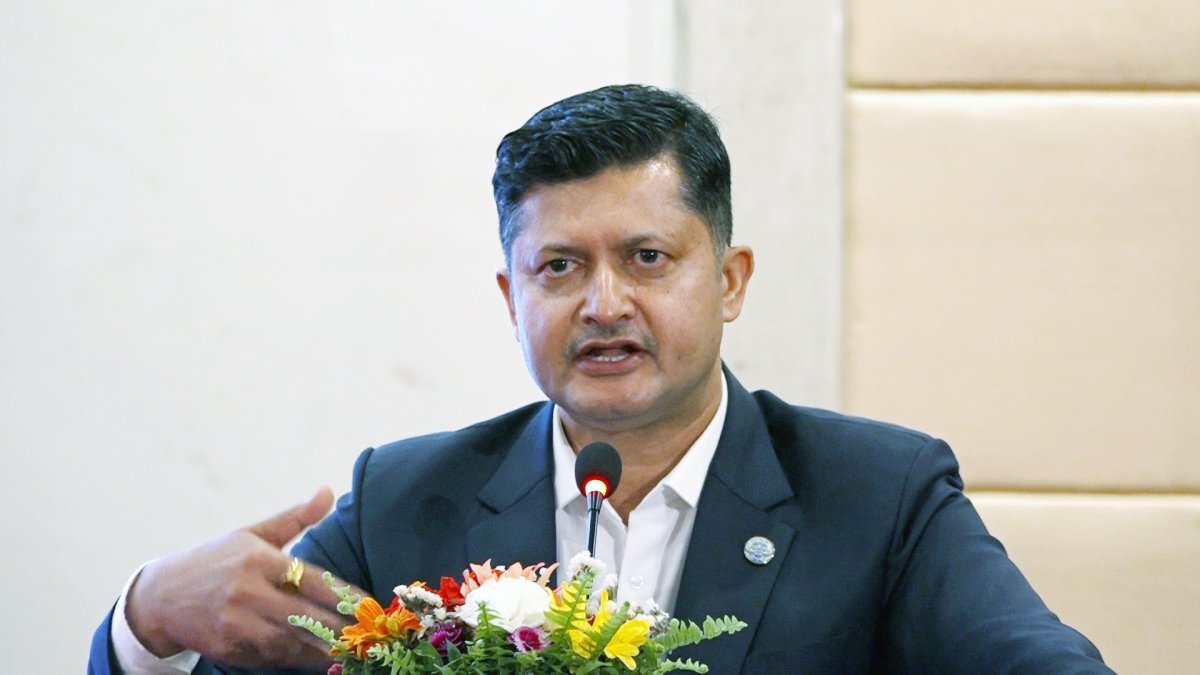
Speaking at the meeting, MP Prakash Singh Karki said that low-income citizens are in trouble due to the price hike of petroleum products. He argued that the government should control the current price hike by using the billions of rupees collected from the public in the name of the Budhigandaki Hydropower Project, which is lying idle in the fund.
‘It is uncertain when the Budhigandaki project will be built, but money has been collected from the public there,’ said MP Karki. ‘By using some amount from that fund, the current price should be adjusted to provide relief to low-income citizens. When fuel prices rise, all market goods become expensive, directly impacting the general public.’ He emphasized that the state should not make fuel only a means of collecting revenue.
Similarly, MP Prakash Pathak presented data showing that petroleum products are unusually expensive in Nepal compared to neighboring countries. He demanded an explanation from the government as to why Nepal bears such a high burden when prices rise in the international market.

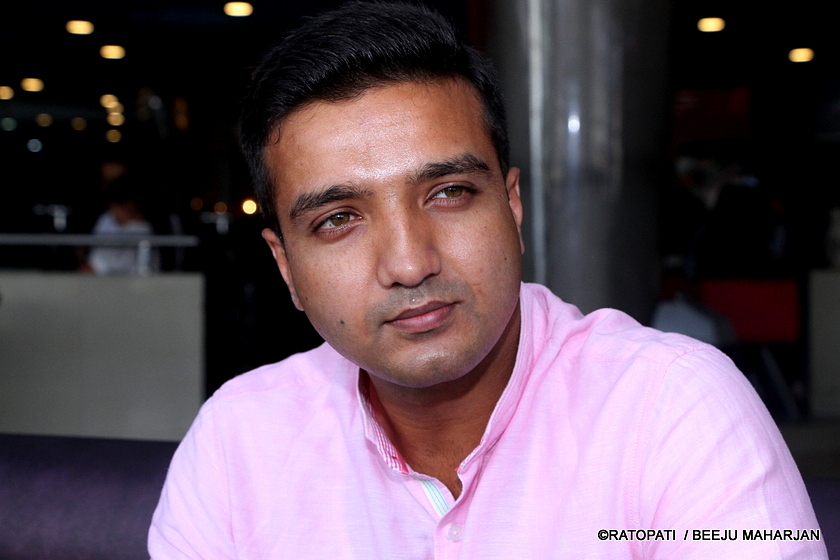
MP Pathak said, ‘Today, when the price in the international market is converted to Nepali rupees, the price of petrol in Nepal reaches Rs 219, while it is only Rs 150.96 in India, Rs 128 in Bangladesh, and Rs 102 in landlocked Bhutan. There is a huge difference of Rs 117 in petrol between Bhutan and Nepal alone. Why and how is this difference occurring?’
He stated that it is unfortunate that Nepal Oil Corporation is never seen in profit even with such high prices, and citizens always have to bear the brunt of price increases.
MP Pathak also raised questions about the safety and quality of cooking gas (LPG). Claiming that gas cylinders are unsafe, he said, ‘Various studies have shown that gas cylinders are extremely unsafe. There is a frightening situation where we might be sending bombs instead of gas to every household.’
Furthermore, he raised the issue of consumers being cheated financially due to the sludge inside gas cylinders. He said that there is 1 to 2 liters of sludge in the cylinder, and the public is forced to pay the price for it as if it were gas.
He demanded that the ministry take immediate steps for monitoring and management, asking why ordinary families should pay for the sludge caused by the production company's negligence. Similarly, MP Som Sharma also suggested that the government reduce the excessive tax imposed on petroleum products to protect the purchasing power of citizens.
Secretary Krishna Bahadur Raut's Response
Responding to the questions and grievances raised by the MPs, Secretary Krishna Bahadur Raut of the Ministry of Industry, Commerce and Supply clarified that the international market and past debt play a significant role in determining the prices of petroleum products.
Secretary Raut said, ‘We had implemented an ‘automatic price system’ for petroleum products. However, due to the Russia-Ukraine war, when prices soared in the international market, the Oil Corporation had to sell petrol at a loss of more than Rs 100 per liter.
Due to the huge loss at that time, the corporation still owes about Rs 15 billion to the Indian Oil Corporation.’
Providing information about the price of gas, he stated that the state is still bearing a loss of about Rs 100 per cylinder. He informed that it is becoming difficult to adjust prices as the amount in the price stabilization fund has also been exhausted.
Taking seriously the questions raised by the MPs regarding the safety and sludge in gas cylinders, Secretary Raut committed that strict measures would be taken through the Department of Quality and Metrology for quality control and monitoring.
He also said that the ministry would discuss policy matters such as using the Budhigandaki fund with the Ministry of Finance.
This specific news has been automatically translated by AI. As a result, there may be some inaccuracies or language errors.