Saudi Energy Minister Faces OPEC Unity Challenge Amidst Market Disruptions

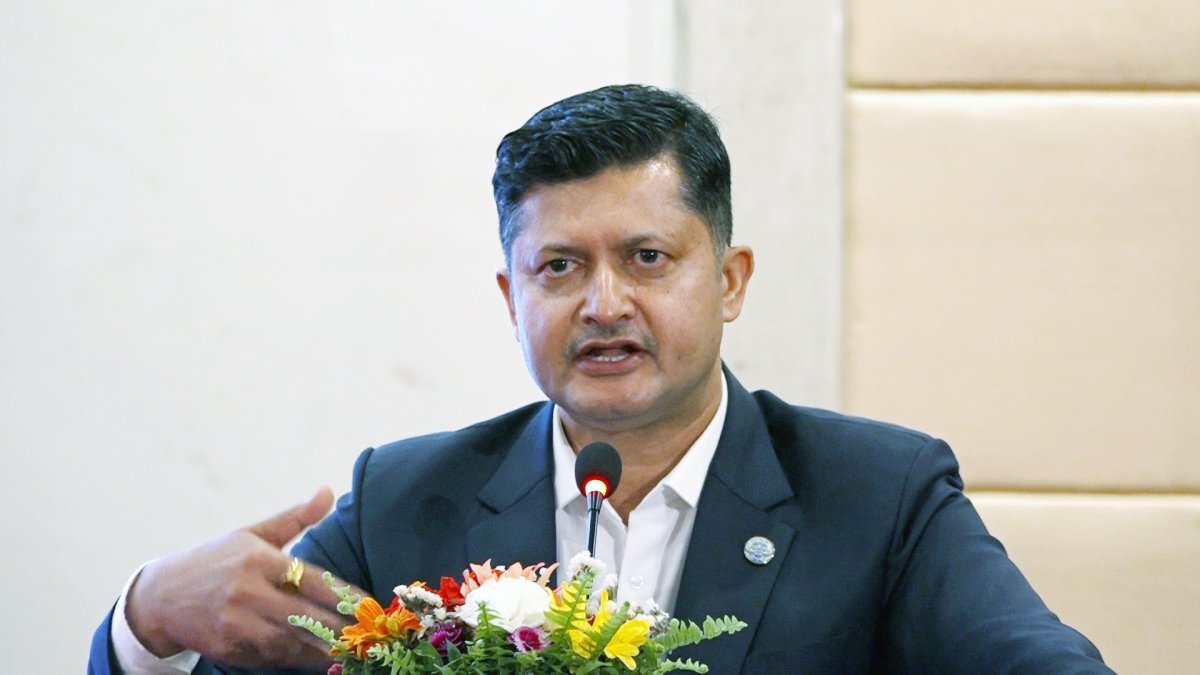
Riyadh. At a time when the global oil market is facing its biggest disruption ever, Saudi Energy Minister Prince Abdulaziz bin Salman (ABS) is faced with the difficult challenge of keeping OPEC united.
Crude oil exports from the Gulf region have almost come to a halt due to escalating tensions with Iran, and on the other hand, the United Arab Emirates (UAE), OPEC's fourth-largest producer, has announced its surprise departure from the group.
The departure of the UAE, which has the second-largest reserve production capacity after Saudi Arabia, raises serious questions about the working style of the Saudi prince and the future of OPEC. Saudi Prince Abdulaziz's working style appears very different and aggressive compared to past energy ministers.
His tendency to make unilateral decisions rather than engaging in diplomatic dialogue is analyzed as increasing dissatisfaction within OPEC. Although the UAE has been expressing dissatisfaction with its production quota for years, Saudi Arabia has been ignoring it.
Saudi Arabia has borne the main burden of production cuts to stabilize oil prices, but the lack of coordination with concerned countries has led to internal conflict.
For ABS, who became the 'don' of the oil market by winning the price war with Russia in 2020 and outright rejected former US President Joe Biden's pressure to increase production, the UAE's exit has proven to be a major setback.
Some OPEC representatives have complained that Saudi officials have recently been imposing final decisions without consulting smaller producing countries. They argue that such decisions made directly at the ministerial level, disregarding the advice of technical experts, have weakened institutional democracy.
Saudi Arabia has borne the main burden of production cuts to stabilize oil prices, but the lack of coordination with concerned countries has led to internal conflict.
The geopolitical competition between Saudi Arabia and the UAE has now spilled over into the oil market. The discord between these two countries, which began with the Yemen war, has now clashed over oil production quotas.
The UAE plans to invest $150 billion to increase its production capacity and aims to produce 6 million barrels of oil per day by 2027. This UAE strategy to increase production outside Saudi control could create new risks in the global market's oil price and supply balance.
Iraq and Kuwait have suffered the most export losses due to the Strait of Hormuz being closed due to Gulf tensions. Although Saudi Arabia has saved some exports through the Red Sea, the UAE's departure has weakened OPEC's unity and its ability to control the market.
This specific news has been automatically translated by AI. As a result, there may be some inaccuracies or language errors.