Former Finance Minister Rameshwor Khanal Discusses Nepal's Economic Challenges and Government Policies

_eNMG0GqcXY.jpg)
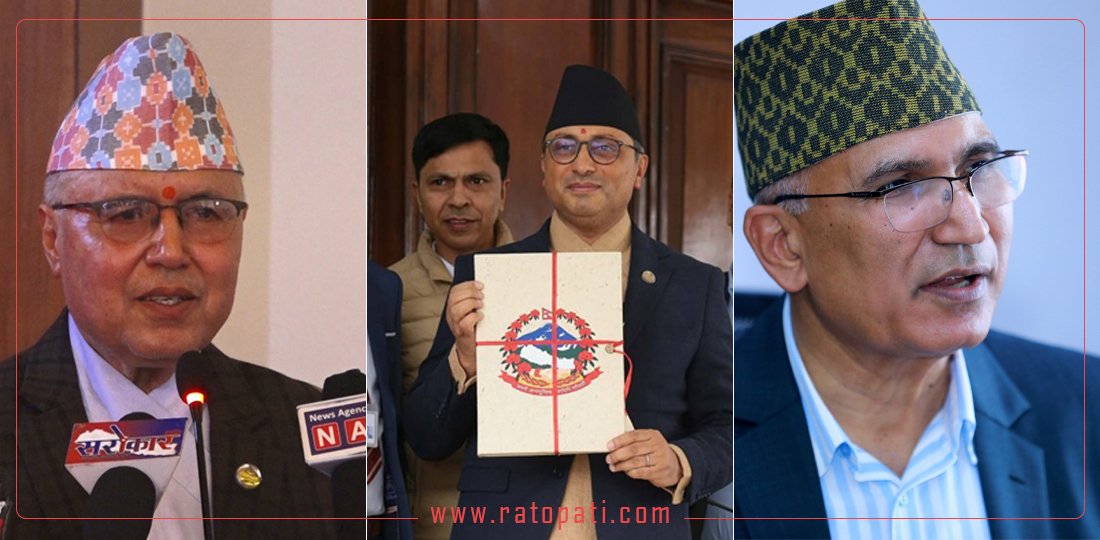
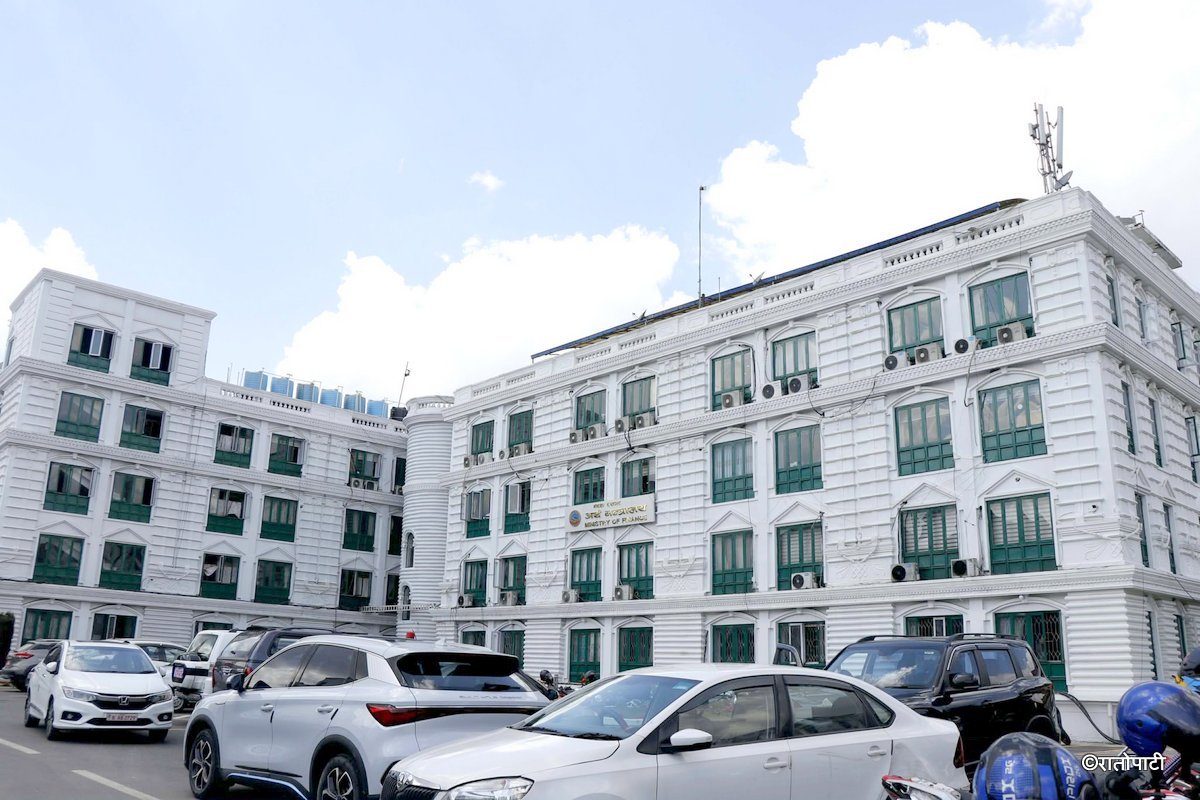
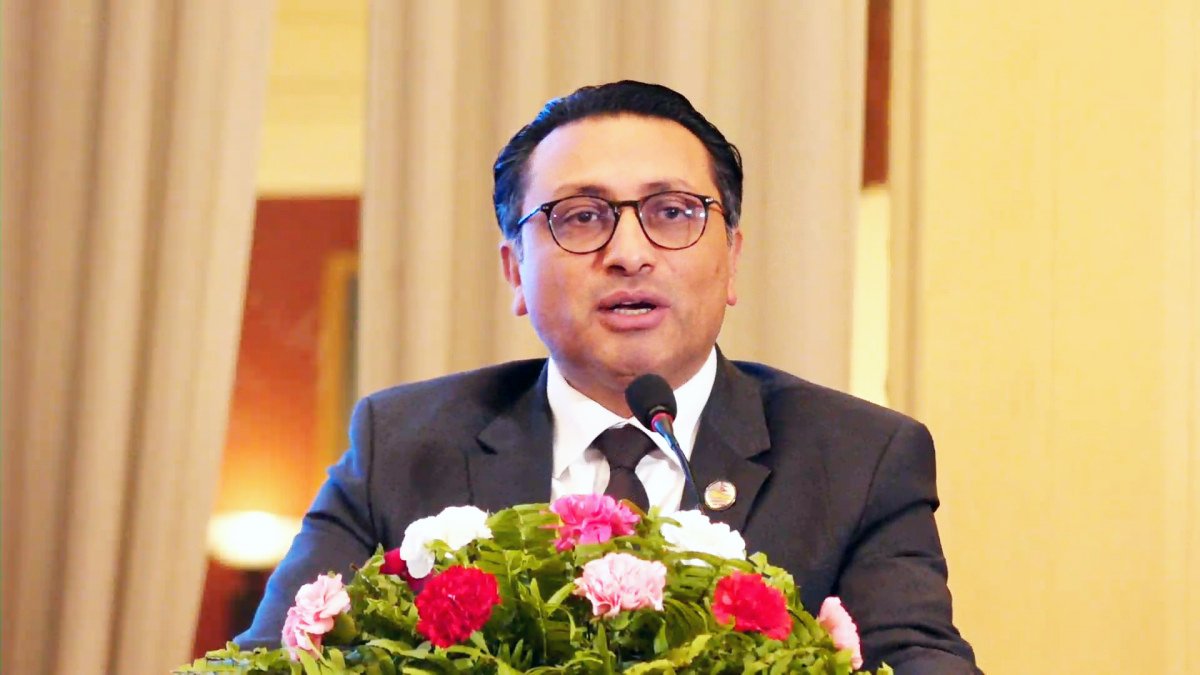
Kathmandu. Rameshwor Khanal, who has 31 years of experience in Nepal's civil administration, had the opportunity to manage the policy level of the bureaucracy and the political leadership (Finance Minister). He took charge of the Ministry of Finance during a period of extreme instability and economic crisis and went into the interim government. He also succeeded in bringing the economy back on track within a period of six months.
Currently, although the numbers in the country's economy appear positive, there is extreme stagnation in the market. Even though money is piled up in banks, investment is not happening due to the loss of confidence in the private sector. On the other hand, the new government has an ambitious action plan to build an economy of 100 billion dollars within five years. The government is arresting businessmen and middlemen.
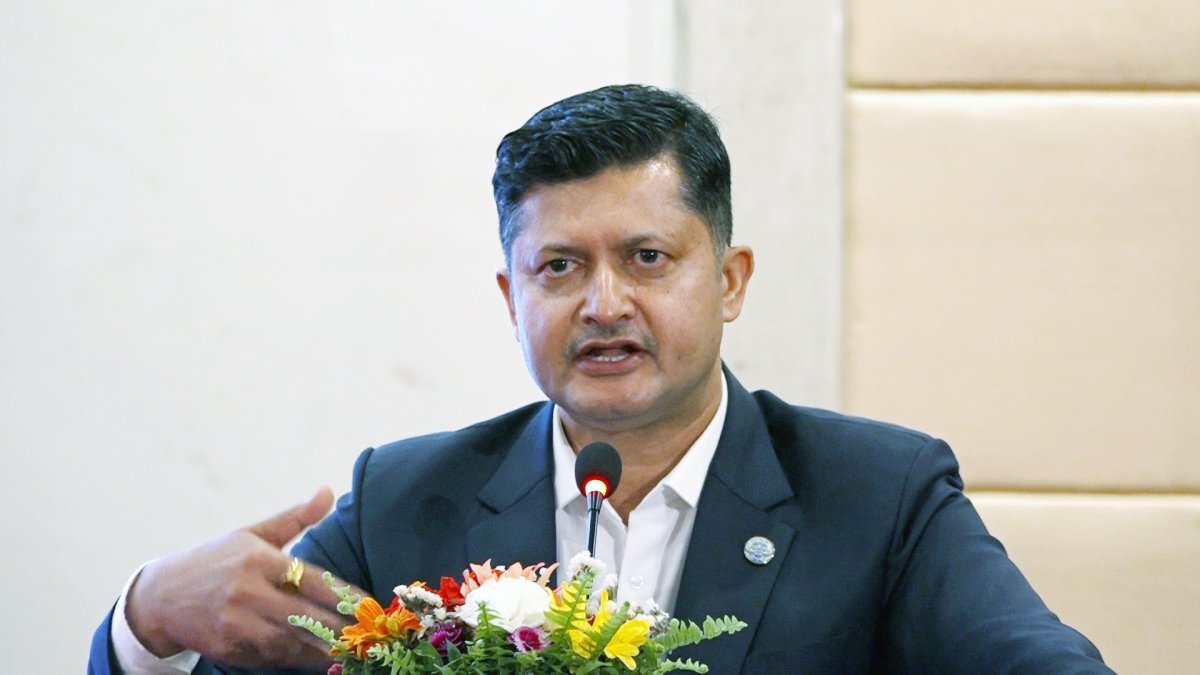
How to break this economic stagnation? How did the investigation into money laundering begin? How should the government advance it? From the campaign to remove slum settlements to the new provisions being made in the civil service act, and on pressing issues, what path should the state take? Rato Pati's Anish Mizar has a special conversation with former Finance Minister Rameshwor Khanal on contemporary political, administrative, and economic issues.
Are you satisfied with the work done during your six months as Finance Minister?
- If the leadership has integrity and does not reveal its self-interest. If that happens, and if people at the management level reveal their self-interest, try to create opportunities for personal gain, then work will not be done.
One can save oneself. To do that, in some situations, there is a possibility of others trapping you. One must be cautious about that. One must be a little clever. One must remain in integrity. If that happens, there is nothing impossible for any person in charge of any responsibility of the government.
For the first two months of the six-month period, the situation was such that everyone, both within and outside Nepal, concluded that Nepal had fallen into a vortex of instability and could not escape. We were not at all panicked.
That is a kind of confidence; if work is done with integrity, our institutions will work. Our manpower will also work. Our manpower is known as fighters since the British era, as Gorkhas, even outside Nepal. They work with honesty. They work hard, they don't shirk work. When the leadership is good, the manpower works.
Major decisions were made to manage government expenditure by cutting costs and managing projects. From the first week of Kartik, the private sector also started talking in a language of
This specific news has been automatically translated by AI. As a result, there may be some inaccuracies or language errors.