Franz Kafka: A Life of Alienation and Enduring Relevance


Franz Kafka was born in the city of Prague in 1883. His family was of German-speaking minority Jewish background. This identity of Kafka's family gave him a sense of alienation from the very beginning of his life.
Even among literary circles, he did not receive much acceptance. He had to carry the burden of pain throughout his life, even within his family. Especially his father's behavior towards him was not good. His father wished Kafka would become a businessman rather than a writer.
The income from writing was not enough to sustain Kafka's life. He worked in an insurance company from morning till evening. He dedicated only the remaining time to his own enjoyment. As soon as he got free from work, he would ride a motorcycle, go to the cinema, and visit the red-light district.
Kafka, who enjoyed traveling and playing, also visited Paris and Berlin. He enjoyed being among people. However, his experiences in relationships with women were not good. Social expectations also played a role in this. Kafka was uncertain about how much closeness a person with serious desires should maintain.
Kafka used to write in the evening or at night. He wrote some diaries, short stories, and novels. During his law studies, he met Max Brod. Brod later became Kafka's close friend. It was Brod who recognized the literary talent within Kafka. He also encouraged him to write and publish. Kafka, however, doubted his own writing ability.
He died of tuberculosis before his 41st birthday in 1924. He had asked Brod to burn all his writings after his death. But after Kafka's death, Brod did not burn his writings as per his wish.
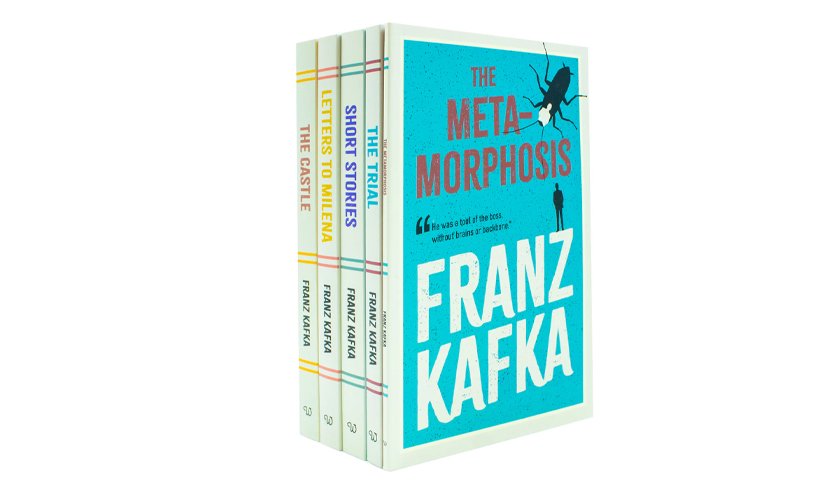
If he had burned them, a work like 'The Trial' would not have been published nor would it have reached our hands. Today, even Kafka's unfinished novel is extremely popular. 'The Trial' is the story of a man who is trying to defend himself. But he doesn't even know what mistake he has made. In Kafka's style, its story also does not end properly.
Nowadays, Kafka is read all over the world. In Germany, it is a mandatory part of the school curriculum. His popularity is also significant in Mexico, Colombia, India, and Argentina. Such a list can be very long.
Many international writers mention Kafka in their novels. They consider him one of the most important modern writers of the 20th century. Colombian writer and Nobel laureate Gabriel Garcia Marquez, who died in 2014, said that reading Kafka's 'The Metamorphosis' inspired him to write books.
A special adjective has been coined to describe Kafka's importance and characteristics. That is—Kafkaesque. That adjective is not limited to the English language. It is also used in German, Korean, Turkish, French, Japanese, Russian, and Italian languages. It means something that is very strange and difficult to understand, hence frightening.
Kafka wrote about timeless themes in his stories. He wrote about the labyrinth of bureaucracy and the pain of struggling with the state or any regime. He put the experience of such pain into words. Another Colombian writer, Hernan D. Caro, asked a question in a podcast called 'Being Kafka'. In it, he questions whether the works of famous writers are inspired by dreams or, rather, nightmares.
Kafka's stories often revolve around human experiences. He poetically describes the feeling of being lonely, helpless, and powerless. All these experiences are universal. People all over the world may have had such experiences in all eras. The sensitivity seen in Kafka's writing feels just as relevant today as it did in the past.
Such empathy exists worldwide. Diverse cultural perspectives or political structures do not make much difference. This is why Kafka is still read in all countries today. He is understood equally everywhere.
The language in his writing is also easily understandable. This makes it easy for translators as well. According to Caro, this also makes it easy to read and understand Kafka in many languages. Not only this, but Kafka has also given a lot to the writers who came after him.
He showed how to write easily on unusual topics. He showed that unusual and abnormal contexts within subjects considered abnormal in daily life can be explored.
Nazi Germany did not have a good view of Kafka's books. They tried to burn and ban them whenever possible. At that time, Kafka was much more popular outside Germany.
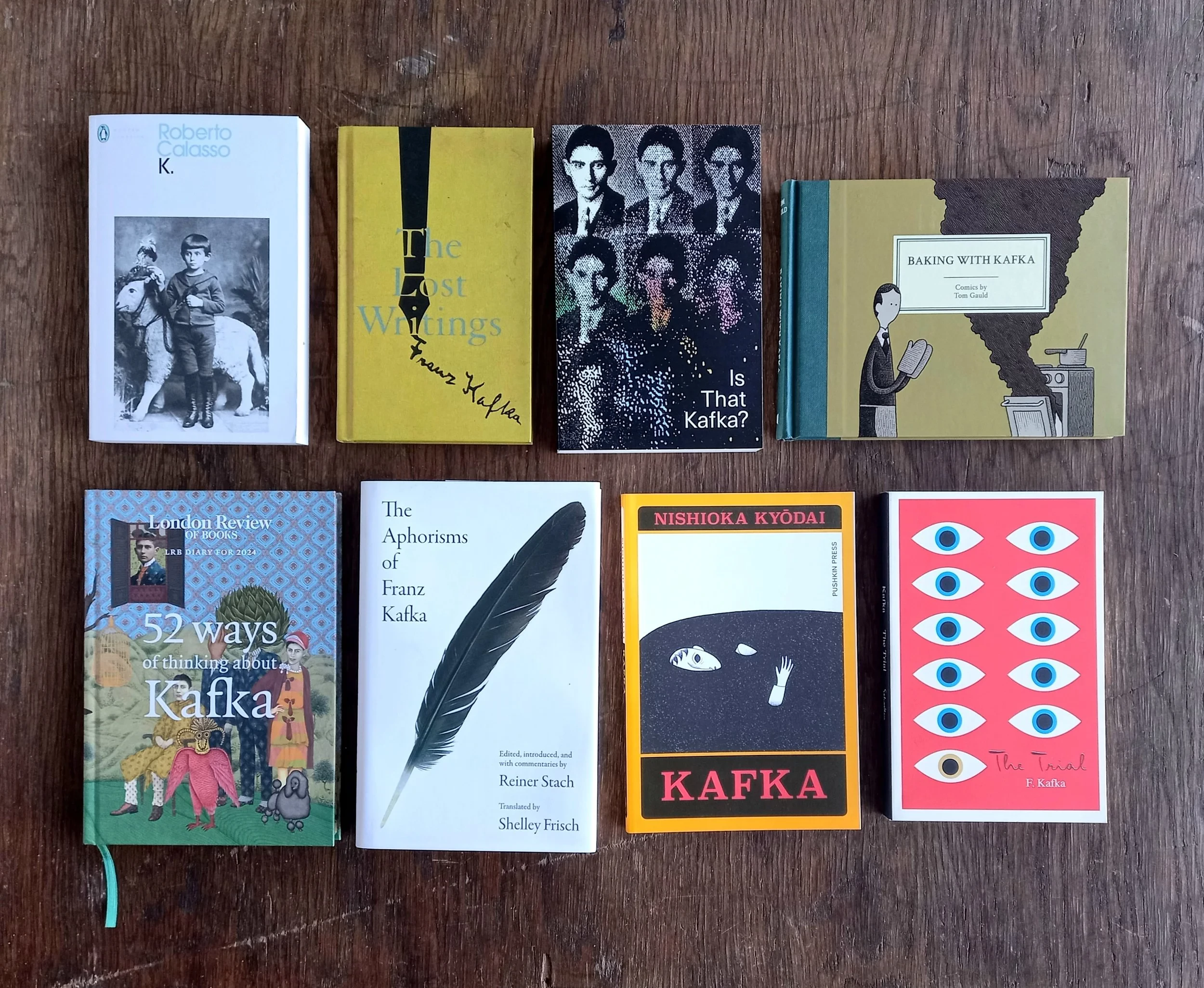
Kafka is also found extensively in social media memes. Especially the context of Gregor Samsa from the book 'The Metamorphosis' transforming into another disgusting and frightening insect-like creature is often discussed.
Young people today still exchange or promote Kafka's quotes on TikTok and Instagram. Birthday cakes resembling Kafka are made. They are posted online. In various ways, the current generation remembers and discusses Kafka.
Kafka can attract young people because they often find themselves in conflict with power and authority. Sometimes they feel defeated, tired, and helpless, like Kafka's characters. The issues raised by Franz Kafka feel alive even in today's context.
Exclusion, alienation, marginalization, and questions of identity are still burning issues today. Even 100 years after the author's death, the subjects he wrote about, the contexts he raised, and his style still feel alive and relevant. Perhaps this is why people still seek out and read Kafka so much today.
This specific news has been automatically translated by AI. As a result, there may be some inaccuracies or language errors.