Trade Union Federation Warns of Strong Protest Against Attacks on Workers' Rights


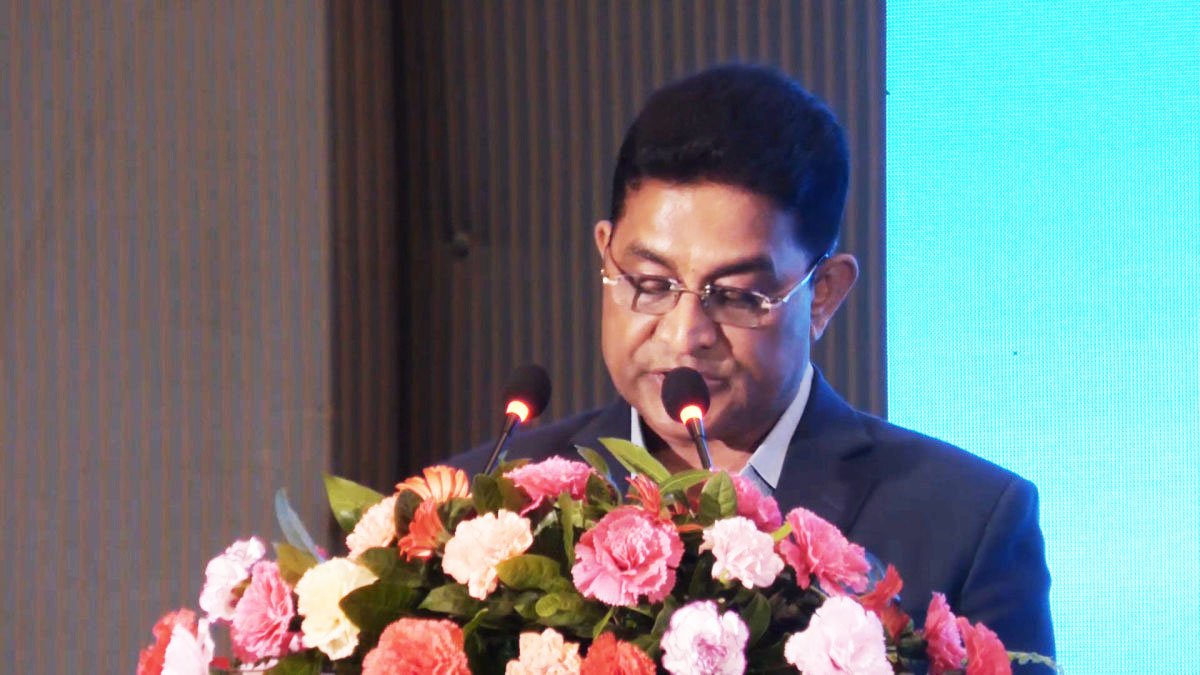
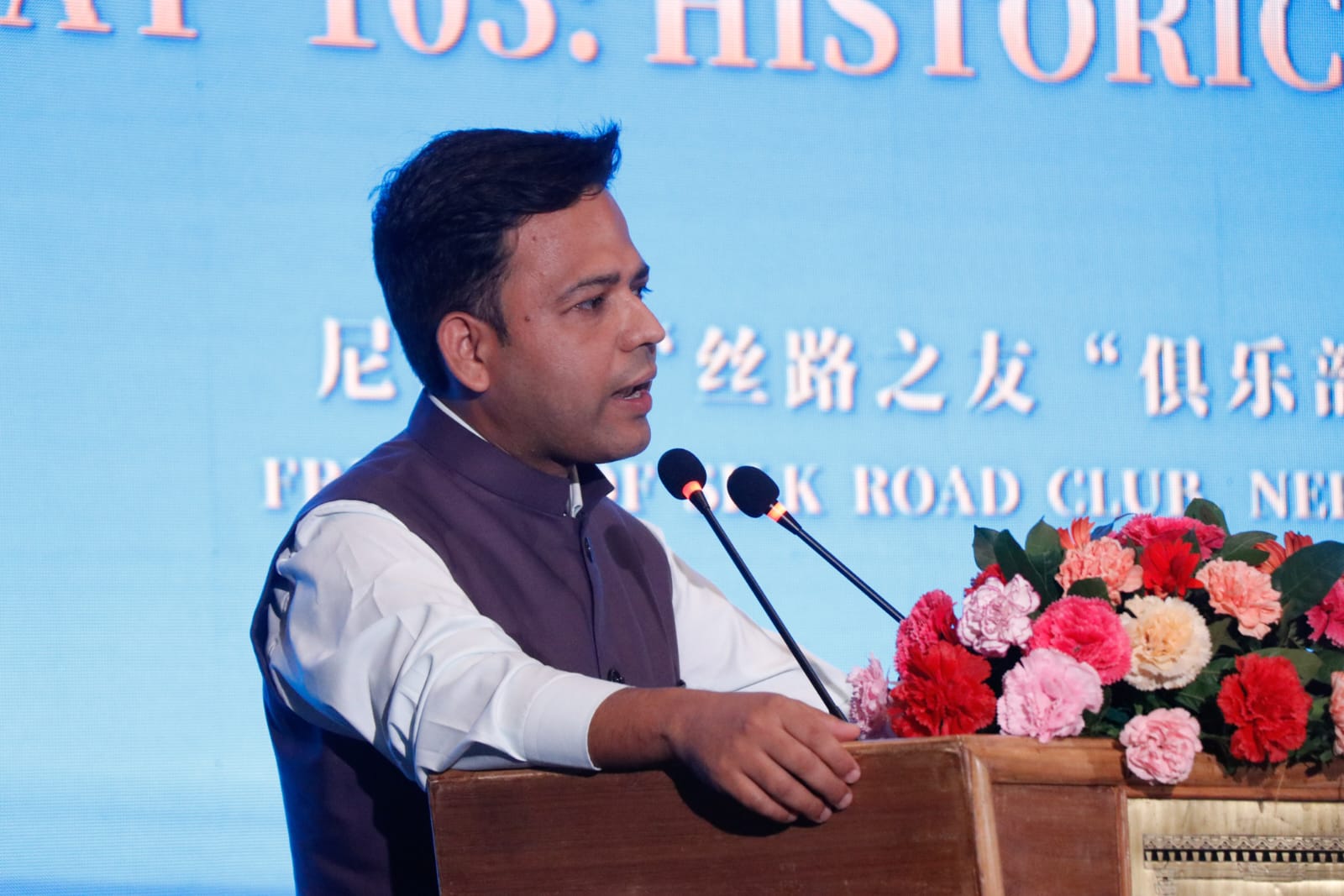
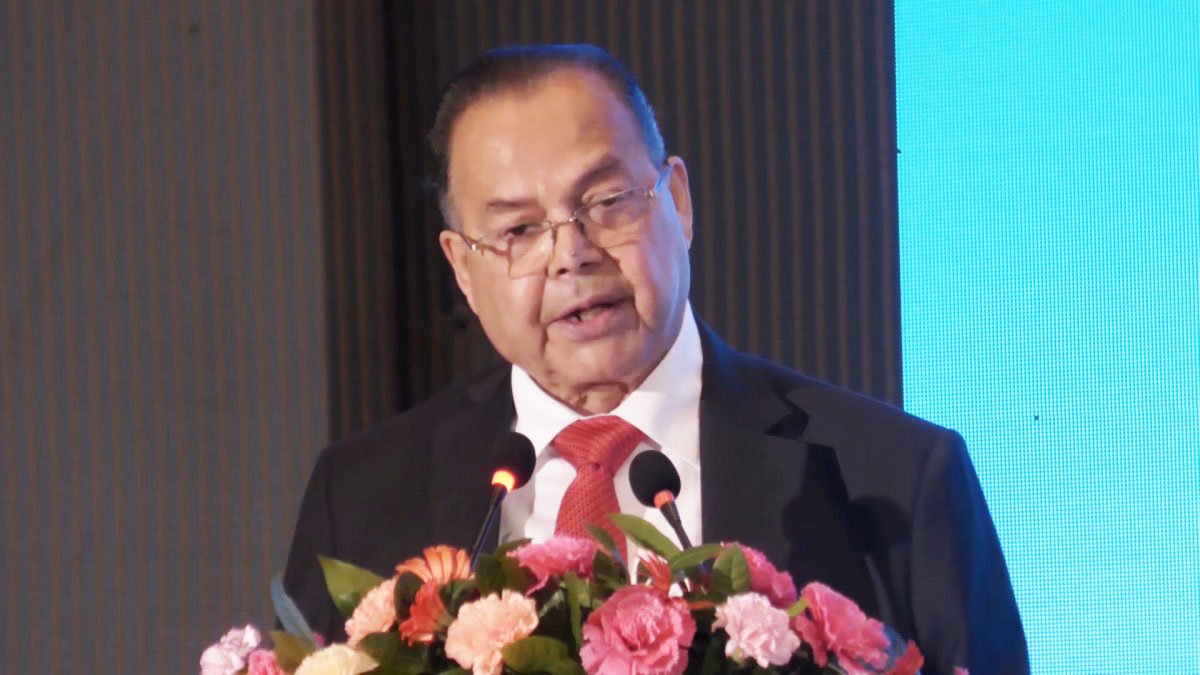
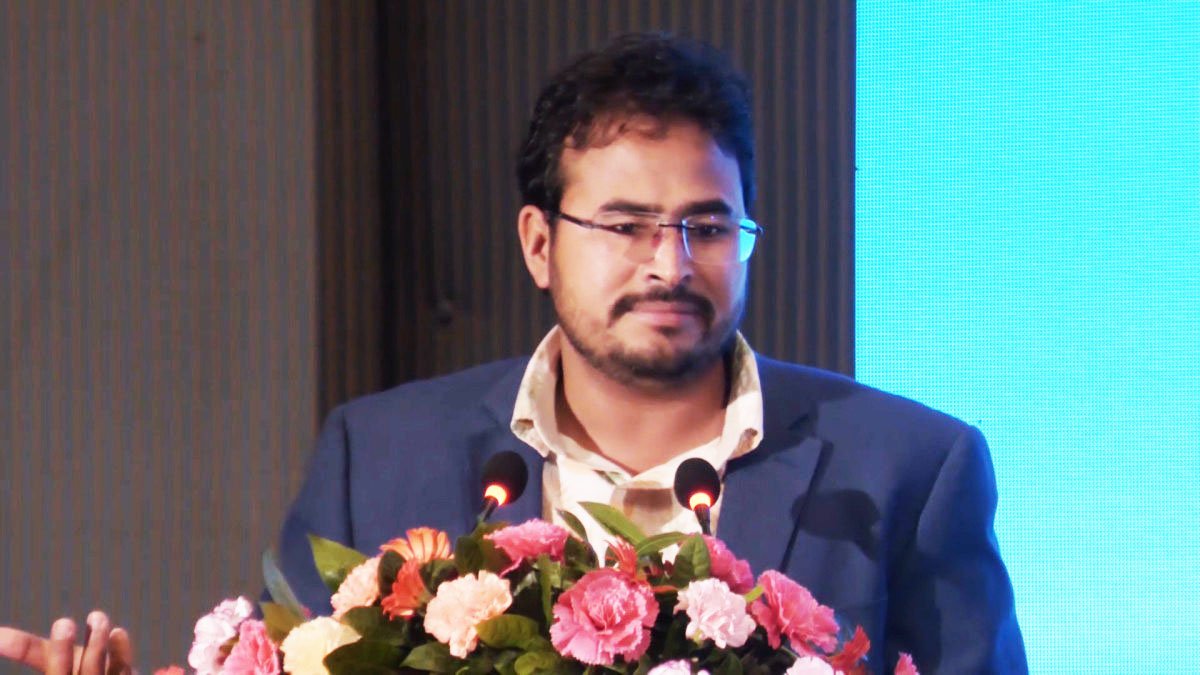
Kathmandu. All Nepal Trade Union Federation Chairman Jagat Bahadur Simkhada has warned of a strong protest against the attacks on workers' rights and the trade union movement in the name of populism. He expressed this view while addressing a program organized on the occasion of the 137th International Workers' Day (May 1).
Chairman Simkhada recalled that the working class shed blood and sweat in Nepal's democratic movement, and accused those who are now bulldozing the huts of those very workers and trying to ban trade union rights of fascist thinking. He expressed concern that workers are being made modern slaves in the name of the recently developed digital economy and 'gig economy'.
He argued that a game is being played to make workers working as riders, online vendors, and outsourcing jobless by keeping them outside the scope of the Labor Act. He demanded that the government abolish the anti-worker provisions of the Labor Act. In particular, he emphasized that the provisions of Section 145 (Deduction), Section 109 (Transfer), Section 39 (Reserve), and Section 58 (Outsourcing) of the Labor Act, which are anti-worker, should be removed immediately.
Mentioning that it is difficult to sustain life with the minimum wage due to rising inflation and petroleum price hikes, Simkhada demanded that the state increase salaries and allowances scientifically and guarantee quality education and health for the children of workers.
"The workers who brought about the federal democratic republic by shedding blood are now having their rights bulldozed by right-wing forces wearing the mask of populism," he said. "Workers who contribute 29 percent to GDP are only considered by the state as machines for printing foreign currency. The state itself should be the main employer of workers going for foreign employment, and the government should take 100 percent responsibility for their security."
He also announced that the upcoming movement would not be limited to industries and factories but would expand to the streets, parliament, and digital platforms.
This specific news has been automatically translated by AI. As a result, there may be some inaccuracies or language errors.

_Y03gLkOgqA.jpg)