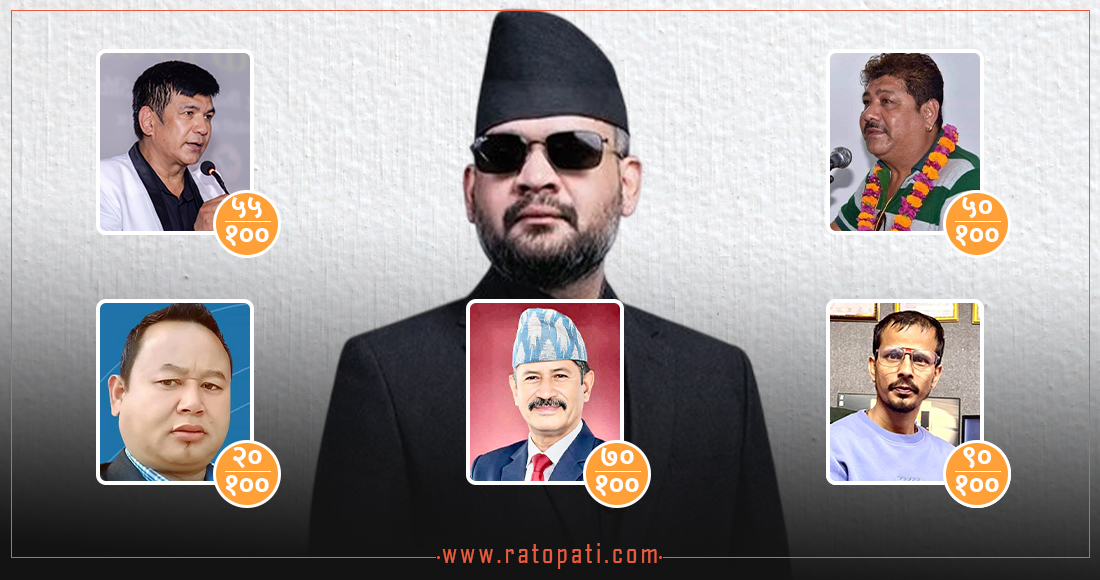
Gyanendra Shahi: Nepal Should Not Imitate Foreign Development Models

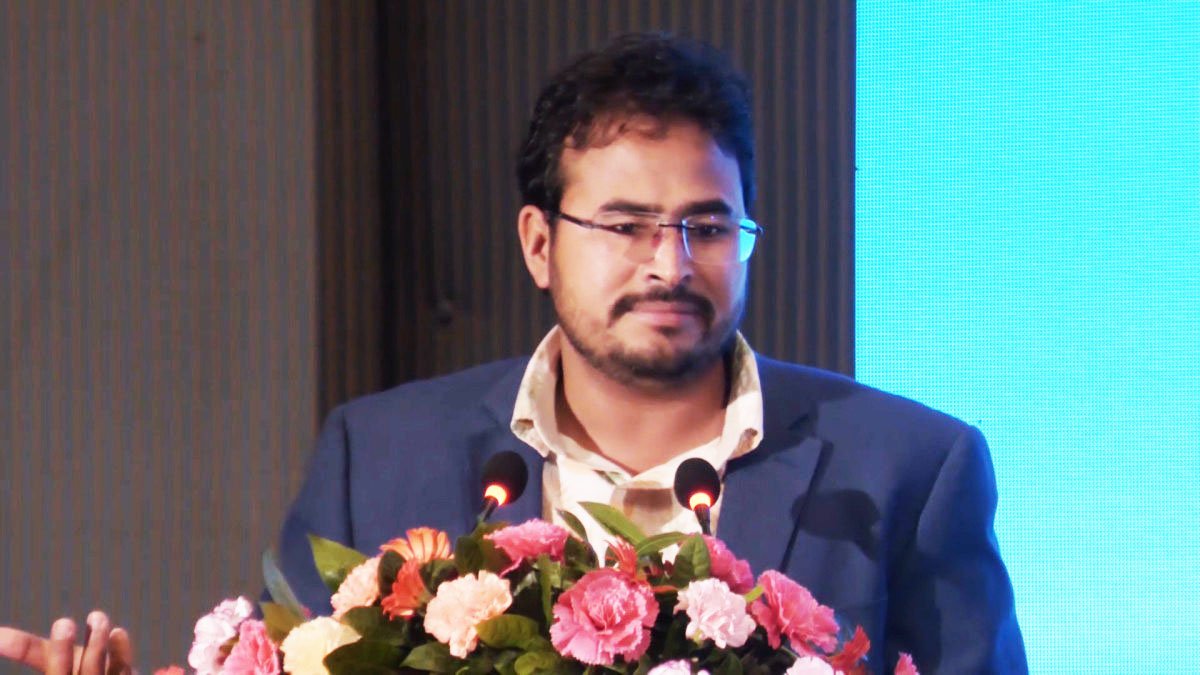
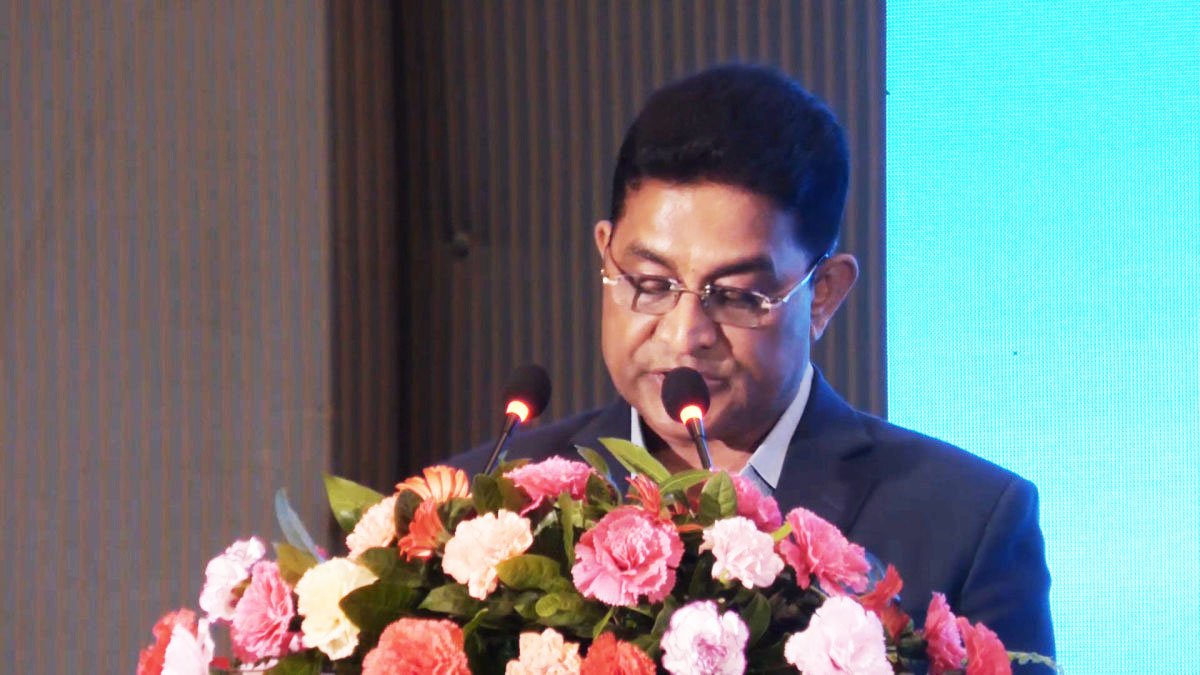
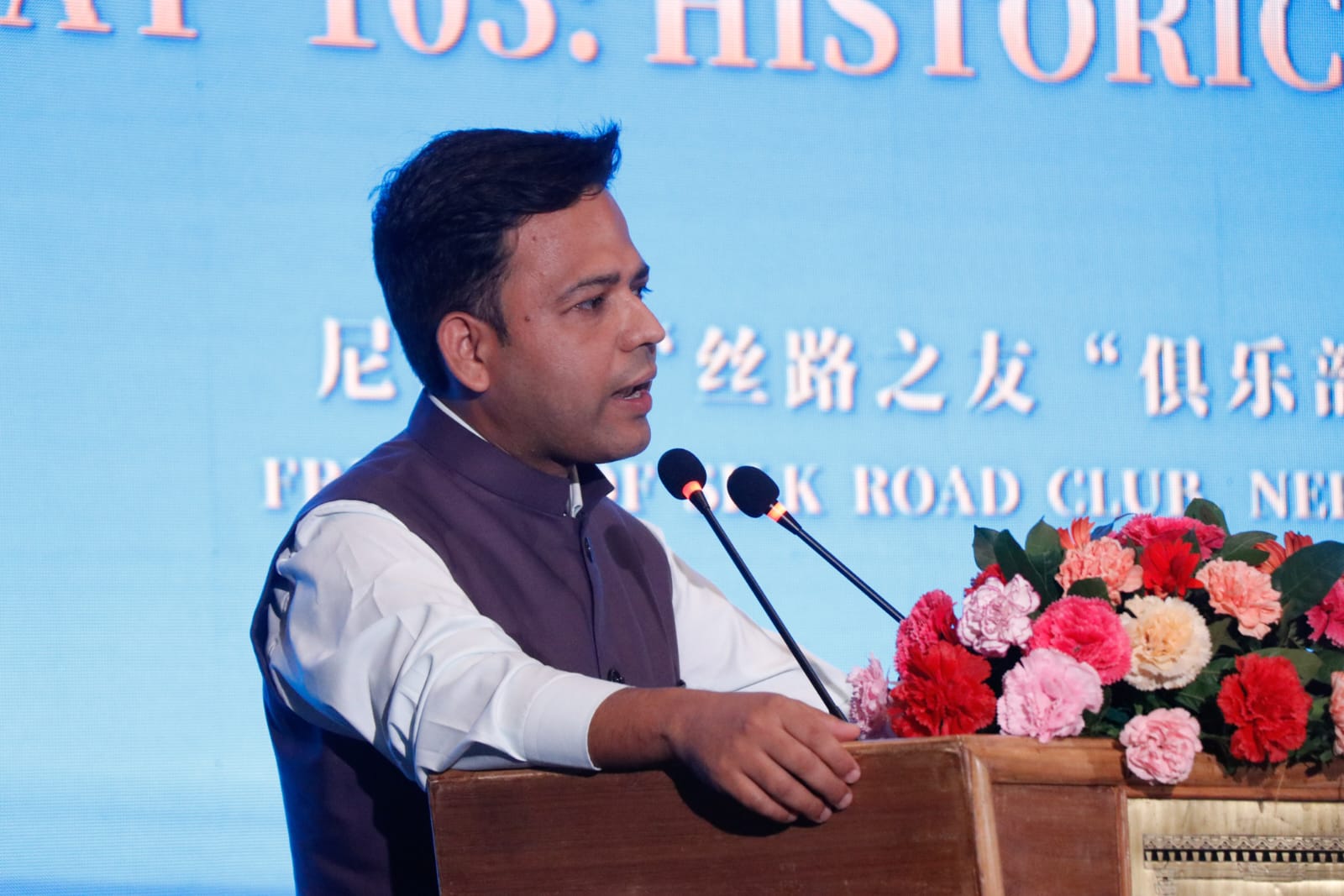
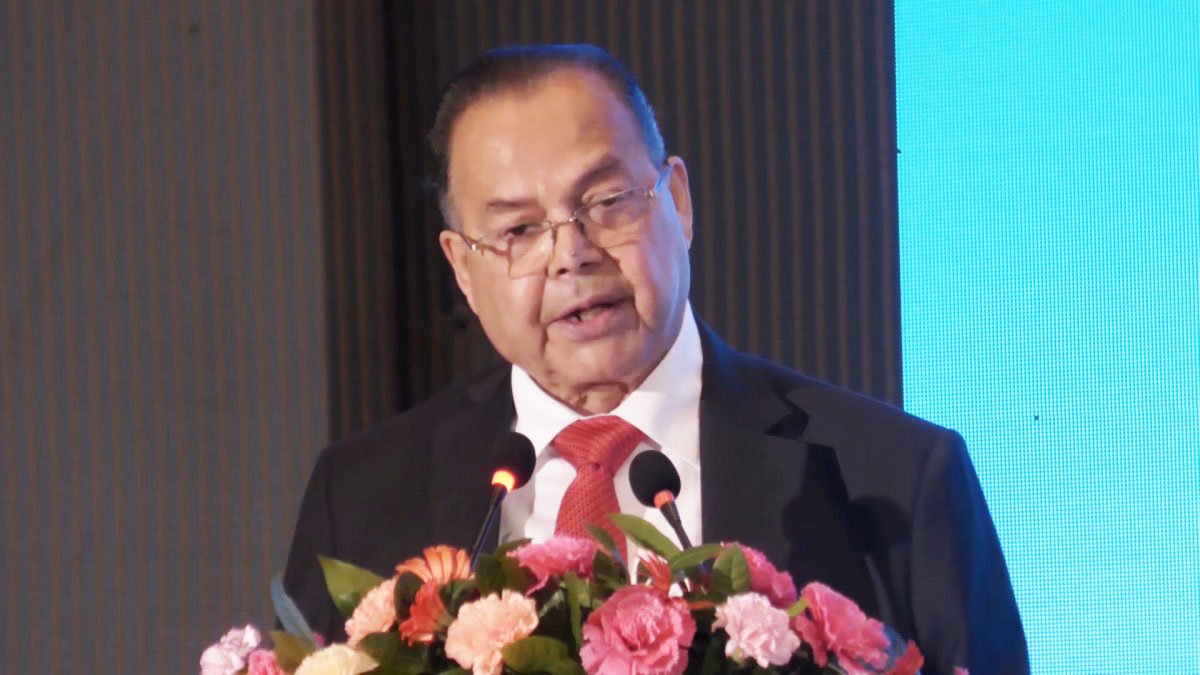
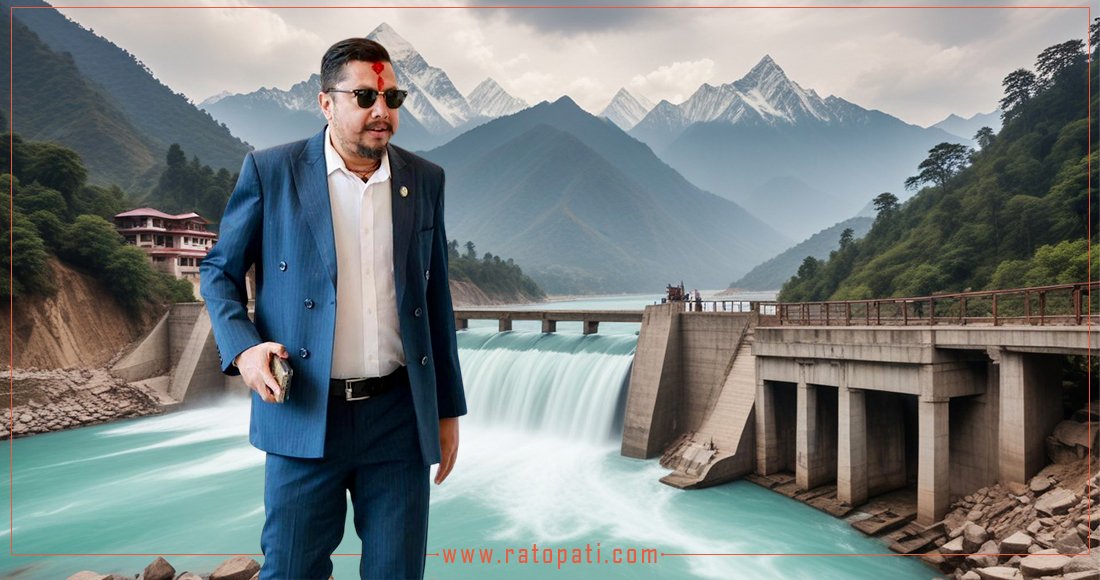
Kathmandu. Rastriya Prajatantra Party (RPP) parliamentary party leader Gyanendra Shahi has said that Nepal should not imitate foreign models for its development. Addressing a discussion program on '105 Years of the Chinese Communist Party: Historical Experience and Nepal's Development', he clarified that development is not something that can be imported from outside.
Stating that development models successful in other countries cannot be applied verbatim in Nepal's geographical and social context, he emphasized the need to adopt a unique path based on Nepali soil and reality. He said that Nepal should build its own development path with national interest at its center.
Shahi said that Nepal's main problem is not a lack of potential but a weakness in implementation. 'Development is not something that can be imported from outside, nor can success be achieved by copying the development model of another country as it is,' Shahi said, 'A development model successful in one country cannot be applied verbatim in Nepal, nestled in the Himalayas.' He mentioned that although Nepal is a nation endowed with natural resources, immense water resources, and a strategic geographical location situated between the world's two largest economies, it lags behind due to a weak implementation aspect.
He expressed sadness that thousands of energetic Nepali youths leave the country daily from Tribhuvan International Airport in search of a future. Shahi said that due to the lack of sufficient opportunities at home, Nepal is exporting human resources instead of goods. He stated that the pace of economic transformation in the country has not progressed as expected because skilled manpower has to be sent abroad at a time when goods should be exported to the international market. He opined that for this, the development of local industries, modernization of agriculture, and maximum utilization of clean energy are necessary. He also suggested that the state should focus on long-term structural investment and infrastructure development to take Nepali products to the international market.
Speaking about Nepal-China relations, leader Shahi said that the relationship between the two countries is based on the principles of mutual respect, sovereign equality, respect for territorial integrity, and non-interference. He claimed that an economically self-reliant, powerful, and stable Nepal would be a strong foundation for peace and stability in the region.
He said that Nepal should learn good governance and the rule of law from the historical journey of the Chinese Communist Party and criticized Nepal's current political trends. He stated that the old practice of party-based division and cadre recruitment still prevails in political appointments, and that the trend has not changed even though the actors have changed. Shahi emphasized that this practice must end to establish the rule of law in the country.
This specific news has been automatically translated by AI. As a result, there may be some inaccuracies or language errors.